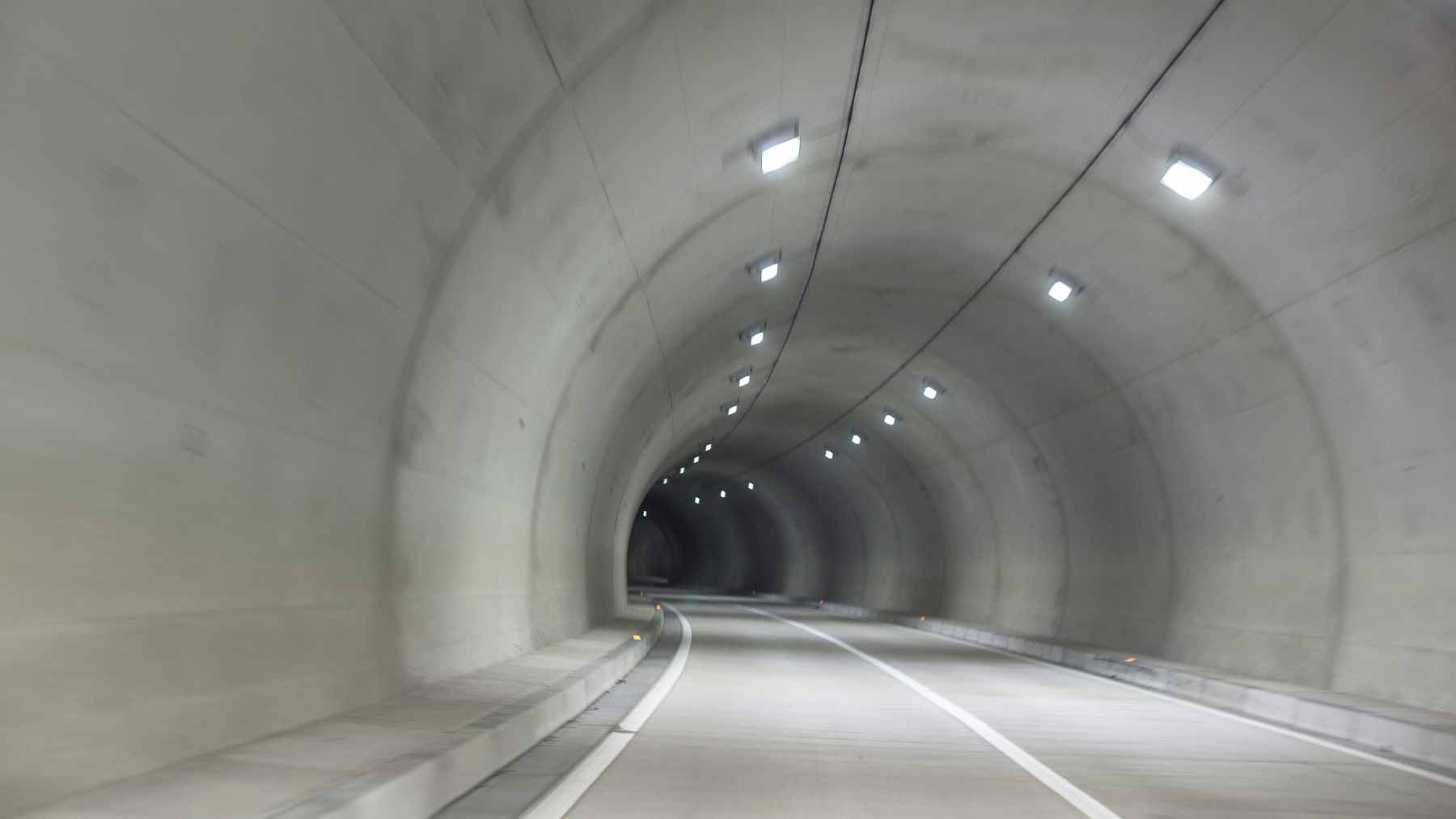
One of South America’s most remote corners is again talking about a project that sounds almost cinematic. Chile’s Magallanes region is studying a possible undersea connection beneath the Strait of Magellan, a tunnel or another permanent link that could connect the mainland with Tierra del Fuego near Porvenir.
The idea is simple to explain but difficult to build. Today, the crossing around Punta Delgada and Bahía Azul depends on ferries, wind, waves, and patience.
A fixed route could change daily life for residents, truckers, tourists, and businesses, but Chilean public works officials are also warning that the project is still at an early study stage, not a construction plan with a shovel-ready date.
A tunnel for a hard place
The proposal focuses on Primera Angostura, the narrowest part of the Strait of Magellan between the continental side and Tierra del Fuego. The possible route is usually described as roughly 2.3 to 2.5 miles long, placing it in a compact but technically demanding category of undersea infrastructure.
Why does this matter so much? Because geography runs daily life in this part of Patagonia. A trip that looks short on a map can become complicated when high winds, rough seas, or maintenance interrupt ferry service.
The regional development plan identifies the basic problem bluntly, saying there is no road connection between Tierra del Fuego Island and the continent. It also lists an initiative for an “alternative connectivity” project in the Primera Angostura and Bahía Azul sector, with a target year of 2035 included in the planning table.
Ferries still carry the load
For now, ferries remain the backbone of the crossing. Local reporting citing officials says around 2,150 people and 600 vehicles use the route each day, a flow that includes residents, cargo transport, and travelers moving through one of the farthest southern corridors on the continent.
That is not a small number for a sparsely populated region. It means school trips, medical visits, food deliveries, fuel movement, and tourism can all be affected when the weather refuses to cooperate.
In practical terms, a permanent link would not just be about convenience. It would be about predictability, which is often the thing businesses and families need most in isolated regions.
Chile is moving carefully
Still, the tunnel is far from approved. Alejandro Marusic, the regional secretary for Chile’s Ministry of Public Works, said the ministry does not currently have the construction of a tunnel under the Strait of Magellan in its plans.
He also acknowledged that a project exists inside the Special Plan for Extreme Zones, but said the final solution could end up being a bridge, a tunnel, or another alternative. His warning was direct and useful, since he said officials still lack the technical information needed to decide what can be built and how much it would cost.
That is the less flashy part of the story, but it may be the most important one. Before any tunnel can be treated as real, engineers have to answer basic questions about geology, safety, traffic demand, financing, environmental impact, and long-term operation.
The environmental question
An undersea tunnel can sound cleaner than a ferry system because it promises a steady road connection without repeated crossings by boat. But that does not automatically make it an environmental win.
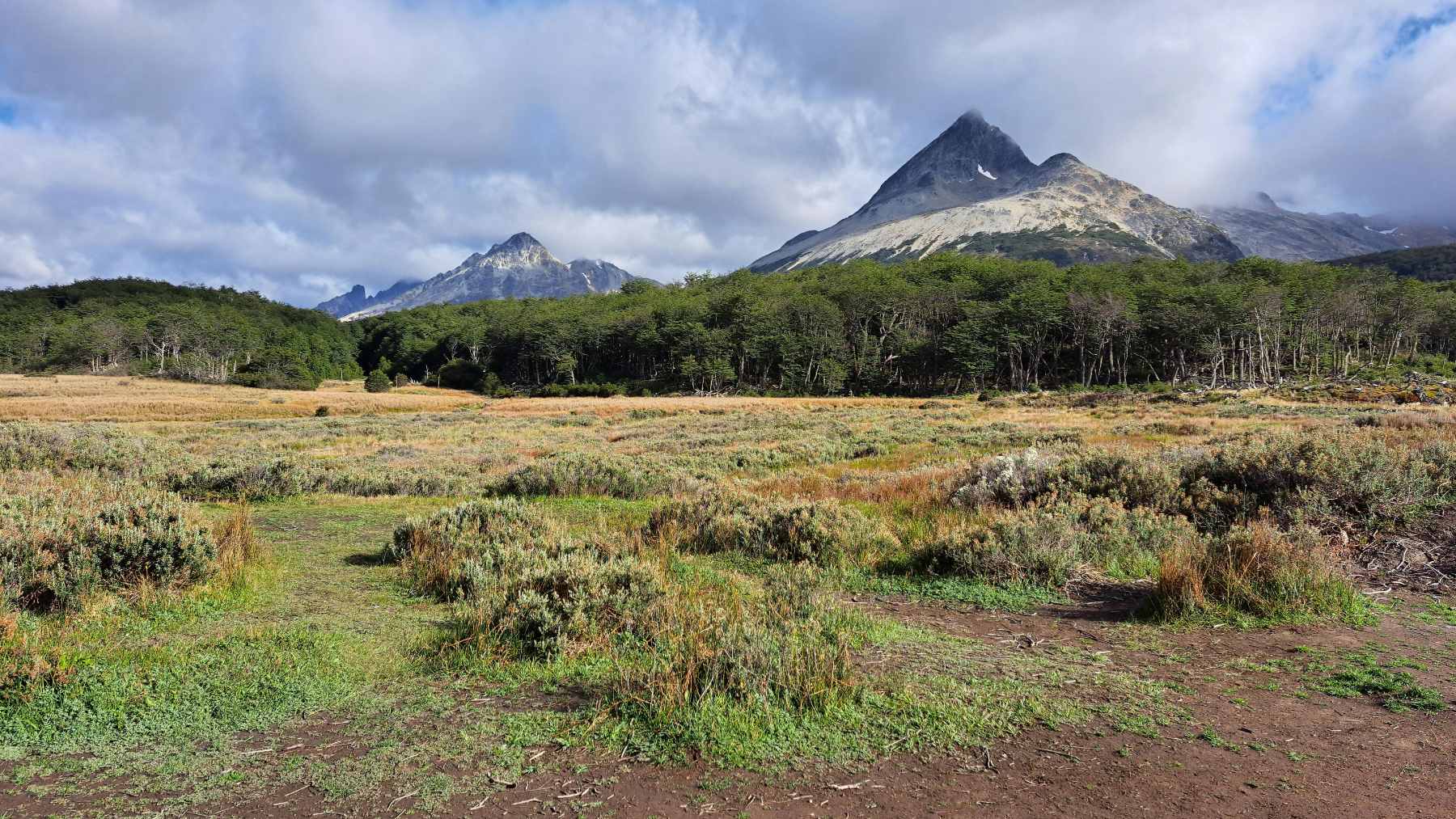
The Strait of Magellan is not an empty channel on a blueprint. It is a cold, windy, ecologically sensitive corridor, and any large project would need serious review before construction could begin.
There is also the climate factor. Strong winds and rough waters are part of the reason the tunnel is being discussed in the first place, but those same conditions make construction, rescue planning, ventilation, and maintenance more complex. The trouble is, the very weather that makes the project attractive also makes it harder.
Business and tourism are watching
For business, the attraction is obvious. A reliable crossing could make freight routes more dependable, reduce delays, and strengthen links between mainland Chile and Tierra del Fuego.
Tourism could also benefit. Tierra del Fuego has a powerful draw for visitors looking for remote landscapes, wildlife, and the feeling of reaching the edge of the map. A year-round connection could make that trip easier for more people.
But there is a balance to strike. Better access can bring money, jobs, and services, but it can also bring pressure on roads, small towns, fragile landscapes, and public agencies that already operate across huge distances.
Argentina is part of the picture
Although the project would sit in Chile, the regional impact would not stop at the border. Tierra del Fuego is shared by Chile and Argentina, and the crossing at Primera Angostura is also important for movement toward the Argentine side of the island.
Local reporting says officials estimate that a large share of people and trucks using the crossing are connected to Argentina. That makes the project more than a Chilean road issue. It is also a southern logistics question with cross-border consequences.
Could that help the project gain momentum? Possibly. Big infrastructure often becomes easier to justify when it supports trade, tourism, and regional integration at the same time.
A dream with hard numbers ahead
For now, the tunnel remains a serious idea, not an approved megaproject. The regional plan gives it a place in the long-term agenda, while Chile’s public works side is urging caution until studies show which option makes sense.
That distinction matters. A tunnel under the Strait of Magellan would be a milestone for South America’s far south, but only if the engineering, cost, safety, and environmental impact answers line up.
So the story is not “Chile is building it tomorrow.” It is more careful than that. Chile is weighing whether one of the world’s most isolated and dramatic regions can finally get a permanent road link across the water.
The official planning document was published on Gobierno Regional de Magallanes y de la Antártica Chilena.