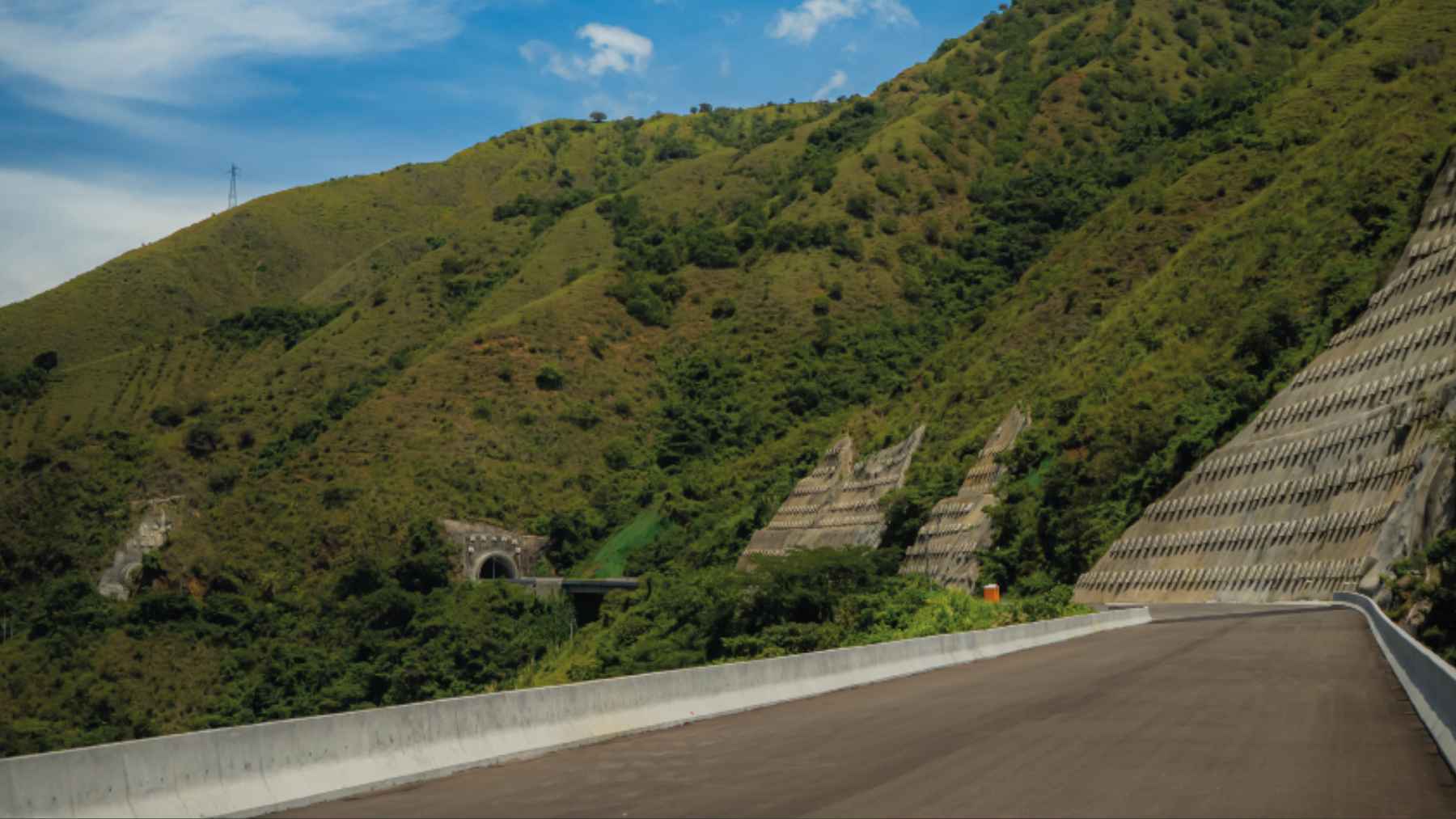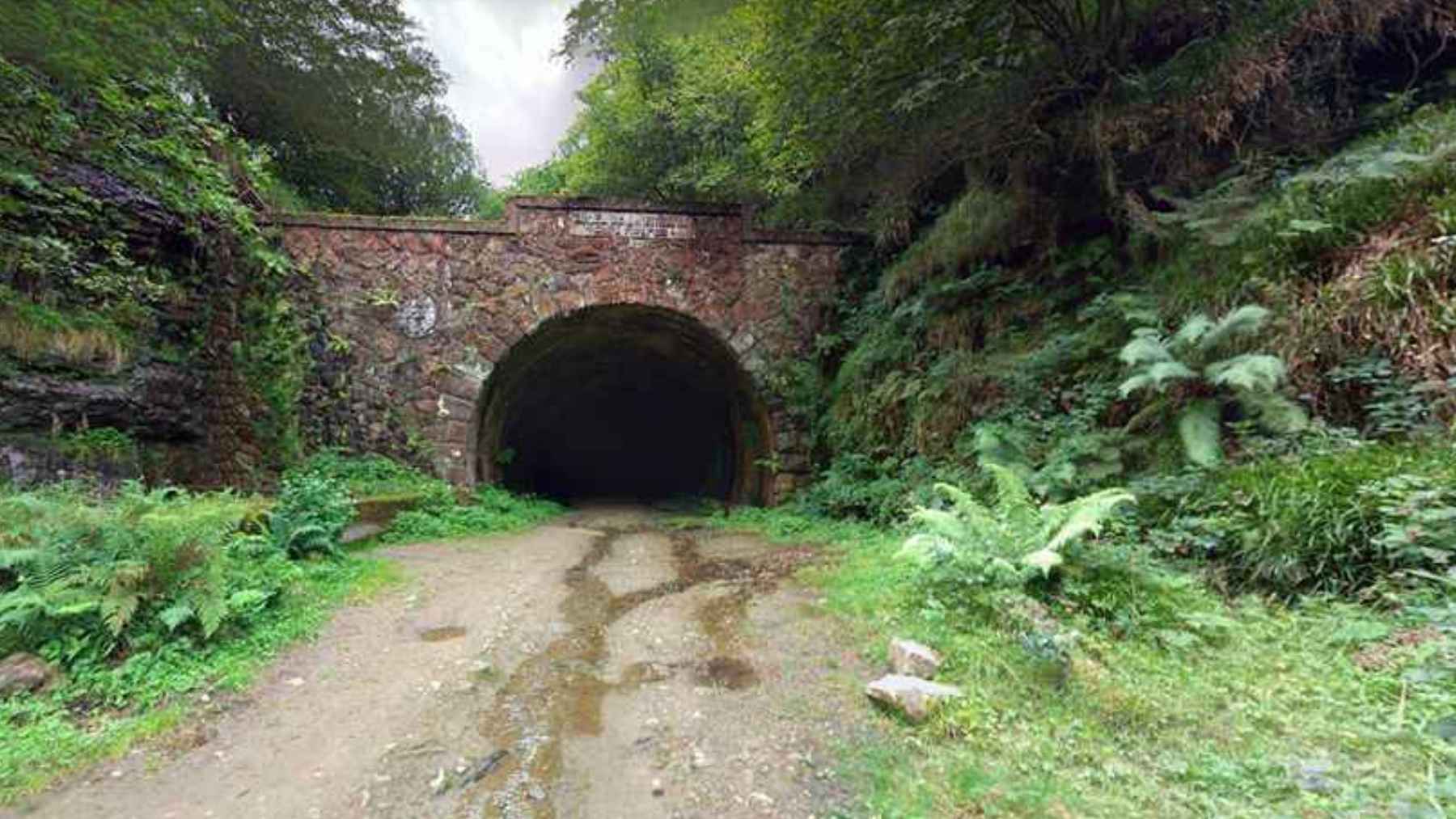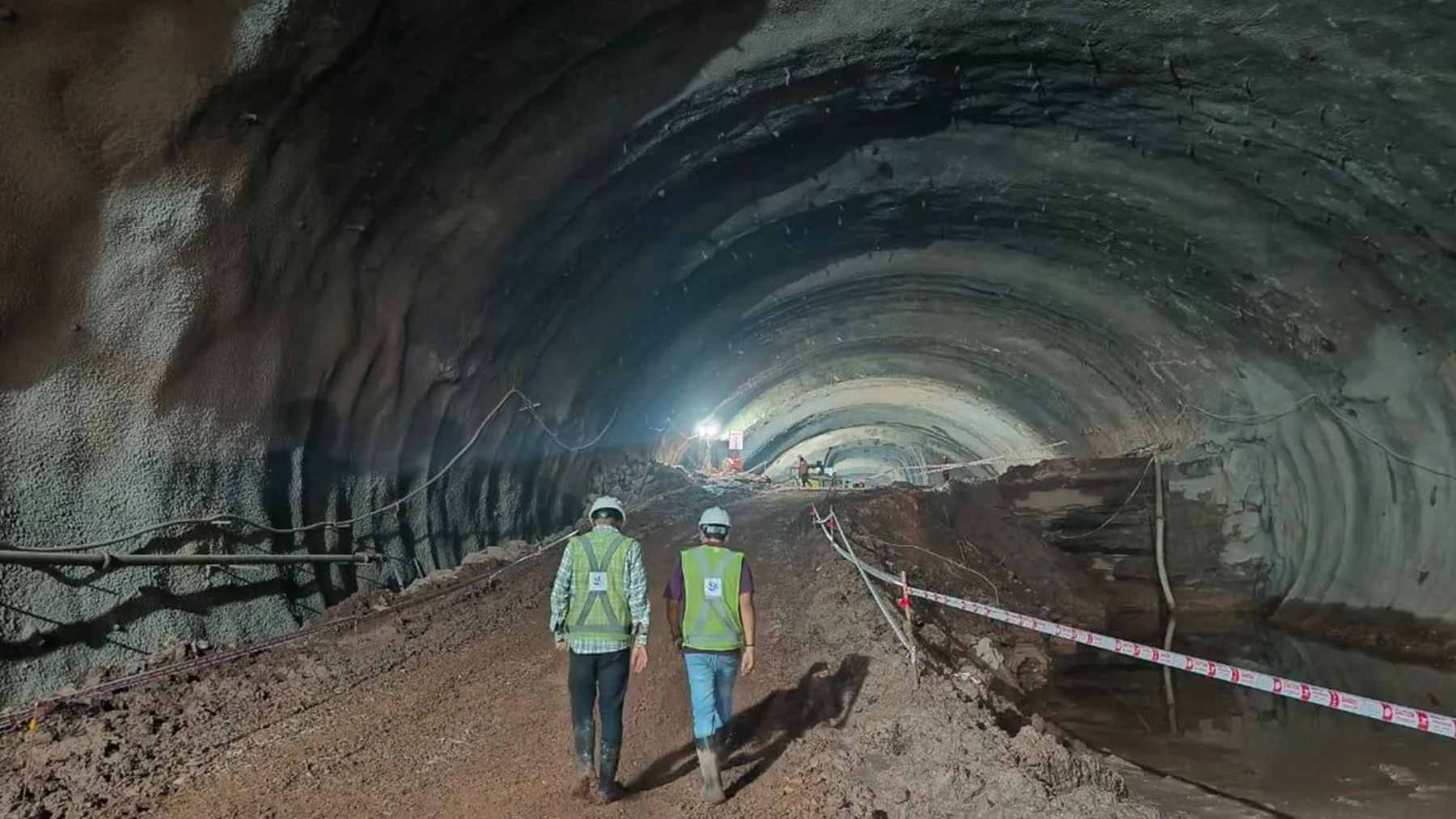
India’s newest highway milestone is not just about speed. Beneath the Mukundra Hills Tiger Reserve near Kota, Rajasthan, an eight-lane tunnel is showing how a country can move traffic under a forest instead of slicing straight through it.
The project, part of the Delhi-Mumbai Expressway, is designed to keep vehicles below ground while tigers, leopards, deer, sloth bears, and other animals continue moving across the landscape above. Recent updates also add an important caveat.
Light-vehicle trials are underway, but full opening for all vehicle categories is expected only after final checks on safety systems and connectivity are complete.
A highway under the forest
The tunnel sits on the Delhi-Vadodara section of the Delhi-Mumbai Expressway, one of India’s most ambitious road projects. The twin-tube stretch beneath Mukundra Hills runs for about 3 miles, and each tube carries four lanes, making it India’s first eight-lane highway tunnel beneath a tiger reserve.
That matters because highways through forests often bring noise, headlights, fragmentation, and collision risks. Here, the basic idea is simple enough for any traveler to understand. Cars and trucks go below, while the forest stays connected above.
Why wildlife is the real story
Mukundra Hills is not an empty patch of green on a map. Rajasthan’s Forest Department lists Mukundara Hills Tiger Reserve across Kota, Bundi, Jhalawar, and Chittorgarh, covering about 439 square miles.
The reserve is part of a larger wildlife landscape. The official monitoring portal notes populations of chital, sambar, nilgai, hyena, jackal, sloth bear, leopard, and tiger, along with birds, reptiles, and fish. That’s why a road project here cannot be judged only by how many minutes it saves.
The engineering choice
The larger Umedpura-Nayagaon tunnel project is about 5.2 miles long and is expected to cut travel through the Mukundra Hills stretch from nearly 50 minutes to about 5 to 10 minutes, according to an official Ministry of Road Transport and Highways update.
In practical terms, that means fewer slow curves, fewer risky road sections, and a more predictable route for drivers. For anyone who has been stuck behind heavy vehicles on a hilly road, the appeal is obvious. The deeper question is whether the same design can become a model for other sensitive habitats.
Built wide, built carefully
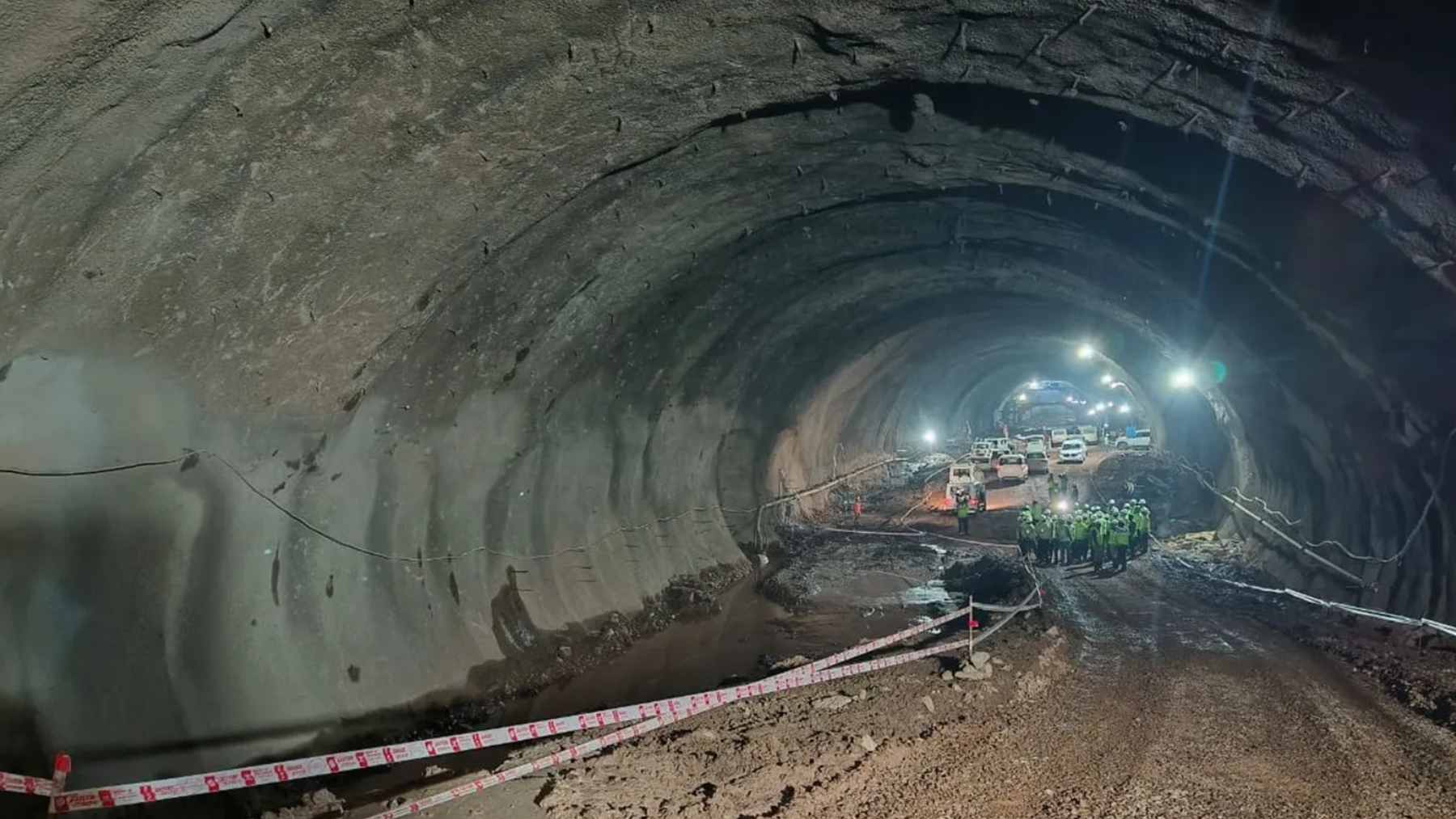
This is not a small bore through a hill. The tunnel has been reported at about 72 feet wide and 36 feet high, making it one of the widest tunnels in the country. It cuts through a complicated mix of sandstone, shale, siltstone, mudstone, and limestone.
The project cost was revised from about $105 million to about $131 million, based on the latest rupee-dollar range and figures cited by an NHAI official. That is a major investment, but one that reflects the cost of building infrastructure in a place where ecology cannot be treated as an afterthought.
Not fully open yet
Some early reports described the tunnel as ready to open on June 20. The more recent update is more cautious. NHAI’s Kota project director told PTI that the tunnel had “not yet been officially opened” for all categories, with trials limited to light vehicles such as cars.
That pause is not a minor detail. Inside a long tunnel, ventilation, fire response, emergency access, communications, and mobile connectivity are not extras. They are the difference between an engineering showpiece and a safe public road.
What travelers gain
When fully opened, the tunnel should give travelers between Delhi, Rajasthan, Gujarat, and Mumbai a smoother route through a section that has long been difficult. It is expected to remove nearly 15.5 miles of winding travel through the reserve area, which could make the Delhi-Vadodara journey far easier once linked with other operational sections.
Businesses will be watching closely too. Freight operators value time, fuel savings, and fewer bottlenecks, especially on a corridor designed to connect major industrial and consumer markets. That’s the business side of conservation-friendly infrastructure. It still has to move people and goods.
The surface still matters
A tunnel can reduce fragmentation, but it does not make environmental responsibility automatic. The land above must stay usable for wildlife, and the surrounding approach roads must be managed carefully so that the tunnel does not simply move pressure to the edges.
India’s official 2021 expressway briefing said the corridor would include animal overpasses and wildlife movement structures, including a Mukundra tunnel planned to pass through the sanctuary without disturbing endangered fauna. That was the promise. The next few years will show how well it works on the ground.
A test for future highways
At the end of the day, the Mukundra tunnel is more than a road shortcut. It is a test of whether fast infrastructure can be built without making wildlife pay the full price.
If monitoring shows that animals keep using the habitat above and drivers get a safer route below, this tunnel could become a reference point for future projects in ecologically sensitive zones. If not, it will be a reminder that good engineering still needs long-term ecological follow-through.
The official statement was published on Ministry of Road Transport and Highways – India’s LinkedIn page.