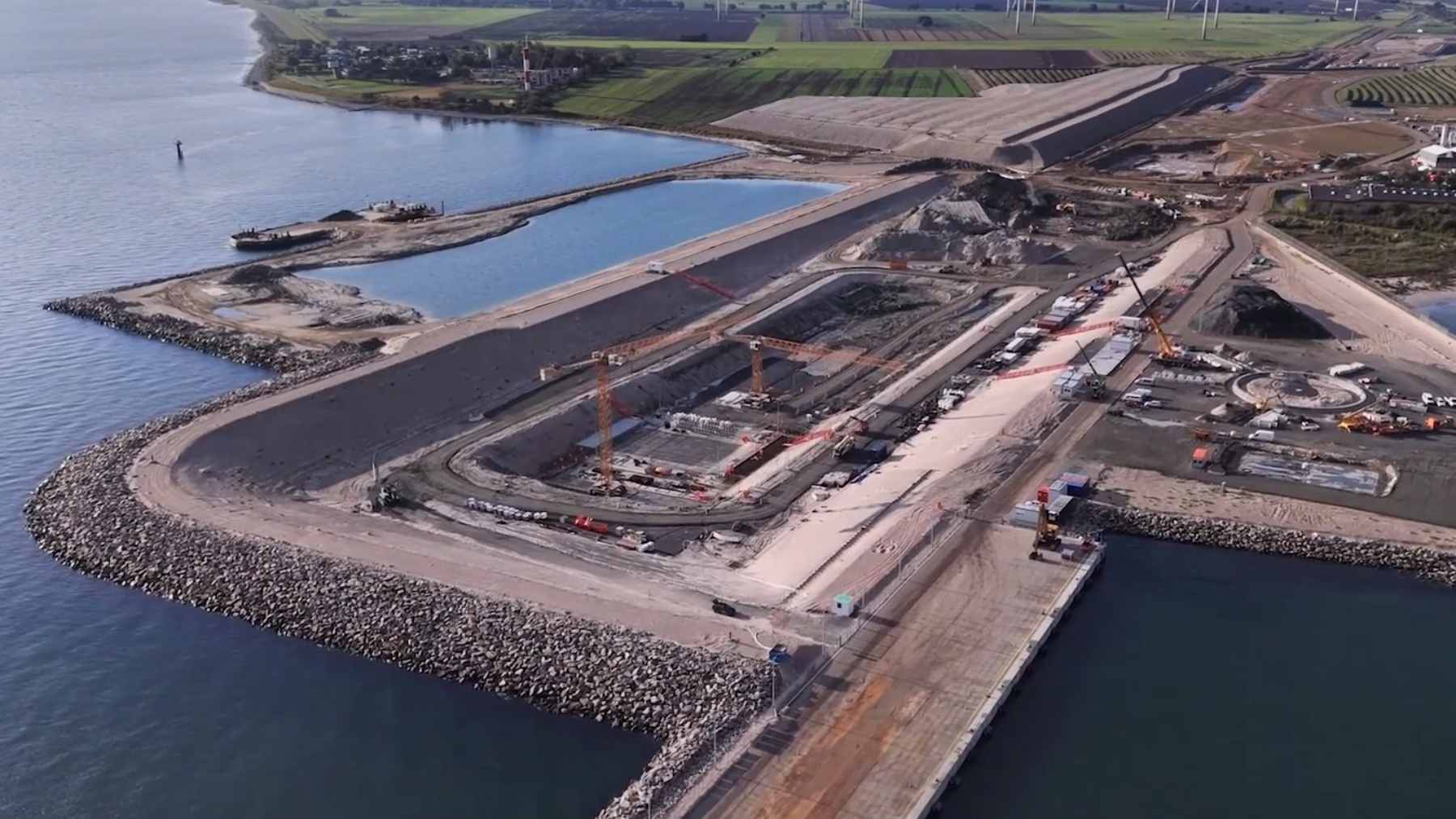
Most megaprojects spend years as drawings, speeches, and funding disputes. The Fehmarnbelt tunnel has now become something much heavier. In early May, crews placed the first massive concrete element on the Baltic Sea floor off the Danish island of Lolland.
The milestone matters because this is not just another road project. When completed, the roughly 11-mile link between Denmark and Germany is expected to be the world’s longest immersed tunnel, with trains and cars cutting across the Fehmarn Belt in minutes instead of relying on today’s slower route.
It is also a test of whether Europe can build cleaner, faster transport without forgetting the sea life under the work site.
A giant first step
The first tunnel element is about 700 ft. long and weighs more than 81,000 tons. It was moved from the tunnel factory at Rødbyhavn by five tugboats and the custom immersion vessel IVY, then lowered into a prepared trench in front of the Danish tunnel portal.
That short trip across the water was only a little over a mile, but technically it was anything but simple.
Femern said the operation began late on May 4, 2026, and reached the key immersion phase around noon on Wednesday. About 14 hours later, the element had reached its intended position and was connected to the portal with hydraulic arms. Laser measurements were then used inside the element to confirm that it was sitting correctly on the seabed.
A piece of concrete that large does not just get dropped into the water like a stone. Before immersion, crews added about 4,960 tons of ballast concrete so the element would sink in a controlled way. Once it was down, gravel and rock were planned for the sides to keep it locked in place.
Why Europe is watching
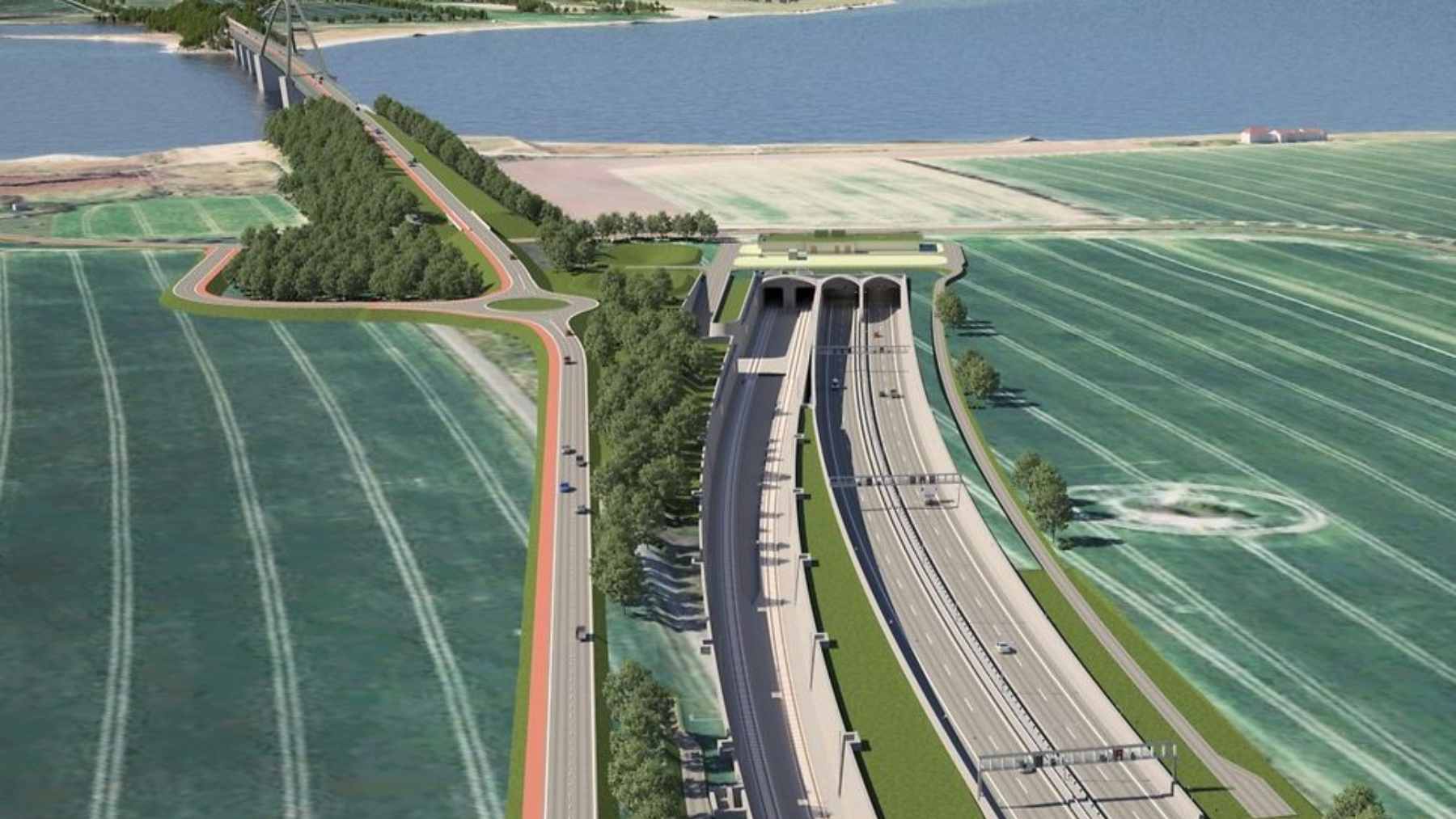
At the end of the day, the Fehmarnbelt tunnel is meant to remove a stubborn gap between Scandinavia and Central Europe. The route will link Lolland in Denmark with Fehmarn in Germany, making the crossing possible in about 10 minutes by car and 7 minutes by train.
The rail trip between Hamburg and Copenhagen could fall from roughly 5 hours to about 2.5 hours.
That is the headline benefit for travelers, but the business case goes deeper. Sund & Bælt says the tunnel can save international trains and trucks a detour of about 99 miles through Denmark, which should lower carbon emissions to a large extent.
In practical terms, fewer wasted miles can mean less fuel, tighter logistics, and a stronger case for shifting freight from road to rail.
The money explains why Brussels cares. Femern says the EU has granted roughly $1.5 billion in construction support through the Connecting Europe Facility. The wider link is user-financed, meaning tolls and railway charges are expected to repay the loans over time.
Engineering under the sea
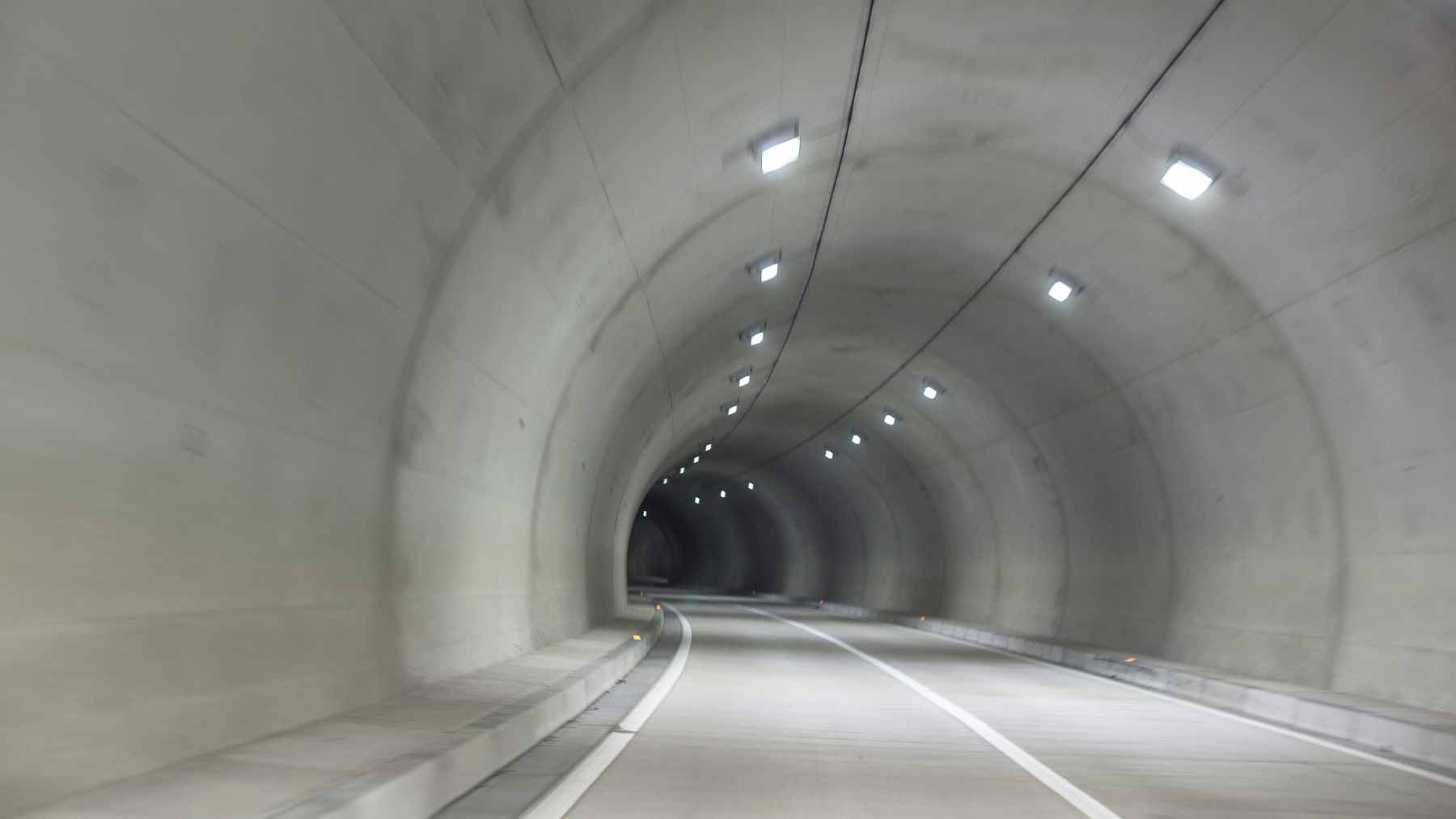
Each standard element is divided into five tubes. Two will carry highway traffic, two will carry trains, and a smaller service tube will handle technical installations. The remaining 88 elements are due to be immersed one by one in a trench as deep as about 131 feet below the sea surface.
This is the kind of job where a tiny error becomes a very large problem. Lasse Vester of Sund & Bælt described the operation as having “very little margin for error.” Mikkel Hemmingsen, CEO of Sund & Bælt, said the team was “happy and relieved” after the first element went into place.
There is a useful everyday image here. Imagine parking something as long as two football fields in dark water, on an uneven seabed, while currents, weather, and equipment all have a say. Now imagine doing it 88 more times.
The green promise
For climate policy, the tunnel has a complicated story. Building it requires enormous amounts of concrete, steel, machinery, dredging, and ship work. Sund & Bælt itself notes that a tunnel cannot be constructed without carbon emissions, even as it presents the link as a long-life shortcut to Europe.
The environmental side is not only about carbon. Femern says marine monitoring around the project runs 24 hours a day and covers water quality, seabed life, marine mammals, birds, underwater noise, and coastal changes. The data is also made available through Ægir, the project’s environmental portal.
The project has also promised compensation on land and in the water. Sund & Bælt lists more than 1,480 acres of new nature on the Danish and German sides, about 104 acres of re-established stone reefs near Fehmarn, and more than 40 new ponds on Lolland.
That does not erase the disturbance of construction, but it does show how modern infrastructure is increasingly judged by what it repairs, not only what it builds.
The permitting bottleneck
The difficult part is that environmental safeguards can also slow construction. Sund & Bælt said on May 17 that it is now working toward a two-stage opening, with road traffic first and rail service later, because of delays in the tunnel and German-side land facilities.
It said the Danish side is about two years behind schedule, partly due to challenges with the specialized vessel used to immerse the elements.
Germany’s process has become part of the debate. The German transport ministry notes that Femern and German road officials replied to around 12,600 objections in 2017, while the supplied background material contrasts that with only 43 objections in Denmark.
For critics of European bureaucracy, that difference has become an easy symbol. For environmental groups and local residents, public review is often the last real chance to shape a project of this size.
So which lesson should Europe take from it? Probably both. Projects that affect the seabed, birds, marine mammals, and coastal towns need strict scrutiny, but green transport also loses value when cleaner rail links arrive years late.
What happens next
The first element is now in place, but the tunnel is far from finished. Crews still have to lower and connect dozens of concrete sections, stabilize them in the seabed, and coordinate road, rail, safety, and land-side systems on both sides of the Baltic. That is why this moment is a milestone, not a finish line.
Still, it changes the feel of the project. For years, the Fehmarnbelt tunnel was a debate about permits, finance, and whether Europe could still build big things. Now there is concrete on the seabed.
The bigger question is whether the finished link can deliver on all its promises. Faster travel is easy to understand. Cleaner freight, stronger European resilience, and better-protected nature will take longer to prove.
The latest official statement was published on Femern.