












Related news
Psychology suggests that, for many teenagers, the real protective factor lies not so much in turning off the app as in having strong friendships outside of the screen, because the quality of those relationships seems to matter more for their well-being than the exact number of hours spent using it
Most people don’t realize that the apparent “disinterest” of many older adults isn’t always apathy or indifference; it’s often a more selective approach to life, in which time is valued more highly and pointless arguments no longer seem like a worthwhile investment
Sports science suggests that, to improve as a long-distance runner during adolescence, it’s not enough to simply rack up more miles; instead, you need to train your legs to take each stride with more power and fewer unnecessary movements—a difference that can make your body more efficient just as the pace starts to pick up
This palm tree from the Seychelles produces the world’s largest seed, which can weigh up to 66 pounds, measure nearly 20 inches, and takes decades to complete a life cycle that seems like something from another planet
Psychology suggests that turning 60 doesn’t mean a person’s personality is set in stone; with the right practice, some older adults can become more composed under pressure and more open in social situations than they ever imagined
Psychology suggests that the anxiety many people feel about an uncertain future stems not only from what might go wrong, but also from a mind that has learned to treat the lack of answers as a threat that must be addressed immediately
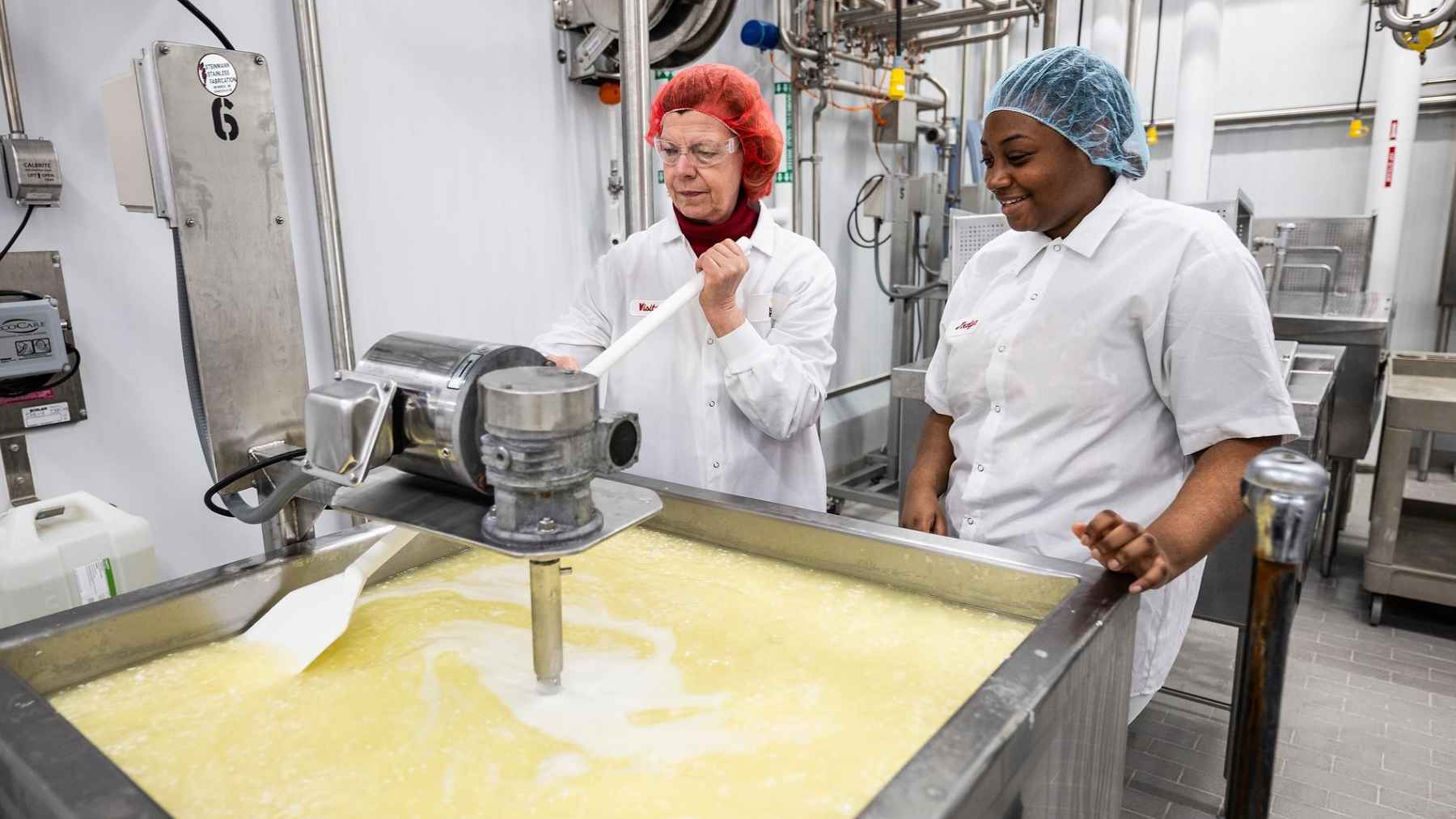
They conducted a blind taste test of 12 supermarket-brand salted butters, and the winner wasn’t Kerrygold or Land O’Lakes, but a much more unexpected choice
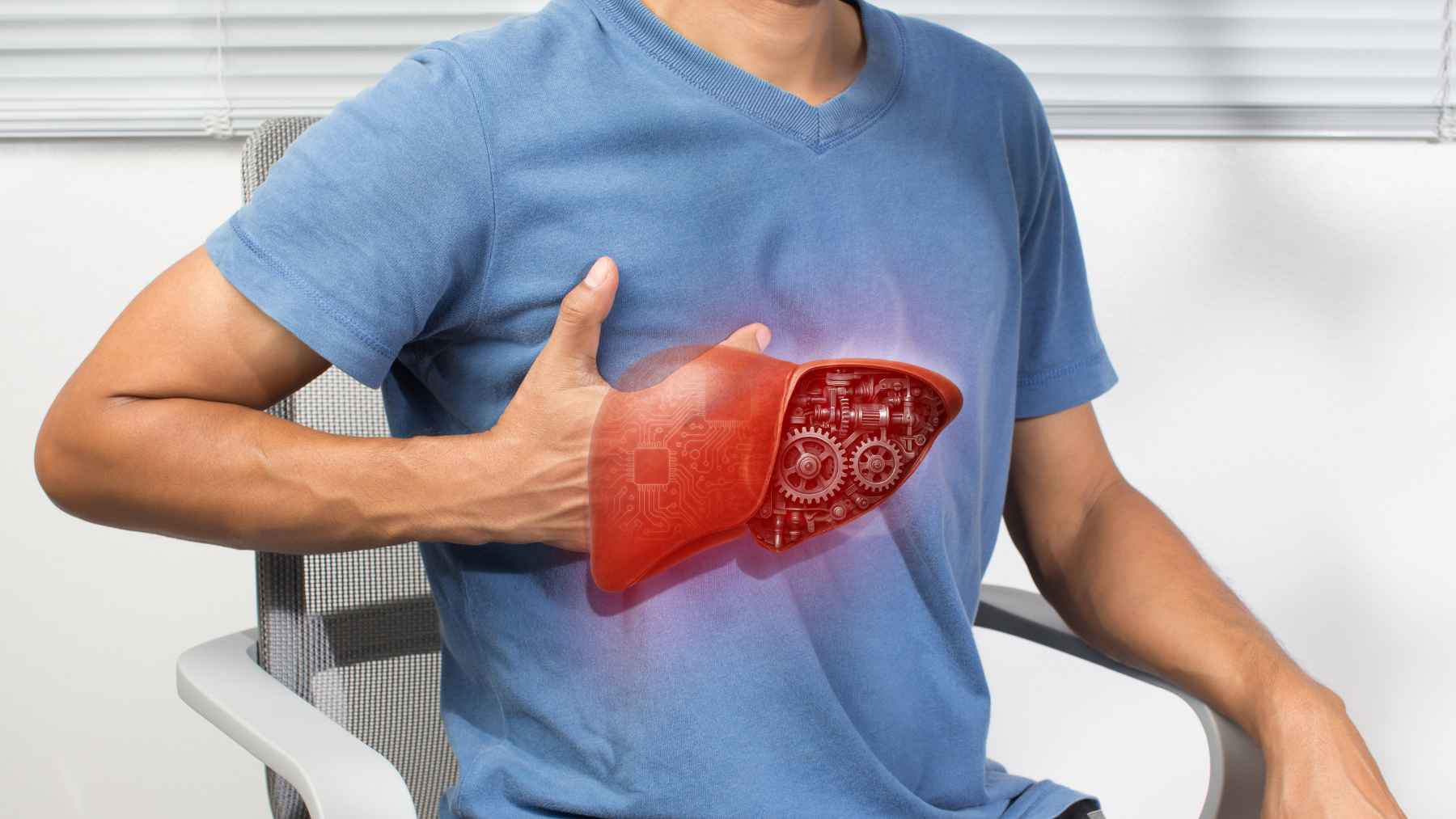
It’s not just about what you eat or how much you move; high blood pressure can become a self-perpetuating problem within your blood vessels
Psychology suggests that adults who don’t have close friends aren’t necessarily cold, antisocial, or indifferent; in many cases, they have built such a sheltered emotional life that closeness begins to seem less like a comfort and more like a threat
A study conducted with women aged 35 to 65 shows that gradually introducing retinol could reduce irritation and visibly improve wrinkles after six months
Scientists are studying a plant known for its ability to recover from drought and have discovered signals that may influence cellular energy and collagen production
Most people don’t realize that Candida auris, a fungus contracted in hospitals, may not be best fought with a more lethal substance, but rather with a smarter strategy: blocking the mechanism by which it seizes iron before a stay in the intensive care unit turns into an infection that is much harder to control
Sports science suggests that a good warm-up may involve more than just activating muscles, lungs, and joints; for some runners, a few minutes of mental preparation before the race also seem to sharpen the mental focus that determines whether you keep up the pace or slow down when the going gets tough
Sports scientists have discovered that the Tour de France isn’t won solely by legs capable of generating more power, but also by the ability to protect something far less spectacular and perhaps just as crucial: a sleep deep enough to transform today’s suffering into energy that can be put to good use tomorrow
Neuroscientists discovered that some memories are consolidated not only because something was important, but because the brain interprets learning as a minor energy emergency, temporarily altering its glucose sensors to protect what it has just learned
Psychology tells us that the small acts of kindness that seem to go unnoticed in hallways, offices, homes, or supermarket checkout lines aren’t as insignificant as they appear; they may also be influencing how the person offering help perceives their own happiness
Most people don’t realize that the training that ultimately leads to an injury isn’t always the result of a gradual buildup of fatigue, but is often due to a single run where you decide to cover a much greater distance than your legs have been used to lately
Neuroscience suggests that a few minutes of mindful meditation each day won’t suddenly turn you into a new person; rather, it cultivates something more subtle—and perhaps more important—: a mind that more quickly grasps what is relevant and is less easily distracted