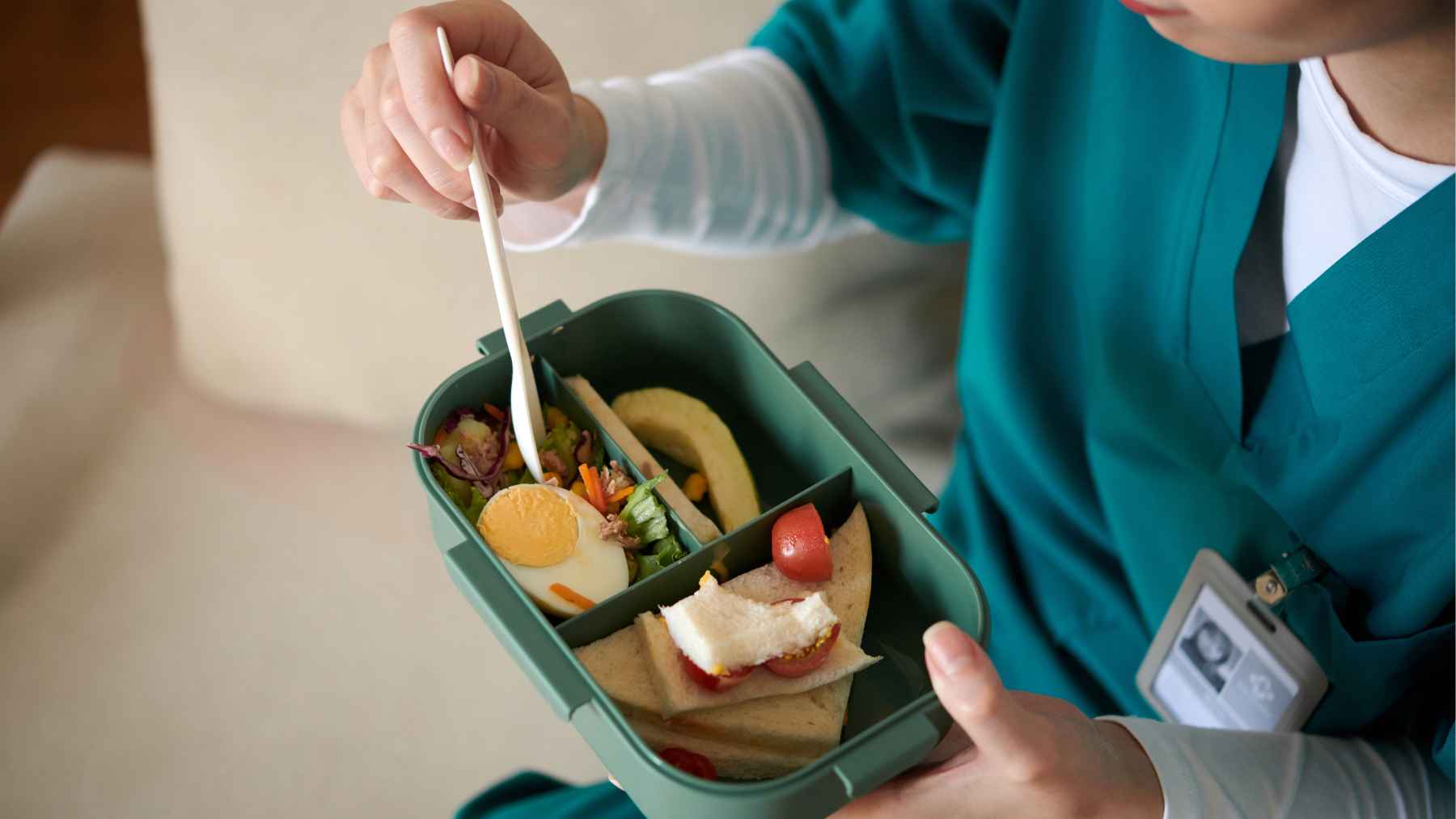
Karen Adams did not chase a miracle cure after she was diagnosed with type-2 diabetes in 2023. Within three months, the Newcastle, Australia resident had moved her blood sugar into the non-diabetes range, and over the next three years she lost 66 lbs.
Her story now has research beside it. A 12-month Australian study of the same diet program found that nearly one in five participants reached remission without glucose-lowering drugs, although the study cannot prove the eating plan alone caused the improvement. Promising, yes, but not a universal prescription.
A diagnosis changed her routine
Adams cut back on refined, high-carbohydrate foods such as white bread, white rice, and pasta. She built meals around protein-rich foods and vegetables, then began walking more and finally using the gym membership that had been gathering dust.
“I started to have more energy,” she said. Better sleep and easier mornings followed, and the chores she had been postponing no longer felt quite so heavy.
Three years later, Adams said her doctor also advised her to stop blood pressure medication. “It is a lifestyle change. It’s not a diet,” she said.
The study behind the story
Lead author Despina Kolivas, a doctoral researcher at La Trobe University, worked with clinicians to follow 99 adults with an average age of 59 who were referred by family doctors.
They used the Defeat Diabetes program, a phone and web app that provides low-carbohydrate nutrition education, recipes, and behavior support alongside usual medical care. Eighty-seven completed the full year.
Blood sugar improved in 78% of participants, while 42% moved their A1C below the diagnostic cutoff. Sixteen people, or 18% of those who completed the study, met its definition of remission. Among participants taking glucose-lowering medication at the start, 13% stopped all of it.
The changes did not stop at A1C. The study reported that 10% stopped all blood pressure medicine, 7% stopped cholesterol-lowering drugs, and the group showed improvements in triglycerides, liver enzymes, and self-rated well-being. Participants also lost about 11 lbs. on average.
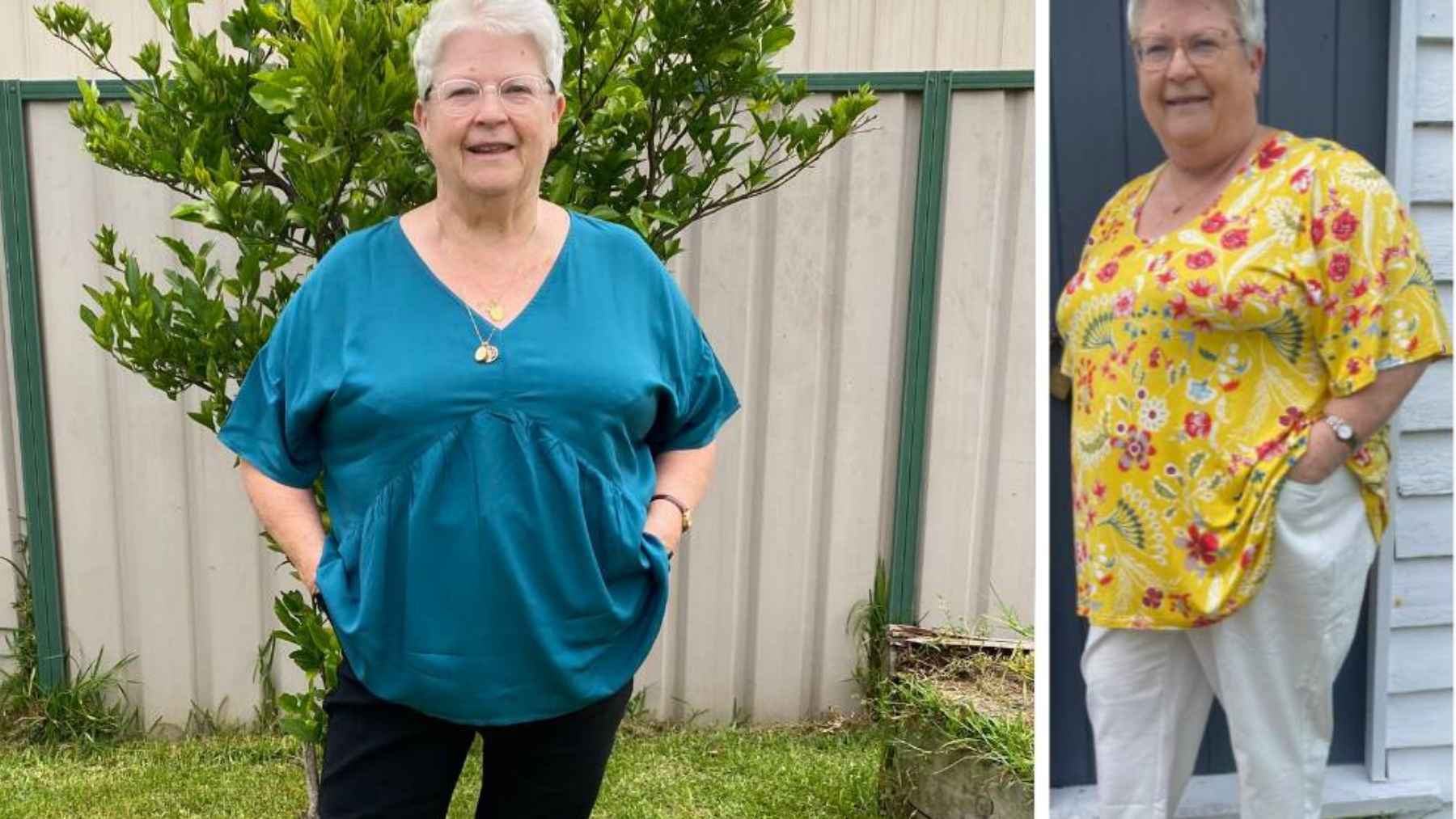
Karen Adams transformed her health after adopting a low-carbohydrate lifestyle, losing significant weight and bringing her type 2 diabetes into remission.
What remission actually means
Remission means A1C stays below 6.5% for at least three months without glucose-lowering medication. It does not mean diabetes has been cured, because high blood sugar can return and regular checkups still matter.
Why can carbohydrates matter so much? The body turns many carbs into glucose, and people with type-2 diabetes have trouble using insulin efficiently. Cutting refined starches and added sugar can reduce blood sugar spikes, but both the quality and amount of carbohydrate count.
A lower-carbohydrate plan does not have to ban every piece of fruit or spoonful of beans. Diabetes Australia says it can be one useful option for type-2 diabetes, but anyone taking insulin or certain tablets should change food and medication only with a health professional. A grocery swap can be simple, but a medication change is not.
Why the findings need caution
This was a single-arm study, meaning there was no comparison group eating another way. That makes it impossible to separate the app’s effect from weight loss, increased exercise, regular medical follow-up, or the motivation of people who volunteered.
The researchers also relied partly on food records and participant questionnaires. Twelve of the 99 participants did not complete the full year, which could make the results look stronger if those who remained found the approach easier to follow.
There were financial ties, too. Kolivas received an industry-funded scholarship supported by La Trobe University and Defeat Diabetes, while co-author Peter Brukner founded the program. The journal disclosed those relationships, and readers should weigh them alongside the peer review and measured outcomes.
What it means at the dinner table
In practical terms, the useful starting point is not a perfect menu. It is replacing sugary drinks and refined grains with minimally processed foods, nonstarchy vegetables, enough protein, and sources of healthy fat. Prediabetes can remain silent for years, so lab tests matter more than how healthy someone feels.
Low carbohydrate does not automatically mean healthy if the plate becomes mostly processed meat, butter, and cheese. Fiber-rich foods still matter for the heart, digestion, and fullness, and fatty liver care usually depends on a broader mix of weight management, movement, hydration, and medical support.
At the end of the day, Adams’ experience shows what sustained habits can look like, while the study suggests digital support may help some people maintain them. Anyone considering a major carbohydrate cut should speak with a doctor or registered dietitian, especially before reducing medication.
The main study was published in Diabetes Research and Clinical Practice.