Pablo Neruda once captured a lifelong truth in a few sharp lines. “The child who does not play is not a child, but the man who does not play has forever lost the child who lived within him, and he will miss that child greatly.”
For children, play is a way to explore, practice, and imagine. For adults, the quote suggests something less obvious. Giving up play can narrow curiosity, humor, and the freedom to try without demanding that every moment produce a useful result.
A warning about rigid adulthood
The line appears in an archived interview in which the Chilean poet was asked whether his habit of collecting keys, books, shells, pipes, bottles, and beetles had something childlike about it.
He answered that he had gathered small and large toys throughout his life and had even built his home like a toy. The setting matters because the quote grew from a daily habit, not an abstract theory.
At the end of the day, he was defending a mental posture. Play means leaving room for surprise, experimentation, and delight, even when bills, deadlines, and family duties remain. The point is not to stay childish, but to avoid becoming emotionally sealed off.
Why children need play
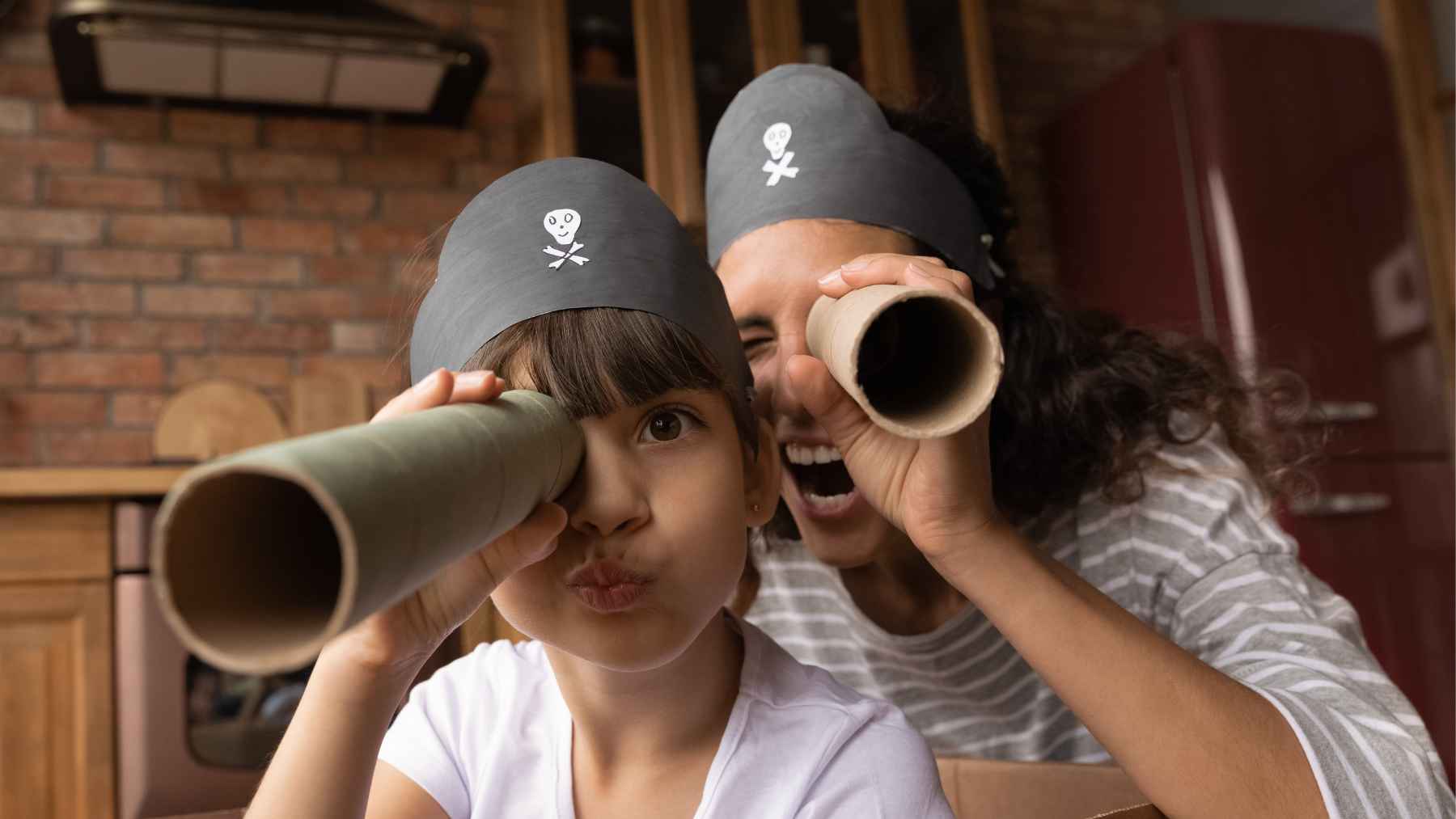
Play is an activity chosen for interest and enjoyment, often with imagination and flexible rules. A child building a cardboard fort is testing space, language, cooperation, and cause and effect without sitting through a formal lesson.
A clinical report from the American Academy of Pediatrics says developmentally appropriate play can support social and emotional growth, thinking skills, language, and self-regulation, or the ability to manage attention and behavior.
It also gives children a safe place to practice uncertainty and make mistakes. In the early stages of life, play is part of how they learn to handle the world.
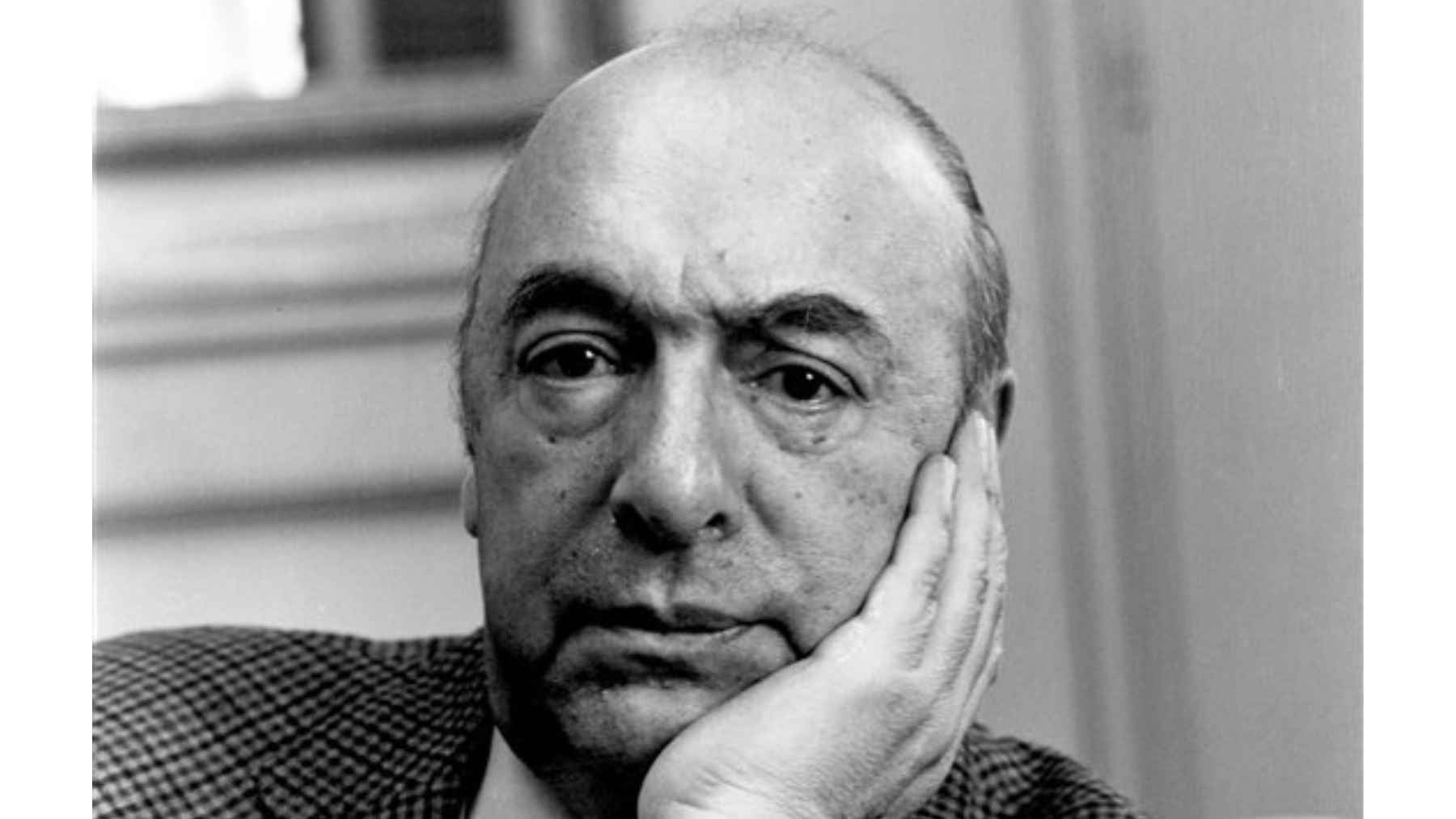
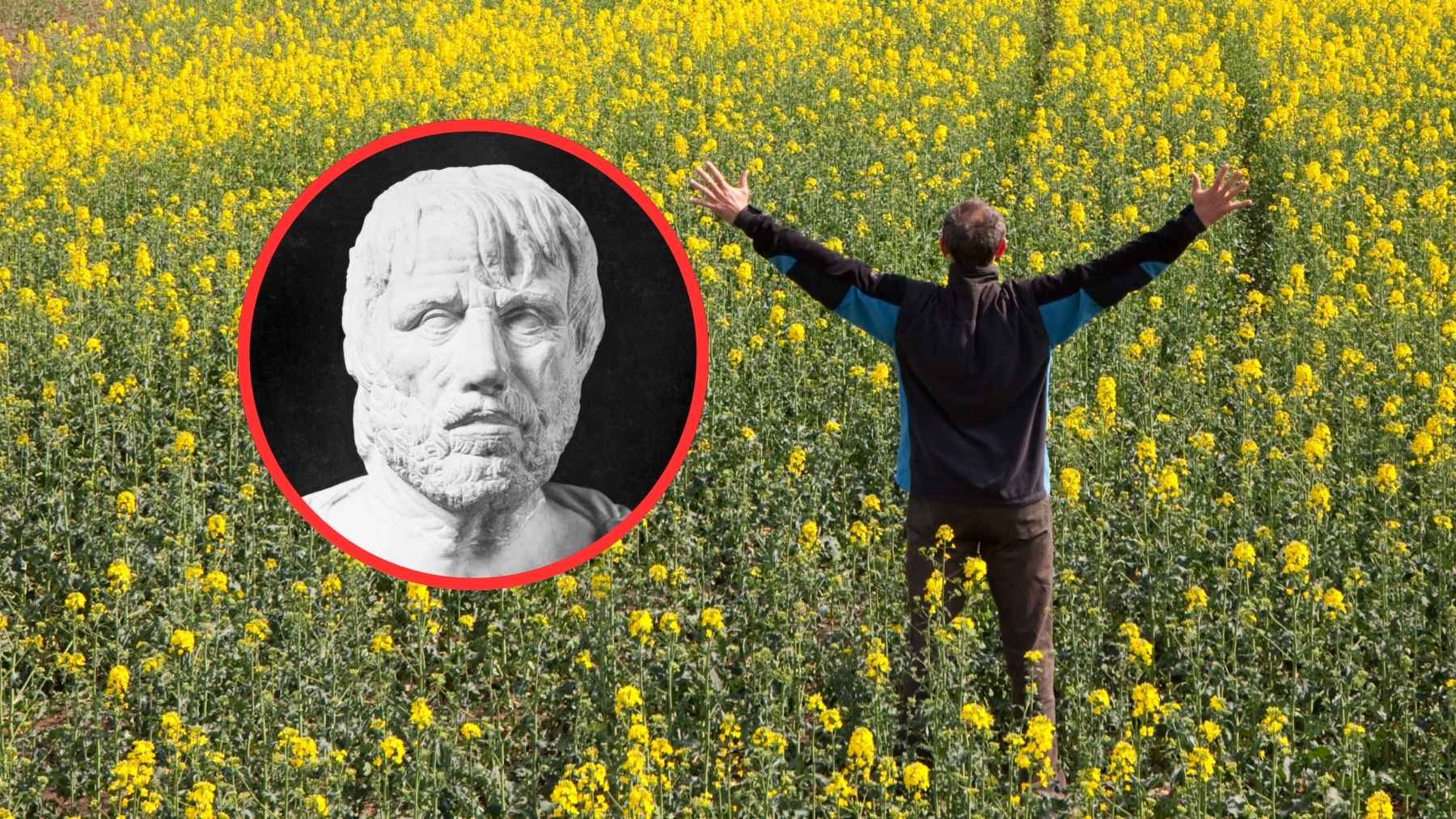
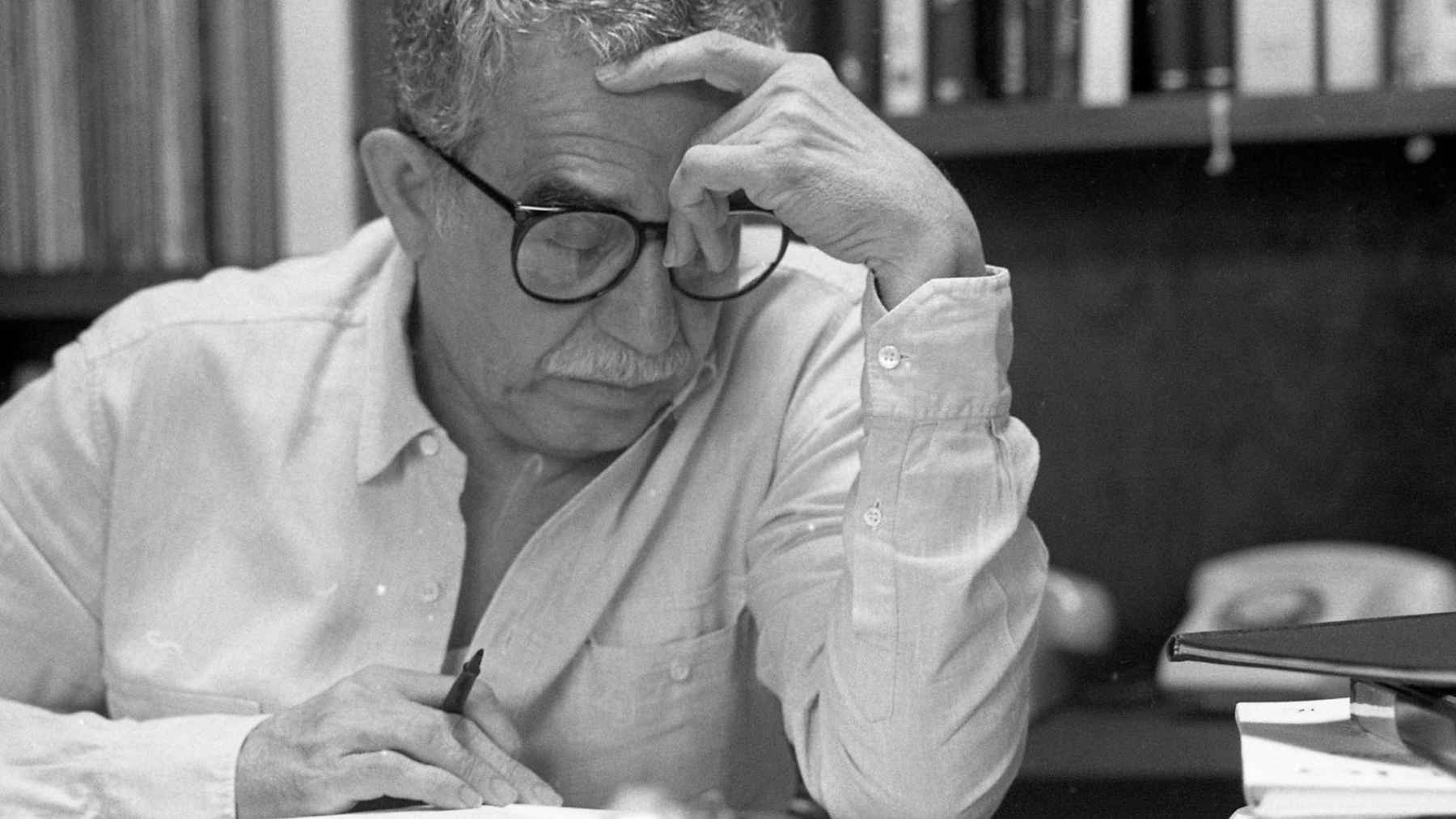
Pablo Neruda, Nobel Prize-winning Chilean poet, believed that adults who stop playing risk losing the curiosity and imagination that enrich life.
Why adults still need it
Adult play may look different. It can be dancing in the kitchen, playing basketball, joking with friends, solving a puzzle, improvising a recipe, or making music badly and enjoying it anyway. The common thread is voluntary engagement that feels absorbing rather than compulsory.
Research does not prove that playfulness causes a better life, but it repeatedly finds useful links. In a 2024 study led by Nancy Tandler at Martin Luther University Halle-Wittenberg, 185 preschool teaching trainees and 355 workers from different fields showed connections between playfulness, healthier ways of handling job stress, and aspects of life satisfaction.
Another study led by Xiangyou “Sharon” Shen at Oregon State University surveyed 503 U.S. adults during the COVID-19 pandemic.
More playful participants were not less realistic about the crisis, but they tended to imagine more positive possibilities, adapt more creatively, and report greater resilience, meaning a stronger ability to adjust under pressure.
Play and creative freedom
Why can play help the mind? It lowers the cost of being wrong. When there is no grade, promotion, or paycheck riding on the next move, people can combine ideas, bend rules, and test possibilities more freely.
A review of research on pretend play and later creativity found evidence that childhood imaginative play can be connected with creative processes in adulthood, although the relationship is complex and not automatic.
That fits the quote’s deeper point: the “inner child” is less a magical hidden person than a shorthand for curiosity, flexibility, and permission to imagine.
Making room for play
Recovering play does not require expensive gear or a dramatic life change. Ten minutes of sketching, a word game at lunch, a silly challenge with family, a new walking route, or music while cleaning can interrupt the mechanical rhythm of the day.
Still, play should not be sold as a cure for stress or a substitute for professional care. Its value is simpler, and for the most part, more modest. It can create a pocket of choice in a schedule crowded by obligations.
What would you do for no reward except enjoyment? The answer may point to the part of adult life the quote asks us not to abandon. Not everything has to become productive.
The poet behind the words
Born in Chile in 1904 as Ricardo Eliécer Neftalí Reyes Basoalto, he became a poet, diplomat, senator, and one of Latin America’s best-known literary figures of the 20th century. He received the 1971 Nobel Prize in Literature and wrote about love, politics, questions of identity, and the overlooked beauty of ordinary things.
His best-known books include Twenty Love Poems and a Song of Despair, Residence on Earth, and Canto General. That range helps explain why a defense of play feels at home in his work. He repeatedly looked at common objects as though they still held surprises.
His sentence survives because it does not ask adults to escape real life. It asks them to keep one door open to wonder, humor, and creative freedom.
The original interview passage has been published in the Pablo Neruda archive at the University of Chile.