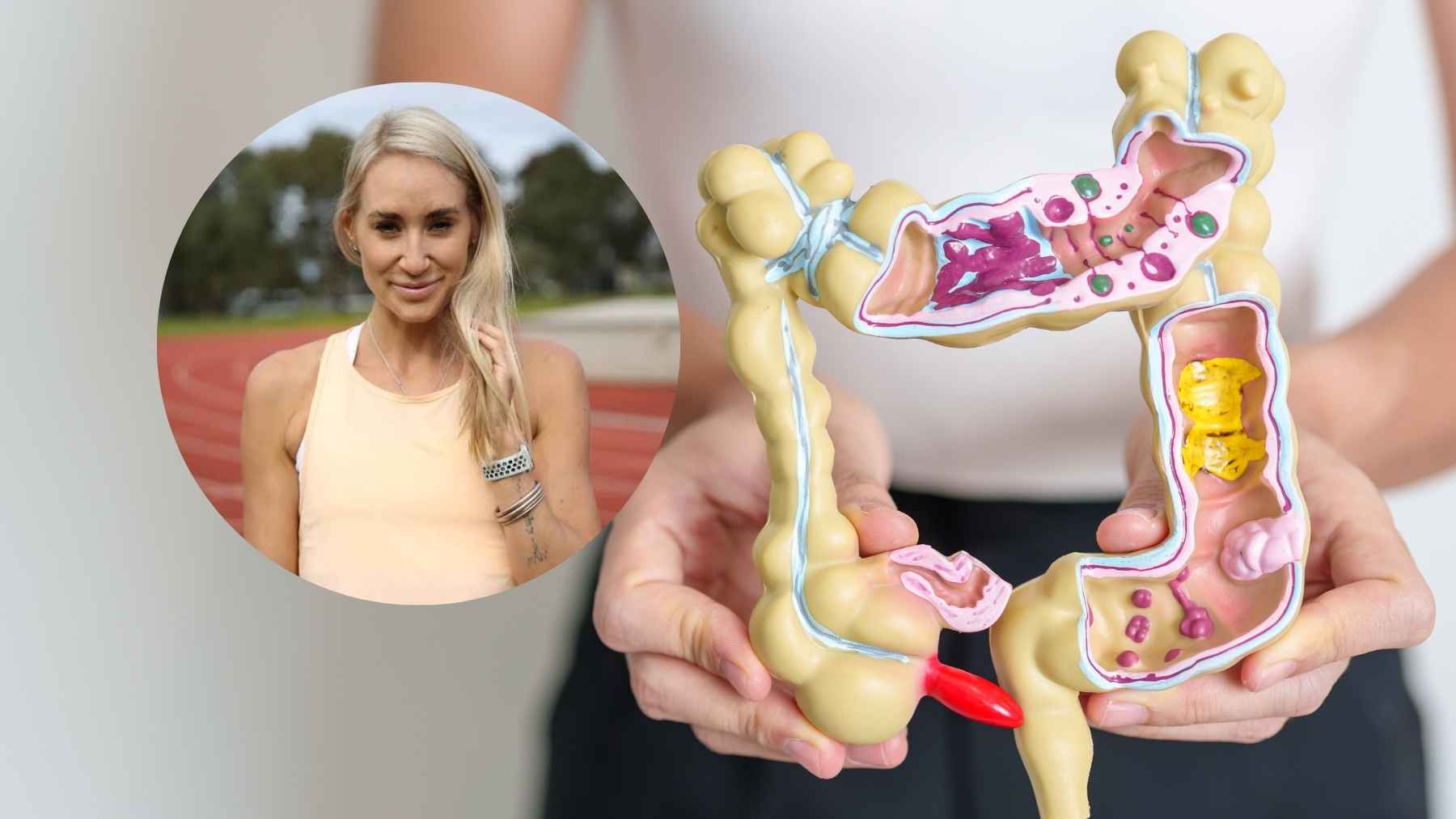
Can a family tree really tell an elite athlete what belongs on his plate? French decathlete Kevin Mayer, 34, said in a June 30, 2026, podcast interview that he becomes visibly leaner and feels fitter when he eats mainly meat and vegetables.
He is a two-time world champion and the current world-record holder in the decathlon.
That personal experience may be real for him. Current research,however, does not support using blond hair, blue eyes, or racial identity to determine what someone should eat. The evidence favors individual testing, training demands, health history, and a person’s actual response to food.
What he said
The athlete said he has tried many eating patterns and keeps returning to meat and vegetables, even though he has ethical reservations about eating meat. In his account, the change in body composition and fitness is obvious whenever he follows that approach.
“For me, a blond person with blue eyes cannot eat exactly the same as a Black person or an Asian person,” he said. He traced his family line to Vikings and argued that his ancestors would not have eaten rice, so his digestive system would be less suited to it.
Those are two different claims. One describes a personal reaction to a diet, while the other turns that experience into a rule about large groups of people. That leap is where the science becomes shaky.
Where ancestry can matter
Genes can influence nutrition in narrow, measurable ways. A classic example is lactase persistence, the inherited ability to keep digesting the sugar in milk after childhood, which became more common in some populations with long histories of dairy farming.
That is a specific biological trait, not a menu assigned by skin or hair color.
The National Human Genome Research Institute says most human genetic variation occurs within population groups, not between them. It also says race and ethnicity are not reliable substitutes for genetic ancestry, while people with similar skin color can be genetically quite different.

In other words, appearance is a poor shortcut for metabolism.
Current evidence does not support using blond hair or blue eyes to decide whether a person can process rice. A genuine digestive problem would need to be investigated in that individual, not inferred from a family-history narrative. Simple labels are tempting, but the body is more complicated.
Personalized diets have been tested
A large European experiment offers a useful reality check. Carlos Celis-Morales at Newcastle University helped lead the Food4Me randomized trial, which enrolled 1,607 adults in seven countries and followed them for six months.
Participants received standard guidance or increasingly personalized nutrition advice.
Tailored advice based on a person’s existing diet improved eating habits more than general advice. Yet adding body measurements, blood markers, and five selected genetic variants did not make the program more effective. That extra genetic layer produced no clear additional benefit in the trial.
That does not mean genetics never matter. It means broad ancestry categories are far too blunt to prescribe breakfast, lunch, or dinner, while the evidence for DNA-based diet plans remains mixed. A family tree can raise a question, but it cannot answer it by itself.
Elite sport changes the equation
A decathlon combines ten events over two days, from sprinting and jumping to throwing and a middle-distance finish. That workload demands repeated bursts of power, technical precision, and recovery between events. Food is not just about looking leaner when the next competition is waiting.
The American College of Sports Medicine says athletes need enough total energy, carbohydrates, protein, and a wide range of foods to support performance and repair.
Meat can be one source of protein, but a meat-and-vegetable plan may become low in carbohydrates if it also removes grains, potatoes, fruit, and other starches. For high-intensity work, that missing fuel can matter.
The International Olympic Committee’s 2023 consensus on relative energy deficiency in sport warns about prolonged underfueling, which can harm health and performance in male and female athletes. It also notes growing evidence about the role of low carbohydrate availability.
Nothing in the interview proves that the decathlete is under-fueled, but the risk is why elite diets should be assessed, not guessed.

A better way to personalize food
Sports nutrition is personal, just not in the way the disputed theory suggests. A qualified professional can examine training load, recovery, symptoms, allergies, food preferences, blood tests, and detailed meal records, then adjust the plan and monitor the results.
That is slower than sorting people by appearance, but it produces evidence tied to the person in front of them.
An athlete may genuinely feel better after removing a food or changing meal timing.
The next step is to investigate why, since the benefit could come from total energy, additional protein, portion size, timing, or another change made at the same time. Personal observation is a starting point, not proof of an ancestral rule.
So, should athletes study their family tree before choosing dinner? It may provide cultural history and a few clues worth discussing, but it should not override physiology, medical evidence, or performance data. The body is personal, but race is not a meal plan.
The full interview was published by the Extraterrien podcast.