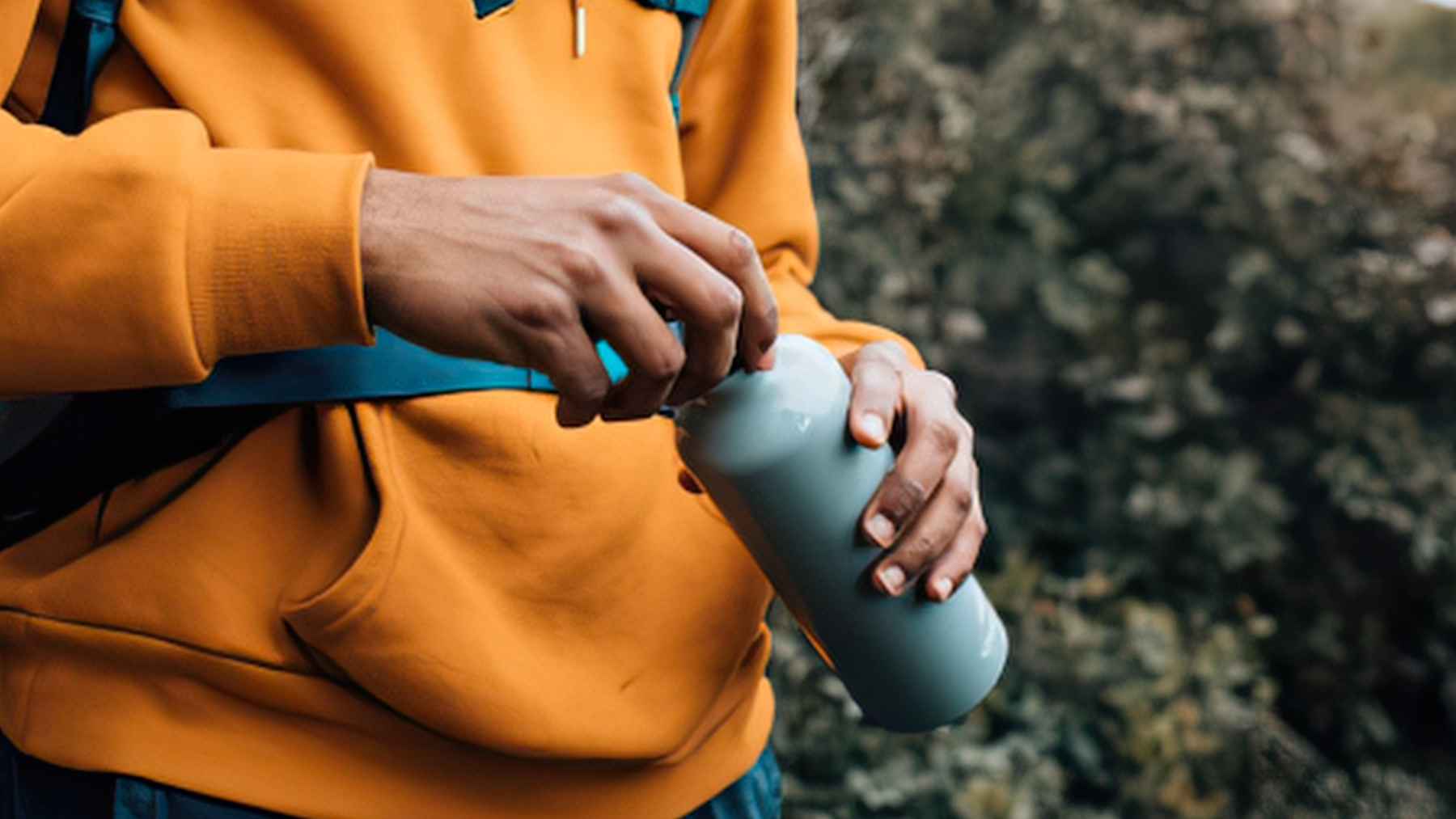
The stainless steel water bottle has become more than a gym accessory. It is on office desks, in backpacks, in cars, and next to laptops during long workdays. For some people, it is a small environmental choice. For others, it is also about taste, texture, temperature, and feeling prepared.
Psychologists warn that no one can read a full personality from a bottle, but the habit can point to patterns. People who choose stainless steel often value long-term use, dislike lingering smells or flavors, and may be more alert to small sensory details than others.
A small object with a bigger story
Over the last few years, reusable bottles have moved from hiking trails into everyday life. One major reason is plastic waste.
Data from the U.S. Environmental Protection Agency show that plastic containers and packaging totaled about 14.5 million tons of municipal solid waste in 2018, and only 13.6% of that plastic packaging was recycled.
The United Nations Environment Programme has also urged consumers and policymakers to focus on reusable alternatives, not just swapping one disposable material for another. One durable bottle used again and again can matter more than a drawer full of “greener” throwaways.
Sensory sensitivity explained
Sensory processing sensitivity is a personality trait that describes how strongly a person notices and processes things like sound, light, texture, smell, taste, or emotional tone. It is not a disorder, and it does not mean someone is fragile. It means their nervous system may register small details more intensely.
A 2025 meta-analysis led by Renjiao Tang described sensory processing sensitivity as a distinct environmental sensitivity trait after reviewing 81 studies with more than 59,000 participants.
That does not prove a bottle choice reveals a trait, but it helps explain why some people care so much about the cup, lid, straw, smell, and aftertaste.
Why steel feels different
One reason stainless steel bottles appeal to sensitive users is simple: plastic can hold on to old smells or flavors, especially after soda, coffee, or flavored drinks. Nobody wants water that tastes like yesterday’s cola.
Ronald H. Schmidt of the University of Florida and coauthors explained in Food Protection Trends that food-contact surfaces should be smooth, nonporous, nonabsorbent, durable, corrosion resistant, and easy to clean.
Those traits help explain why stainless steel is common in food settings and why a steel bottle can feel more neutral.
Temperature and control
There is also the temperature factor. Many people choose insulated stainless steel bottles because they want cold water to stay cold or coffee to stay warm. On a sticky summer afternoon, that can be the difference between taking a sip and ignoring a lukewarm bottle.
This is where personality enters the picture, but carefully. A person who carries the same bottle every day may value control, preparation, and a small sense of reliability. That does not make them rigid, it may simply mean they like fewer surprises.
The emotional support bottle
Some therapists have described the “emotional support water bottle” as a modern comfort object. It is not therapy, and it should not be treated like a medical tool. But holding it, sipping from it, or knowing it is nearby can become a simple routine during stress.
Cleveland Clinic psychologist Susan Albers says hydration can shape mood and that dehydration can affect thinking, sleep, and physical comfort. She also recommends carrying a water bottle and using habit stacking, which means pairing hydration with something you already do.
What psychologists would not say
The headline may sound tempting, but it needs a warning label. A stainless steel bottle does not prove someone is highly sensitive, sustainable, anxious, or organized. People buy them because they look nice, because coworkers have one, because tap water is cheaper, or simply because the bottle was on sale.
The more realistic point is about patterns. Someone who prefers steel may be showing a mix of environmental concern, sensory preference, and practical planning. One bottle cannot tell the whole story, but small objects often reveal what people try to make easier in daily life.
A habit worth noticing
At the end of the day, the stainless steel bottle is a tiny window into modern behavior. It sits where health, sustainability, routine, and sensory comfort meet. For many people, that is exactly why it stays within reach.
So, is your bottle saying something about you? Maybe. It may say you dislike strange aftertastes, you care about waste, you like your coffee hot and your water cold, and you find comfort in having one reliable thing on hand.
The main research review cited here has been published in Personality and Individual Differences.