Most homes have a smell story. Maybe it is last night’s fried food, a closed-up kitchen after a long day, or that damp scent that shows up when windows stay shut too long. That is why a simple mix of lemon peel, cinnamon, and ginger simmered in water has become a popular home habit for people who want a fresher-smelling space without reaching for a spray.
The trick is easy, affordable, and mostly sensory. It can make a room smell cleaner and warmer, but it should not be confused with an air-cleaning method or a health treatment. Indoor air matters because Americans spend about 90 percent of their time indoors, according to the EPA, and the agency says source control, ventilation, and filtration remain the main ways to reduce indoor pollutants.
Why this simmer pot works
The appeal comes from contrast. Lemon peel brings a bright, clean scent, cinnamon adds warmth, and ginger gives the mix a sharper, spicy note that can cut through heavy kitchen odors.
It is not magic. It is simply steam carrying aromatic compounds into the air, which can make the room feel fresher for a while. Think of it like opening a window for your nose, not deep-cleaning the air itself.
What you need
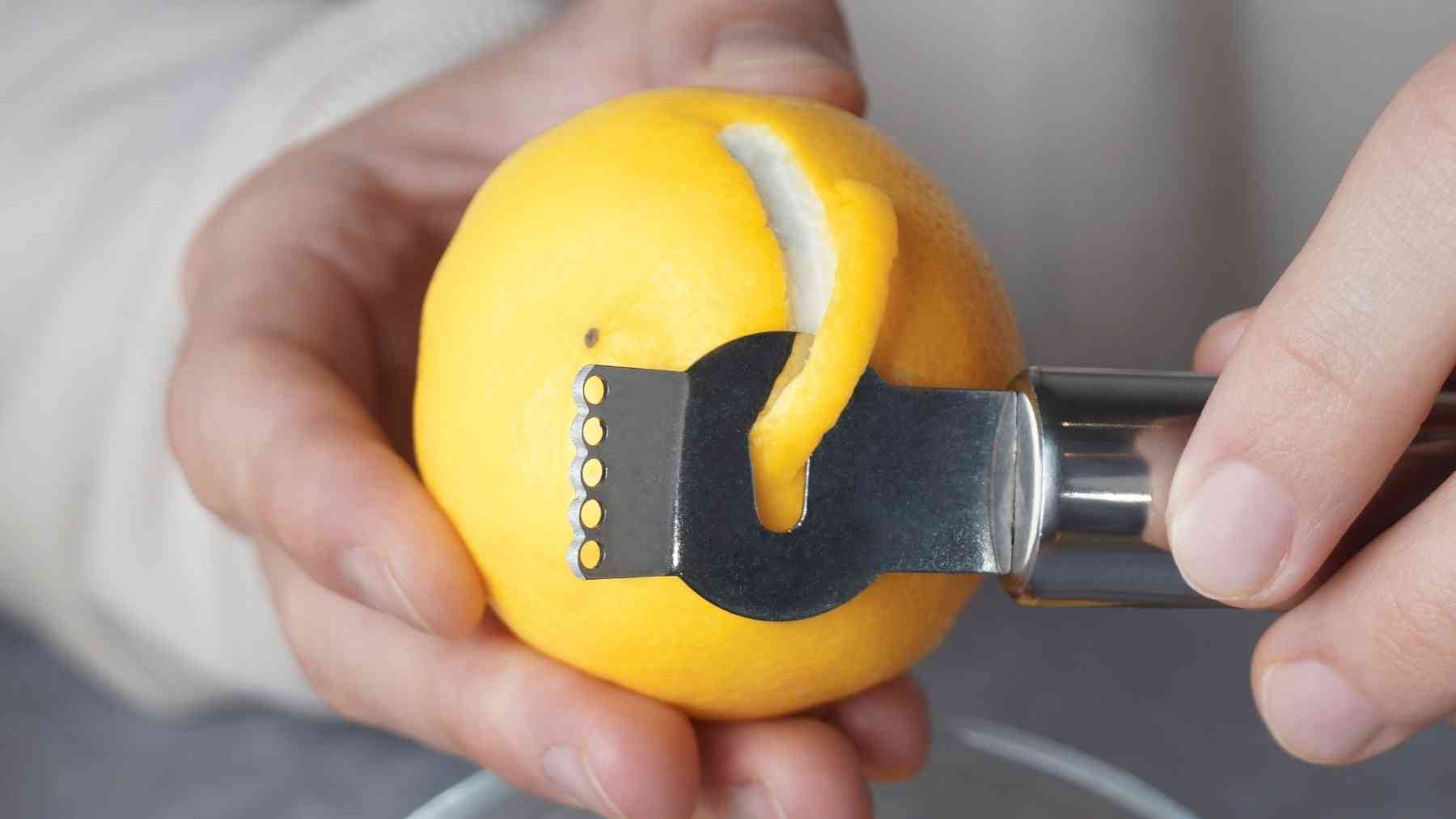
The basic recipe uses 3 to 4 cups of water, the peel of 1 lemon, 1 cinnamon stick, and 3 or 4 slices of fresh ginger. Place everything in a small pot and warm it gently until steam begins to rise.
Once it starts simmering, lower the heat. The scent usually builds within minutes, especially in small kitchens, apartments, or rooms that have been closed off. Add more water as needed, because the liquid can evaporate quickly.
What it can actually do
This homemade mix can help cover or soften everyday odors, especially cooking smells, trash-can odors, or stale air after a room has been shut. For the most part, that is its real benefit.
But there is a limit. If a room smells musty because of moisture, mold, old trash, or poor ventilation, a nice scent will not fix the source. The EPA says source control is usually the most effective way to improve indoor air quality, meaning the real problem has to be removed or reduced.
Why people like it
Part of the appeal is that it uses kitchen scraps that often end up in the trash. Lemon peel, in particular, gives one more use to something many people throw away after juicing or cooking.
It also feels softer than a store-bought aerosol. That matters to people who dislike strong artificial fragrances or who simply want more control over how intense the smell becomes. A few slices of ginger make it punchier, while extra water keeps it lighter.
The air quality catch
Here is where the story needs a little nuance. A pleasant smell is not the same as clean air. Some fragranced consumer products, including air fresheners, can contribute to indoor particulate matter, and the EPA notes that pine or citrus-scented fragrances can react with ozone to form particles and formaldehyde indoors.
That does not mean a small pot of lemon peel is the same as a chemical spray. Still, it is a reminder not to overdo fragrance of any kind, especially in a closed room. Open a window, use the kitchen fan, and let fresh air do some of the work.
Who should be careful
People with asthma, allergies, migraine sensitivity, or chronic respiratory conditions may react to strong scents, even when those scents come from natural ingredients. The EPA says chemical irritants in household products, including air fresheners, may make asthma worse for some people.
That is why this trick should be tested gently. Start with less cinnamon and ginger, keep the room ventilated, and stop if anyone notices coughing, throat irritation, headache, or shortness of breath. Natural does not always mean harmless, as the FDA also warns when discussing fragrance and aromatherapy products.
Safety matters on the stove
The biggest risk is not the lemon, cinnamon, or ginger. It is leaving a pot heating unattended. A simmer pot can dry out, scorch, or become a fire hazard if someone walks away and forgets it.
The U.S. Fire Administration says cooking is the leading cause of home fires and home fire injuries in the United States, and unattended equipment was the leading factor in nonconfined home cooking fires. Its advice is plain and useful (if you leave the kitchen, turn the burner off).
A better healthy-home routine
Used occasionally, this simmer pot can be part of a cozy self-care routine. After cleaning the counters, taking out the trash, or airing out the kitchen, it can leave behind a fresh scent that makes the space feel more inviting.
But the healthier routine is bigger than fragrance. Remove the odor source, ventilate when cooking, keep moisture under control, and avoid masking problems that need cleaning or repair. At the end of the day, the pot is the finishing touch, not the whole plan.
Lemon, cinnamon, and ginger with limits
So, should you try it? Yes, if you enjoy the scent and use it safely. It is cheap, simple, and a nice way to make a home feel a little warmer without buying another product.
Just keep expectations realistic. This mixture can perfume the air, but it will not disinfect the home, remove indoor pollutants, cure respiratory symptoms, or replace ventilation.
The official guidance on improving indoor air quality was published on the U.S. Environmental Protection Agency.