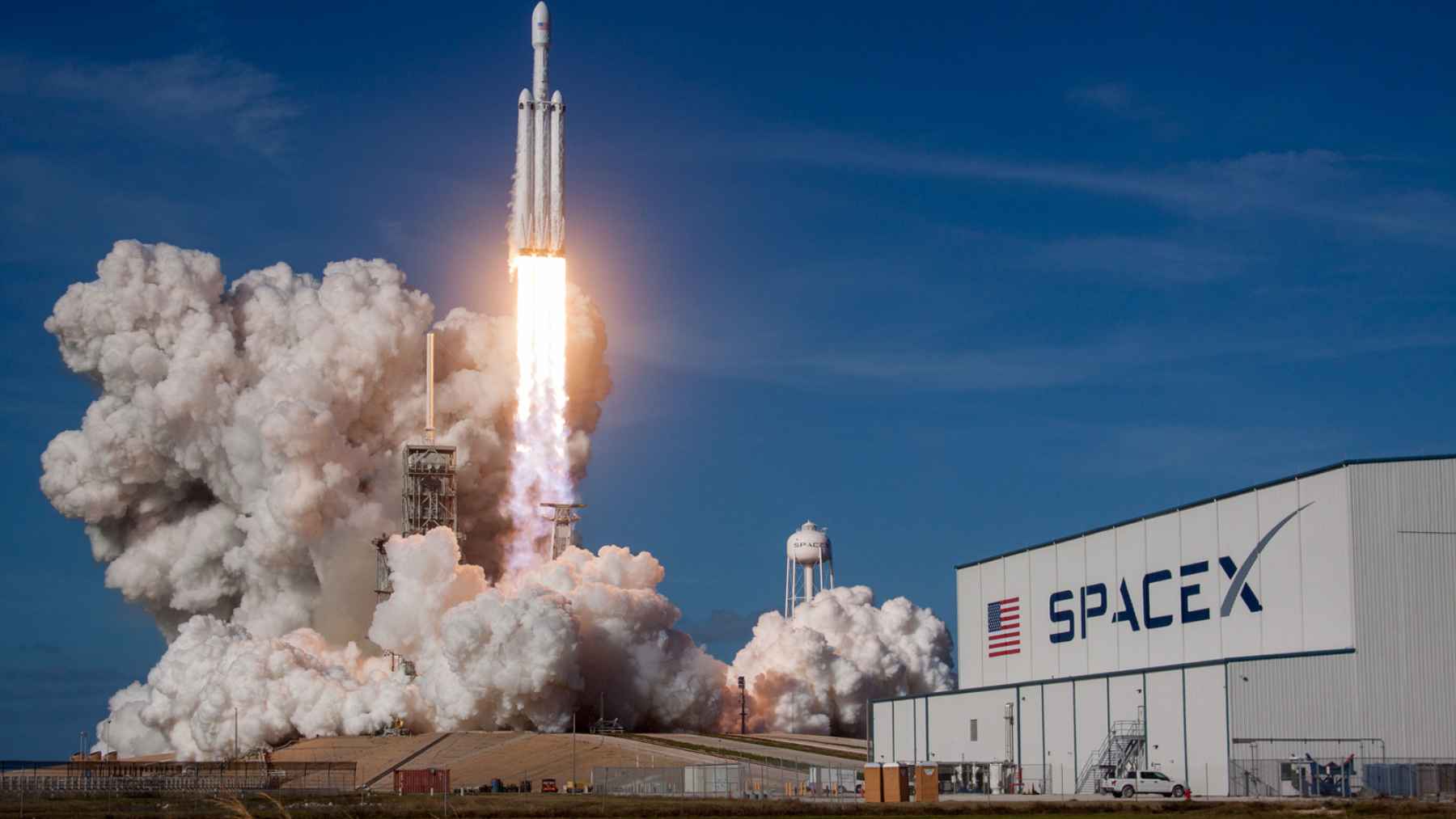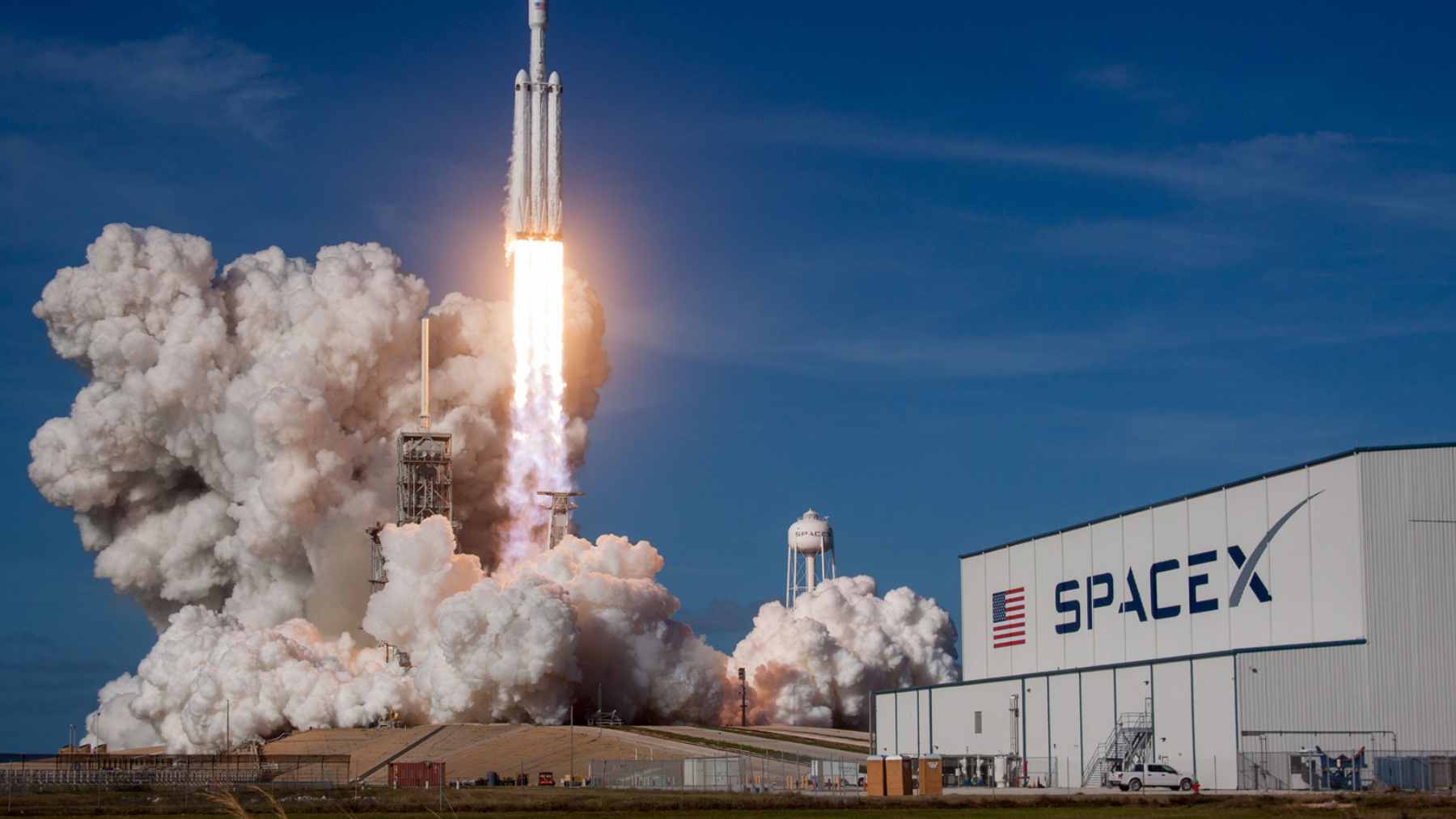
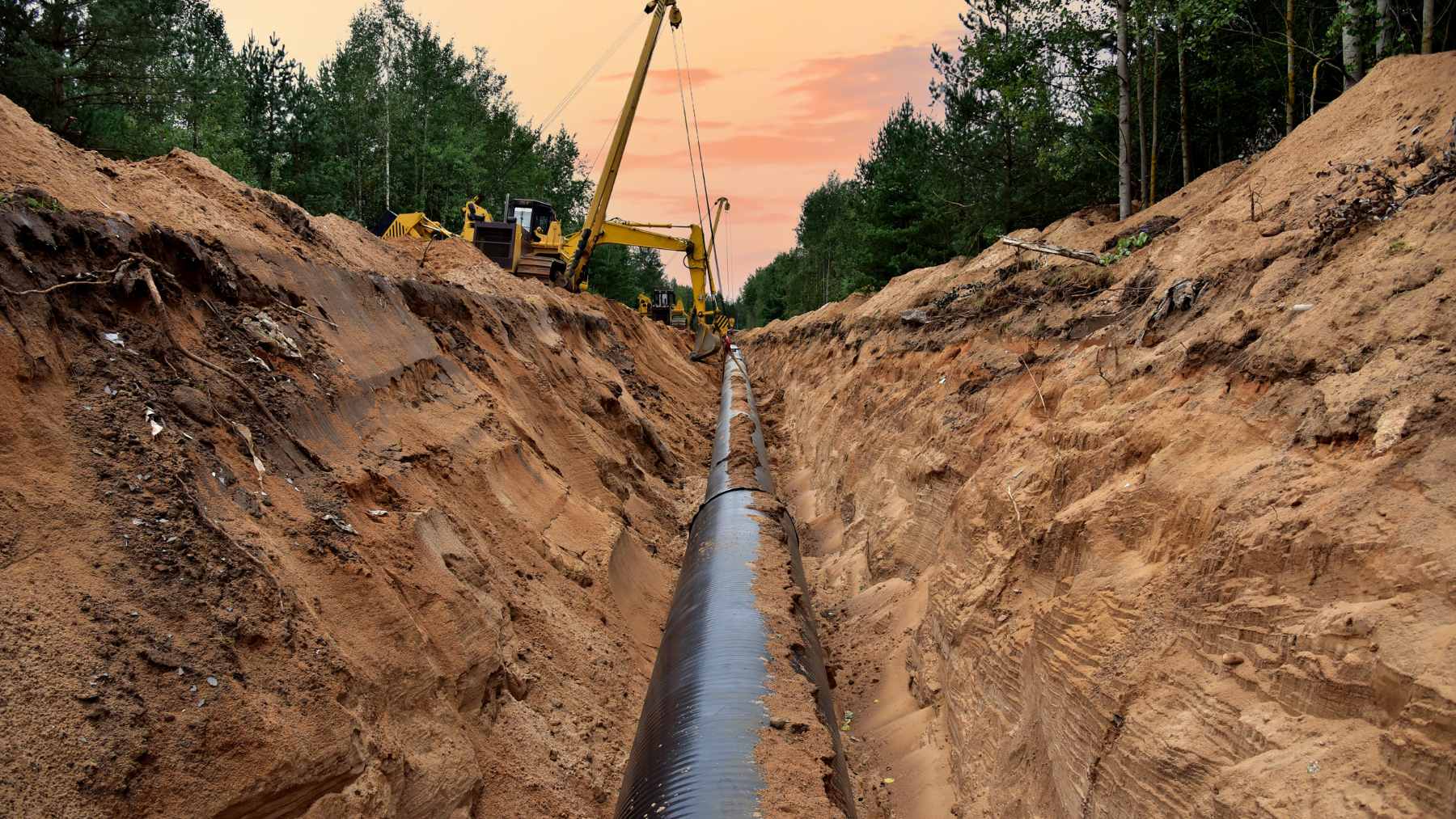
SpaceX is preparing to build an 8.11-mile natural gas transmission pipeline in Cameron County, Texas, and the project is bigger than a simple fuel shortcut. The line, named “Starpipe” in state records, is listed as a new 16-inch system by Lone Star Mineral Development, a SpaceX affiliate, with construction scheduled to start on July 7, 2026.
Why does a rocket company need a gas line? Because Starship, SpaceX’s massive next-generation rocket, uses about 630,000 gallons of liquid methane per launch, and Reuters reports that fuel is now brought in by hundreds of tanker trucks during an hours-long process.
That makes Starpipe not just a business move, but an environmental and infrastructure story sitting right at the edge of Boca Chica’s sensitive coastal habitat.
A fuel line for Starship
Starpipe would run to Starbase, SpaceX’s company town and launch hub in South Texas. Reuters reported that the pipeline is expected to be in service by Jan. 26, according to a document filed with the Texas Railroad Commission and reviewed by the news agency.
The timing matters. Starship has already completed a dozen test launches since 2023, and SpaceX wants to move from test flights toward a much faster launch rhythm for Starlink, future orbital AI data center satellites, and eventually missions to the moon and Mars.
More launches need more fuel
For now, the Federal Aviation Administration has analyzed and authorized a much smaller ceiling than SpaceX’s long-term ambitions. Under the current proposed action, the FAA said SpaceX could conduct up to 25 Starship and Super Heavy orbital launches per year from Boca Chica, along with up to 25 landings of each stage.
That is still a huge step up from the earlier five-launch framework. But the 16-inch Starpipe plan suggests SpaceX is thinking beyond today’s approved pace of growth, even if future launch increases would still need regulatory review. In practical terms, the pipe looks like a bet on scale.
Why methane matters
Methane is central to this story because it is both rocket fuel and a powerful greenhouse gas when released before combustion. The EPA says methane is more than 28 times as potent as carbon dioxide at trapping heat in the atmosphere over a 100-year period.
By the FAA’s own estimates, the expanded Starship operations it reviewed would produce about 107,300 U.S. tons of carbon dioxide equivalent per year, after conversion from the agency’s figures. The same table shows an increase of roughly 58,900 U.S. tons of carbon dioxide equivalent over the 2022 analysis, with methane venting listed as one of the major contributors.
Fewer trucks, bigger footprint
There is an obvious practical upside for SpaceX. A pipeline could reduce the need for long fuel convoys, cut down on repetitive tanker traffic, and make launch preparation less like filling a neighborhood gas station one truck at a time.
But that is only half the picture. Local reporting from the Rio Grande Valley Business Journal says the planned route would cross Port of Brownsville property, wildlife refuge wetlands, and the new city of Starbase near Boca Chica Beach. That’s where the environmental question becomes local, visible, and harder to wave away.
Wetlands are in the paperwork
A U.S. Army Corps of Engineers public notice for Starbase launch area expansion says SpaceX proposed about 21 acres of new infrastructure to support vehicle upgrades, higher launch cadence, and reusable launch and landing systems. The notice lists permanent impacts to wetlands and wind-tidal flats, with total impact stated at 18.15 acres.
SpaceX’s proposed measures include silt fencing, using existing paved areas where possible, and buying compensatory mitigation credits. The Corps notice also says SpaceX moved a proposed liquid methane storage facility to a southern parcel with more uplands, reducing one wetland impact by 0.89 acres.
SpaceX wants the whole chain
This is also a classic SpaceX move. Reuters reports that the company has signed more than 100 paid-up oil and gas leases with Texas property owners since 2023, while also exploring whether it could drill for its own natural gas.
That would push SpaceX deeper into a business usually handled by energy companies, not rocket makers. Texas oil and gas consultant Stan Lindsey told Reuters that drilling would be challenging for a company without oil and gas experience, but added that Starpipe gives SpaceX a “fallback position” if those plans fall short.
What to watch now
The key issue is not whether Starpipe makes operational sense. It almost certainly does for a company trying to turn Starship into a high-frequency launch system. The harder question is whether the fuel supply, methane handling, wetland mitigation, and future launch approvals can keep pace without putting too much pressure on the fragile coast around Boca Chica.
A pipeline is not just a pipe. In this case, it is a sign that the space race is becoming an energy race too, with the same old trade-offs between speed, cost, climate risk, and local land impacts.
The official pipeline construction report was published on the Railroad Commission of Texas website.