A forgotten strip of “road” in the New Zealand bush has just become a major roadblock for a proposed mine. In a new ruling, the Court of Appeal declared unlawful a 40-year council license that would have let OceanaGold build and fence off ventilation infrastructure on an unformed “paper road” running through Wharekirauponga Forest.
The decision matters well beyond one remote track, because it shows how old public access rights can collide with modern pressure to extract metals. Gold demand hit a record 5,002.3 metric tons in 2025, and the World Gold Council says technology demand stayed steady at about 323 tons, helped by continued growth in AI-related electronics.
A road that looks like forest
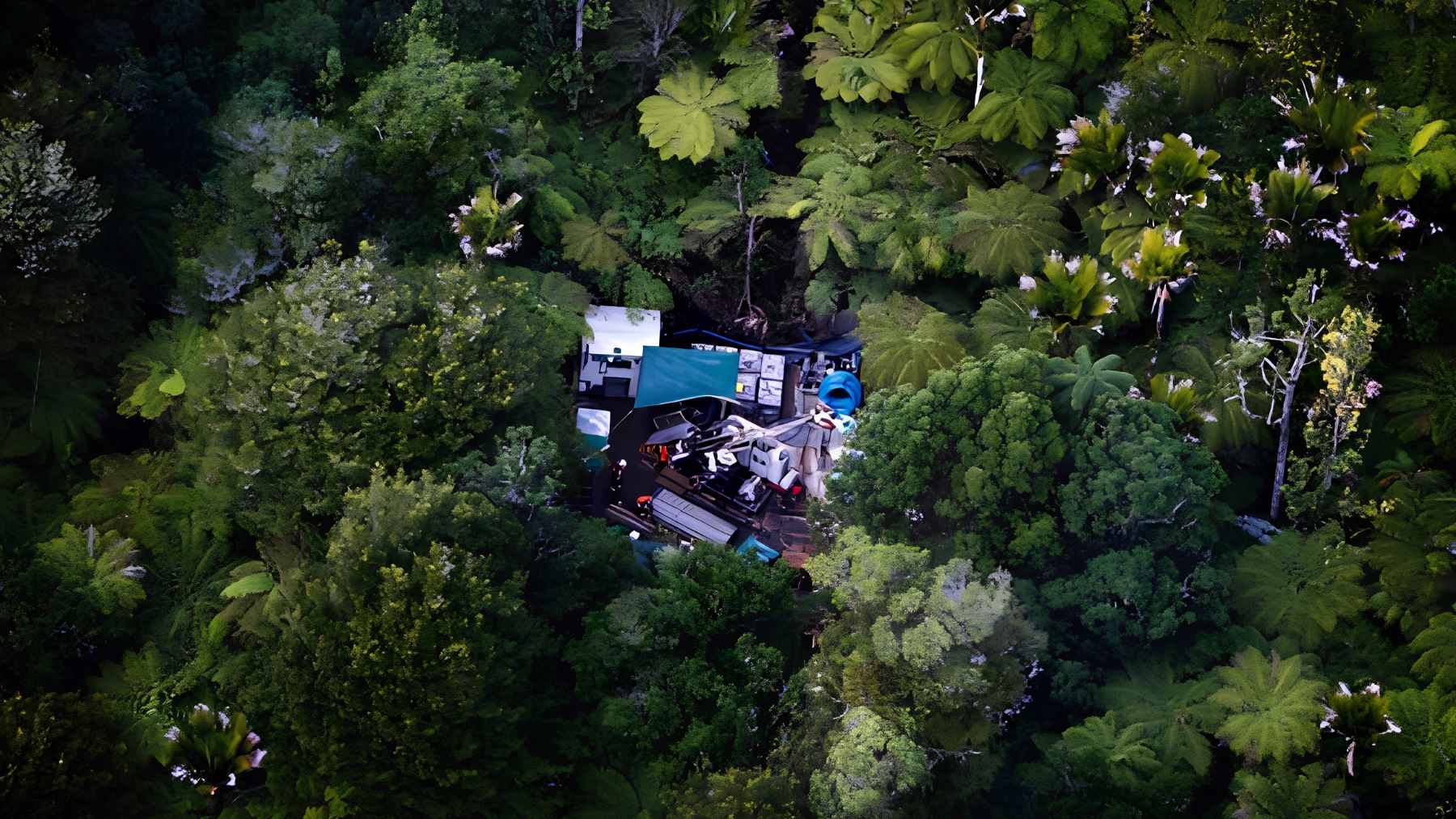
If you have ever followed a map that promised a road and then found nothing but weeds, you already understand the setup. The court notes that this unformed road is legally a road, but on the ground there is “nothing to distinguish it from the surrounding forest,” and even foot access is challenging.
The surrounding Wharekirauponga Forest is Crown land held for conservation under the Conservation Act 1987, and it sits within the Coromandel Forest Park under the Department of Conservation (DOC).
That location is the whole point, because it puts mining infrastructure right next to an ecosystem managed first and foremost for protection.
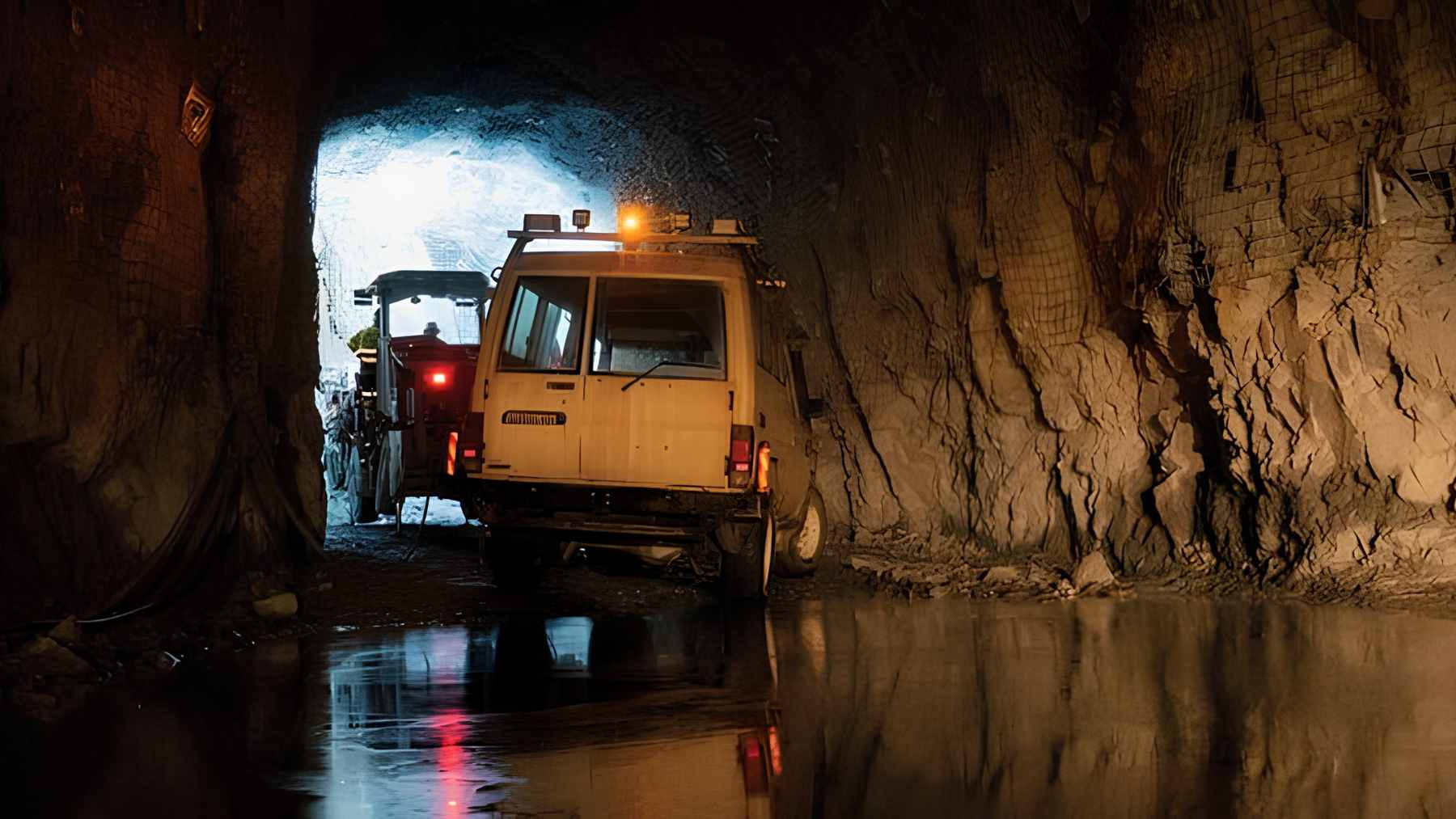
OceanaGold’s plan, as summarized by the court, is an underground mine accessed by an approximately seven-kilometer (4-mile) “dual-decline” tunnel from private land, plus up to four ventilation and escape shafts for health and safety. Each shaft would need an approximately eight-meter-high (26-ft.) funnel-like structure called an “evasé” at the top.
The legal line that could not be fenced
The Court of Appeal’s core message is blunt and surprisingly relatable. An unformed or long-unused “paper road” carries “the same legal public right of passage as any busy city street,” and adjoining landowners have no right to exclude the public from it.
The judges did not say nothing can ever be placed on a road, because real life includes utility works and temporary clutter. But they stressed that “the duration, scale and semi-permanence” of the proposed structures were decisive, especially with a 40-year term and fencing that would functionally remove part of the road from public use for decades.
In practical terms, the ruling treats this as more than a minor inconvenience in the woods.
The court points out that the final structures and perimeter fencing would traverse about 10 meters (32 ft.) of a road that is roughly 28 to 30 meters (91 to 98 ft.) wide, and it warns that infrastructure of that scale and longevity “fundamentally alters the character and availability of the road.”
Conservation rules and a suspected shortcut
One reason this fight got so intense is that mining on conservation land comes with extra gates. The court explains that a mining access arrangement from the Minister of Conservation is required for mining purposes, and that decision involves balancing conservation objectives, safeguards, and economic benefits.
According to the ruling, it was initially envisaged that OceanaGold would seek ministerial access for the ventilation shafts, but “this did not happen.” Instead, the company applied to the district council to build the shafts on the council-owned, unformed road, and DOC warned that granting such a license would undermine DOC’s legislative mandate to conserve the Wharekirauponga ecosystem.
The council’s answer, the court notes, was essentially that ecological effects would be assessed separately through the Resource Management Act consenting process.
That separation is exactly what made the case feel bigger than a local permitting dispute, because it raised the question of whether a “paper road” could be used to sidestep stricter conservation checks.
Why gold demand keeps raising the stakes
Mining disputes rarely stay local for long when the commodity price is hot. The World Gold Council reports that total gold demand in 2025 exceeded 5,000 tons for the first time, alongside a record run in prices that set 53 new all-time highs and pushed total demand value to an estimated US$555 billion.
That kind of market pulls investment toward new projects, even when permitting is messy and litigation risk is real. Reuters, reporting on the same World Gold Council data, ties the surge in investment demand to instability and trade jitters, with safe-haven buying a consistent theme.
Technology is not the biggest slice of gold demand, but it is not small either. The World Gold Council puts 2025 technology demand at 322.8 tons, including 270.4 tons used in electronics, and says AI-related electronics growth helped offset volatility in traditional consumer devices.
Tech and security are part of the same supply chain
It is easy to think of gold as jewelry or a financial hedge, but it is also embedded in daily tech in ways most people never see. The World Gold Council describes gold as used across AI hardware like processors, memory chips, and sensors, with corrosion resistance and conductivity valued for speed and durability in intensive applications.
And this is where the Military and Defense angle shows up, even if the courtroom argument was about roads. The same high-reliability electronics ecosystem that feeds data centers and satellites also underpins security-focused hardware, so any disruption in permitting and supply has knock-on effects far outside the forest.
New Zealand’s own fast-track project summary for “Waihi North” shows how wide the footprint of a modern mine can become, listing an underground mine with ventilation or escapeway shafts, plus an open pit on private land and additional tailings and rock storage facilities.
OceanaGold, for its part, has said the Waihi North project includes a 6.5-km (4-mile) twin incline and that initial plans placed two ventilation shafts in the Coromandel Forest Park.
What this ruling changes next
The Court of Appeal decision does not declare the whole mining concept impossible, and it does not rewrite New Zealand’s mining laws overnight. It does, however, warn councils and companies that a remote, unformed road cannot be treated like spare real estate just because hardly anyone walks there today.
It also hints at the complicated chessboard ahead, because the ruling notes OceanaGold had applied for approval under the Fast Track Approvals Act 2024 and that such approval could potentially have made the appeal moot at the time.
For now, the message is that process matters, and the “ghost roads” on old maps can still carry very real public rights.
The judgment was published on CourtsofNZ.