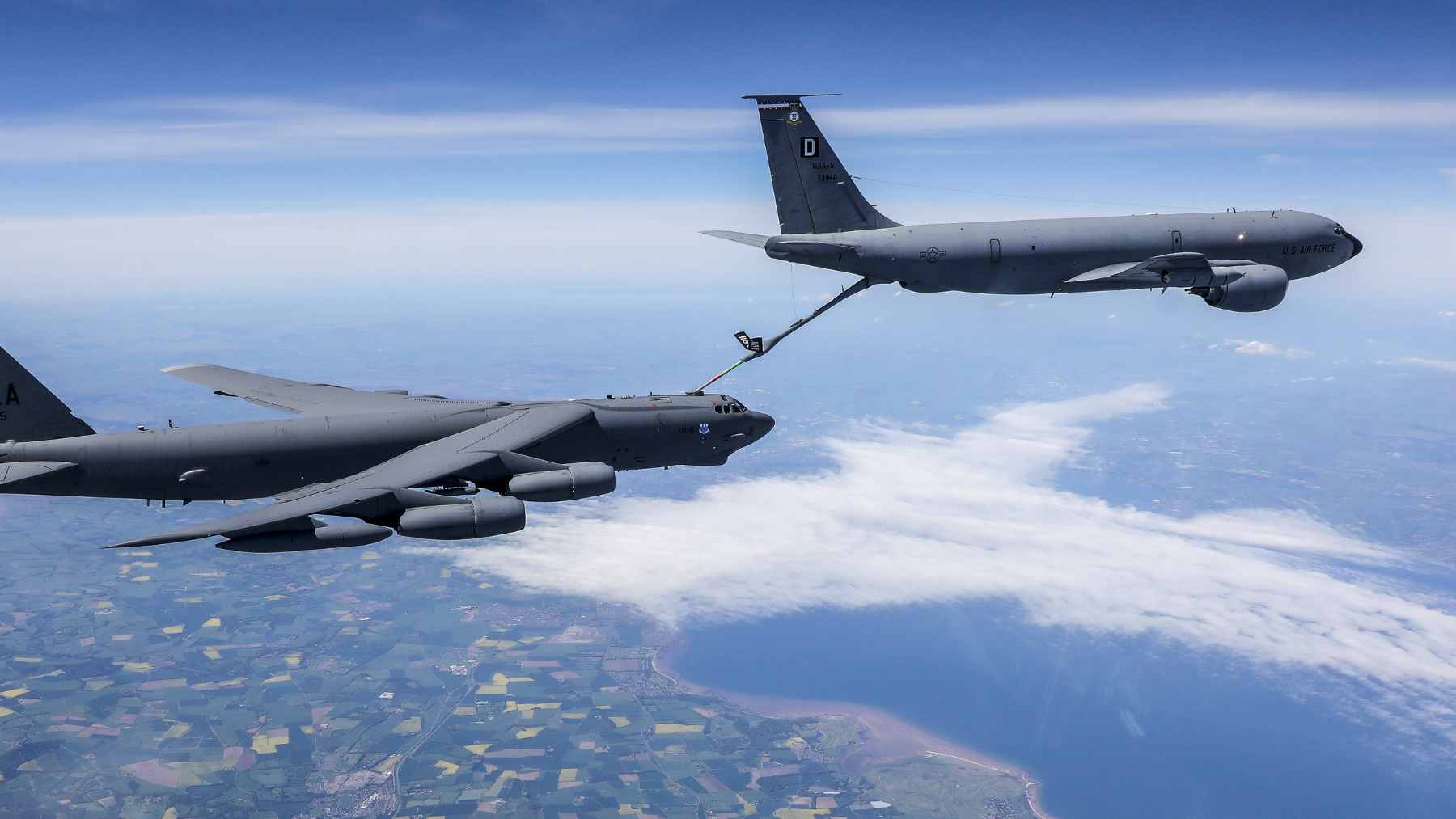
U.S. military leaders say American B-52 bombers are now flying overland missions as air superiority expands over Iran, a shift that points to growing freedom of movement in contested airspace. At a Pentagon briefing, Air Force Gen. Dan Caine said U.S. forces had struck “more than 11,000 targets” in 30 days and had begun “the first overland B-52 missions.”
That headline is about strategy, but there is another layer most people never see. Every long-range strike campaign runs on fuel, and the carbon footprint rises with the tempo.
At the same time, the Air Force is spending billions to keep this 1950s-era aircraft relevant, including new engines and a major radar upgrade, and those upgrades are quietly tied to energy efficiency and logistics as much as firepower.
Air superiority and emissions
When commanders say air superiority is expanding, it often means more missions can push deeper and stay longer, with fewer detours and less standoff distance. Caine’s briefing framed the new B-52 overland flights as a direct result of that changing air picture.
Here’s the part that is easy to miss: a Congressional Research Service report has put the B-52H’s fuel burn at roughly 3,500 gallons per flight hour, which is a startling number once you picture it as tanker trucks of jet fuel feeding a single aircraft. Multiply that across a high-tempo month, and the “invisible” emissions stack up fast.
And it is not just one platform–research highlighted by Brown University’s Costs of War project has argued the Department of Defense is a major institutional consumer of fossil fuels, with jet fuel making up a large share of Pentagon energy use, and it estimates the Pentagon emitted about 1.3 billion tons of greenhouse gases from 2001 to 2017.
Fuel as a vulnerability
In modern warfare, fuel is not just a cost, it is a supply chain that can be targeted, disrupted, and slowed, and that is why militaries obsess over range, reliability, and tanker support even when budgets are flush.
There is also the simple money angle, the one taxpayers feel indirectly the same way they feel a higher electric bill or a painful spike at the gas pump.
The CRS report notes that if oil rises by $10 per barrel, annual DoD operating costs can increase by about $1.3 billion, with the Air Force alone rising by about $600 million, based on the report’s cited assumptions.
That helps explain why “efficiency” keeps showing up inside weapons modernization plans. If a bomber needs fewer refueling hookups, that is fewer tanker sorties, fewer logistics tails, and fewer chances for something to go wrong. In practical terms, fuel burn becomes part of readiness.
Modernizing a legacy bomber
The business side of this story is not subtle. A War Department contract notice dated Dec. 23, 2025 shows Boeing Defense Systems received a task order worth over $2 billion tied to the B-52 Commercial Engine Replacement Program, including system integration work and the modification and testing of two B-52 aircraft with new engines, with work expected to run through May 31, 2033.
From the technology side, the Pentagon’s own testing watchdog is blunt about what the new engines are supposed to deliver.
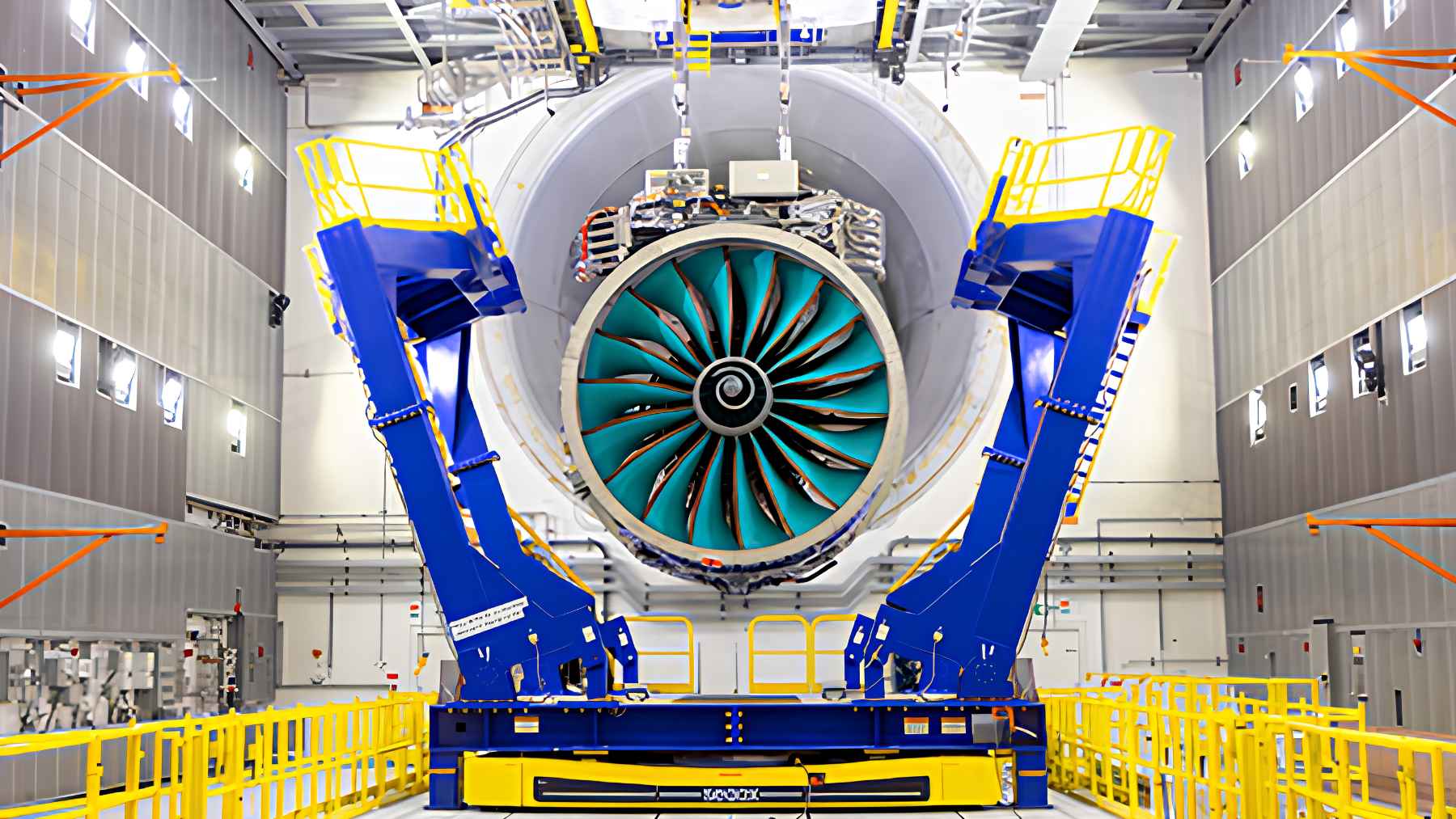
In its FY2025 annual report entry on the B-52J Commercial Engine Replacement Program, DOT&E says the program replaces TF33 engines with Rolls-Royce F130 commercial-derivative engines to increase reliability and reduce sustainment costs, while also increasing fuel efficiency and electrical power generation capacity with modern digital controls.
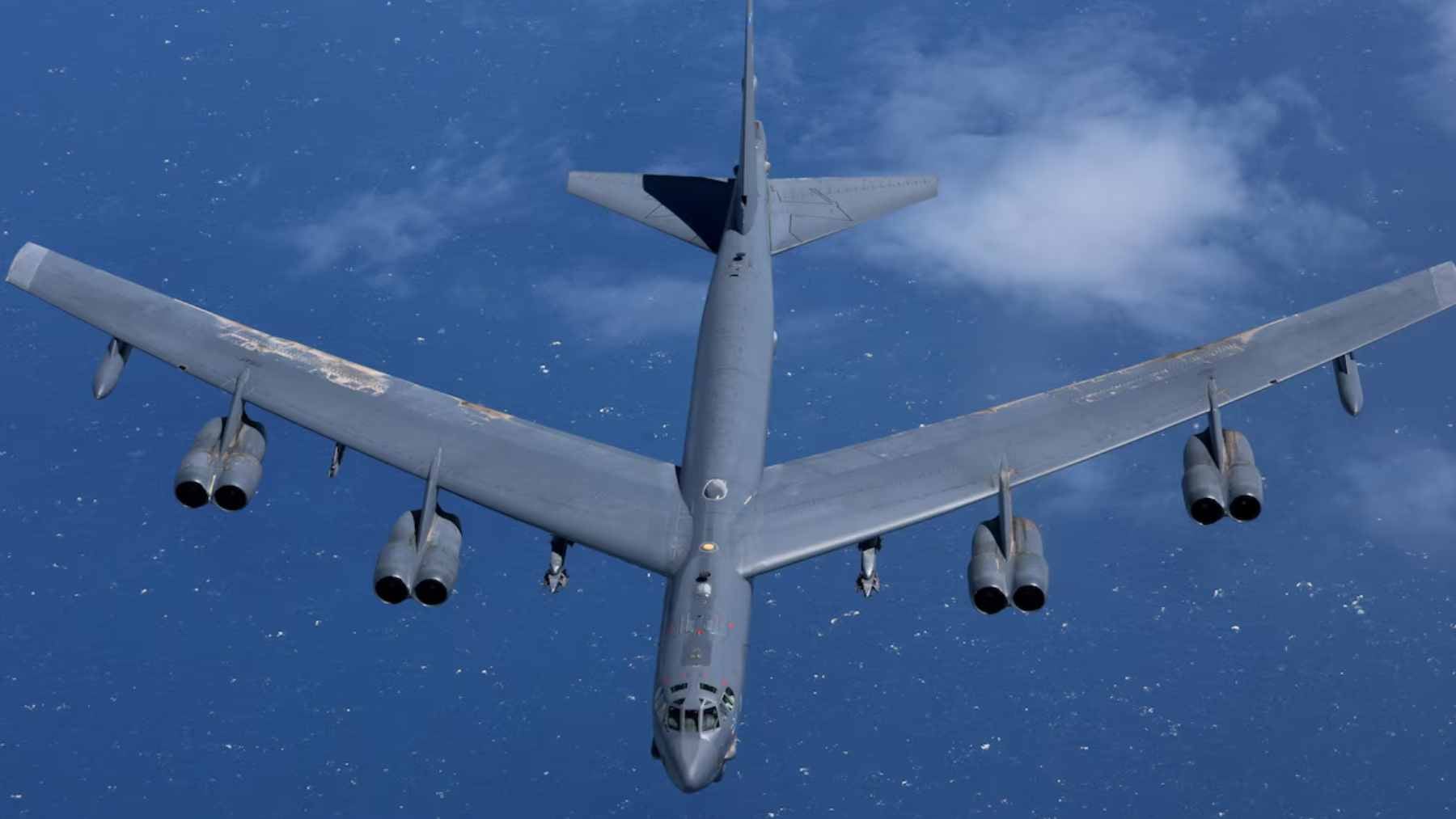
The radar upgrade is moving in parallel, and it matters for survivability and precision.
An Air Force release in December 2025 said a B-52 completed a ferry flight after installation of a modernized AESA radar as part of the Radar Modernization Program, with testing activities planned through 2026, and it described the upgrade as part of keeping the bomber viable through 2050 and potentially beyond.
The accountability gap
The climate question is not whether militaries should operate, but whether the environmental cost is being measured honestly and reduced where possible.
Costs of War research argues that war and preparations for war carry a massive emissions footprint, and it has pushed the debate over how military emissions are tracked in the first place.
It is not as if the Air Force has never tried alternatives. In 2006, the service publicly discussed B-52 flight tests using a synthetic fuel blend, part of an effort to explore alternatives to conventional petroleum-based fuel. The hard part is scaling anything across global operations without compromising safety, performance, or supply reliability.
So what should readers keep in mind as this conflict continues? High-tempo air campaigns are not just a geopolitical story, they are also an energy story, and modernization spending can lock in either higher or lower fuel demand for decades.
The official statement was published on U.S. Department of War.