A dark stain on a kitchen wall can look harmless at first. Maybe it came from steam after dinner, or maybe water is quietly slipping through a pipe, gutter, or crack behind the paint.
That is why a simple aluminum foil test is getting attention from building specialists. Tape a square of foil over the suspect spot for 24 to 48 hours, then check which side is wet. It will not replace a home inspection, but it can point you toward the right problem before moisture turns into mold, wasted energy, or costly repairs.
Researchers at Chalmers University described the foil method in a 2017 review of humid walls, noting that moisture behind the foil suggests water is leaking through the wall, while moisture on the room-facing side points to high indoor humidity.
Why foil works
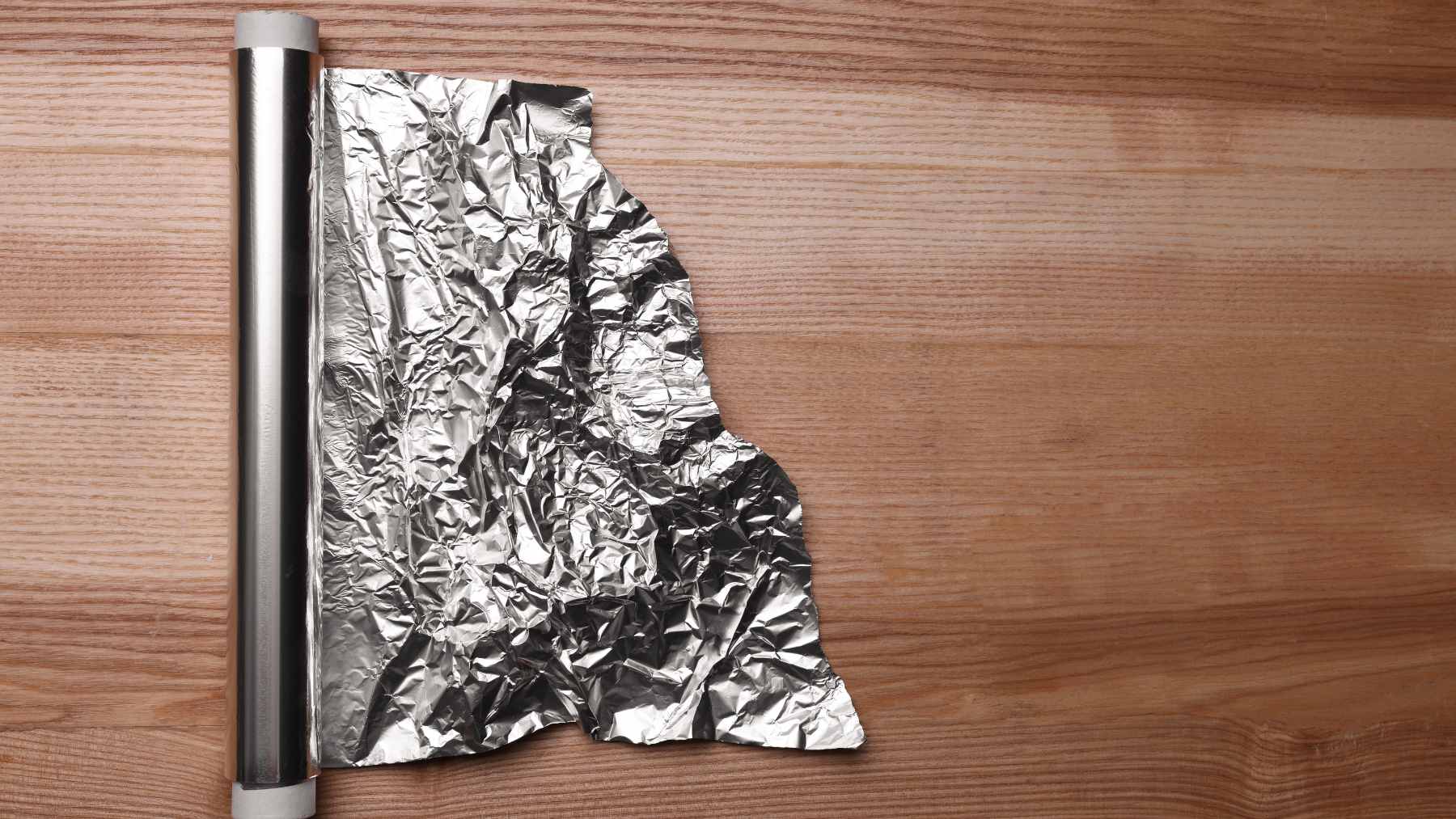
Think of the foil as a tiny raincoat for your wall. Once it is taped down and sealed at the edges, it blocks normal air movement and slows evaporation in that small area.
That matters because wall moisture usually comes from two different places. It can come from outside the room, such as rainwater, groundwater, or a pipe leak, or it can come from inside the room, such as cooking, showers, laundry, and everyday breathing in a poorly ventilated home.
The Chalmers review identifies both external moisture and indoor humidity as major causes of humid walls.
How to read it
After a day or two, peel back the foil and look carefully before wiping anything away. If the side facing the wall is wet, water is likely inside the wall material. If the side facing the room is wet, indoor air is probably condensing on the cooler foil.
What if both sides are wet? That is when things get trickier. You may be dealing with a leak and humid indoor air at the same time, especially in basements, older kitchens, bathrooms, or rooms with poor ventilation.
A white, chalky powder can be another clue. The National Park Service says damp masonry affected by capillary action often shows a whitish efflorescence mark, which forms as moisture carries salts to the surface and then evaporates.
How to try it
You do not need special equipment. Use aluminum foil, strong tape, a dry cloth, and your phone camera so you can compare the stain before and after.
Dry the area gently first. Then tape a square of foil over the stain, roughly 12 inches wide or large enough to cover the suspicious patch, and seal the edges so air cannot move underneath. Leave it alone for 24 to 48 hours.
This is the important part. Do not spray the wall, heat it with a hair dryer, or paint over it while you wait. The whole point is to let the wall tell you what is happening.
If it is condensation
Condensation is usually a humidity and airflow problem, not a mysterious hidden leak. In practical terms, that means the fix may start with fans, ventilation, insulation, and a cheap humidity gauge.
North Carolina State Extension notes that the EPA suggests keeping indoor relative humidity below 60 percent, with 30 to 50 percent working best for many homes. That range can help reduce the chance that steam from pasta water, hot showers, or damp laundry will settle on a cold wall.
Use kitchen and bathroom exhaust fans, and let them run for a while after the steam seems to be gone. Also, on days when the outdoor air is drier, cracking a window for a few minutes can help. Small habits matter.
If it is a leak
If the wall side of the foil is wet, treat it as a warning sign. The source could be plumbing, roof runoff, clogged gutters, poor drainage near the foundation, or cracks that open up during heavy rain.
The EPA’s guidance is blunt about timing. When wet or damp materials are dried within 24 to 48 hours after a leak or spill, mold usually does not grow, and the agency sums up the larger rule in a simple line, “Moisture Control is the Key to Mold Control.”
That means the stain is not the first thing to fix. The leak is. Paint can cover a mark for a while, but if the water source remains, the stain will probably return.
Why this is an energy issue
Wet walls are not just ugly. They can also make a home perform worse, especially in an era when builders and homeowners are trying to make houses tighter and more energy efficient.
The Chalmers review found that moisture content affects thermal resistance, and in its examples, increased moisture reduced thermal resistance by 25 percent in brick walls and 20 percent in concrete walls. Less thermal resistance means heat moves through the wall more easily, which is the opposite of what you want when paying to heat or cool a home.
The U.S. Department of Energy also says moisture control can make a home more energy efficient, more comfortable, less expensive to heat and cool, and less likely to develop mold. Not bad for a problem most people first notice as a weird spot near the baseboard.
Why health experts care
Mold is not guaranteed every time a wall gets damp. But persistent moisture raises the odds, especially in dark, hidden spaces behind drywall, cabinets, insulation, and trim.
The CDC says mold can cause symptoms such as a stuffy nose, sore throat, coughing, wheezing, burning eyes, or skin rash in some people, and that people with asthma or mold allergies may have more severe reactions.
NIOSH has also linked exposure to building dampness and mold with respiratory symptoms, asthma, hypersensitivity pneumonitis, rhinosinusitis, bronchitis, and respiratory infections. The World Health Organization’s indoor air guidance similarly reviews health problems tied to building moisture and biological agents.
A clue, not a verdict
The aluminum foil test is useful because it is cheap, fast, and easy to understand. It gives homeowners a first clue before they spend money on moisture meters, infrared cameras, repairs, or professional inspections.
Still, it has limits. A dry foil test does not prove the house is fine, especially if stains come and go with storms, seasonal humidity, or a slow plumbing leak that only appears at certain times.
At the end of the day, the foil is not the cure. It is the early warning.
The study was published on Chalmers Research.