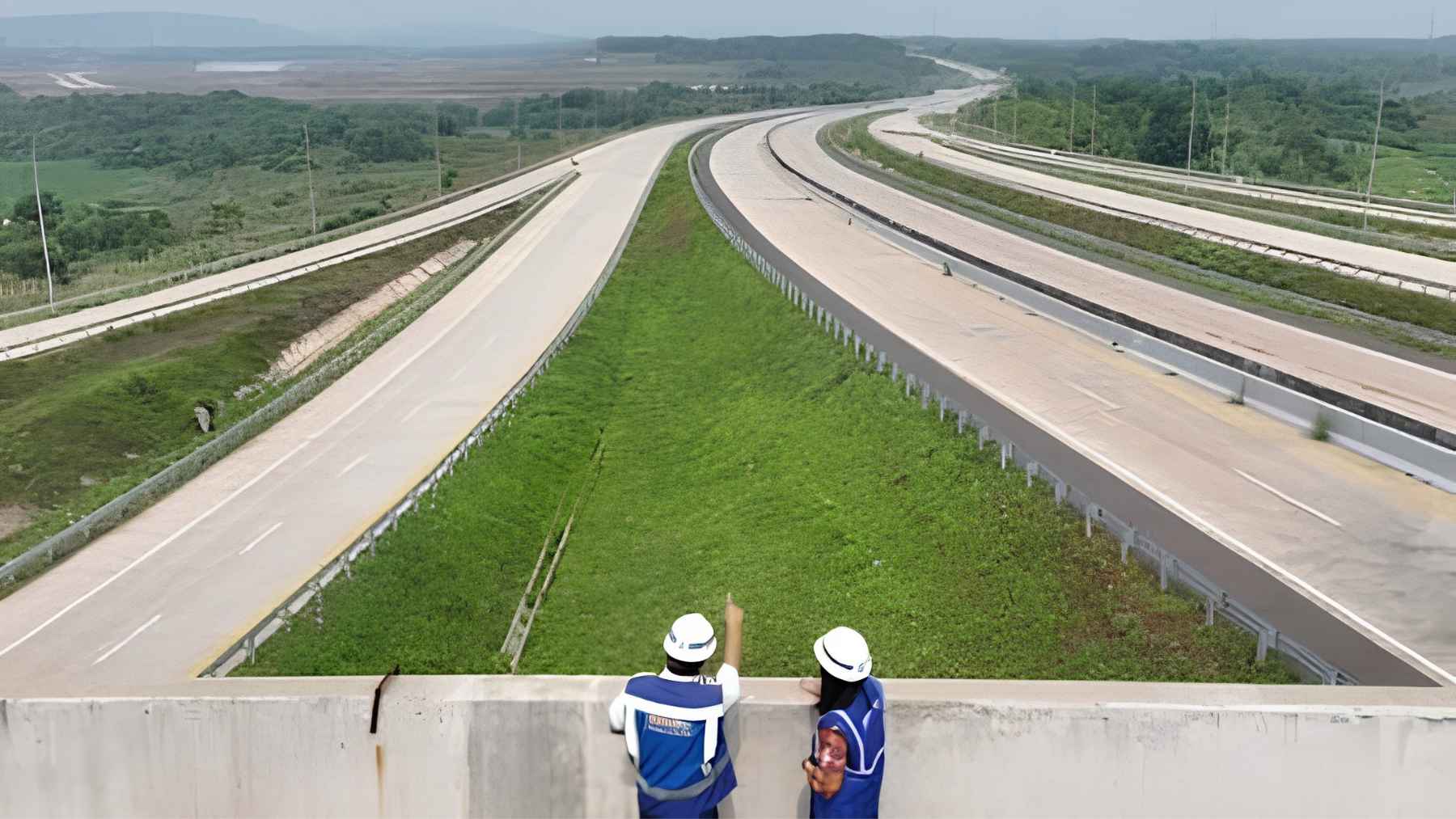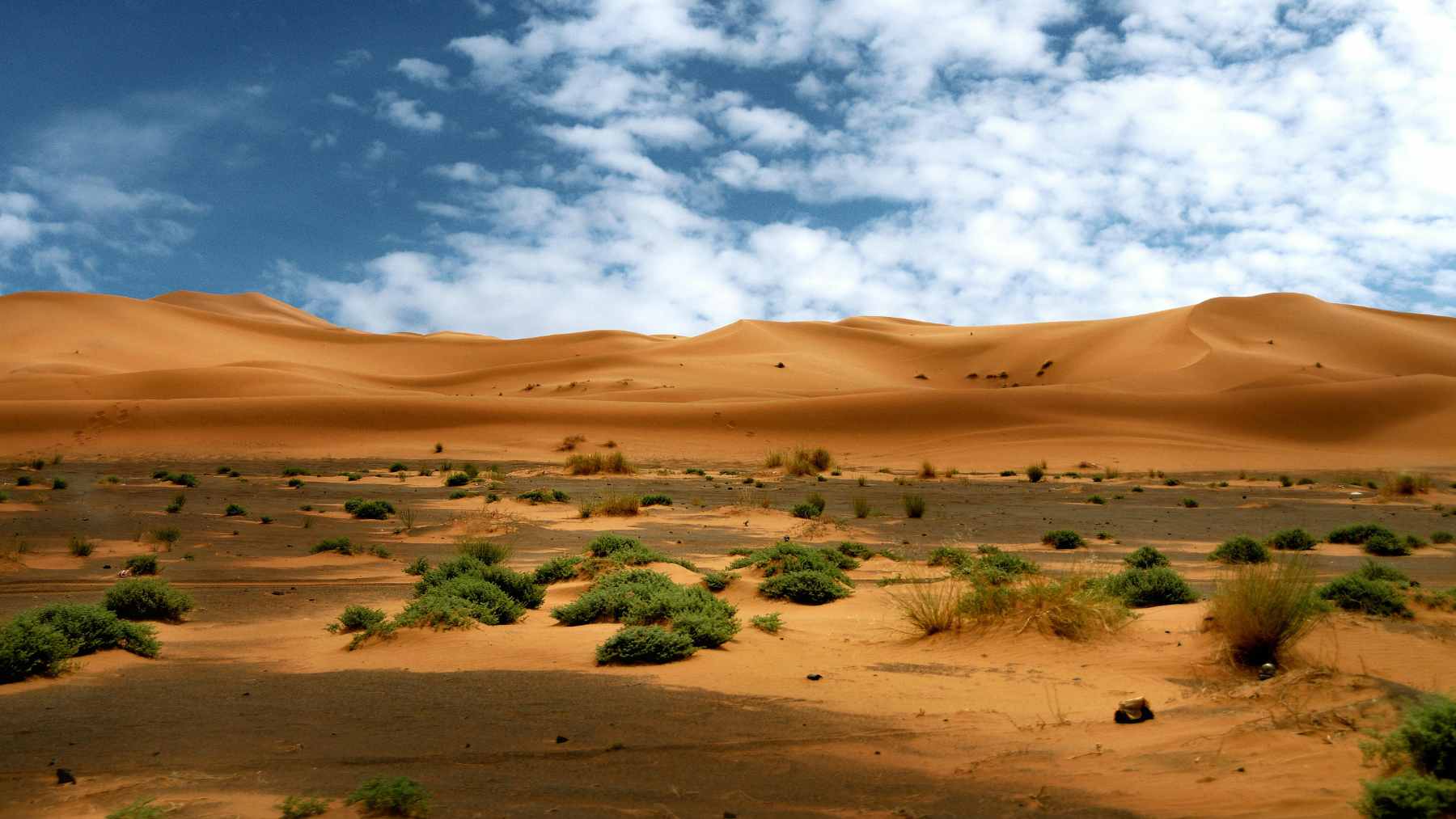
A team linked to the Chinese Academy of Sciences says it has a new way to slow desertification in northern China.
Researchers at the Shapotou Desert Research and Experiment Station have developed solid cyanobacteria “soil seeds” that form artificial biological soil crusts, helping lock down loose sand and create a base for plants.
The claim comes with timelines that are easy to understand. In official reporting, the team says the approach can cut sand fixation from “century-long” efforts to about three years, while separate field reporting describes stable crusts forming in roughly 10 to 16 months when paired with older dune control methods.
A “soil seed” that moves like a product
Cyanobacteria can thrive in a lab. But Zhao Yang, deputy head of the Shapotou station, says that when they were moved onto shifting dunes they “disappeared completely within less than a week” because mobile sand can tear up the biofilm.
The team’s first workaround was pressurized spraying that injects cyanobacteria into gaps between sand grains. Zhao says that reduced crust formation time from about 15 years under natural conditions to one or two years, with a survival rate above 60% , but the equipment needed electricity and road access.
So they shifted to something you can actually ship. They mixed cyanobacteria solution with organic matter and fine particles into a paste-like solid inoculum, and Zhao compared the process to “mixing cement” where the ratios matter.
How living crusts make sand behave
Biological soil crusts, often called “biocrusts,” are thin living layers made up of organisms such as cyanobacteria, microalgae, fungi, lichens, and moss. They sit in a sticky matrix that helps bind particles, resist erosion, and improve water and nutrient dynamics near the surface.
A long-term, 59-year case study in Soil Biology and Biochemistry tracked natural and induced crusts to map how they change over time. The authors describe inoculation as a way to accelerate succession from decades to years by boosting functions tied to carbon and nitrogen fixation.
This is not a niche issue. The same paper notes that drylands can make up as much as 40% of Earth’s terrestrial surface, and it points to biocrusts covering a large share of those landscapes.
Business stakes in a warmer, dustier economy
Xinhua reports that under natural conditions, biocrust formation can take 10 to 20 years. With lab-cultured cyanobacteria, that process can be shortened to about one year, and stable artificial crusts can form in 10 to 16 months when combined with “straw checkerboard” dune grids.
In treated areas, Zhao says wind erosion dropped by more than 95%, shrub survival rose by 10% to 15%, and seedling replacement fell by nearly 40%, which cuts the cost of sand control. If you have ever cleaned gritty dust off a windshield after a windy day, you already know what that kind of reduction is worth.
Scale is starting to show up in planning. The CAS report says the solid inoculum has been incorporated into a new phase of the Three-North Shelterbelt Program, with an expected 80,000 to 100,000 mu of desert rehabilitation in five years, which is about 5,333 to 6,667 hectares (roughly 13,000 to 16,500 acres).
Military and defense implications are hard to ignore
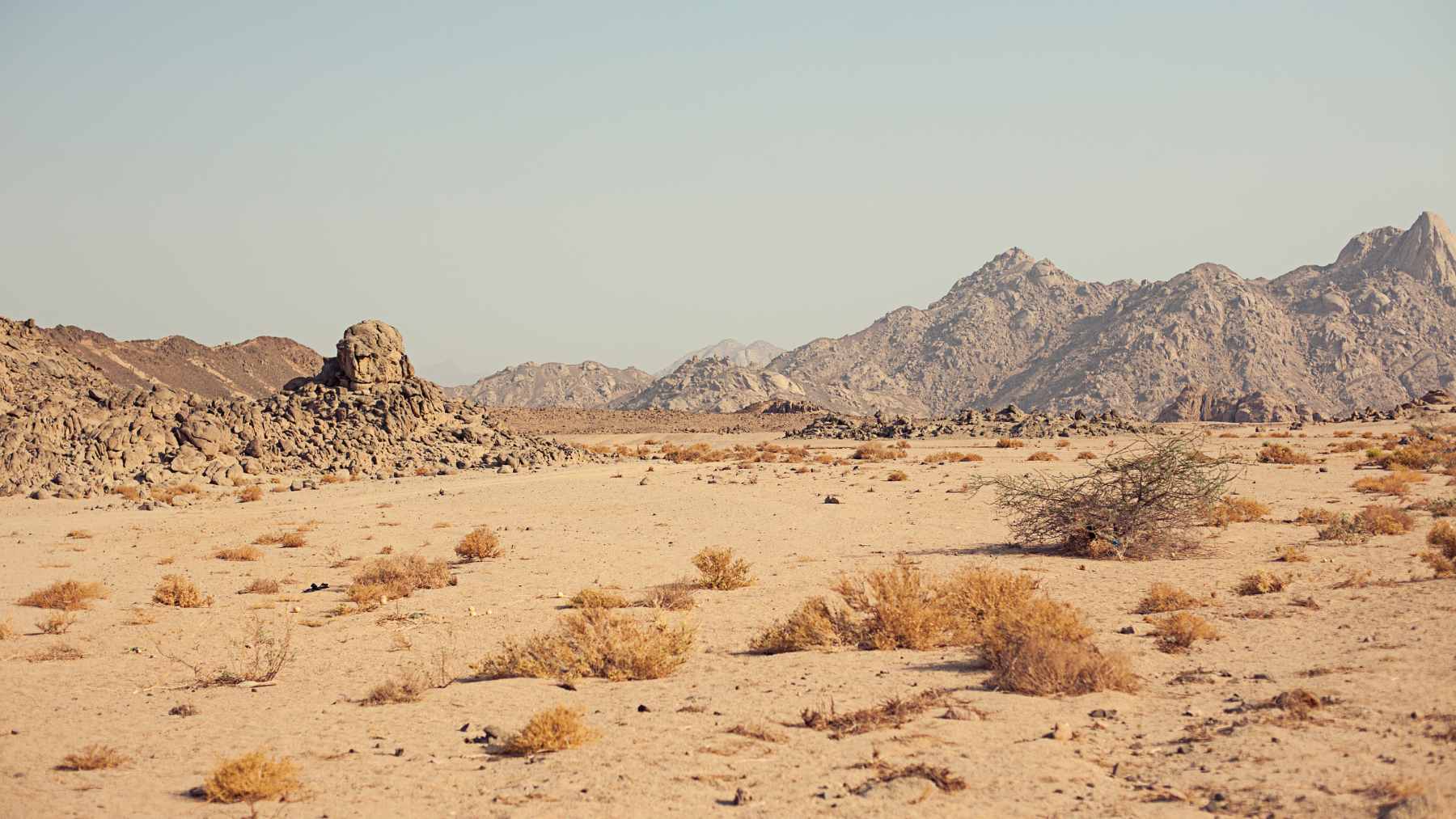
Why would defense analysts read a story about microbes and sand? Because dust is operational friction, it wears down engines, clogs ventilation, and can reduce visibility for sensors and pilots, especially around airstrips and remote outposts.
Xinhua’s reporting places this work along major corridors, including areas bordering the Tengger Desert and the shelter belts protecting the Lanzhou-Baotou Railway. Stabilizing dunes around transport arteries is not just an environmental win, it is also a resilience play for logistics.
The CAS account adds a detail that matters in security settings. Early spraying methods were limited by electricity and roads, and some places were “inaccessible by vehicle,” which is why portable solid “seeds” became the focus.
The tech questions that decide whether it goes global
The story is promising, but field biology rarely behaves on schedule. Xinhua notes summer ground temperatures can reach about 70 degrees Celsius in parts of Ningxia, and that kind of heat has historically crushed sapling survival, so the crust has to endure the extremes before plants can take over.
There is also a governance question hiding in plain sight, and it gets more important as the idea travels beyond China. Introducing lab-cultured strains into open ecosystems raises concerns about unintended spread and long-term impacts, so monitoring needs to be part of the rollout.
Xinhua describes systems that combine satellite imagery, drone surveys, and ground sensors to track vegetation coverage and soil moisture in real time, alongside more automated equipment fleets for desert work.
For now, the safest takeaway is that desert restoration is getting a tool that looks more like biotech than bulldozers, and it could ripple into markets and security planning.
The official statement was published on Chinese Academy of Sciences.