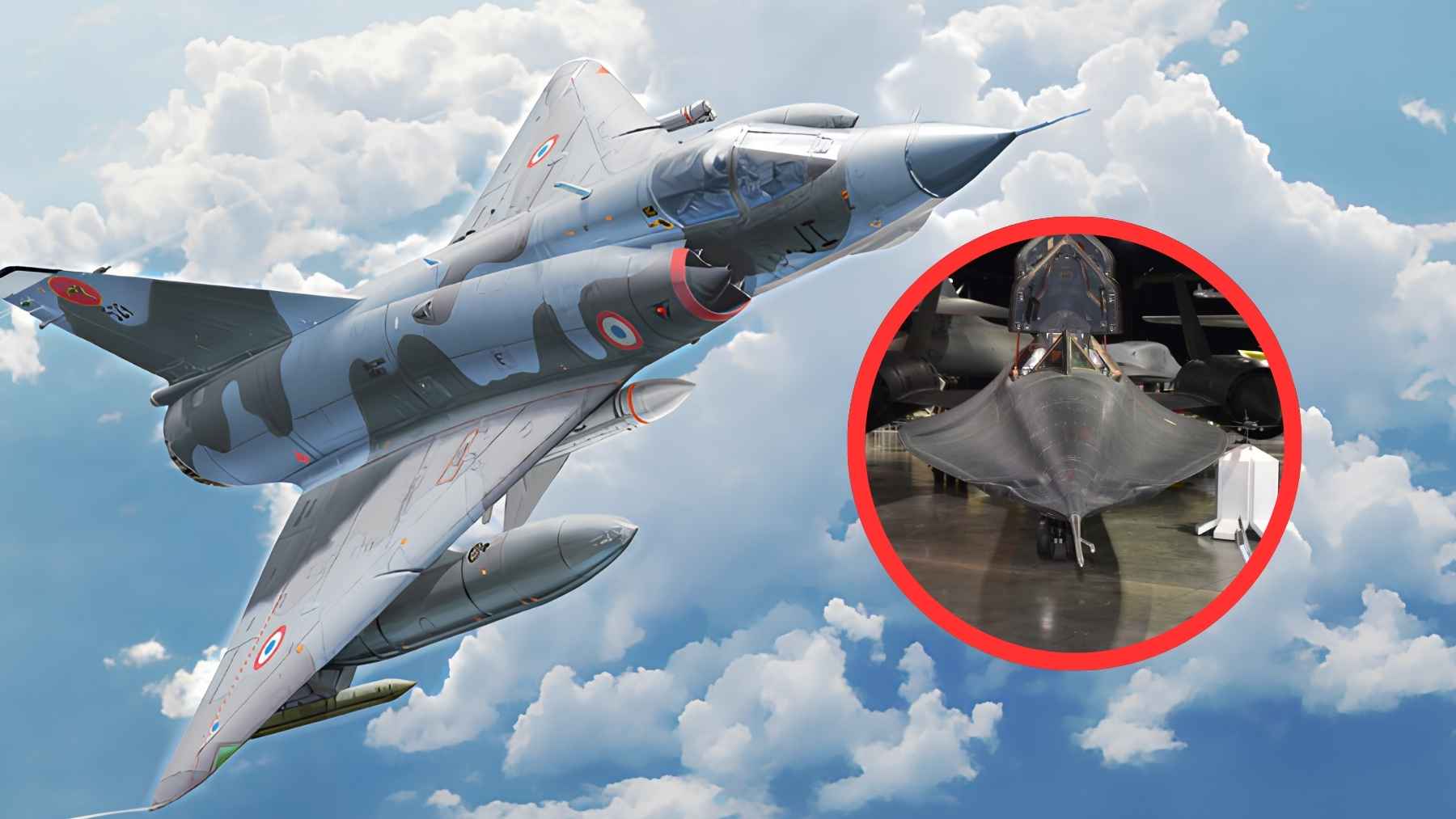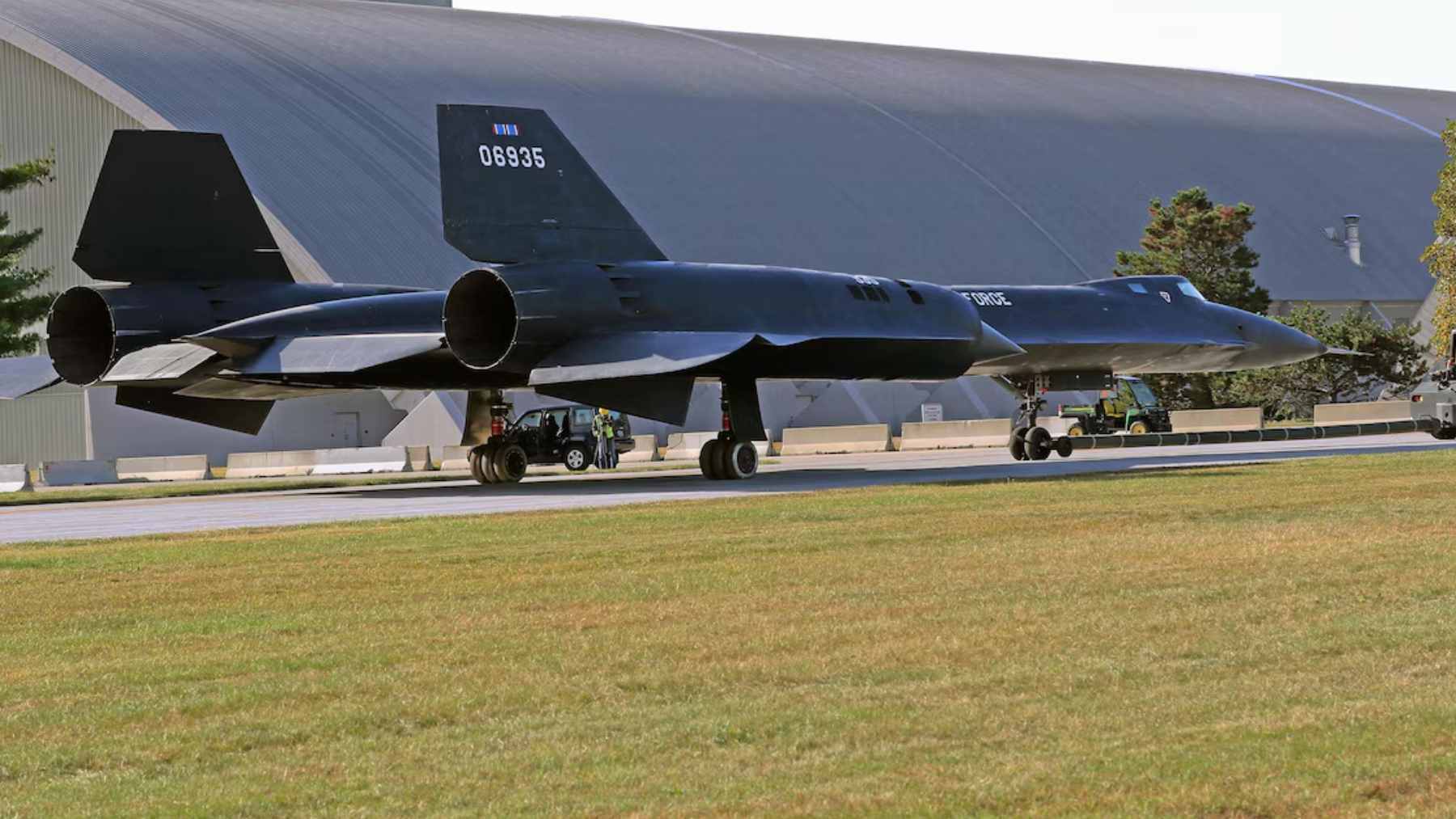
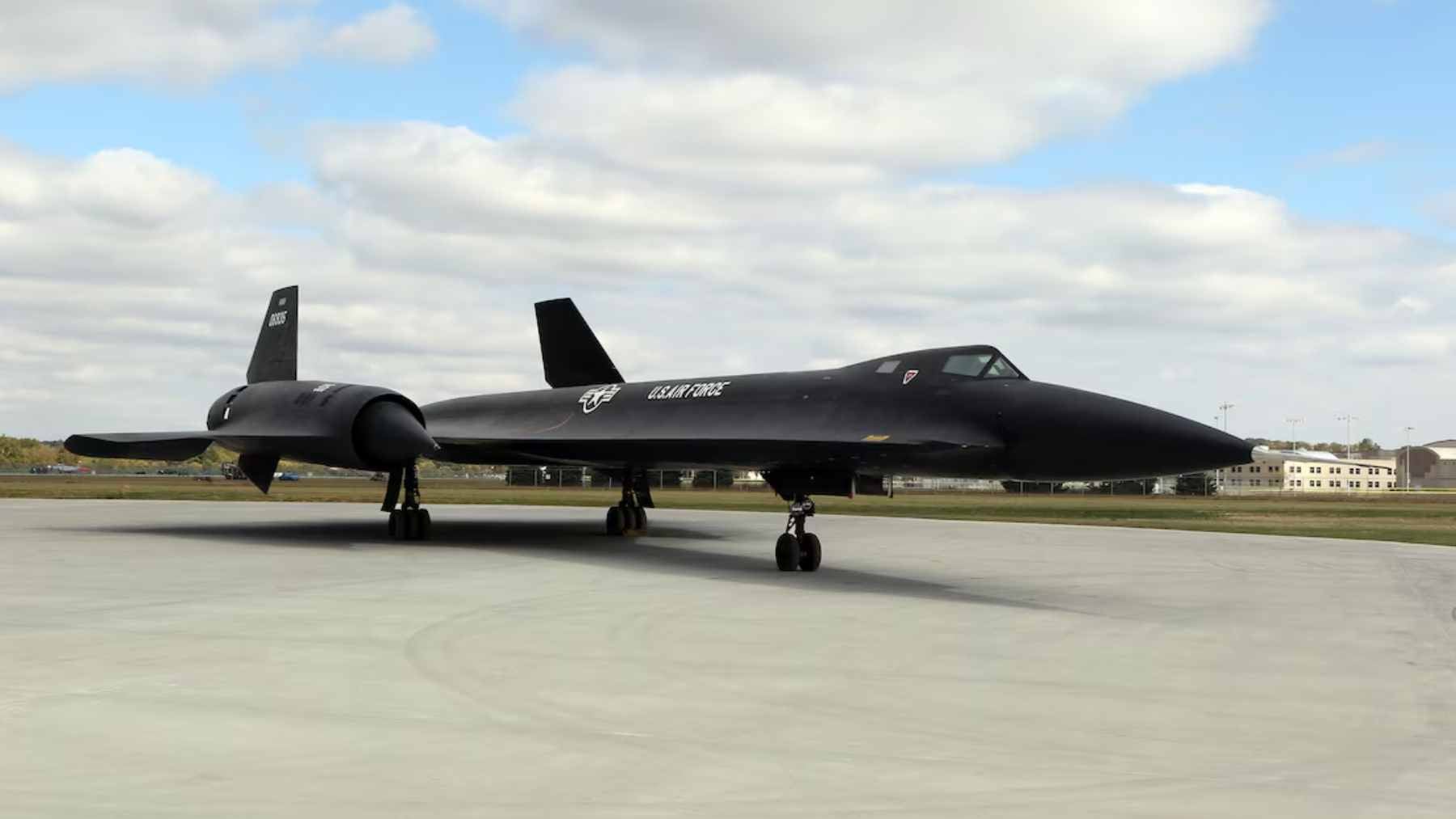
In the mid 1960s, Lockheed’s YF-12A pulled off a test that still feels modern. Flying at about Mach 3.2 around 75,000 feet, it launched a missile that hit a QB-47 target drone flying roughly 500 feet above the ground. Why bring up a half century old shot now?
Because the Pentagon is chasing speed again, and today’s push is happening in a world that counts emissions and energy risk. “Faster” is not just about survivability, it is about fuel, materials, and the infrastructure that keeps everything moving. That is where ecology, defense, and business start to overlap.
A missile shot that made Mach 3 look practical
That YF-12A engagement was more than a headline. It showed a high-flying interceptor could still go after a target hugging the terrain, the kind of flight profile designed to hide in ground clutter. In practical terms, it was an early example of long-range air defense reaching down into low-altitude airspace.
The aircraft was built around speed as protection. The National Museum of the U.S. Air Force notes the YF-12 was developed as a high-altitude Mach 3 interceptor, and in May 1965 prototypes set records of 2,070.101 mph and 80,257.65 feet.
The same museum points out the interceptor program ended in early 1968, largely due to cost and shifting priorities.
Heat is the real enemy at extreme speed
At Mach 3 and above, the airframe fights heat all the time. The Air Force museum says air friction heated the YF-12’s skin to more than 500° F, and titanium alloys made up 93% of its structural weight. Those numbers explain why speed is expensive even before you talk about fuel.
That thermal problem is back in the hypersonic era. In May 2026, Reuters reported the U.S. Army awarded Leidos a $2.7-billion contract that includes work on thermal protection for hypersonic systems and the Common Hypersonic Glide Body. Heat shields are now big business, and they are built from energy-intensive materials for a reason.
The carbon math is in the fuel truck
Aviation’s climate impact sets the backdrop. The International Energy Agency says aviation accounted for 2.5% of global energy related CO2 emissions in 2023, reaching 1 billion tons as travel rebounded. That is mostly civilian aviation, but it shows how quickly emissions stack up once flight hours rise.
The Defense Department has its own numbers, and they are blunt. In its Plan to Reduce Greenhouse Gas Emissions, DoD reports FY 2021 Scope 1 and 2 emissions of 56 million tons of CO2 equivalent, and it says jet fuel combustion makes up 80% of operational emissions and about 50% of total DoD emissions.
If you want a single takeaway, it is that speed runs on fuel, and fuel is the center of the footprint.
Energy is also a budget line, not an abstract concept. The same DoD plan says the department spent $3.3 billion in FY 2021 to provide power, heat, and cooling to about 284,000 buildings. Anyone who has watched their electric bill jump knows how quickly energy costs can reshape plans.
Tech that cuts emissions without slowing down
One of the fastest levers is software, not new engines. DoD highlights automated aerial refueling planning tools, saying “Jigsaw” helped meet mission requirements with 180,000 fewer gallons of aviation fuel per week, and that “Pythagoras” was expected to save an additional 400,000 gallons per week depending on operations tempo.
It is the military version of rerouting around a traffic jam, except the payoff is fewer tankers, fewer crews, and less fuel burned.
Fuel substitution is another lever, though it is still early. DoD says sustainable aviation fuel could “significantly reduce the department’s carbon footprint” without changes to equipment or infrastructure, and it notes that ASTM standards have approved certain sustainable fuels as blends.
The Air Force has also flown certification tests with synthetic fuel blends, including a B-52 flight using a Fischer Tropsch derived fuel blend.
Supply is the hard part, and industry keeps saying it out loud. Reuters reported in 2024 that California set a goal of making 200 million gallons of sustainable aviation fuel available by 2035, while noting that SAF has been only a tiny fraction of global jet fuel use. That gap is where business risk lives, because scale and price decide what becomes routine.
What to watch as hypersonics scale up
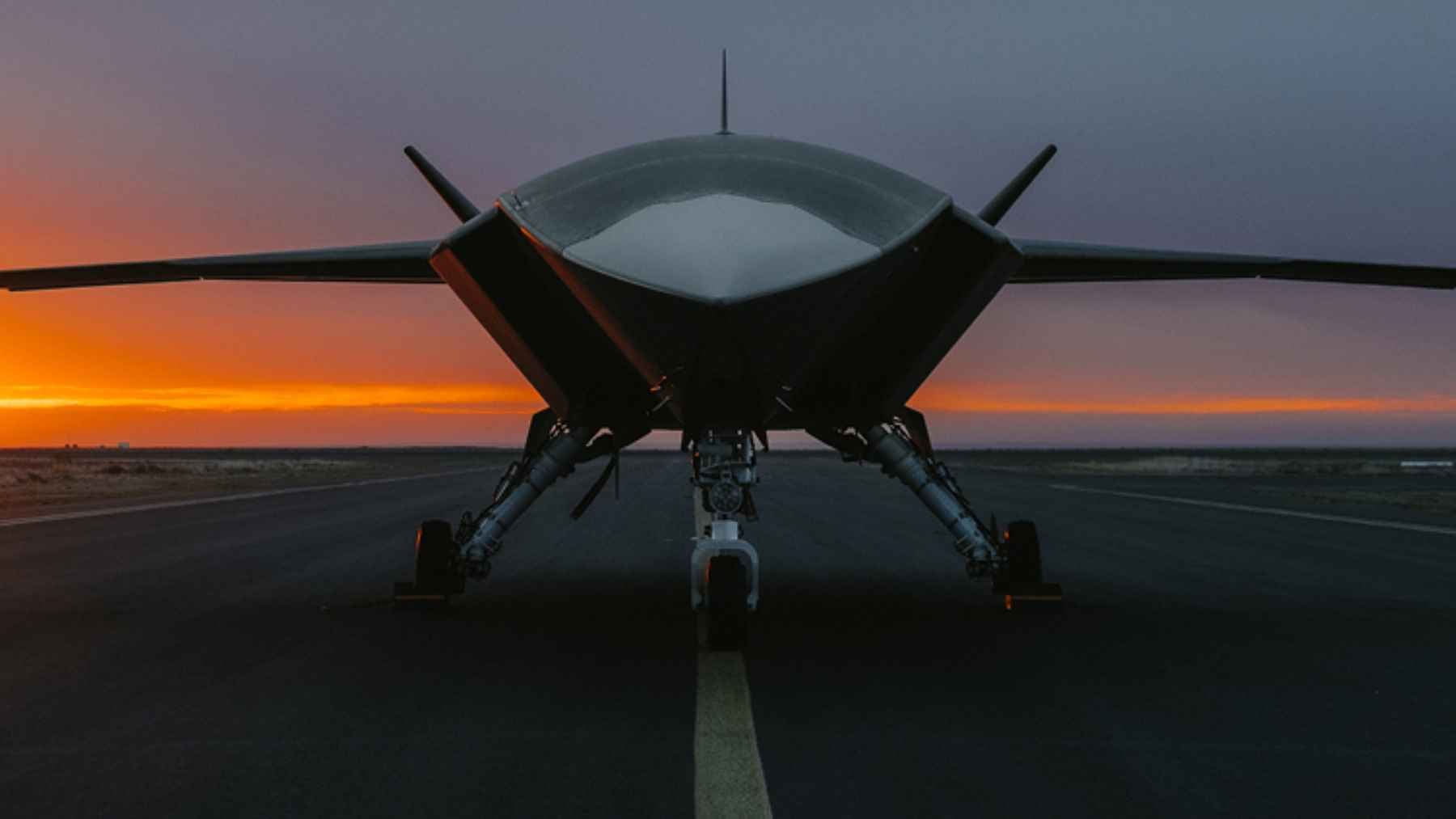
Hypersonic programs are edging toward production, not just demonstrations. Contracts that focus on thermal protection and supply chains are a sign of that shift, and they bring new manufacturing footprints with them.
The environmental question is whether energy efficiency and alternative fuels stay tied to readiness as these programs grow.
A Defense Department news story on a .mil site put the rationale simply, saying “climate change is a national security issue.” If bases face more extreme heat, flooding, and water stress, then tomorrow’s high-speed systems still depend on runways, power lines, and logistics routes that can take a beating.
The official plan was published on U.S. Department of Defense.