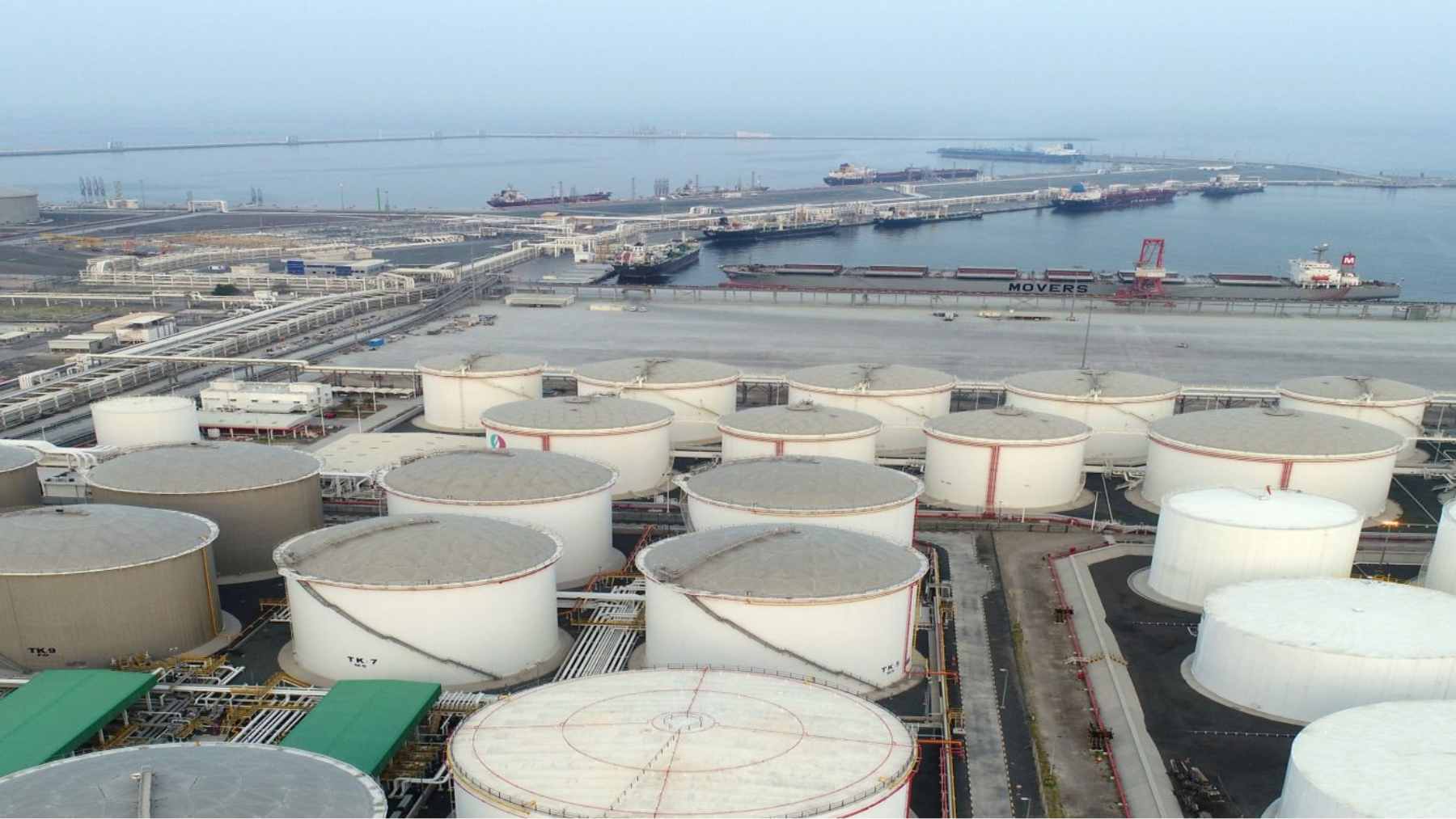
Every time the Strait of Hormuz makes the news, drivers thousands of miles away can feel it at the pump. This week, the UAE said it is fast-tracking a new West-East pipeline to expand exports from Fujairah, outside the strait.
But the deeper reason this region keeps dominating the conversation is not a single crisis–it is geology. A slow collision under Iran’s Zagros Mountains has been building giant underground oil traps for tens of millions of years, and it still shapes energy security and the climate debate.
How the Zagros Mountains became an oil engine
Around 25 million years ago, the Arabian plate began pushing into the Eurasian plate, helping lift the Zagros range along Iran’s western edge. The mountains are still rising by a couple of centimeters per year, which sounds tiny until you realize the squeeze never really stops.
That pressure bends the crust into long waves that reach toward the Persian Gulf and across Saudi Arabia. Oil and gas can migrate through porous rock, then get trapped under the fold in what geologists call an “anticline.”
Tiny organisms from the ancient Tethys Sea were buried and transformed into oil and gas, but the Zagros setup created unusually big traps with fewer cracks and a strong seal. In many places the seal is salty, which can deform and “heal” under pressure. As University of Oslo geologist Dag Arild Karlsen put it, “Nature is not democratic. You either have it, or you don’t.”
A chokepoint with global consequences
The Strait of Hormuz matters because so much of the world’s easiest to export oil sits behind it. U.S. Energy Information Administration analysis shows about 20 million barrels per day moved through Hormuz in 2024, roughly the equivalent of 20% of global petroleum liquids consumption, and flows through the strait also made up more than one quarter of total global seaborne oil trade.
So, what happens when tankers cannot move freely? Prices jump, shipping schedules slip, and the cost ripples from freight rates to the gas station.
There are workarounds, but they are limited. The EIA estimates roughly 2.6 million barrels per day of pipeline capacity could be available to bypass Hormuz in a disruption, including Saudi Arabia’s East West line and the UAE’s existing Habshan to Fujairah route at 1.8 million barrels per day.
That is why Abu Dhabi’s latest pipeline push is being treated as more than an infrastructure project.
Business is following the rocks
Karlsen’s point about a petroleum system that “works like a factory” is more than a vivid quote. Strong traps and seals make extraction more favorable, and that tends to keep investment flowing even when demand forecasts wobble.
The scale is hard to overstate. Saudi Arabia’s Ghawar is widely described as the world’s largest conventional oil field, and Saudipedia says its reserves are estimated at 58.32 billion barrels and its total production represents about 6.25% of global oil production.
For the environment, the problem is not only what happens when oil is burned. Upstream operations can leak methane and waste gas through flaring, and those emissions add heat to a planet already dealing with longer heat waves.
The World Bank’s Global Gas Flaring Tracker says global flaring rose to 151 billion cubic meters in 2024, releasing 438 million of CO2 equivalent, including emissions in the form of unburnt methane.
Tech that cuts emissions and tech that keeps oil flowing
Some of the fastest climate wins here are not futuristic. The International Energy Agency says around 70% of methane emissions from the fossil fuel sector could be avoided with existing technologies, and it estimates about 39 million tons of methane from oil, gas, and coal could be avoided at no net cost based on average 2024 energy prices.
If fixes can pay for themselves, why does methane still leak?
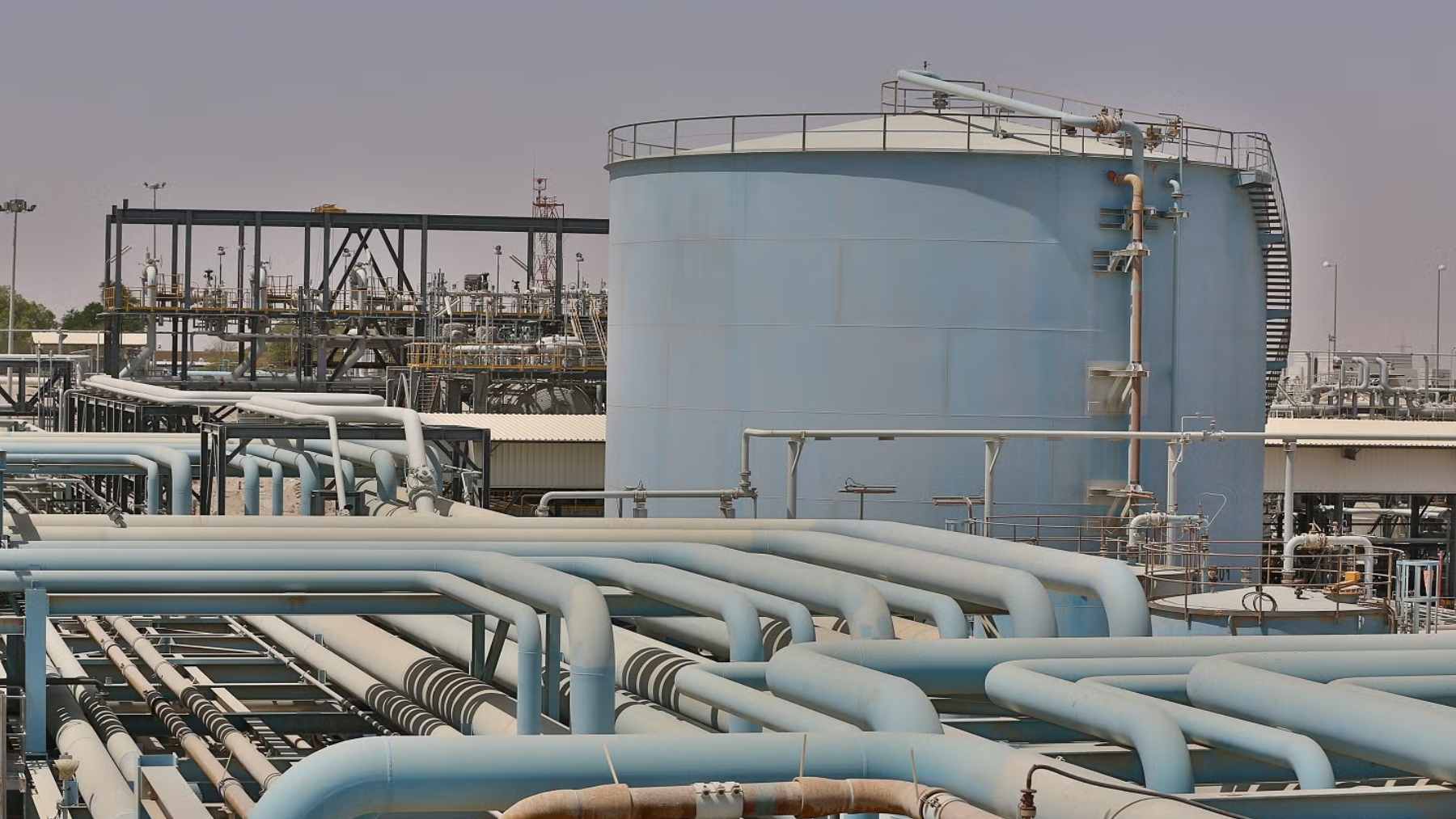
Measurement is one reason the industry is changing. The World Bank now relies on satellite data to estimate global flaring, and governments and investors increasingly use monitoring tech, including sensors, aircraft, and satellites, to spot large releases and pressure operators to respond.
Carbon capture is also moving from concept to concrete projects, especially in the Gulf where the geology is already proven at trapping fluids underground. Reuters reported that Aramco, SLB, and Linde plan a Jubail carbon capture and storage project designed to capture and store up to 10 million tons of CO2 a year by the end of 2027.
Aramco separately says its planned CCS hub at Jubail targets completion in 2028 with about 10 million tons per year expected to be stored in phase one.
The environmental bottom line
The Zagros Mountains are a reminder that Earth’s deep time can shape today’s headlines. Geology created giant, well sealed reservoirs, but modern choices determine whether that advantage turns into a decades-long emissions lock in or a bridge to cleaner systems backed by real methane cuts and better monitoring.
At the end of the day, the mountains are moving slowly, but the climate clock is not.
The official statement was published on Abu Dhabi Media Office.