Rolls-Royce has reported a key propulsion milestone for Britain’s future fighter effort, using lessons from its Orpheus demonstrator to advance the engine demonstrator planned for the Global Combat Air Programme.
The announcement moves the U.K., Japan and Italy closer to ground testing the power system that could eventually sit at the heart of their next-generation combat aircraft.
The important point is easy to miss. This is not the final fighter engine, and no flight-ready production unit has been unveiled. Instead, Rolls-Royce and its partners are shortening the learning cycle, testing components early and trying to remove costly surprises before the aircraft is expected to enter service in 2035.
A milestone, not the final engine
The new update came through Team Tempest, the British partnership linking the U.K. Ministry of Defence, BAE Systems, Leonardo, MBDA and Rolls-Royce.
For the U.K.’s separate flying Combat Air Demonstrator, Rolls-Royce is supplying two modified EJ200 engines, the proven powerplant used by the Eurofighter Typhoon, with control and integration work needed for the new airframe.
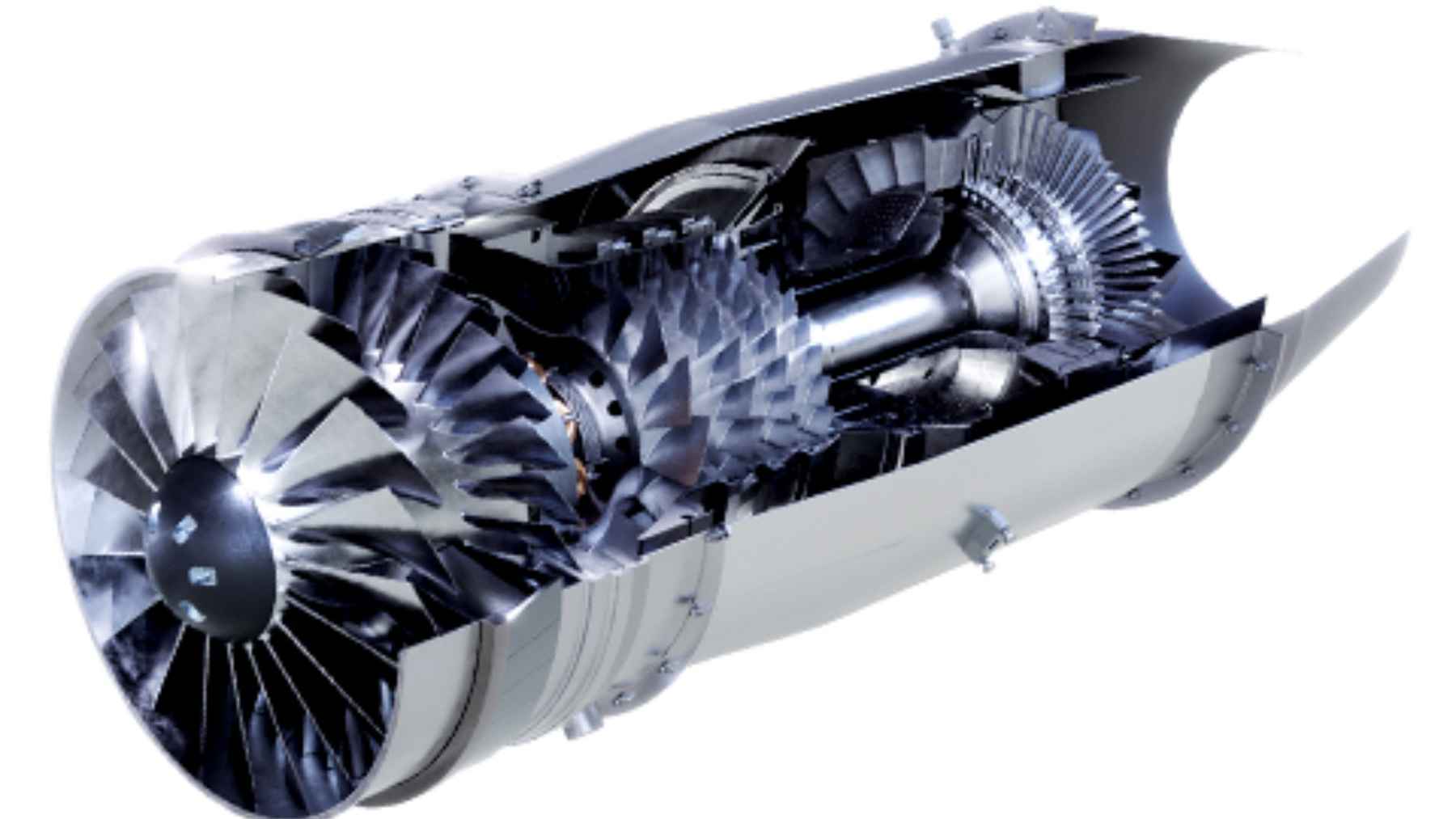
The GCAP engine demonstrator is another machine entirely. It is being developed by Rolls-Royce, Japan’s IHI and Italy’s Avio Aero to validate an all-new power and propulsion architecture before the final system is frozen. That distinction matters because a demonstrator is built to answer hard engineering questions, not to enter frontline service.
Orpheus changed the development clock
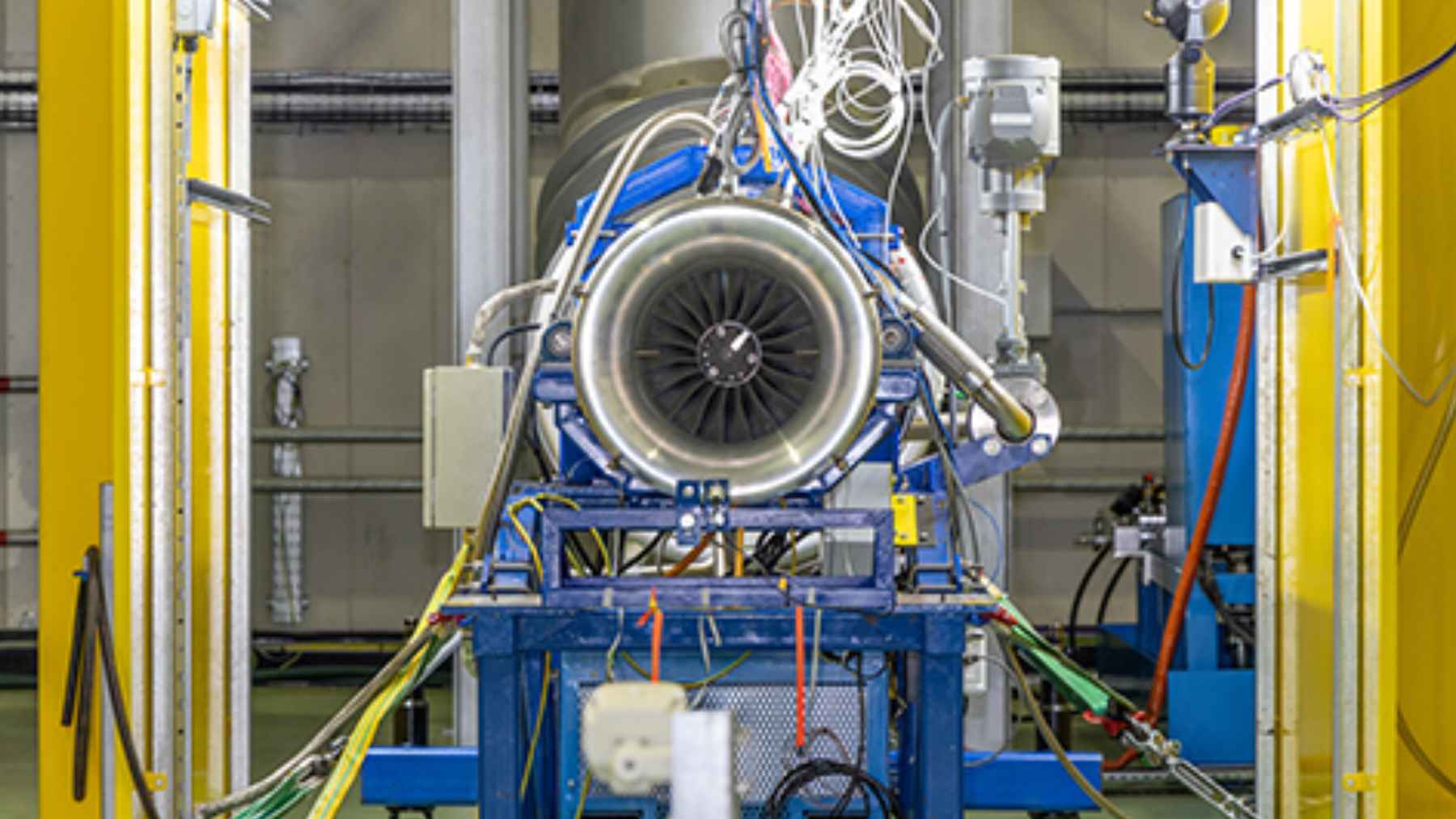
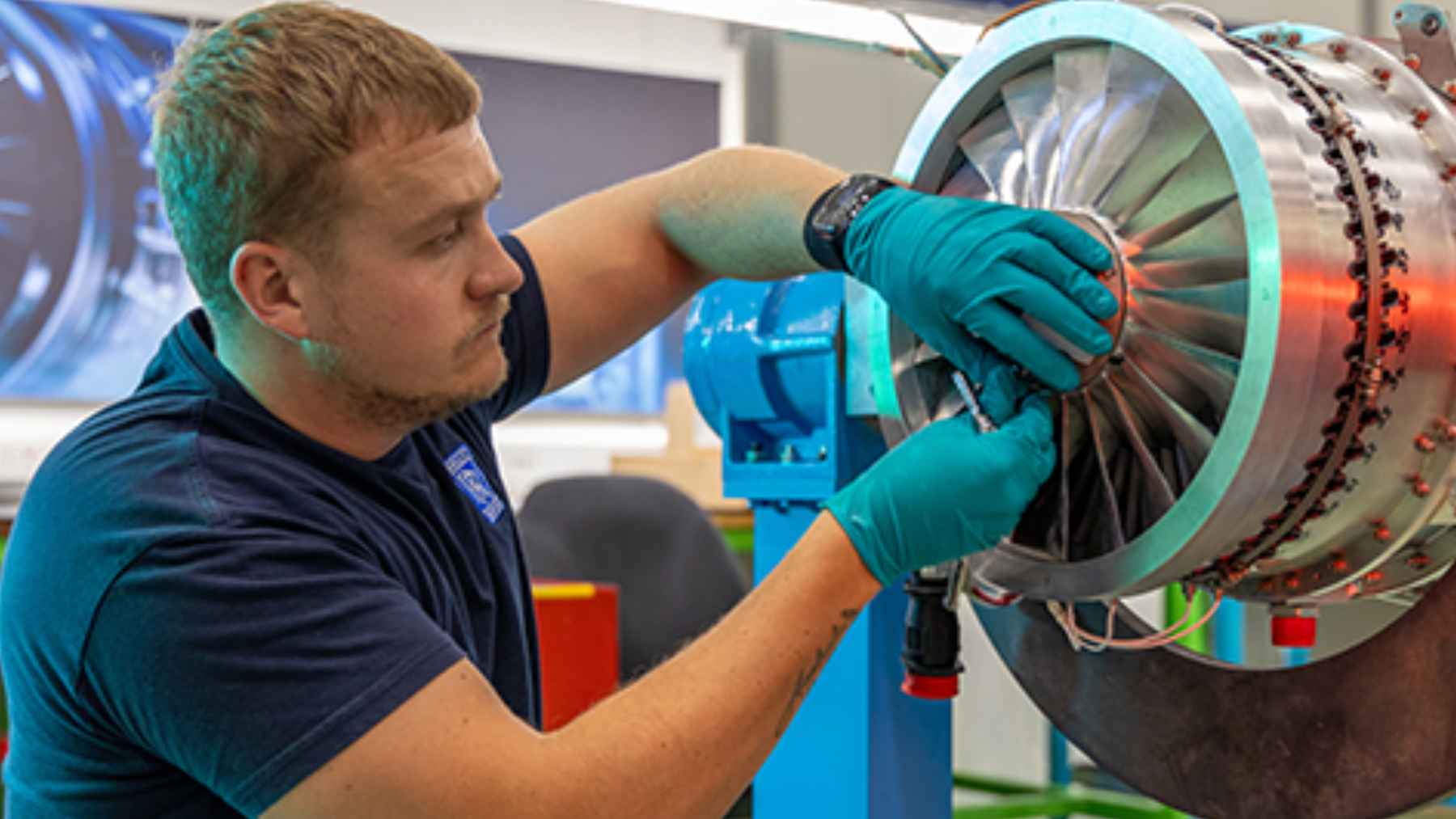
The path begins with the Orpheus demonstrator, a small twin-spool turbofan created as much to test a new way of working as to test hardware. Rolls-Royce says the first engine was designed, built and tested in 18 months, roughly half the traditional time, with about one-third of the engineering resources normally required.
That rapid approach did not end with one successful run. By 2026, Orpheus had completed more than 130 test events across more than 25 engine configurations, allowing engineers to change designs, gather data and move again. Think of it less like building a finished appliance and more like running a fast-moving laboratory.
Three countries, one propulsion system
Those lessons are now feeding the GCAP engine demonstrator. The trilateral consortium has completed more than 100 subscale component tests and is moving toward final approval of the centerline demonstrator design while component manufacturing continues.
The challenge goes far beyond raw thrust. Rolls-Royce director Phil Townley described the concept as “creating a flying power station.” The engine must also supply large amounts of electricity and manage heat from advanced sensors, communications equipment and future weapon systems.
Why the EJ200 still matters
Why use an existing engine in a futuristic aircraft demonstrator? In practical terms, two modified EJ200s let the British team test the airframe, air ducts, control software, manufacturing methods and flight behavior without waiting for the final GCAP propulsion system to exist. A familiar engine becomes a stable reference point while almost everything around it changes.
That approach fits the wider program. Team Tempest says around half of the main structure of the U.K. Combat Air Demonstrator is now in final assembly, while more than 11,500 parts representing about 90% of the aircraft’s expected weight have already been designed.
The engine milestone is therefore one piece of a much larger test network.
The environmental claim needs care
There is an environmental angle here, but it should not be exaggerated. The latest announcements provide no figures for fuel burn, carbon emissions, noise or operating efficiency, so they do not prove that the future fighter will be a low-emission aircraft. The operational footprint of the final engine remains unknown.
The clearest sustainability result so far sits in manufacturing. Under the Tornado 2 Tempest recycling project, retired RAF Tornado titanium components were turned into metal powder and used to 3D print a nose cone and compressor blades for Orpheus.
The nose cone was installed and tested, showing that old defense hardware can become usable material for new aerospace parts rather than scrap.
This matters because advanced engines depend on strategic metals and complex global supply chains. Reusing high-value material could reduce waste, shorten sourcing routes and make production more resilient, although the program has not published a full lifecycle assessment.
In other words, the circular economy work is real, but the climate case for the aircraft itself remains unproven.
What comes next
The next major step is ground testing of the trilaterally developed engine demonstrator. Those runs are intended to generate data on components, integration, electrical power and thermal management, helping engineers refine the full system and reduce risk before later flight hardware is built.
No precise ground-test date was given in the latest release. The broader Global Combat Air Programme is targeting service entry from 2035, which leaves a demanding sequence of design reviews, tests and industrial decisions ahead. The clock is moving.
Richard Berthon, the U.K. Ministry of Defence’s Director of Future Combat Air, said the achievements show “the pace and scale of progress being delivered through the Team Tempest enterprise.” For Rolls-Royce, the real breakthrough will come when fast development produces repeatable test data, not simply an eye-catching concept.
The official statement was published on BAE Systems.