On a busy military flight line, the most expensive problem is not always the loudest one. Sometimes it is a small brass casing, dropped in the wrong place, waiting near the intake of one of the most advanced fighter jets on Earth.
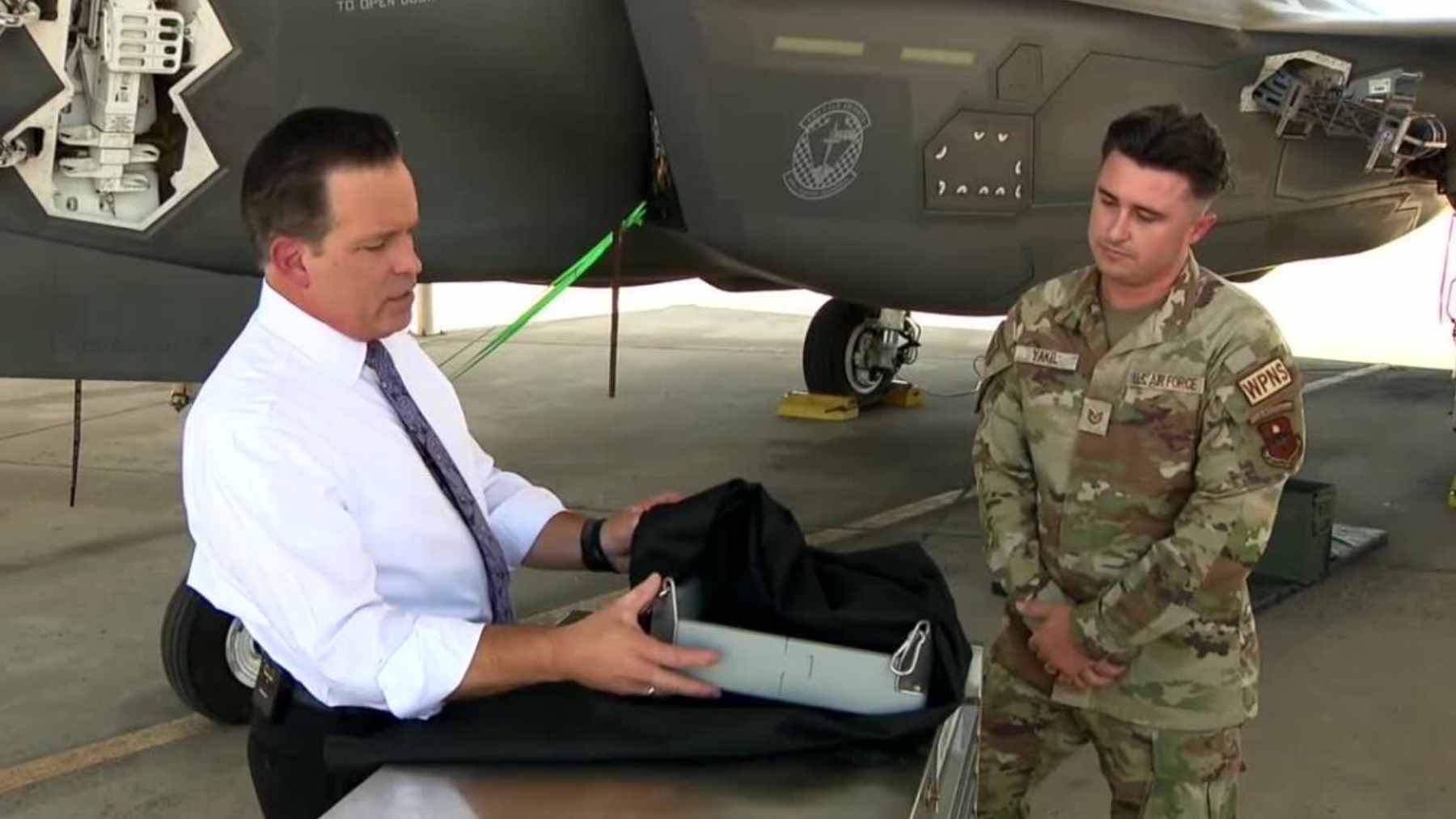
Two weapons specialists at Luke Air Force Base in Arizona have built a simple attachment called Project ZACH, short for Zero Point Ammunition Cartridge Handler. It costs roughly $100, uses a 3D-printed bracket and canvas funnel, and is designed to steer spent F-35A ammunition casings into a can before they become dangerous foreign object debris.
A tiny fix on the flight line
The idea came from Tech. Sgt. Zach Allbee and Tech. Sgt. Nik Yakel, two Air Force weapons specialists with roughly 15 years each in uniform. The problem appears during gun system downloads, when spent casings fall more than six feet from the loading equipment and crews try to catch them manually.
That may sound like a small chore, but on a ramp full of aircraft, one missed piece of metal can turn into a safety, maintenance, and money problem fast.
Allbee told ABC15 that a casing pulled into an engine could mean “$20-plus million out the door.” For a jet built around stealth, sensor fusion, and advanced sustainment, this is the kind of ground-level risk that can erase years of planning in seconds.
Why loose brass matters
In aviation, “foreign object debris” means any object in the wrong place that can injure people or damage aircraft, according to the FAA. That could be a bolt, a tool, a rock, or in this case, a spent ammunition casing.
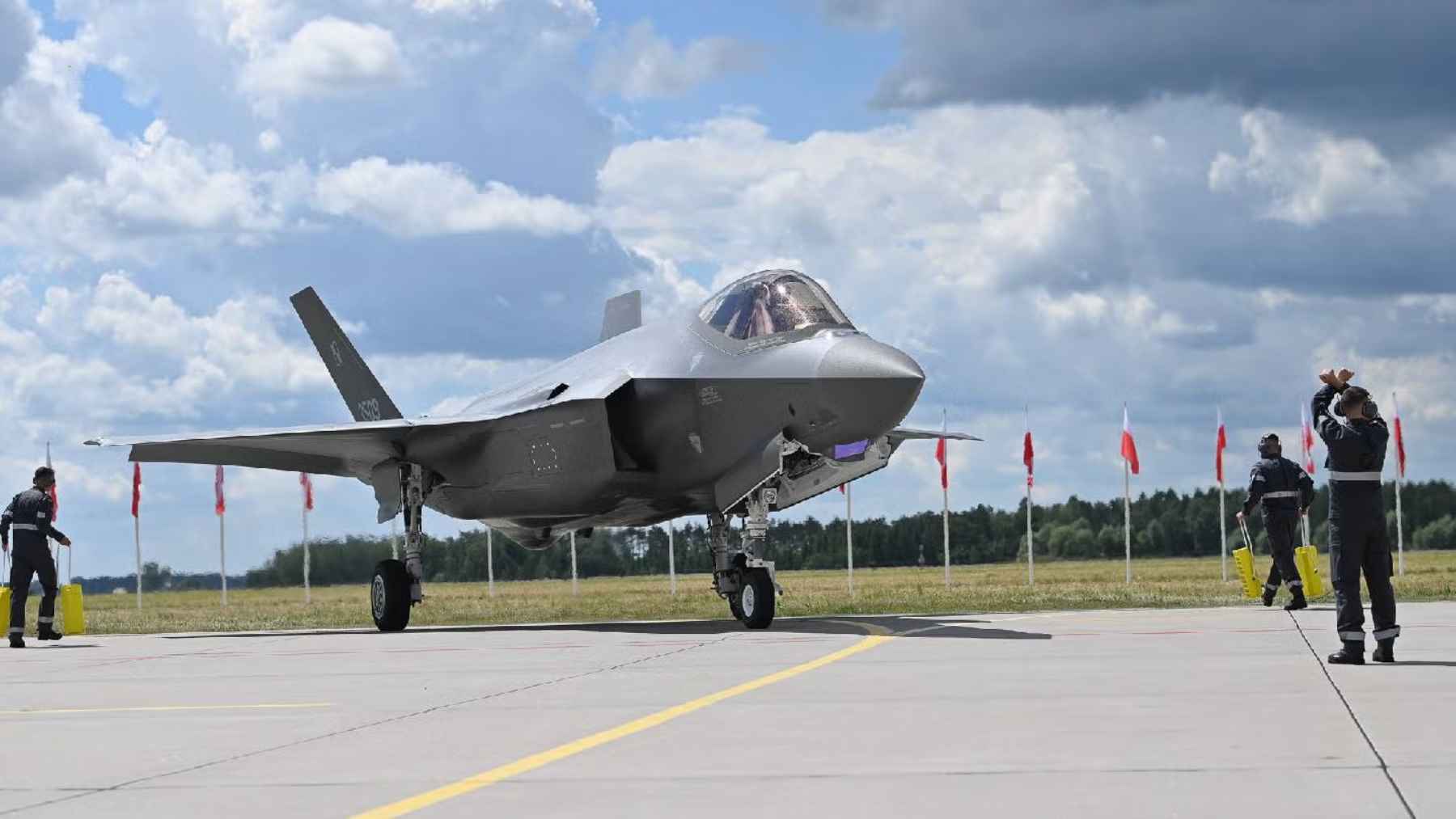
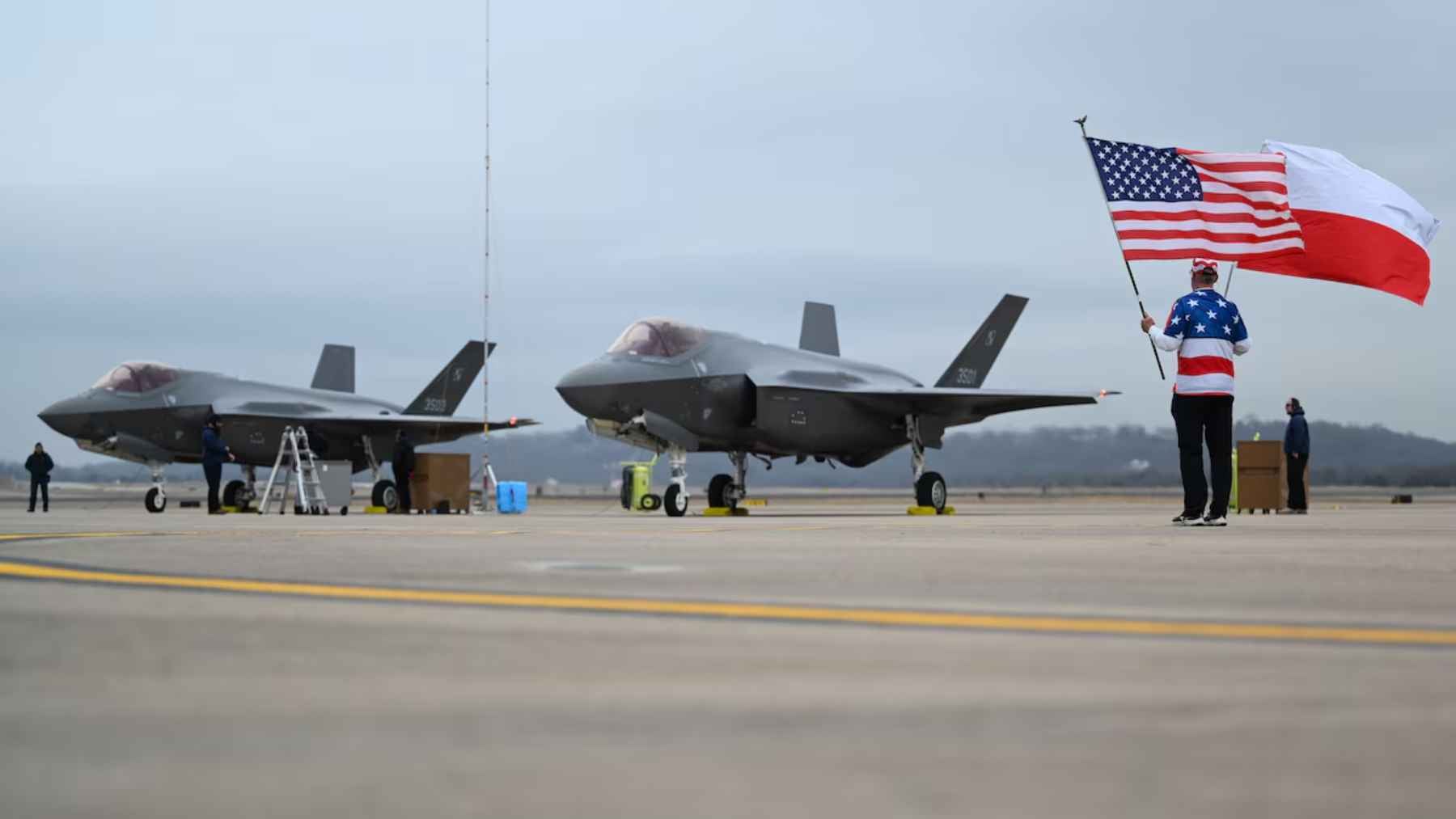
The F-35A is not a normal workplace machine. The Air Force describes it as its latest fifth-generation fighter, built to replace older F-16 and A-10 fleets and equipped with advanced avionics, stealth, and a powerful engine producing 43,000 lbs. of thrust.
When that kind of machine meets loose metal, the result can be expensive and dangerous. It can also be wasteful, because damaged engines and scrapped parts mean more materials, more transportation, more maintenance work, and more downtime.
How Project ZACH works
Project ZACH is refreshingly simple. The final design uses a three-piece 3D-printed bracket that clamps onto the existing chute, along with a tough canvas funnel that guides brass directly into an ammunition can.
In practical terms, that means airmen do not have to rely on eyeballing falling casings into a container, especially at night. Anyone who has dropped a screw under a kitchen appliance knows the feeling, except here the missing object is on a flight line near an aircraft worth tens of millions of dollars.
That price matters. Lockheed Martin’s F-35 program site lists the average flyaway cost of an F-35A in Production Lots 15 through 17 at $82.5 million, which puts the price of Project ZACH in almost comic contrast with the machine it helps protect.
The green side of prevention
This is not a solar panel or a battery breakthrough. Still, to a large extent, it belongs in the same conversation about using technology to avoid waste before it starts.
A 3D-printed part can be made locally from shared design files, which may reduce shipping, storage, and long procurement delays if the design is approved widely. More importantly, a preventive tool that keeps engines from being damaged can keep high-value components in service longer.
That is the overlooked environmental angle. In defense, sustainability is often less about slogans and more about not turning expensive equipment, fuel, metal, and labor into avoidable waste.
A smoother path to approval
One reason the device could move faster through the system is that it does not modify the aircraft or the original loader. It attaches to existing equipment, which makes it easier to test, reproduce, and remove if needed.
Allbee and Yakel also worked with leadership and civilian engineers at Detachment 9 at Luke, moving from an early bracket and mesh idea to a tougher version designed for daily use. The cost stayed low, with Allbee describing it as “about $100.”
That is where the story feels bigger than one clever gadget. Military innovation is often pictured as billion-dollar programs and futuristic labs, but sometimes it starts with two experienced airmen watching a preventable mess happen right in front of them.
What happens next
The team plans to test the attachment with other F-35 units at Luke before sending the design into the Air Force’s global system. The goal is simple enough: any F-35A unit could eventually print or build its own version for very little money.
Would every small fix scale this well? Probably not, but this one has the ingredients that procurement teams usually like: low cost, simple materials, no aircraft modification, and a clear link to safety and readiness.
At the end of the day, what it is trying to do is not glamorous: it catches brass. But catching brass could mean keeping pilots training, engines intact, and the flight line cleaner.
A small part with a big lesson
Project ZACH is a reminder that environmental responsibility in high-tech defense does not always look like a sweeping climate policy. Sometimes it looks like preventing a tiny object from becoming a giant repair bill.
The best part is how ordinary the solution feels. A bracket, a funnel, a can, and a sharp eye for a problem that had become too easy to accept.
The original report was published on ABC15 Arizona.