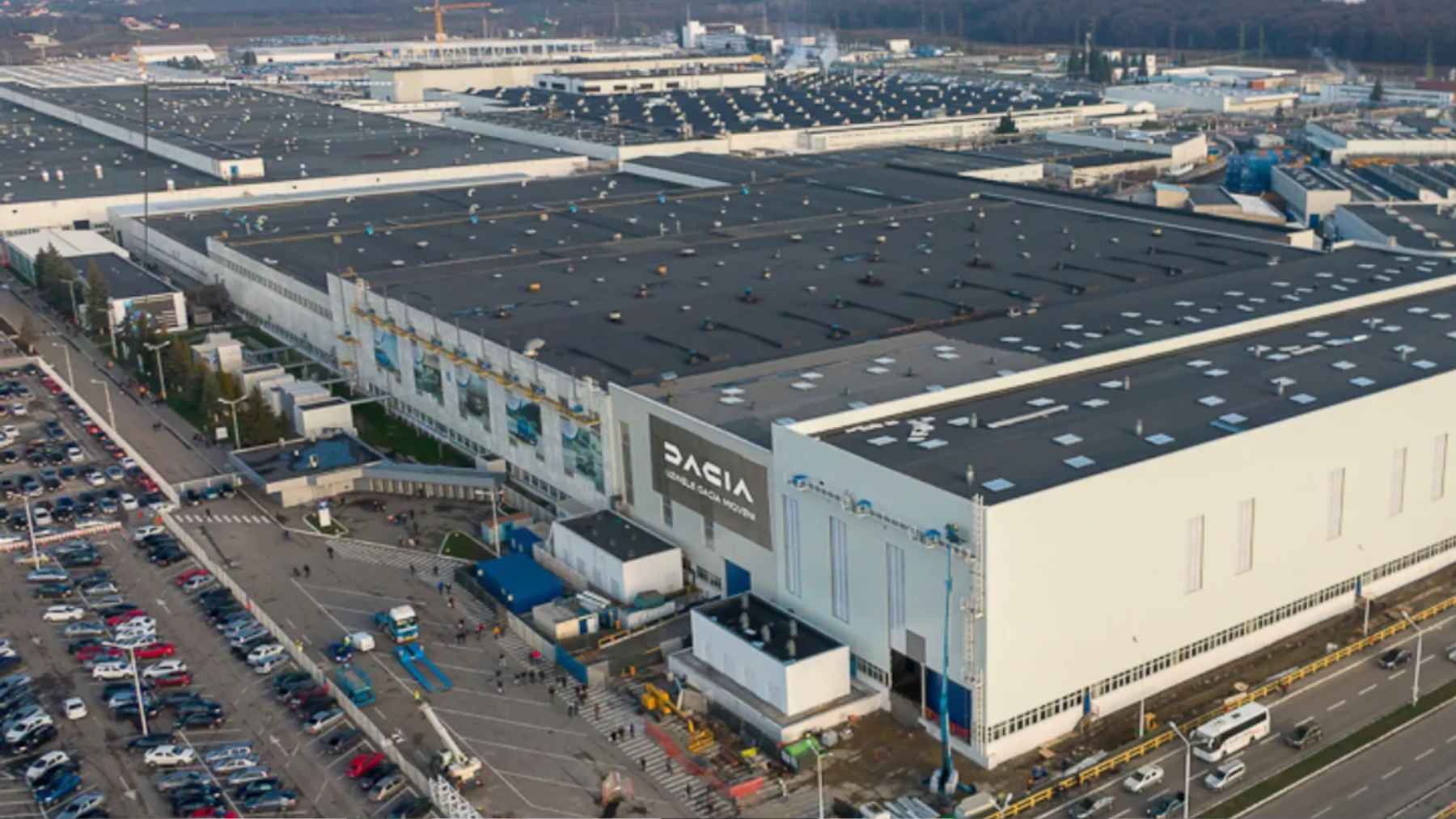
Dacia has not announced plans to abandon Romania, but it has placed a clear limit on new factory growth. CEO Katrin Adt says the Mioveni plant already has enough capacity for current demand and that there is no business case to expand it now. That is a warning about competitiveness, not a closure notice.
Dacia’s decision shows how Europe’s cleaner-car transition is being decided far beyond the showroom. Affordable hybrids and electric vehicles depend on electricity prices, logistics, wages, and stable policy long before a buyer plugs in at home.
Expansion is on hold
“There is no business reason at present to expand capacity in Romania,” Adt said in translated remarks to Romanian journalists. She also added “never say never,” leaving the door open if demand changes or the industrial picture improves.
The more dramatic claim that the entire plant could move within two years is not supported by the public comments reviewed. Adt said Duster and Bigster are not under discussion to leave Mioveni, while the newer Striker was assigned to Bursa, Turkey, because the Romanian site was heavily loaded when that decision was made.

Energy is the pressure point
Adt identified energy prices, inflation, and a lack of predictability as Romania’s biggest competitive problems. She said Dacia faces its highest industrial electricity price in Europe there, a company-specific comparison that should not be mistaken for an official ranking of every market.
Eurostat offers useful context. Romania recorded the European Union’s sharpest annual increase in electricity prices for non-household customers in the second half of 2025, up 15.4%, while the country’s annual inflation reached 9.2% in June 2026, the highest rate in the bloc.
For a brand built around affordable cars, those pressures can travel quickly from the factory floor to the window sticker. Higher power bills affect production, inflation pushes up wages and supplier costs, and families may delay a purchase when household budgets are already tight. A few increases at every step add up.
The highway gap still matters
The A1 story is real, but it is often simplified. The highway now runs from Bucharest to Curtea de Argeș for about 87 miles, yet the continuous route across the Carpathians to Sibiu and western European corridors remains unfinished. Trucks still lack the uninterrupted highway connection exporters have awaited for years.
It was the Dacia union, rather than Adt in her latest public remarks, that explicitly listed the delayed Pitești to Sibiu highway among the threats to Mioveni. The union grouped it with high energy costs, fiscal instability, and unpredictable economic programs. That distinction keeps the story in focus.
There is an environmental trade-off too. The European Investment Bank says the roughly 76-mile Sibiu to Pitești corridor crosses or runs near 11 Natura 2000 conservation sites, so mitigation measures are part of the project. Faster transport matters for industry, but this is not a simple case of pouring asphalt and moving on.
Mioveni remains central
Official factory data show that 297,182 vehicles left Mioveni in 2025. More than nine in ten were Duster or Bigster models, 90% of the plant’s output is exported, and Bigster is produced exclusively at the Romanian site. Those numbers do not describe a factory on the verge of disappearing.
Dacia also sold 697,408 vehicles worldwide in 2025, an increase of 3.1%. One in four was electrified, while hybrid sales more than doubled. The near-term risk for Romania is not a sudden shutdown, but losing future model allocations as Renault spreads production across a wider regional network.
Electrification changes the map
Dacia plans to launch four fully electric vehicles by 2030 and expects two-thirds of its sales to be electrified over time. Renault Group, meanwhile, is targeting 25% less energy used per vehicle produced by 2030 and wants 30% of materials to come from the circular economy.
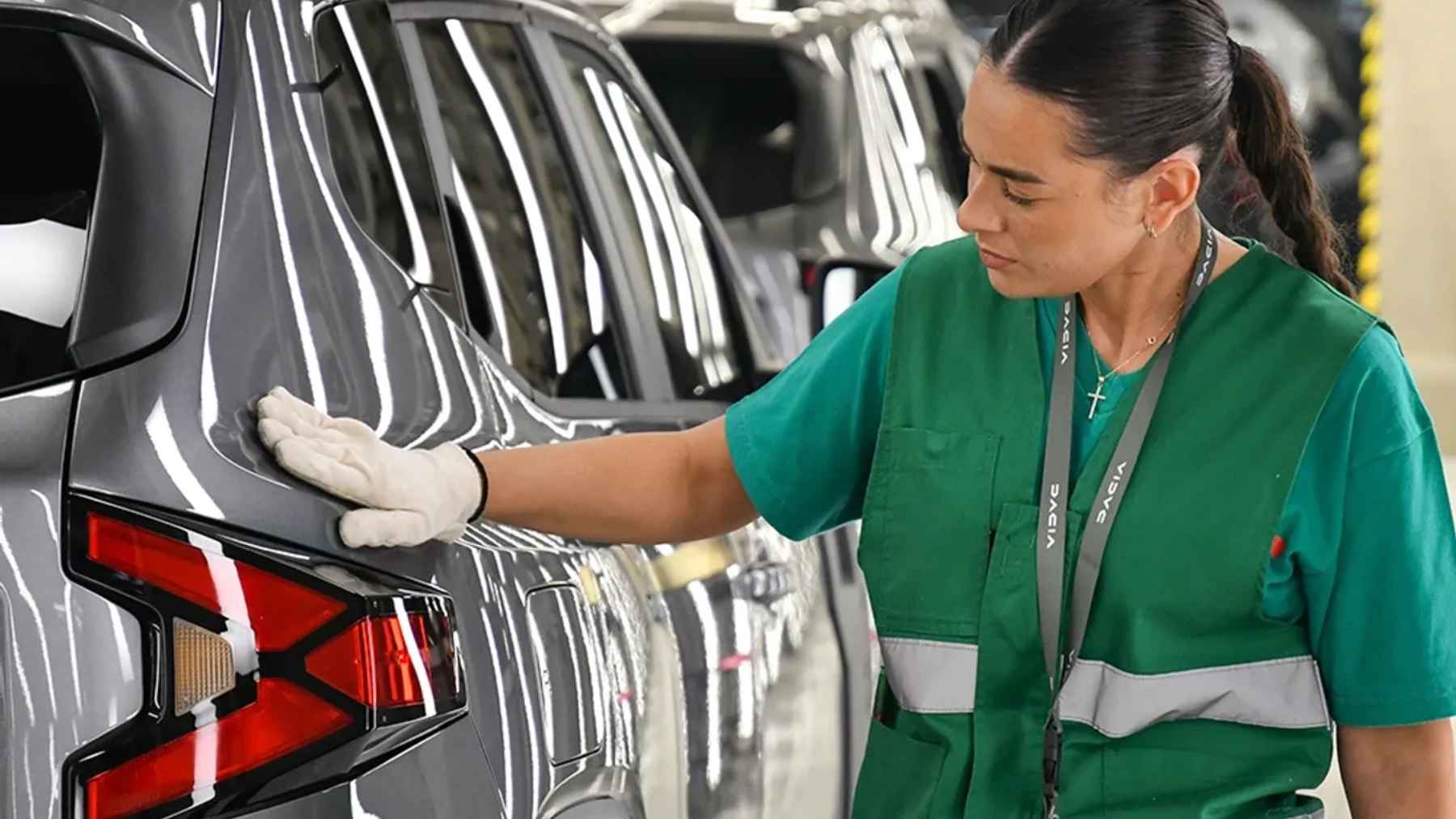
Factories are competing on more than hourly pay and floor space. Efficient machinery, reliable lower-carbon power, supplier readiness, and predictable rules all shape the cost of the next hybrid or electric car. The green transition has an industrial map, and Mioveni is fighting to stay on it.
What Romania must prove
Romania’s task is not to persuade Dacia with nostalgia. It is to offer dependable energy, stable taxes, completed transport links, and workers prepared for automation and electric powertrains. Those everyday ingredients sit behind decisions that can affect thousands of paychecks and an entire supplier network.
For now, the sober conclusion is clear. Mioveni remains in operation, Duster and Bigster are staying, and expansion is paused because present demand and costs do not justify it. But when Dacia chooses where to place its next vehicle, Romania will need to win the business case rather than assume history will do the work.
Dacia’s official roadmap sets out the company’s electrification plans and broader strategy through 2030.
The strategy statement was published on Dacia Media.