Saab has signed a major contract to provide Ukraine with 16 Gripen E fighter jets, in a deal valued at about $2.54 billion. The Swedish company says deliveries to Sweden’s defense procurement agency are scheduled for 2029-2030, while Ukraine’s Defense Ministry says the aircraft are expected to begin operating in Ukraine in early 2029.
At first glance, this is a military story, but look closer, and it also becomes an environmental one. Ukraine’s air war is not only about aircraft and missiles. It is also about power plants, fuel depots, water systems, forests, farms, and the toxic mess left behind when modern weapons hit industrial targets.
A fighter deal with a longer shadow
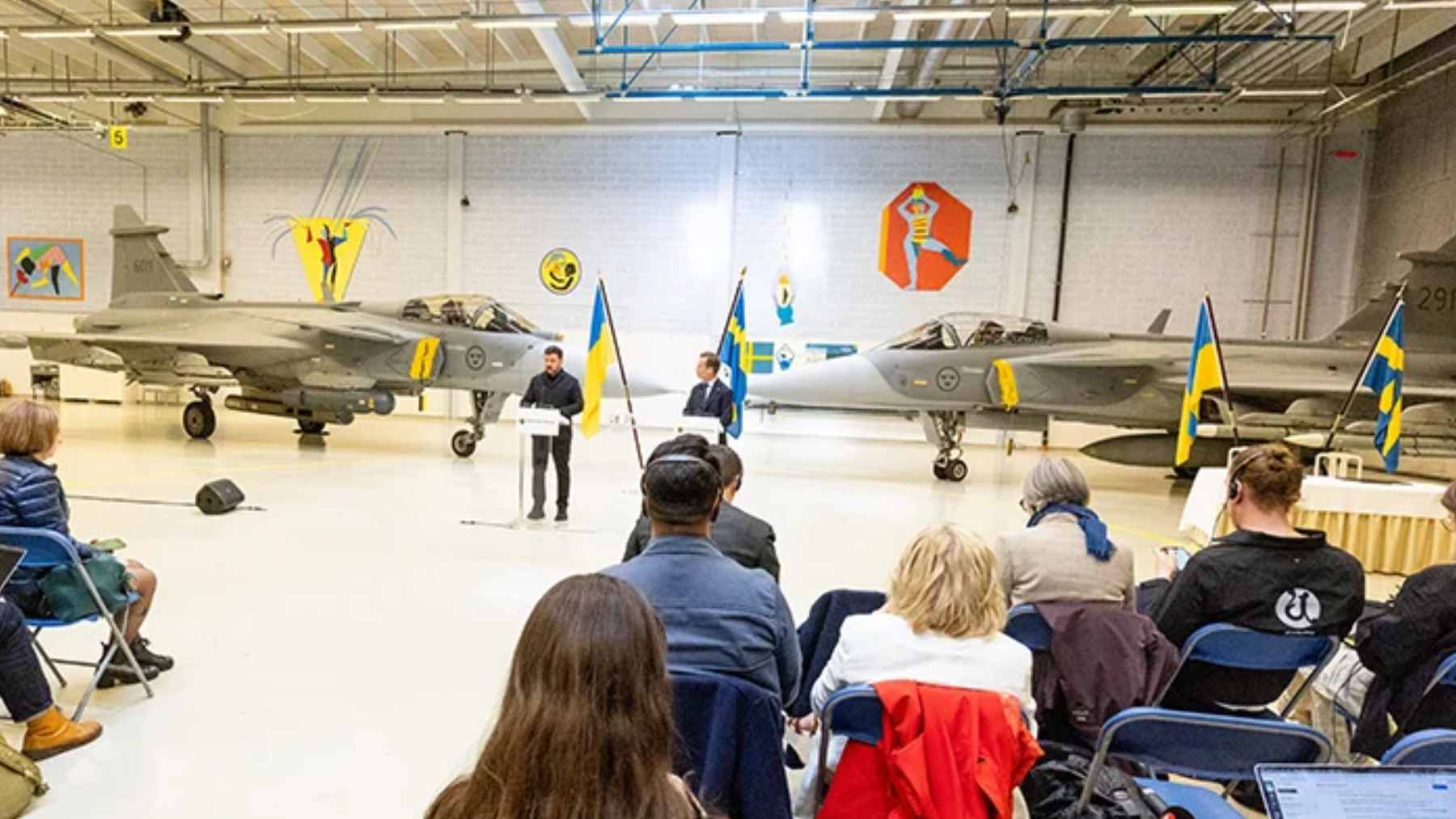
The agreement was signed after Ukrainian President Volodymyr Zelenskiy met Swedish Defense Minister Pål Jonson in Kyiv. Jonson called it a “major step for Ukraine’s freedom and Europe’s security,” adding that Gripen would help Ukraine defend its skies.
Saab’s contract with the Swedish Defence Materiel Administration covers 16 Gripen E aircraft, spare parts, associated equipment, and support items. The order will be booked in the third quarter of 2026, which also makes this a serious business win for Sweden’s defense industry.
There is also a shorter-term bridge. Sweden has said it will donate up to 16 older Gripen C/D aircraft from its current fleet, and Ukraine’s Defense Ministry says the first 16 Gripen C/D aircraft are scheduled to arrive in early 2027.
Why the Gripen E matters
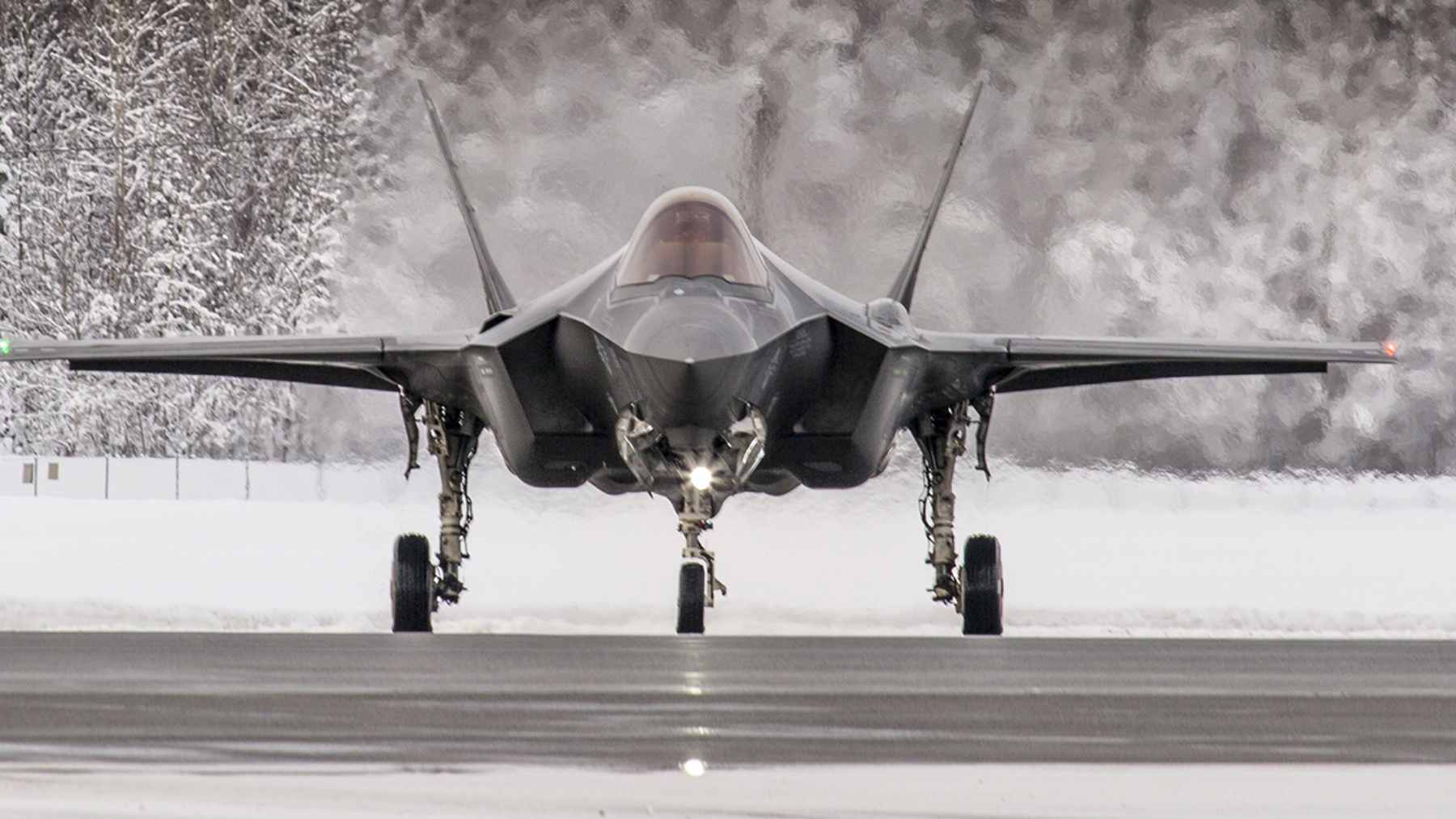
The Gripen E is not just another jet on a procurement list. Saab describes it as a fighter designed for demanding conditions, with the ability to operate from short stretches, temporary runways, or roads. On combat missions, that matters for a country whose air bases can be targeted at any moment.
The aircraft also brings updated technology. Saab says the Gripen E has a GE F414G engine, 10 hard-points, an AESA radar, infrared search and track, advanced electronic warfare systems, and a Wide Area Display in the cockpit. That is a lot of capability packed into one platform.
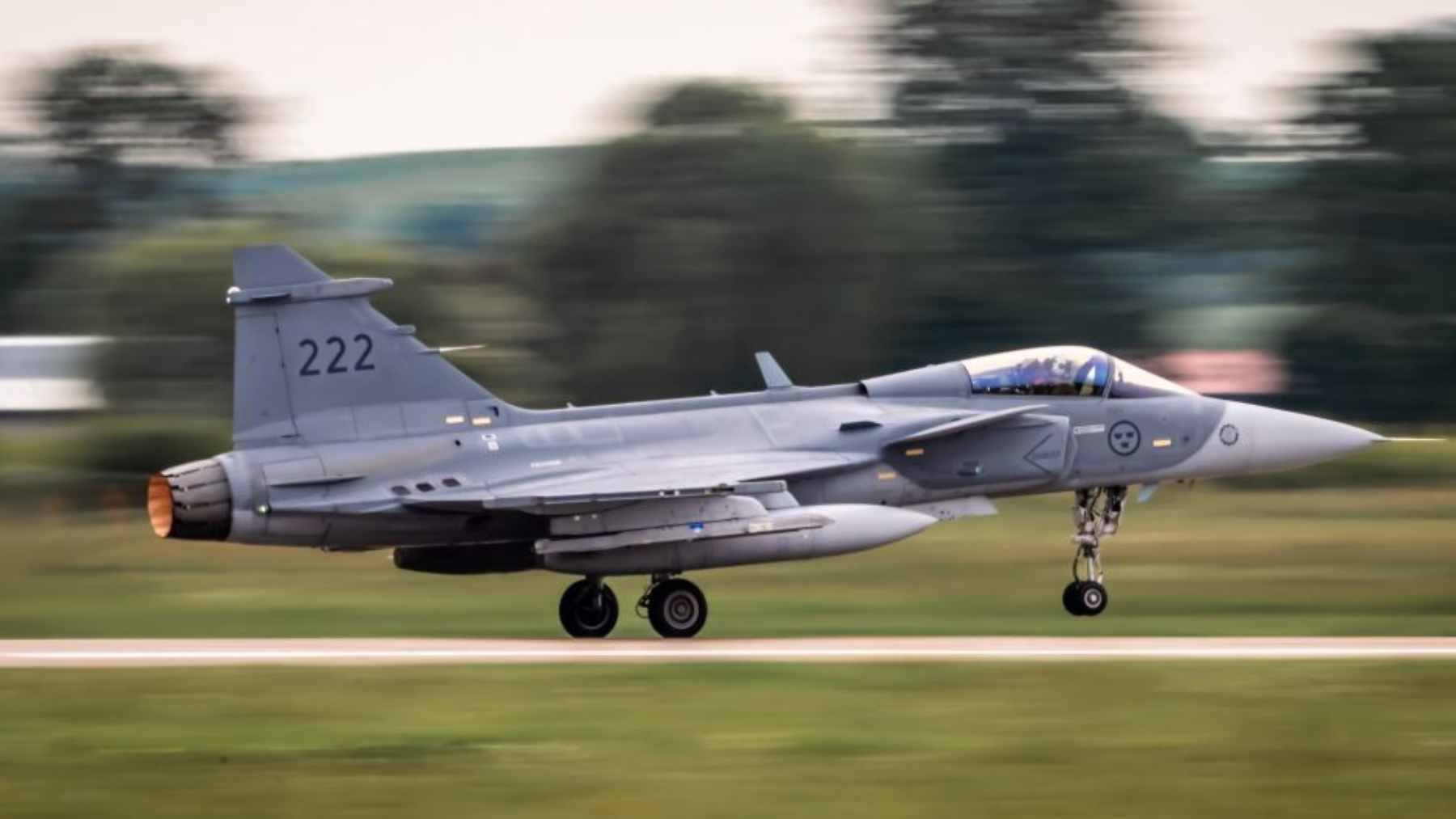
Still, no fighter jet is a magic shield. Ukraine already operates a mix of older Soviet-era aircraft and Western platforms such as F-16s, so adding another aircraft family means more training, more maintenance planning, and more logistical work–that’s the trade-off.
The environmental front line
Why bring the environment into a fighter jet story? Because Ukraine’s war damage does not stop at collapsed buildings. The United Nations Development Programme says around 30% of Ukraine’s protected areas, covering nearly 3 million acres, have been affected by hostilities.
The same UNDP project warns that forest fires have spread during fighting, while attacks on fuel and industrial facilities have caused chemicals to leach into rivers and groundwater. That is not a short-term cleanup problem. It can become a toxic legacy for generations.
Ecoaction, a Ukrainian environmental group, has documented 2,599 cases of potential environmental harm since February 24, 2022. Its monitoring includes damage to energy infrastructure, oil and gas facilities, hazardous waste sites, seaports, and natural ecosystems.
War leaves a carbon trail
The climate numbers are just as sobering. A 2026 review by the Ukraine War Environmental Consequences Work Group says the full-scale war has caused an estimated 343 million tons of carbon dioxide equivalent emissions. The estimated climate damage is more than $57 billion.
Fighting itself accounted for 126 million tons of carbon dioxide equivalent. War-related landscape fires added another roughly 77 million tons. That is what happens when explosions, drought, damaged infrastructure, and blocked firefighting all collide.
Can fighter jets solve that? No, but better air defense can, to a large extent, reduce the chance that drones and missiles reach the kind of targets that turn one strike into a regional environmental disaster.
A wider European test
This deal also shows how Europe’s defense business is changing. In October 2025, Sweden and Ukraine signed a letter of intent on cooperation in air capabilities, and Sweden later said Ukraine intended to buy 20 Gripen E/F aircraft as a first step. The new signed contract is smaller at 16 Gripen E jets, but it is now a firm move rather than a plan.
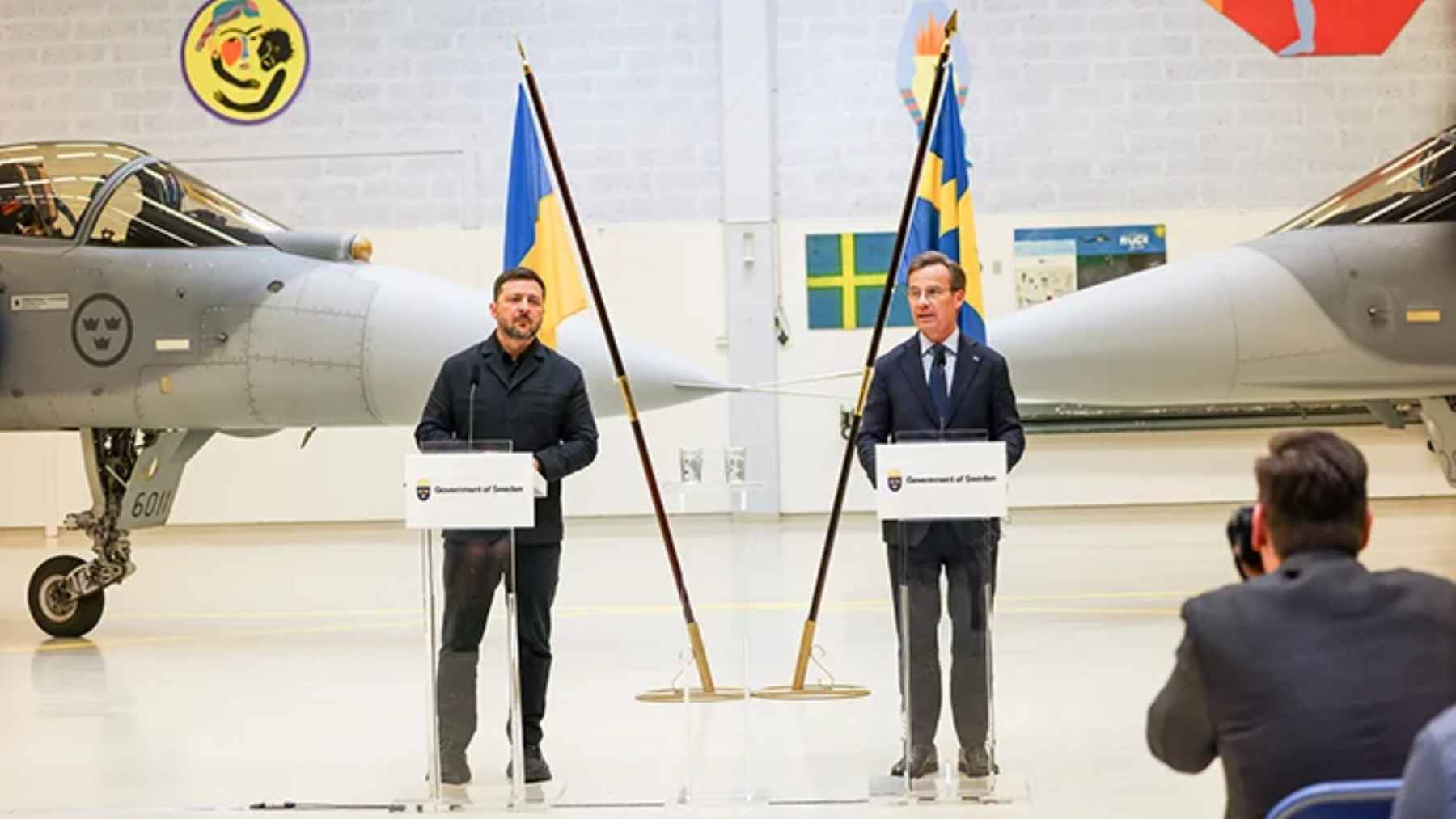
The agreement is being implemented through a European loan with support from the United Kingdom, according to Ukraine’s Defense Ministry. That detail matters because it shows how Ukraine’s future air force is becoming a shared European project, not just a national shopping list.
At the end of the day, the Gripen deal is about survival first. but survival in Ukraine now includes keeping cities powered, water systems functioning, and polluted sites from multiplying faster than anyone can clean them up.
What happens next
The timeline is clear enough to watch. The older Gripen C/D aircraft are expected first, beginning in 2027, while the newer Gripen E fleet is planned for 2029-2030. Training for Ukrainian pilots and technical personnel is already underway with partner support.
For ordinary Ukrainians, the bigger question is simple: will more modern air defense mean fewer missiles hitting homes, substations, fuel sites, and factories? That is the promise behind the hardware, even if the answer will only be known in the skies.
The official statement was published on Saab.