On July 4, the Trump administration’s nuclear bet crossed a line few people in the energy world expected it to cross so quickly. The Department of Energy says four advanced test reactors reached criticality by the holiday deadline, beating the original goal of three and turning a political target into a real technical milestone.
That does not mean America suddenly has four new power plants feeding homes, data centers, or military bases–not yet.
It does mean a new generation of microreactors has moved from drawings and investor decks into live nuclear testing, and that raises a big question for the climate and energy debate: can the United States build clean power fast without cutting corners on safety and environmental review?
A nuclear deadline gets beaten
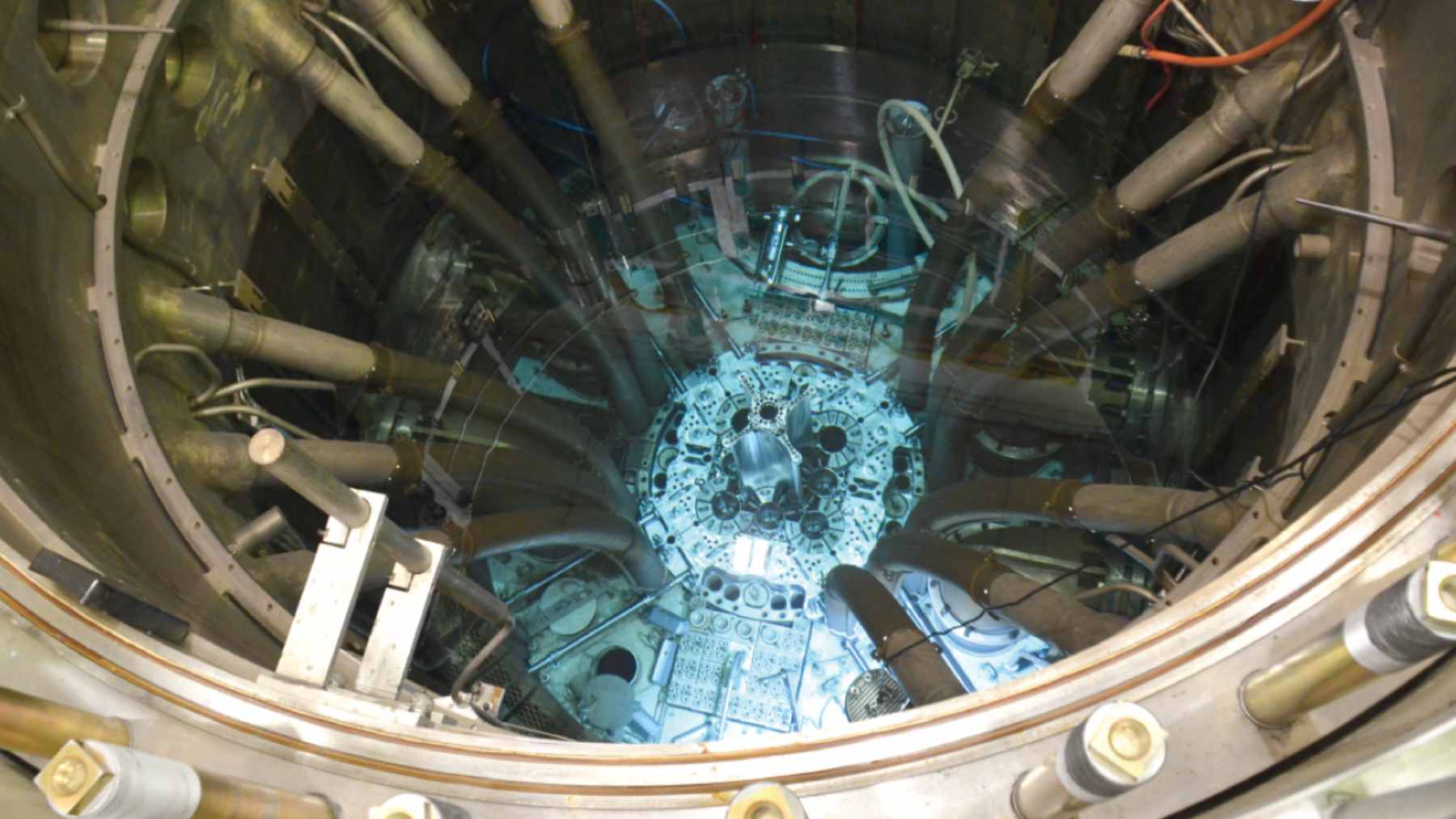
The first reactor to reach criticality under the Department of Energy program was Antares Nuclear’s Mark-0 at Idaho National Laboratory on June 4, 2026. The Department of Energy (DOE) said the test confirmed the reactor could operate safely and help inform future commercial deployments, including possible uses at military installations that need reliable power.
Valar Atomics followed on June 18 with Ward 250 at the Utah San Rafael Energy Lab, which DOE called the first DOE-authorized reactor built outside a national laboratory. Then came Deployable Energy’s Unity, which DOE said made the program meet Trump’s three-reactor goal before July 4.
The fourth arrived early on July 4, when Aalo Atomics’ Aalo-X achieved a zero-power fueled criticality demonstration at Idaho National Laboratory. In simple terms, criticality means a reactor can sustain a controlled nuclear chain reaction. It is a key step, but it is not the same thing as steady commercial electricity.
Why this matters for the environment
Nuclear power’s environmental pitch is straightforward. Unlike fossil fuel plants, nuclear reactors do not produce carbon dioxide or air pollution while operating, although mining, fuel processing, construction, and waste still carry impacts that have to be managed.
That makes these small reactors attractive at a moment when U.S. electricity demand is rising fast. The Energy Information Administration expects U.S. power use to climb from 4,195 billion kilowatt-hours in 2025 to 4,269 billion kilowatt-hours in 2026 and 4,399 billion kilowatt-hours in 2027, driven in part by AI data centers and electrification.
In practical terms, the clean-energy transition is no longer just about replacing coal or gas, it is also about feeding a much hungrier grid. More electric cars, more heat pumps, more factories, and more AI servers all need power that is available when the sun is down and the wind is quiet.
AI is pulling nuclear closer
The data center angle is not a side story anymore. Valar Atomics announced a partnership with Nvidia to develop a small Utah data center that the companies say could conserve water, and Reuters reported that Valar demonstrated its microreactor powering Nvidia’s Blackwell AI chip architecture.
That may sound like a tech demo, and to a large extent it is. Still, it points to where the money is moving. AI companies are worried about electricity bottlenecks, grid delays, and local opposition to thirsty data centers, so some are looking at private power sources built behind the meter.
Valar’s pitch also leans into water. Nvidia has said closed-loop liquid cooling for its DSX data center design can reduce facility cooling water use from about 2.6 million gallons per megawatt per year to near zero. If that works at scale, it could matter in dry places where residents already worry about every gallon.
Speed brings a warning
Supporters see the reactor pilot program as proof that America can still build complex things. Nick Touran, chief nuclear officer at Ocean Atomics, told NPR, “We haven’t done anything this fast, basically ever,” while arguing the program could jump-start the U.S. nuclear industry.
Speed is also the part that worries critics, though. The White House order behind the program directed DOE to expedite reactor testing and also told the department to use available authorities to eliminate or speed up environmental reviews where possible.
NPR reported earlier this year that DOE-related rule changes softened language on groundwater and environmental protections for the new test reactors. Edwin Lyman of the Union of Concerned Scientists has warned that even small reactors can face severe accidents if oversight is too weak.
The business case is still unproven
There is another wrinkle: a critical reactor is not automatically a profitable reactor. These projects still have to prove they can produce useful electricity, manufacture reactors repeatedly, secure fuel, handle waste, win public trust, and, for commercial use, move through Nuclear Regulatory Commission licensing.
That road may get faster, too. Reuters reported that the NRC is rolling out reforms aimed at speeding small reactor licensing, including pathways that could let developers use DOE or Defense Department testing data in later reviews. Supporters say this could reduce duplication. Critics worry the same pressure for speed could weaken independent oversight.
So, what should readers keep in mind? The breakthrough is real, but it is an opening chapter. The reactors reached a scientific and engineering milestone, not the finish line.
What comes next
For climate policy, the best-case version is easy to imagine. Small reactors could support remote communities, military bases, emergency response, factories, and data centers without the direct carbon emissions of fossil fuel generation. They could also reduce pressure on local grids if deployed responsibly.
The harder part is making that word “responsibly” mean something. If companies want public acceptance, they will need transparent safety reviews, clear waste plans, honest cost numbers, and environmental monitoring that does not feel like an afterthought.
At the end of the day, the Trump reactor sprint has shown that nuclear testing can move much faster than many expected. Now comes the test that matters most for the planet and the public: can speed, safety, and clean energy stay in the same lane?
The official statement was published on the Department of Energy website.