Something small just came out of one of America’s most important nuclear labs, and it could matter far beyond Idaho.
Lightbridge Corporation says the first batch of its advanced fuel material samples has been removed from Idaho National Laboratory’s (INL) Advanced Test Reactor after irradiation, moving the company into a new phase of nuclear fuel testing rather than straight into commercial use.
Why does this matter for the environment? Nuclear power is already the world’s second-largest source of low-emissions electricity after hydropower and produces just under 10% of global electricity, according to the International Energy Agency. The question now is whether next-generation fuel can make existing and future reactors safer, more efficient, and easier to license.
A small sample with a big job
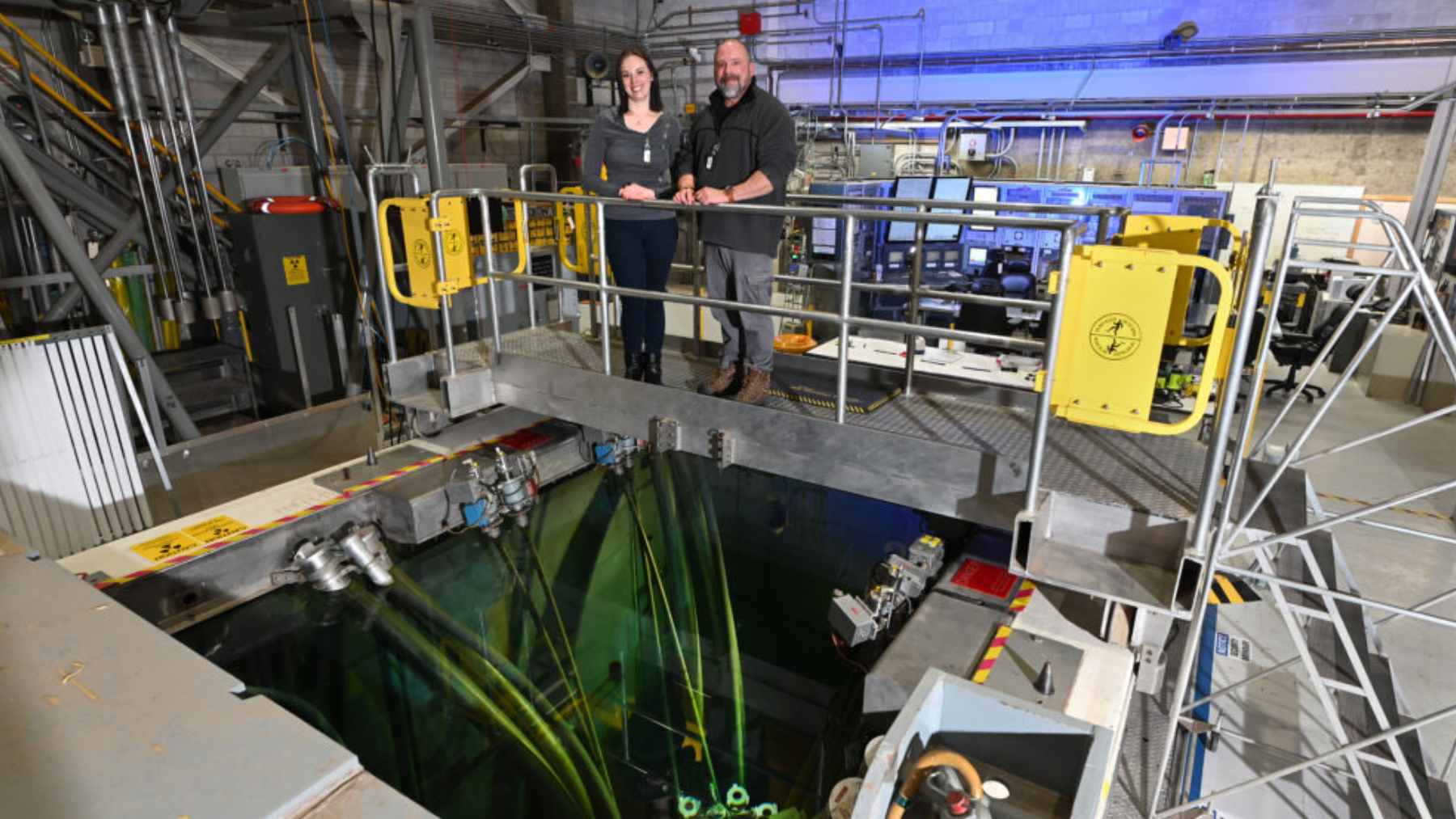
Lightbridge said the samples were removed on May 6, 2026, after testing inside the Advanced Test Reactor at Idaho National Laboratory. The company had 24 members of its fuel engineering team and senior management on site for the milestone, then met with INL leaders the next day to discuss the path forward.
This is not yet a new power plant switching on. It is a research step, but an important one, because fuel does not reach commercial reactors simply because it looks promising on paper.
Why Idaho’s reactor matters
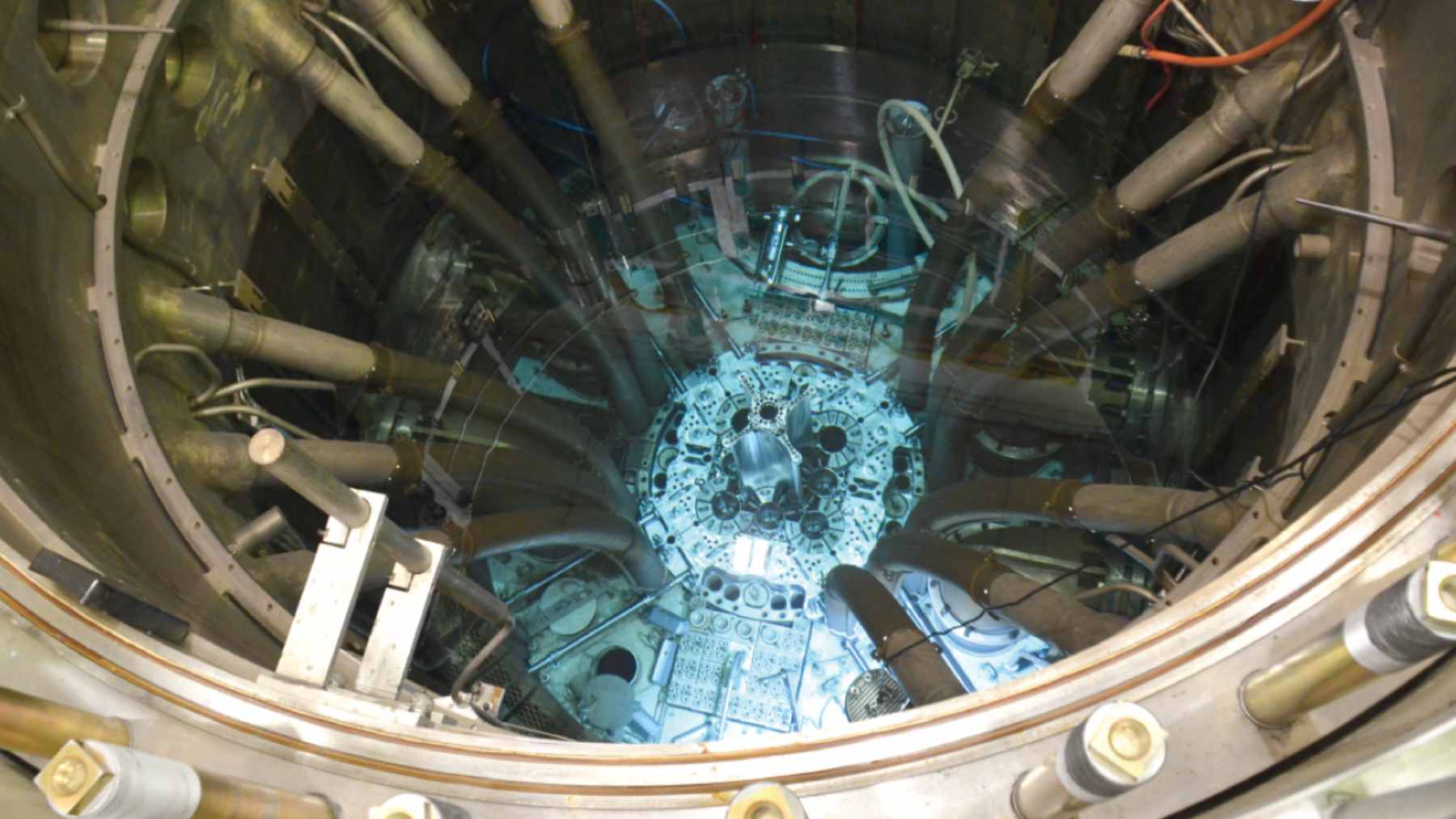
The Advanced Test Reactor (ATR) is not built to sell electricity to homes. Its main product is neutrons, which scientists use to test what years of radiation exposure can do to fuels and materials in a much shorter window.
INL describes ATR as a premier nuclear test reactor with national priority testing capabilities for military, federal, university, and industry partners.
The U.S. Department of Energy calls it the largest and most powerful research reactor in the world. It operates at about 360 psi and roughly 180°F, far below the 2,000 to 3,000 psi and 600°F typical of many commercial power reactors. Its beryllium reflector helps concentrate neutrons on the fuel and material samples being tested.
FAST testing changes the clock
The Lightbridge samples were tested using the Fission Accelerated Steady-state Testing method, known as FAST. According to Lightbridge, the method was developed at INL and uses highly enriched uranium to reach high-burnup conditions faster than conventional test methods.
In practical terms, high burnup is a little like putting hard miles on an engine to see how it holds up. Researchers want to know what happens to the fuel material after prolonged irradiation, because that information feeds the models used to predict performance under real reactor conditions. That is where the next phase comes in.
What scientists will look for next
The irradiated samples now have to cool for several months before post-irradiation examination begins later in 2026. Lightbridge says that examination will collect data on fundamental material properties under high-burnup irradiation conditions.
Those findings are expected to support fuel performance modeling and regulatory licensing efforts for possible commercial deployment. That wording matters. The company is talking about data that may help prove a case to regulators, not a guarantee that the fuel will be loaded into reactors tomorrow.
What Lightbridge says its fuel could do
Lightbridge describes its technology as a next-generation nuclear fuel for existing light-water reactors, pressurized heavy-water reactors, and small modular reactors. The company says it is developing metallic fuel rods designed to improve economics, safety, and proliferation resistance.
The fuel design includes a uranium-zirconium alloy core, a helical multi-lobe fuel rod shape, and more fuel surface area to improve cooling.
Lightbridge says the center of its fuel rods can run more than 1,800°F cooler than standard nuclear fuel, and it claims existing pressurized water reactors could achieve a 10% power uprate while extending fuel cycles from 18 to 24 months.
That sounds technical, but the everyday point is simple: if a plant can safely produce more electricity from the same reactor footprint, it could help add firm low-carbon power without building as much new infrastructure. Still, the word “if” is doing real work here.
The climate angle is bigger than one company
Nuclear energy sits in a complicated place in the climate debate. It produces low-emissions electricity around the clock, but it also faces concerns over cost, waste, construction timelines, and public trust. For the most part, advanced fuel work is one of the quieter ways the industry is trying to answer those concerns.
Better fuel cannot solve every energy problem, but it could matter in a grid where data centers, electric vehicles, air conditioning, and factories are pushing demand higher. Clean electricity is not just about what happens inside a reactor vessel. It is also about what happens when people flip on the lights at 6 p.m.
Defense and energy security are part of the story
There is also a national security layer. INL says the Advanced Test Reactor supports military and federal research, and the Energy Department notes that ATR has long supported the U.S. Navy Nuclear Propulsion Program. That makes the facility more than an energy lab–it is part of America’s broader technology and defense infrastructure.
For Lightbridge, the business path still runs through testing, modeling, partnerships, and regulation. The company has long-term framework agreements with Battelle Energy Alliance, the Department of Energy contractor that manages INL, and says the data from this campaign will support its broader testing program.
What happens now
The next few months will be quiet from the outside. The samples will cool, scientists will prepare the examination work, and the most important evidence will come from what the material looks like after irradiation. That is not flashy, but it is exactly how nuclear technology usually moves forward.
At the end of the day, this milestone is less about a single capsule being pulled from a reactor and more about whether advanced fuel can earn its place in the clean energy toolbox.
The press release was published on Lightbridge.