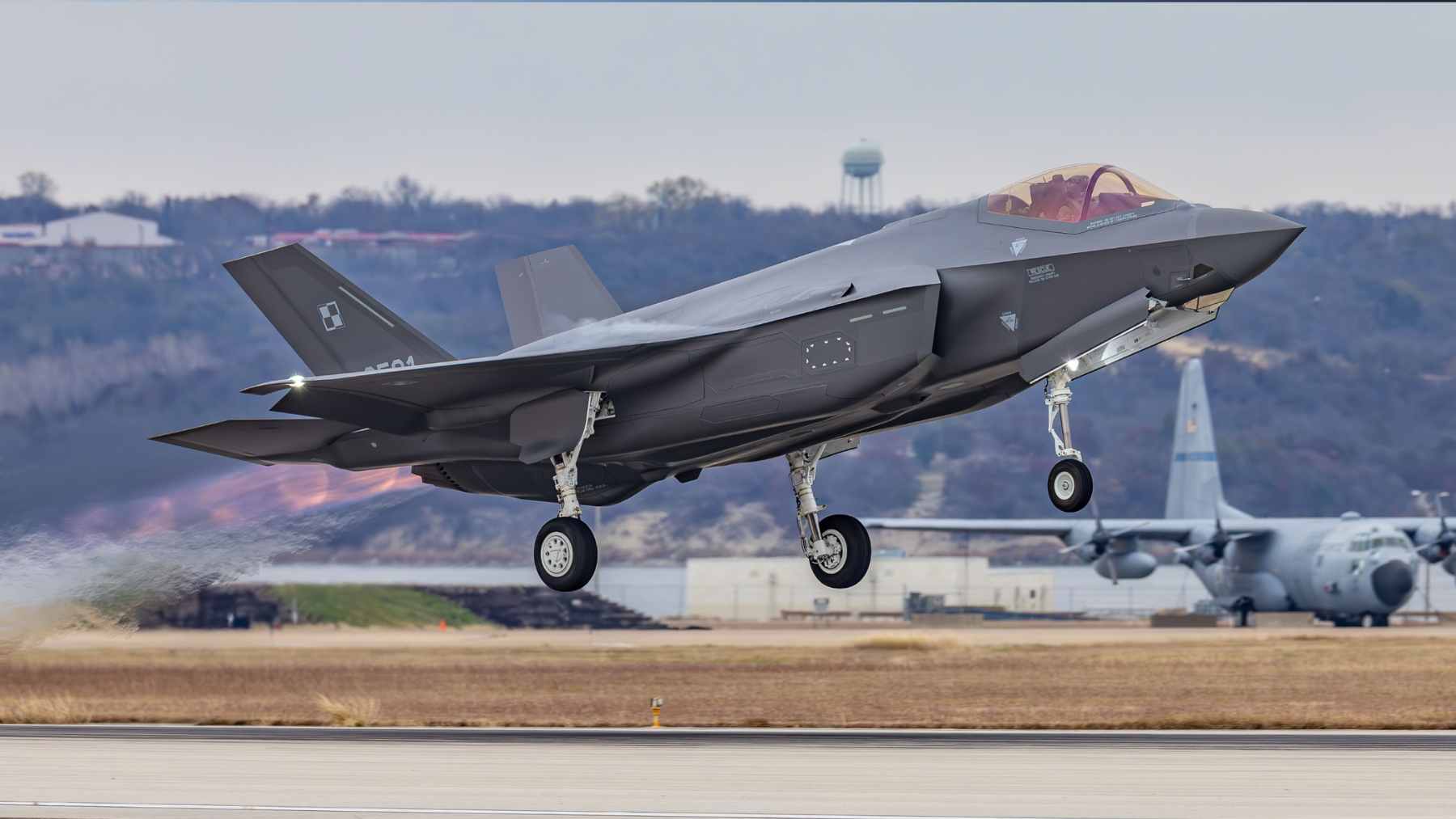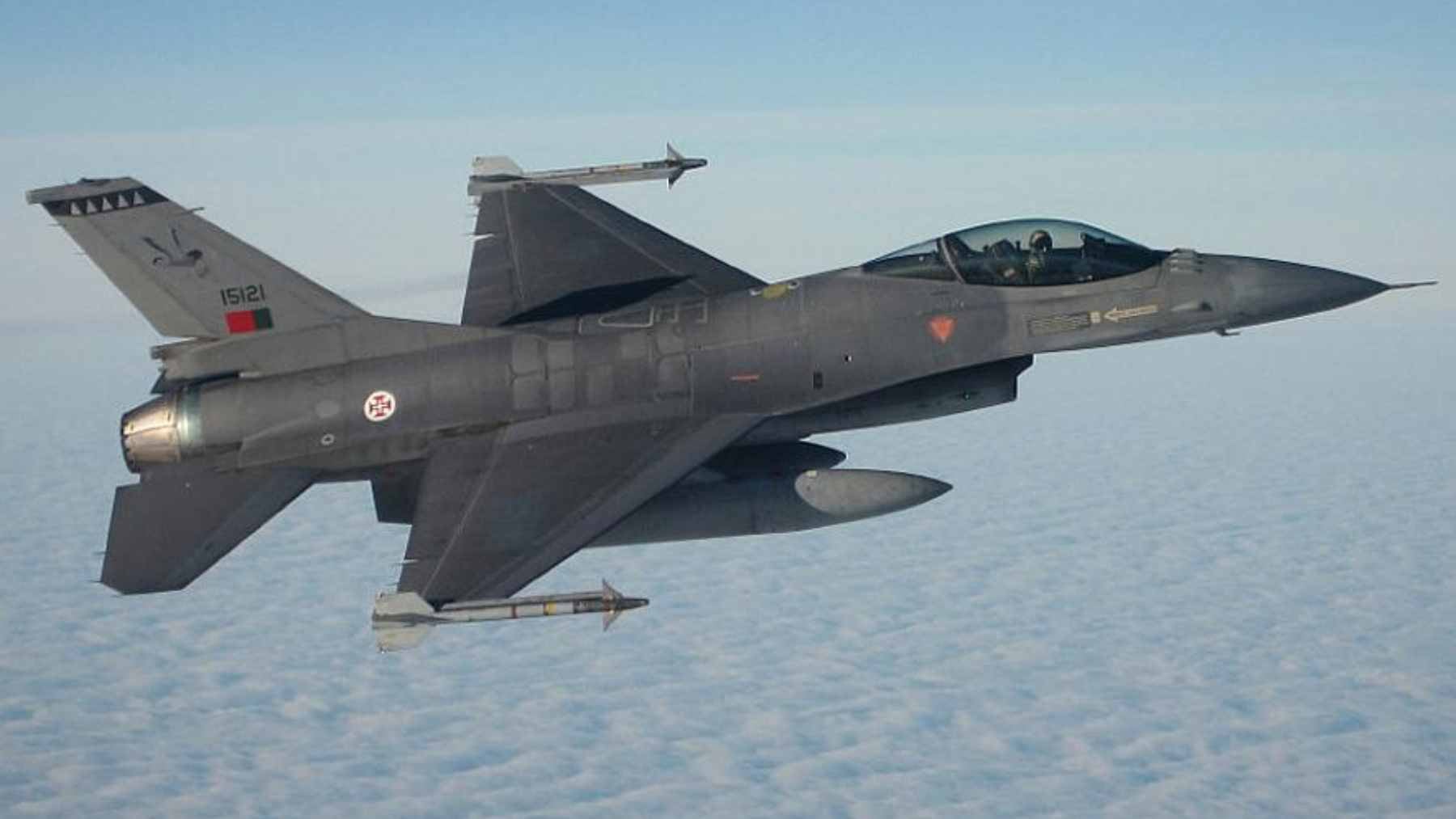
A fighter jet sitting in the middle of a city is not something most people expect to see on an ordinary walk. But in Viana do Castelo, Portugal, that unusual scene has become the clearest symbol of the Portuguese Air Force’s 74th anniversary celebrations.
The program ran from June 27 to July 5 under the theme “Flying in the Heart of Viana,” bringing aircraft, drone displays, concerts, obstacle circuits, exhibitions, and public ceremonies into the city.
The bigger story is not just the spectacle, it is how modern military aviation is trying to explain itself to ordinary people at a time when technology, public safety, and environmental impact are all under sharper scrutiny.
A fighter jet downtown
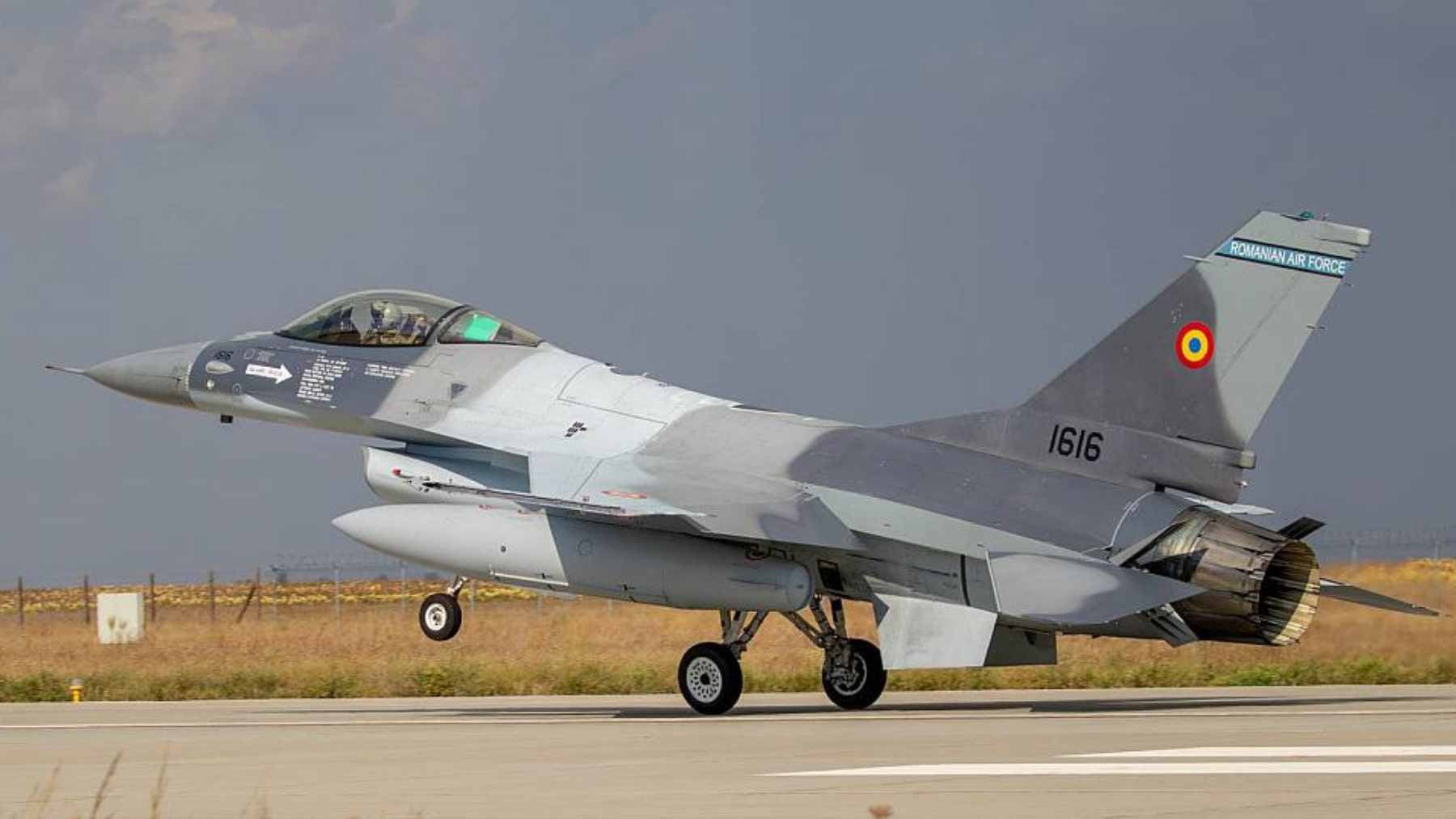
The most eye-catching attraction is the Portuguese Air Force F-16 Fighting Falcon installed in Viana do Castelo as part of the anniversary program. For families passing through the city center, it turns a piece of advanced military hardware into something almost tangible, less like a distant machine and more like a classroom object you can walk around.
That is clearly part of the point. According to the official municipal presentation, the Air Force wants to show itself as “innovative,” “modern,” “technologically evolved,” and close to the people it serves.
General Sérgio Pereira, the Air Force chief of staff, said the institution came to Viana to “celebrate the mission we carry out every day” and the people who put their lives at the service of others.
Drones over the water
One of the most modern pieces of the program came late on June 30, when an illuminated drone show was scheduled over the waters of Praia Fluvial de Nossa Senhora das Areias. It followed a concert by the Air Force Music Band with special guest Mimicat at the Jardim da Marina.
Why does that matter? Because public celebrations are changing. Traditional fireworks still dominate many big events, but a well-known study published in Atmospheric Environment found that July 4 fireworks in the United States raised 24-hour fine particle pollution by an average of 42%, with much larger spikes close to display sites.
A drone show is not magic, and it still uses equipment, batteries, transport, and electricity. But compared with explosions in the sky, it can offer cities a cleaner and quieter way to create a shared visual moment. That provides the spectacle without smoke drifting into neighborhoods or debris falling near water.
Aviation still faces scrutiny
The environmental question does not disappear just because a drone show lights up the night. Military aircraft burn jet fuel, and every public flight demonstration now lands in a world where aviation emissions are being watched more closely by governments and citizens.
The U.S. Energy Information Administration estimates that jet fuel produces about 22 lbs. of carbon dioxide per gallon burned. In Europe, aviation accounted for about 3.8% to 4% of total greenhouse gas emissions in 2022 and 13.9% of transport emissions, according to the European Commission.
That does not mean one anniversary demonstration is a climate driver by itself. It does mean air forces have to communicate better about what they do, why they fly, and how technology may change their operations over time. The trouble is, the public sees the jet first and the mission later.
More than a spectacle
The Viana program also tries to remind visitors that military aviation is not only about combat aircraft. The official schedule includes exhibitions on the history of the Air Force, “Great Aeronautical Journeys of the Portuguese,” military obstacle circuits at Cabedelo Beach, an aerospace conference, public concerts, and sports activities for children.
There is also a practical service record behind the public relations push. During the program presentation, Viana officials said the Air Force book “Voar para Salvar 2025” covered more than 1,500 missions, supporting 960 people and totaling more than 5,650 mission flight hours in 2025.
That part matters for the environmental story, too. Air forces are often called into emergencies where climate and geography collide, from wildfire support to maritime rescue. In 2025, the Portuguese Air Force also reported 180 missions supporting rural firefighting efforts, totaling close to 700 flight hours, according to Diário de Notícias citing the institution.
The city becomes the stage
The anniversary celebrations are spread across Viana do Castelo rather than locked inside one military venue. The opening included a flag-raising ceremony at Praça Eixo Atlântico, followed by exhibitions at the Centro Cultural and the Antigos Paços do Concelho.
The second week keeps that community-first rhythm. July 1 brought the inauguration of a commemorative monument at Praça Marques Júnior, along with music in hospitals, care homes, and public spaces. The city described the monument as a permanent tribute, designed with corten steel, granite, and a cutout inspired by Viana’s filigree tradition.
Then comes the big finish. On July 5 at 4 p.m. local time, aircraft from the Portuguese Air Force are scheduled to perform an aerial capabilities demonstration along the waterfront, followed by the lowering of the flags at 6 p.m.
What visitors should watch
For visitors, the easiest story is the impressive one. There is an F-16 on display, drones over the water, music by the marina, and aircraft passing above the riverside–not a bad summer postcard.
The more important story sits underneath, though. Defense institutions are using public events like this to show technology, recruit attention, build trust, and explain why their missions still matter in everyday life.
At the same time, cities and militaries are being asked to think harder about noise, fuel, air quality, and fragile waterfront spaces. The drone show is a small sign of that shift. The jets are a reminder that the shift is far from finished.
The official statement was published on Viana do Castelo municipal website.