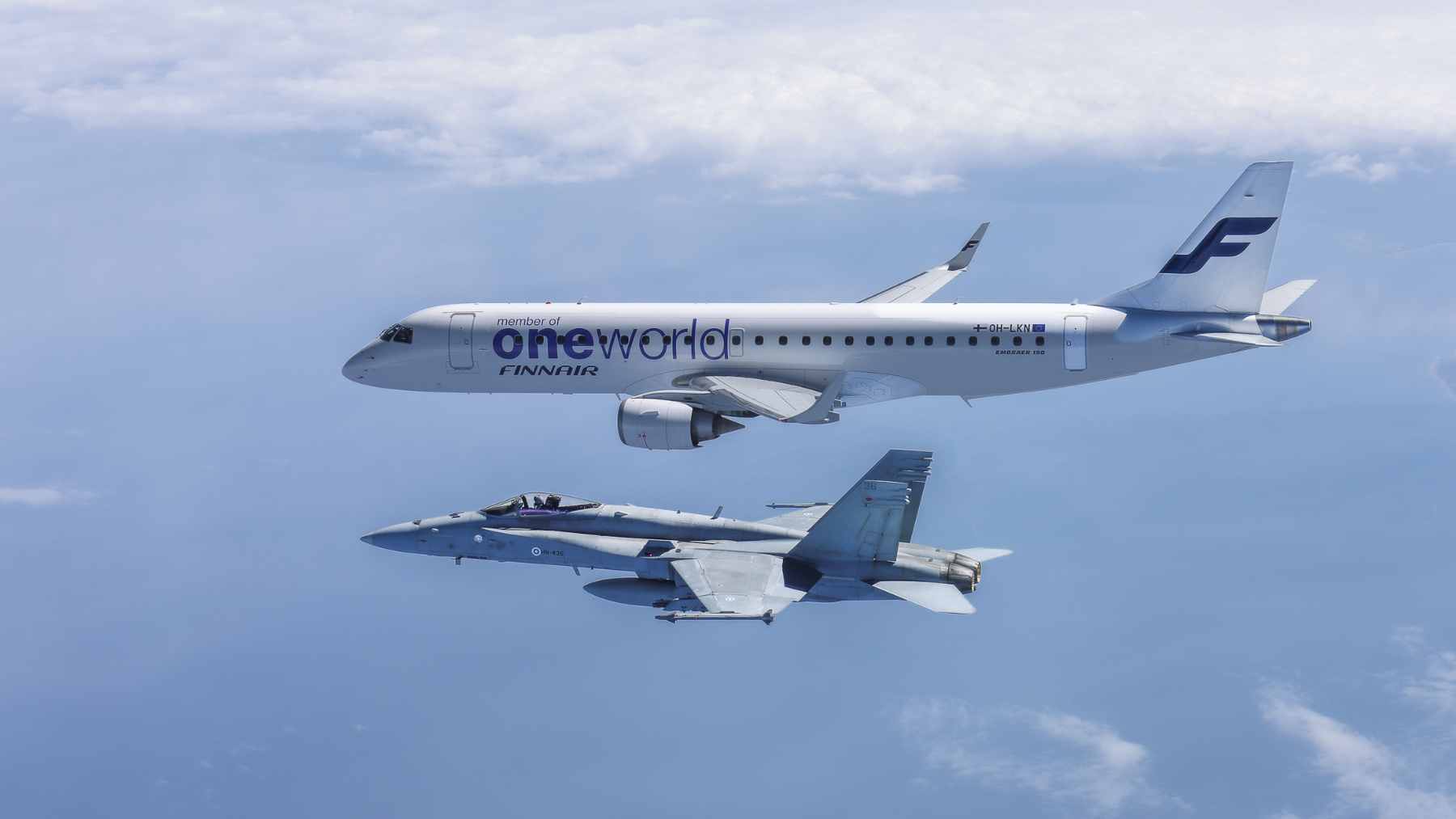
Finland’s men’s ice hockey team came home with gold, and the welcome was anything but quiet. On June 1, two Finnish Air Force F/A-18 Hornets flew alongside Finnair flight AY7516 as it carried Leijonat from Zurich to Helsinki after Finland beat Switzerland 1-0 in overtime in the 2026 IIHF World Championship final.
At first glance, it looked like a pure national celebration, the kind of moment that makes people reach for their phones by the airport window. But the Finnish Air Force said the escort also served a practical purpose, with pilots using the mission to practice aircraft identification procedures.
That small detail turns a feel-good sports story into something bigger, touching defense readiness, airline business, and the environmental questions now attached to almost every flight.
A salute with training built in
The escort took place over the sea south of Hanko, where the two Hornets joined the Finnair aircraft and accompanied it toward Helsinki-Vantaa Airport. The aircraft being escorted was an Embraer 190, a regional jet type often used on shorter European routes.
The Air Force framed the moment both as congratulations and as operational training. In practical terms, an identification flight is when a military aircraft gets close enough to another plane for a visual check, a normal but serious air-policing skill.
That is what made the scene so striking. For hockey fans, it was a hero’s welcome. For pilots, it was another chance to practice a task that has to feel routine when it really matters.
The aircraft mattered
The passenger jet was part of Finnair’s regional setup, operated through Norra, which says it flies 12 Embraer 190 jets and 12 ATR 72 turboprops. Norra also says each of its Embraer 190 aircraft has 100 passenger seats.
Finnair says its Embraer 190s fly mainly within Finland, the Nordic countries, and some Central European routes. The airline also says the aircraft typically cruises at about 541 mph and can fly as high as 41,000 ft.
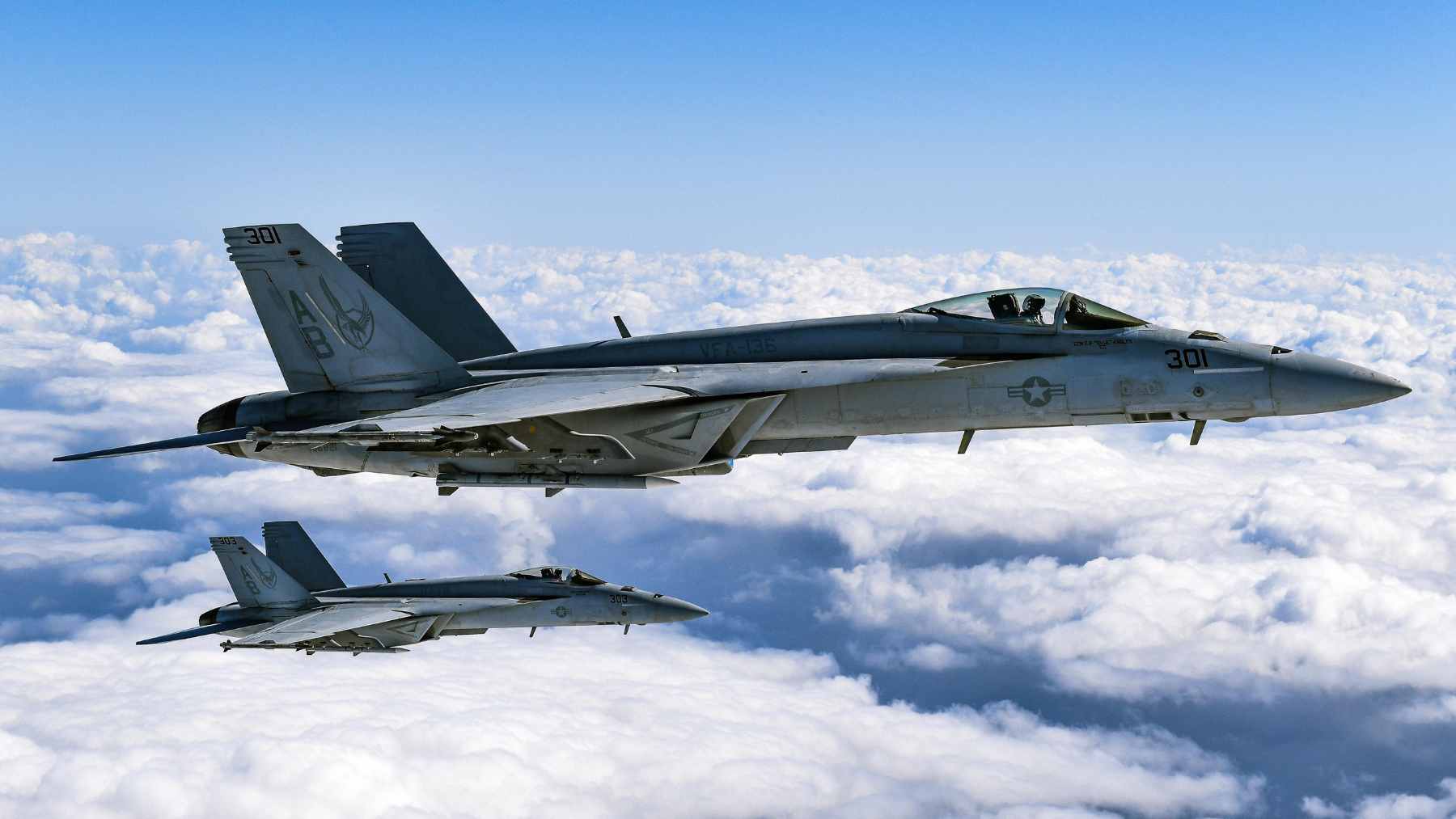
The fighters are in another category entirely. According to a Finnish Air Force fact sheet, the F/A-18C/D Hornet is a twin-engine multirole fighter flown for peacetime training and air policing, with a maximum operating weight of about 52,000 lbs.
Why the climate angle is real
One ceremonial escort will not define Finland’s aviation footprint. Still, aviation is under growing scrutiny because it remains hard to decarbonize, and the International Energy Agency says the sector accounted for 2.5% of global energy-related CO2 emissions in 2023.
The Finnish Air Force post did not include fuel-use or emissions figures for the escort. That is not unusual, but it matters, because without flight-hour and fuel data, nobody outside the operation can fairly calculate the extra footprint.
There is another wrinkle. If the Hornets were carrying out training that would have happened anyway, the environmental cost looks different from a purely added ceremonial flight. That is the kind of nuance that gets lost when the photo is more dramatic than the paperwork.
Finnair’s bigger bet
The business side of this story is also changing fast. In March, Finnair announced firm orders for 18 Embraer E195-E2 aircraft, with options for 16 more and purchase rights for another 12, as part of a broader short-haul fleet renewal plan.
By Finnair’s account, the E195-E2 offers more than 30% better fuel efficiency per seat compared with the previous-generation E190-E1. That does not make flying clean overnight, but it does matter on routes where the right aircraft size can reduce waste.
At the end of the day, efficiency is the easy place to start. Cleaner fuel, better scheduling, and fewer poorly matched flights are harder, but that is where the aviation industry’s climate math gets real.
Europe is tightening rules
Because this flight came from Zurich, the fuel policy backdrop is especially interesting. The European Commission says Switzerland adopted the ReFuelEU Aviation regulation as of January 1, 2026, meaning fuel suppliers at Zurich and Geneva airports must ensure a minimum 2% sustainable aviation fuel blend, rising steadily to 70% by 2050.
That does not prove what fuel mix was used on AY7516. It simply shows the direction aviation policy is moving, even for ordinary-looking flights that become national moments.
The European Commission has also said Europe needs to reduce transport emissions by 90% by mid-century to meet its climate goals. For airlines, that turns aircraft choice and fuel sourcing into boardroom issues, not just engineering details.
A last ride for the Hornet era
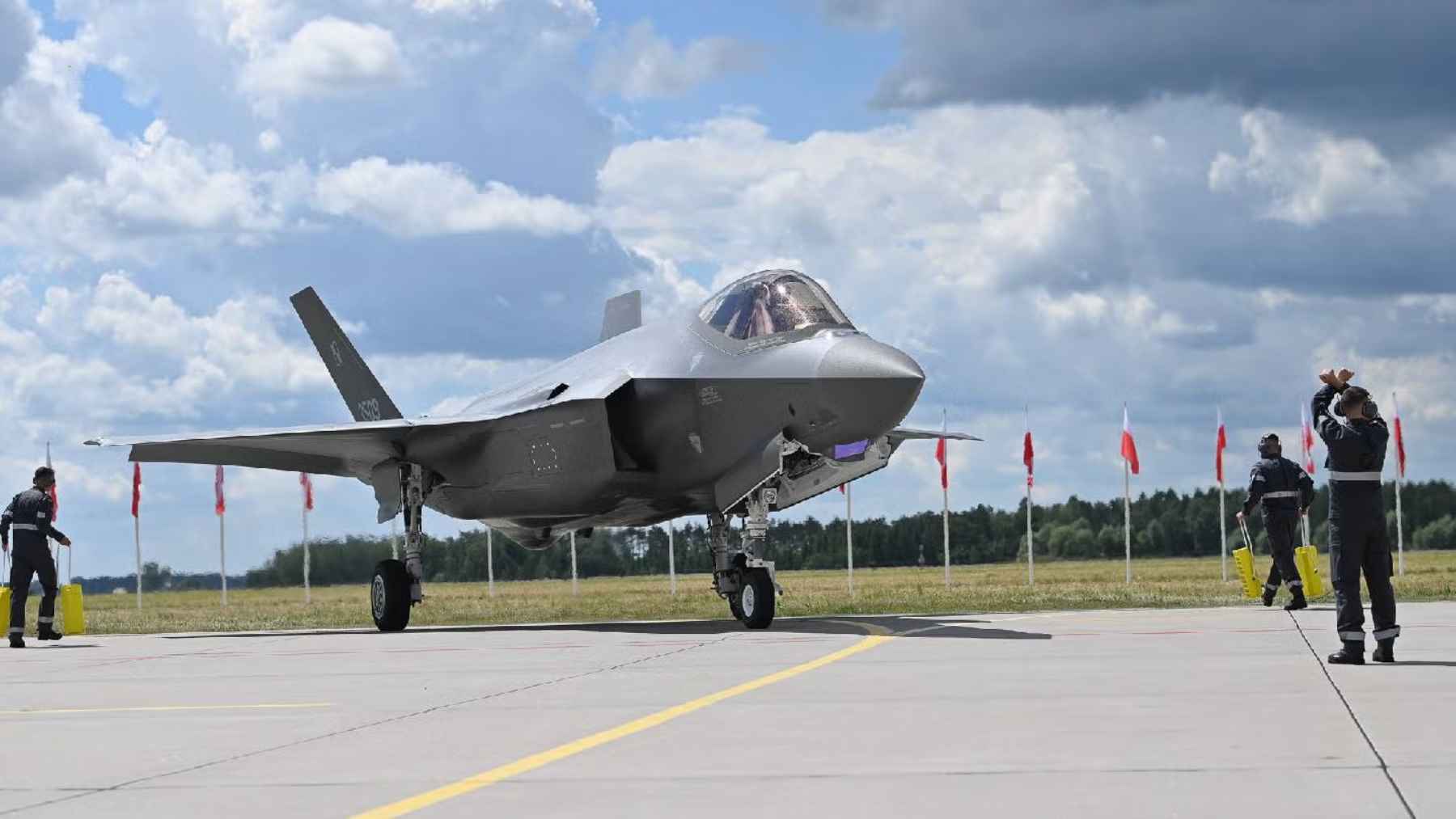
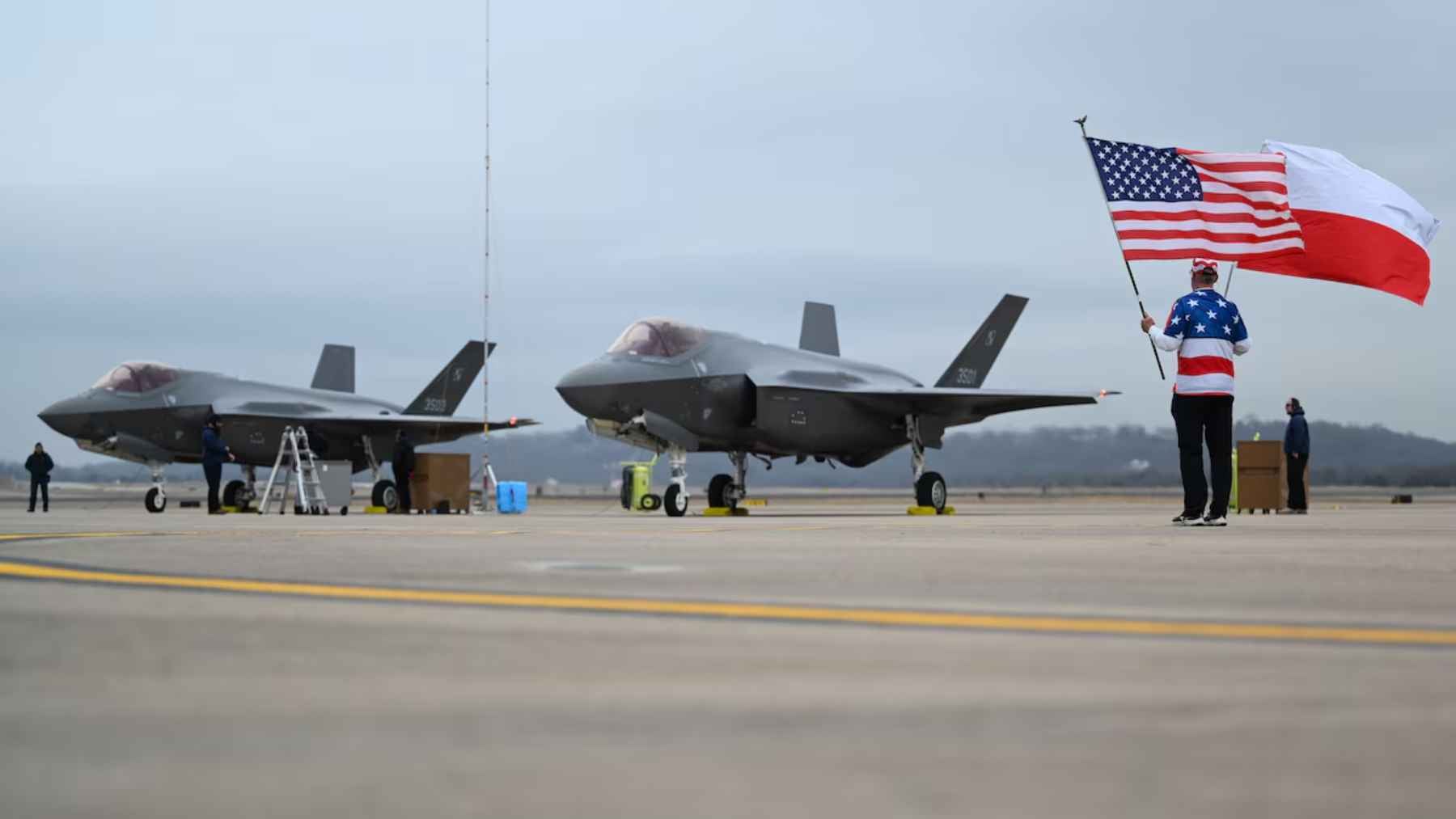
The escort also came as Finland prepares for a major defense technology shift. The Finnish Defense Forces say the F-35 will replace the country’s current Hornet fleet by the end of 2030, with the first Finnish F-35 fighters entering service in 2026.
That matters because air defense is no longer just about speed. It is sensors, data links, dispersed operations, and coordination with allies, and Finland’s Hornets have already been upgraded with systems such as Link 16.
So the Hanko escort may end up being remembered as more than a sports celebration. It was also a glimpse of an aging fighter fleet doing its job before a new generation takes over.
What to keep in mind
The basic fact is simple. Finland honored its world champions while using the moment to practice aircraft identification, and the public information available points to both celebration and training.
The bigger point is less simple. Every aviation decision, from a fighter escort to a regional fleet renewal, now sits inside the same question: how does a country stay connected, defend itself, and still cut emissions?
For Finland, that answer is being written in the sky one flight at a time.
The official statement was published on X.