Commercial supersonic travel is creeping back into the conversation, and this time it is arriving with a key promise: go faster than sound without the window-rattling noise that helped push Concorde out of favor.
In late March 2026, the U.S. House passed legislation aimed at loosening the decades-old ban on overland civil supersonic flight, as long as “no sonic boom reaches the ground.”
At the same time, Boom Supersonic says it expects to start producing its Overture airliner in about two years, targeting entry into service later in the decade.
The tech is moving, the politics are moving, and the business case is getting louder. But the environmental math is still sitting on the runway, waiting to see if anyone will actually pay for it.
The “son of Concorde” is now a real program
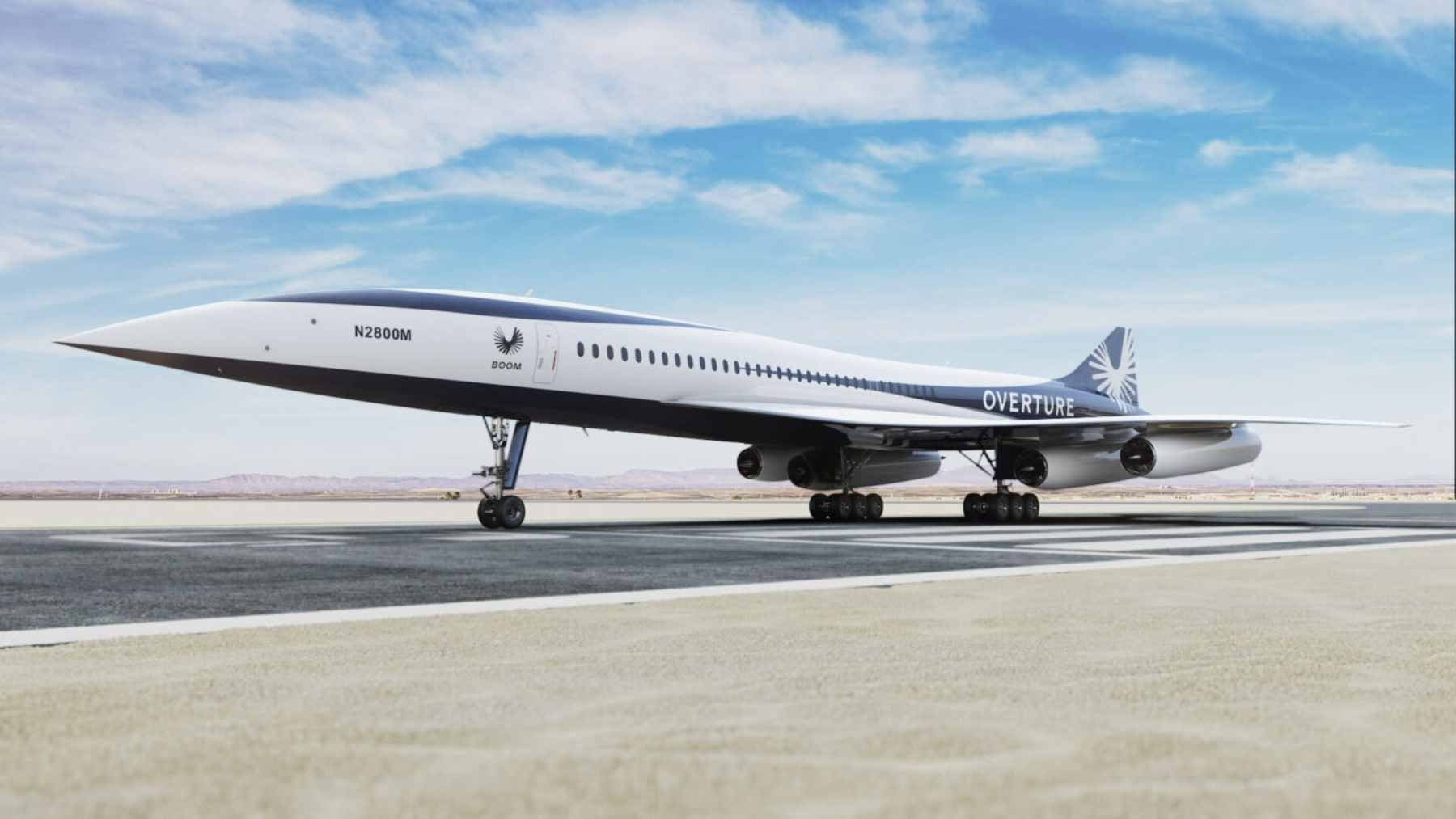
Boom’s pitch is straightforward. Overture is designed to carry about 60 to 80 passengers, cruise at Mach 1.7, and fly routes up to 4,250 nautical miles, all while being “compatible” with 100% sustainable aviation fuel.
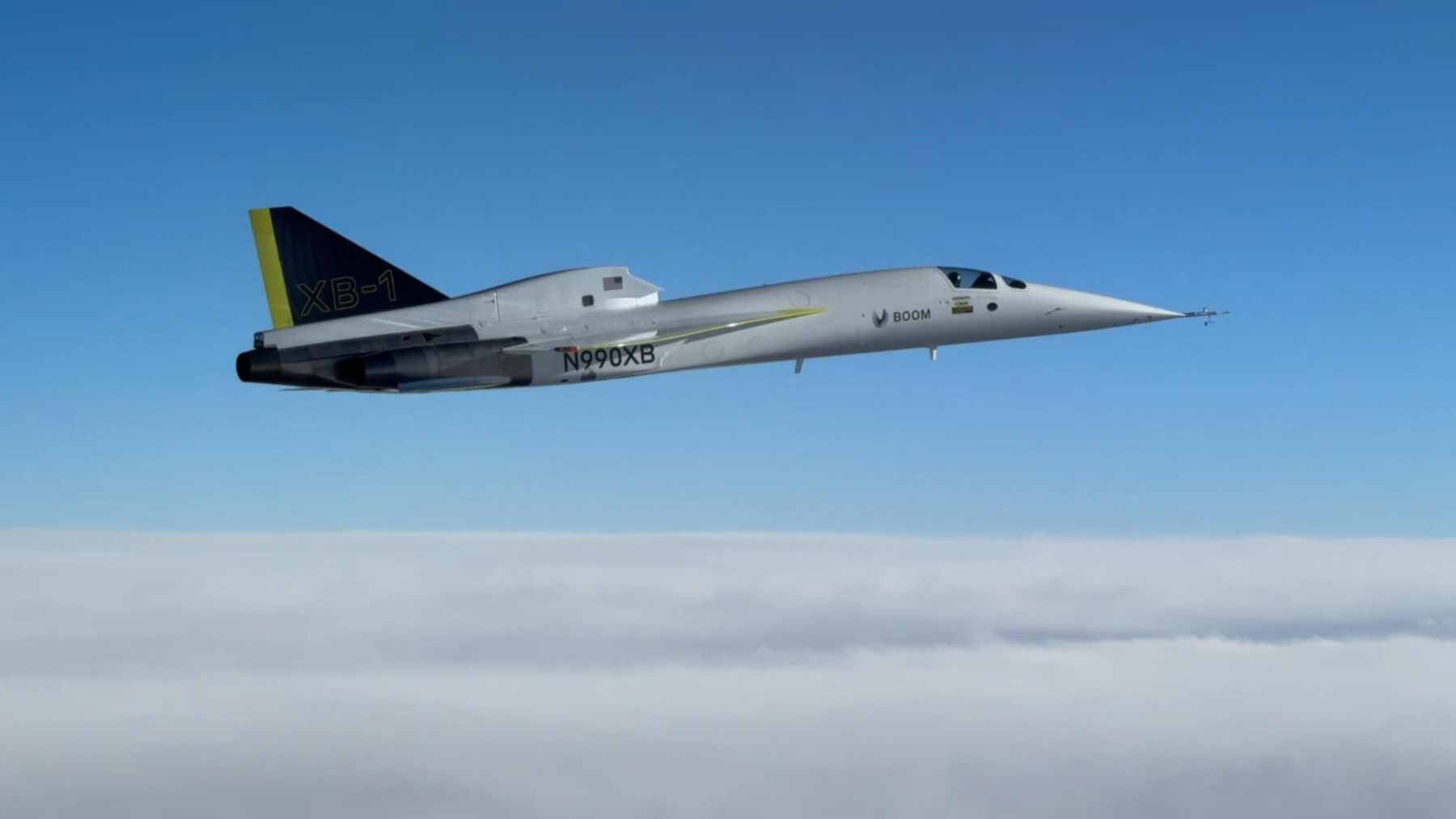
This is not just concept art anymore. In January 2025, Boom’s XB-1 demonstrator broke the sound barrier over the Mojave Desert, and a February 2025 supersonic flight produced NASA-captured schlieren imagery showing shock waves while Boom said no audible sonic boom reached the ground.
The law is chasing one problem: noise
For decades, the U.S. regulatory wall has been clear. A civil aircraft generally cannot fly faster than Mach 1 over the United States without special authorization and controls meant to prevent a sonic boom from reaching the surface.
The Supersonic Aviation Modernization Act passed by the House on March 24, 2026 is built around a single idea. If an operator can prove the flight will not create a boom people can hear on the ground, the FAA should update its rules to allow it. That is a big shift, and it puts “boomless” technology at the center of the next regulatory era.
Fuel burn is the uncomfortable part of the story
Quiet does not automatically mean clean. Independent analyses have repeatedly warned that a typical commercial supersonic transport could burn dramatically more fuel per passenger than today’s subsonic aircraft on comparable routes, with one ICCT assessment estimating roughly 5 to 7 times as much fuel per passenger.
Even if supersonic stays “premium” and small, aviation’s climate footprint is not a rounding error. Total aviation emissions contributed about 2.5% of global CO2 emissions in 2023, and that is before you add the extra warming from contrails and other non-CO2 effects.
At 60,000 feet, the atmosphere plays by different rules
Overture is designed to cruise around 60,000 feet, which is higher than most subsonic airliners. That altitude changes the environmental equation, because emissions interact differently with the upper atmosphere and the lower stratosphere.
Researchers have long flagged ozone risks from supersonic fleets, largely tied to nitrogen oxides and sulfur chemistry at cruising altitude.
A NASA technical report on supersonic cruise aircraft in the stratosphere found measurable ozone depletion effects in modeled scenarios, even as it also noted contrails may be much less likely to form behind supersonic jets compared with subsonic aircraft. Less contrail warming can help, but it does not erase the rest of the chemistry.
Sustainable fuel is not a magic switch
Boom and much of the industry lean heavily on sustainable aviation fuel, and Boom says Overture is designed around it. In practical terms, the climate claims depend on supply chains that are still limited, expensive, and unevenly available across airports and regions.
There is also the “seat math” that airlines care about when they price tickets. Another ICCT study looking at future supersonic scenarios warned of very high fuel burn per seat-kilometer compared with subsonic baselines, which can translate into higher operating costs unless fuels and technology change dramatically.
If you have ever watched airline fares jump when jet fuel spikes, you already know how quickly those costs trickle down.
Defense and NASA are part of the same ecosystem
Supersonic is not only a commercial story. In June 2025, a set of U.S. executive actions tied aviation modernization to national security themes like drone defenses and airspace monitoring, while also pushing the FAA to revisit the overland supersonic restriction if there is no audible boom.
NASA is also trying to rewrite what “supersonic” sounds like. The X-59 quiet supersonic jet completed a major early test flight in late 2025, and NASA’s broader plan includes community response testing to understand what people actually tolerate on the ground.
That kind of data is likely to shape future standards, and it will matter for both civilian and defense-linked, high-speed programs.
What to watch before the hype becomes flight schedules
The next two years will be crowded with milestones. Boom says production is approaching, it points to an order book of 130 orders and pre-orders, and it is building an industrial footprint to make the airplane at scale.
But the real environmental test will look less flashy than a shockwave photo. Watch how regulators measure climate impact beyond CO2, how they treat high-altitude emissions and ozone risk, and whether “boomless” becomes a shield that distracts from fuel burn. Faster travel is tempting, sure, but the atmosphere does not care about our tight connections.
The press release was published on Nehls.house.gov.