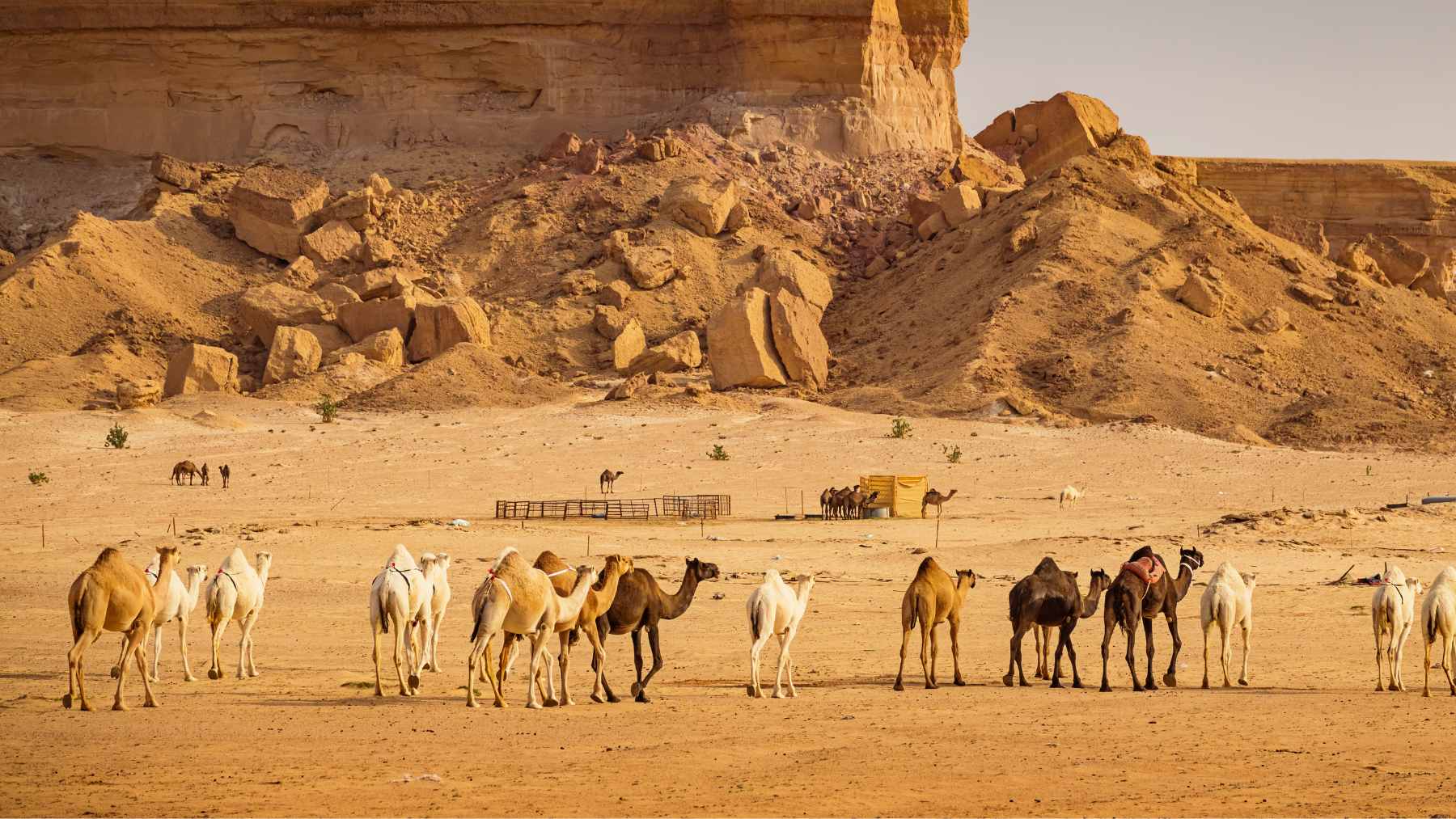
Saudi Arabia is surrounded by desert, yet one of the stranger truths of modern construction is that much of that sand cannot hold up a tower, a bridge, or a neighborhood of new homes.
In 2023, World Bank WITS data show the kingdom imported $1.22 million in non-metal-bearing natural sands, including about $138,600 from Australia–a small number with a big message. For a country pouring money into new cities and infrastructure, the issue is not sand scarcity. It is sand quality.
The problem comes down to the shape of a grain you can barely see between your fingers. Desert sand has been polished by wind for thousands of years, leaving grains that are often smooth, round, and too uniform to lock tightly into concrete. Concrete needs rougher grains that grip cement paste and each other. That’s where the environmental story begins.
Why desert sand fails
Think of concrete as a rocky puzzle held together by cement. River sand, quarry sand, and some marine sand tend to have rougher, more angular grains, which helps the mix interlock as it hardens.
Desert sand behaves differently. It can act more like tiny ball bearings, slipping instead of gripping, and that weakens the finished material. For a garden path, that might be an inconvenience, but for a high-rise, it is a serious engineering problem.
That is why a desert nation can still need imported sand. Not all sand is the same, and in construction, that tiny difference can decide whether a structure lasts.
A small trade flow with a big lesson
The Australian sand figure is not large by the standards of global trade, but it captures a much bigger paradox. Saudi Arabia has vast dunes, yet usable construction sand often has to come from places where water, rock crushing, or geological history produced sharper grains.
WITS data also show that Saudi Arabia imported about $5.23 million in silica and quartz sands in 2023, mostly from China, Belgium, the United States, India, and the United Arab Emirates. In practical terms, the kingdom both has sand and participates in a global sand market–two things that can be true at the same time.
It sounds odd at first, but anyone who has tried to build something with the wrong material knows the feeling. A screw that is a little too short, a board that is slightly warped, a mix that will not set right. Scale that up to roads, ports, towers, and new districts, and the supply chain starts to matter fast.
The global sand gap
UNEP’s latest warning puts the Saudi example in a much wider frame. The world uses about 55 billion tons of sand and gravel every year, and demand for sand used in buildings alone is projected to rise by up to 45% by 2060. That is not a niche materials issue, it is one of the biggest resource questions hiding in the background.
By UNEP’s framing, sand has a double life. Once it is dug up and turned into concrete, asphalt, or glass, it becomes “dead” sand, removed from the natural systems where it once filtered water, supported habitats, or helped protect shorelines. Left in rivers, deltas, and coastal areas, it remains “alive” sand, doing quiet work that most people never notice.
That’s the trouble. The same resource that helps build homes and hospitals can also defend coasts, feed beaches, protect aquifers, and support fisheries. Pull too much from the wrong place, and the bill may show up later as erosion, habitat loss, or flood risk.
Nature pays the hidden cost
For importing countries, the transaction can look clean. A shipment arrives, a project continues, and a skyline grows. But the environmental cost may sit somewhere else, often in a riverbed, a coastline, or a marine area that loses material faster than nature can replace it.
UNEP says sand extraction from fragile ecosystems can damage biodiversity, tourism, water supply, and local livelihoods. Its 2026 statement also warns that about half of dredging companies are operating within Marine Protected Areas, accounting for 15% of the dredged volume tracked by UNEP’s Marine Sand Watch. That detail should make regulators pause.
So the question is not whether cities should stop building–they will not. The better question is whether governments and companies can trace sand, price its true environmental cost, and avoid treating beaches and seabeds like endless warehouses.
Technology may change the mix
There are alternatives, though none is a magic wand. UNEP has pointed to crushed rock, recycled construction and demolition material, and other substitutes as part of a more circular approach to sand use. Manufactured sand is especially important because machines can crush rock into angular grains that behave more like the material concrete needs.
Recycled concrete can help, too. Old buildings, roads, and slabs can be crushed and reused in new construction, reducing pressure on river and marine sources. It takes planning, standards, and processing capacity, but the logic is straightforward. Why mine a river if a demolished structure can become part of the next one?
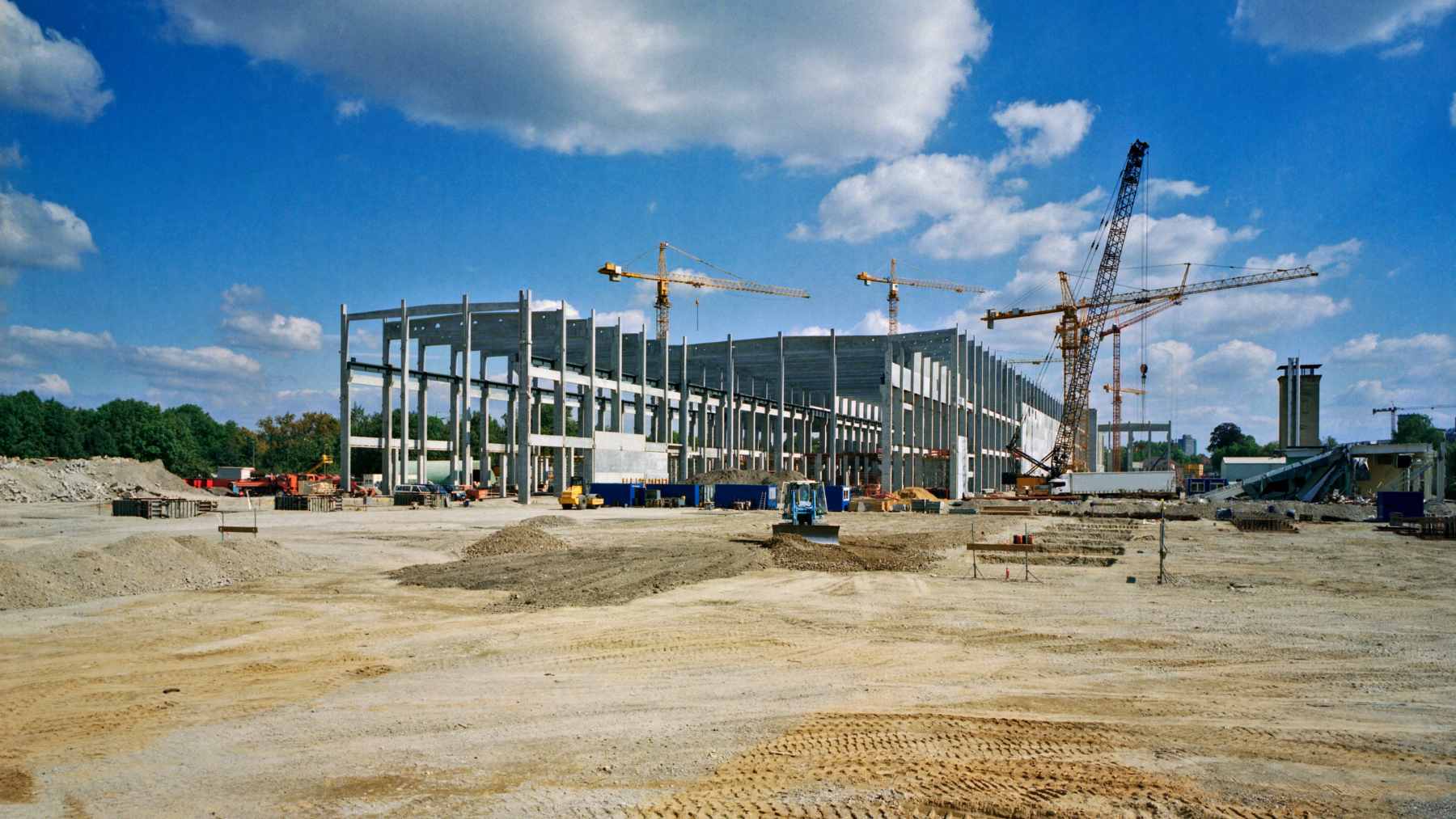
For Saudi Arabia and other fast-building economies, this is where the business opportunity sits. The country that cannot rely on its dunes may be pushed toward smarter materials, tighter sourcing rules, and cleaner construction technology. Sometimes a shortage is really a signal.
Sand is no longer simple
The Saudi sand paradox is easy to laugh at, at least for a second. A desert nation importing sand from abroad feels like a punchline, but the physics are real, and so is the environmental pressure behind the trade.
At the end of the day, the story is not about running out of sand in the ordinary sense. It is about running short of the right sand, in the right place, with the right ecological safeguards.
That makes sand less like dirt under our feet and more like oil, water, or lithium, a strategic resource that has to be managed carefully.
The official press release was published on UNEP.