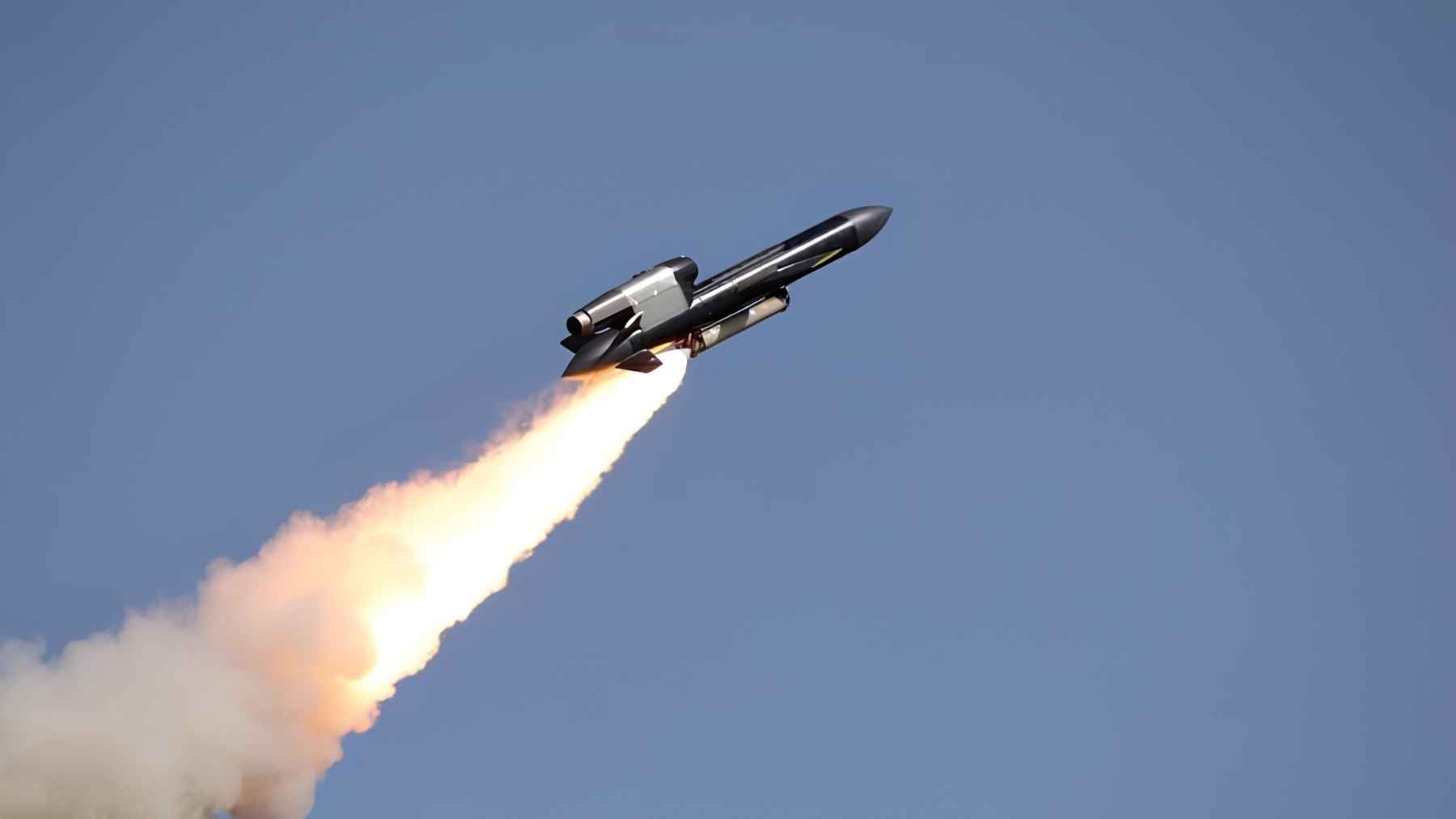
A rocket test in Florida has turned into a very earthly problem for Blue Origin, NASA, and communities along the Space Coast. The company’s New Glenn rocket exploded during a hotfire test at Launch Complex 36 on May 28, destroying major hardware and triggering warnings that launch vehicle debris could wash ashore in public areas over the coming days or weeks.
No injuries were reported, which matters most, but the blast now raises two urgent questions. How quickly can Blue Origin recover its only active New Glenn launch site, and what does the incident mean for NASA’s plan to build a sustained presence near the Moon’s South Pole by 2028?
A blast with beach warnings
Blue Origin said it experienced an “anomaly” during the test and that “all personnel have been accounted for.” The test was being conducted ahead of the planned NG-4 mission, which was expected to carry Amazon Leo satellites into orbit.
For people near the coast, the immediate concern is simpler. Space Launch Delta 45 warned that debris could wash ashore and told the public to report it to 911 because launch vehicle debris may be hazardous and should not be touched. That is the kind of warning that changes a morning walk on the beach into something more serious.
Why the pad matters
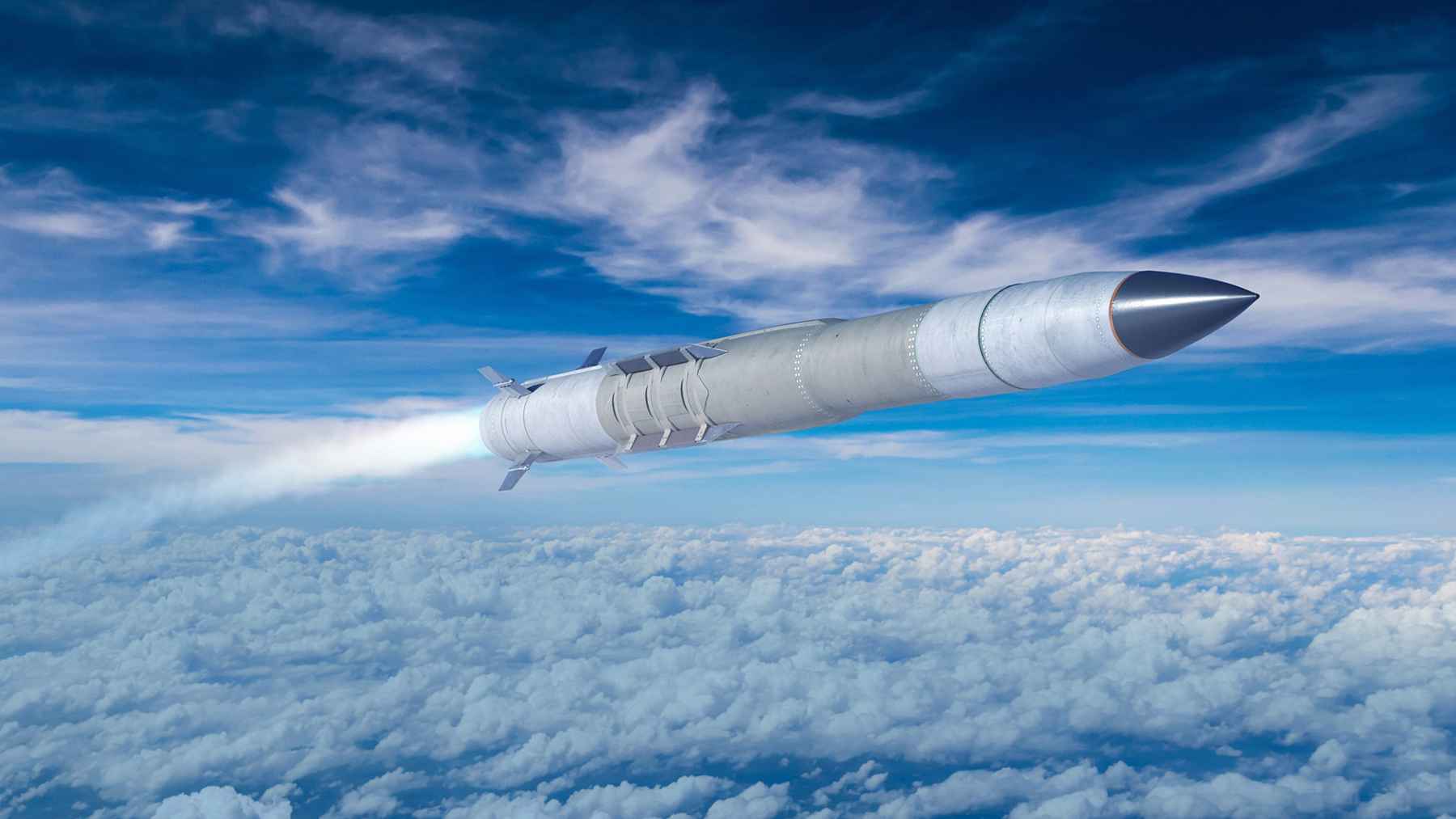
New Glenn is not a small vehicle. Blue Origin describes it as a reusable rocket standing more than 320 ft. tall, with a 23-ft. fairing and the ability to send more than 99,000 lbs. to low Earth orbit. Its first stage uses seven BE-4 engines fueled by liquid oxygen and liquefied natural gas.
That size is exactly why the pad matters so much. Launch Complex 36 is not just a concrete slab with a tower. Blue Origin says the complex includes the launch pad, vehicle integration, first-stage refurbishment, propellant facilities, and environmental control systems, and the company has invested more than $1 billion rebuilding it.
The cleanup is part of the story
After the fireball, Blue Origin CEO Dave Limp posted that the propellant farm, oxygen, liquid hydrogen, and LNG tanks were in good shape. He also said the water tower was fine and that the damaged support tower could be repaired in place rather than torn down.
That is good news, to a large extent, because long lead equipment can slow any rebuild. Still, the company also said debris may wash ashore and asked people not to touch or approach it. In other words, this is not only an aerospace investigation but also a public safety and environmental cleanup issue along a busy stretch of Florida coast.
NASA’s Moon Base timeline just got harder
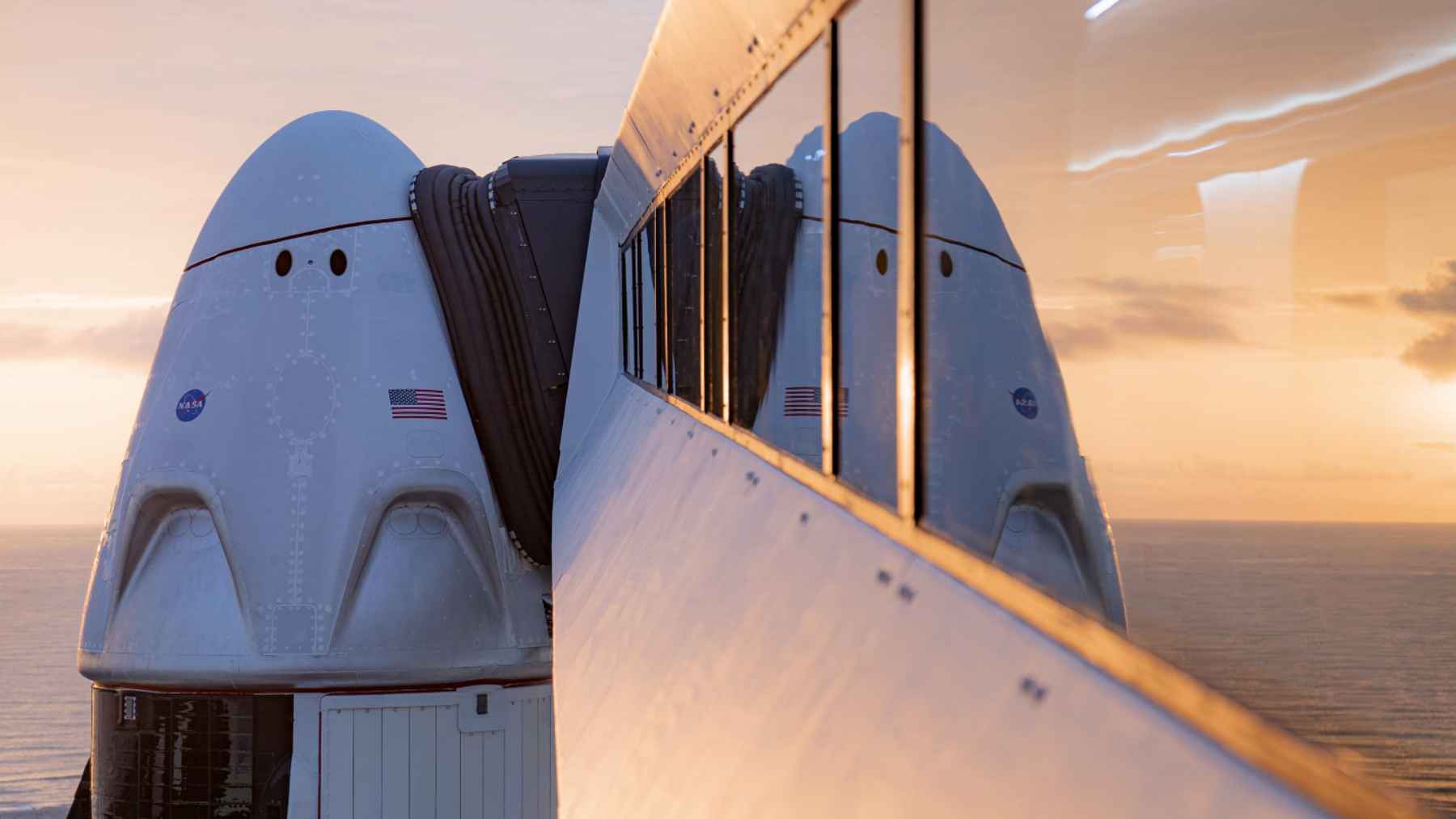
The timing is especially difficult for NASA. Just two days before the explosion, the agency announced Moon Base missions intended to begin building sustained operations near the lunar South Pole, including Moon Base I, which would use Blue Origin’s Blue Moon Mark 1 Endurance lander no earlier than fall 2026.
NASA said that mission is meant to reduce risk for future crewed Artemis landings in 2028. The agency also awarded Blue Origin $188 million, with an option period worth $280.4 million, for two task orders tied to rover delivery and lunar infrastructure development.
SpaceX is watching, too
This is also a business and defense story, not just a science story. New Glenn is built to serve civil, commercial, and national security customers, while Amazon Leo is meant to compete in the crowded satellite broadband market. A long pause would ripple beyond Blue Origin’s lunar ambitions.
On the other hand, this does not automatically hand the Moon to SpaceX. NASA’s own watchdog warned in March that both SpaceX and Blue Origin have faced delays, technical challenges, and integration risks as the agency tries to accelerate lander development for a 2028 lunar landing date. The trouble is, the clock is moving faster than the hardware.
Reusability meets reality
Blue Origin has often framed New Glenn as part of a cleaner and less wasteful launch future. The company says the first stage is designed for at least 25 flights and that using LNG can be cleaner burning than traditional kerosene-based rocket engines.
But reusability only works when the system can survive testing, fly often, and return safely. A reusable rocket lost before launch is a reminder that the environmental promise of modern spaceflight depends on execution, not slogans.
The same goes for beach debris, damaged towers, and months of repair work.
What happens next
Blue Origin says it is investigating the hotfire anomaly and has started planning the pad cleanup and rebuild. Limp also wrote that the company will fly again before the end of the year, although Reuters reported that NASA Administrator Jared Isaacman said pad repairs could take “some serious time.”
For now, the clearest advice is also the most practical. Anyone who sees suspected debris should leave it alone and report it, while NASA and Blue Origin sort out what failed and how much schedule margin remains.
The official statement was published on Blue Origin.