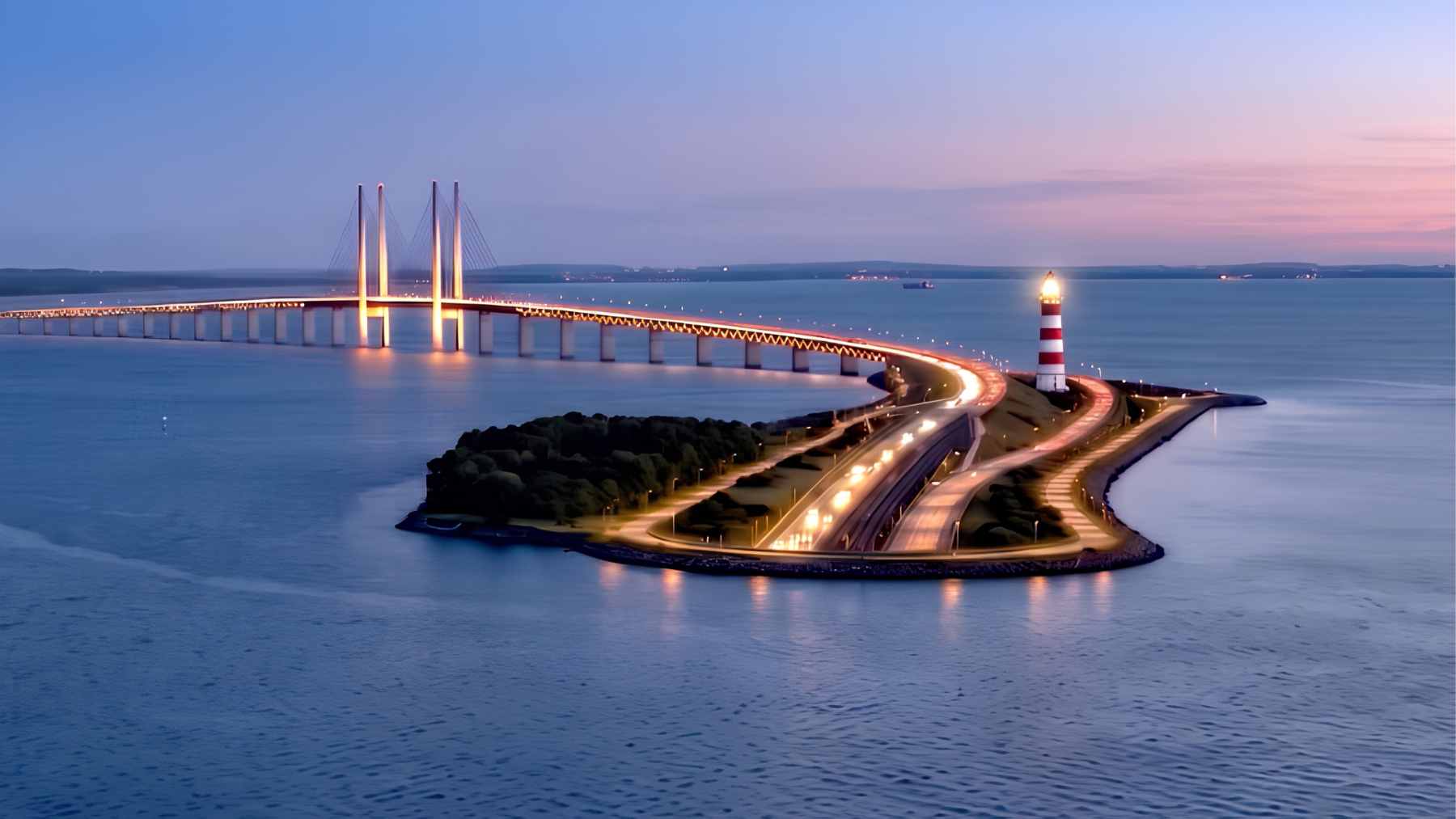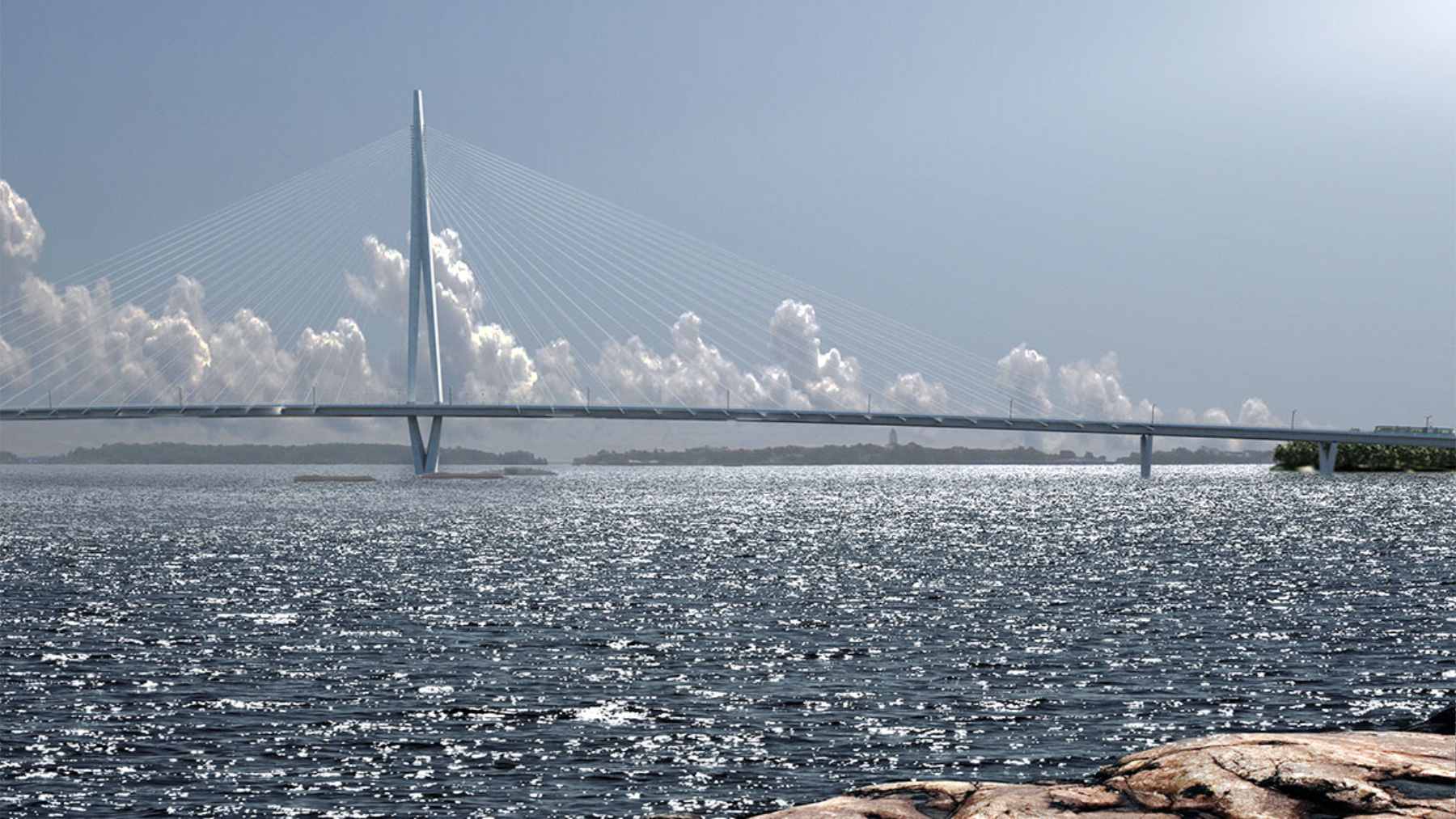
Helsinki has just opened a bridge that says a lot about where modern cities are heading. The new Kruunuvuorensilta, also called Kruunuvuori Bridge, stretches 1,191 meters across the sea and is reserved for pedestrians, cyclists, and a future tramline, with private cars kept out of the picture.
That makes it more than a striking piece of engineering–it is a test of whether a growing European capital can cut travel distances, reduce car pressure, and still make daily life easier for residents. After all, nobody misses traffic jams, exhaust fumes, or the sound of engines during a morning commute.
Built for people
The bridge opened to pedestrians and cyclists on April 18, 2026, drawing more than 50,000 visitors during its opening weekend. It links Korkeasaari and Kruunuvuorenranta, bringing eastern residential areas closer to Helsinki’s central districts.
As a result, that means a trip from Kruunuvuorenranta to the city center drops from about 11 kilometers (5.5 miles) to roughly 5.5 kilometers (3.3 miles). That is not just a line on a map. For thousands of people, it can mean a shorter ride, a calmer walk, or one less reason to reach for the car keys.
Helsinki Mayor Daniel Sazonov called the bridge a new landmark and said it “reflects our commitment to sustainable solutions.” He also told Yle that it will “permanently change the geography of Helsinki” by bringing Laajasalo closer to the city center.
Not just a pretty bridge
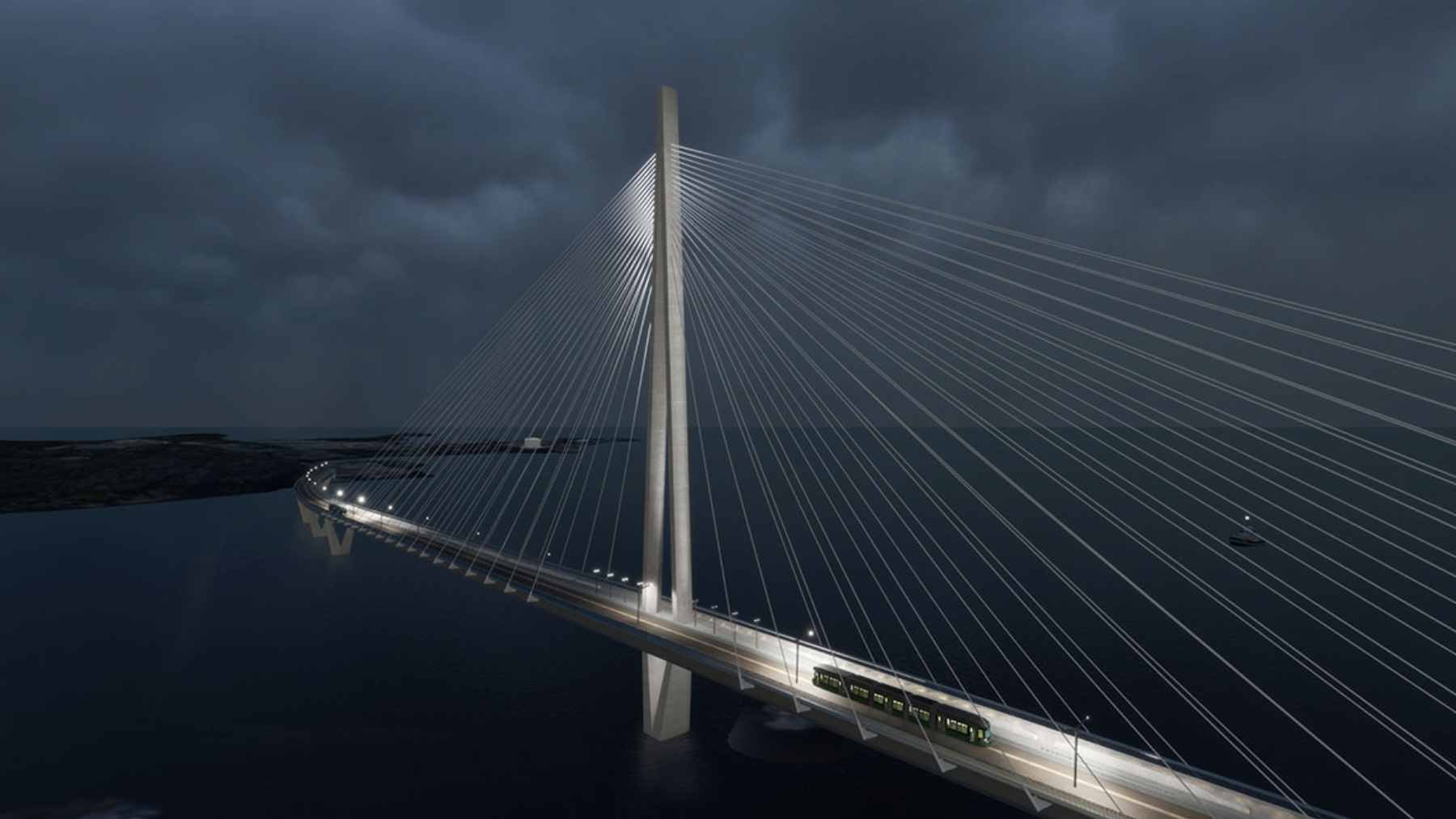
The numbers are hard to ignore. Kruunuvuorensilta is Finland’s longest and tallest bridge, with a 135-meter diamond-shaped central pylon that rises above the city’s skyline.
The structure is part of the larger Crown Bridges Light Rail project, one of Helsinki’s major urban development efforts. Tram service across the bridge is scheduled to begin in 2027, adding a public transport backbone to what is now a walking and cycling route.
There is a business story here, too. The broader Crown Bridges Light Rail project, including three bridges between Laajasalo and Hakaniemi, has an estimated cost of about €326 million ($383 million). By 2030, officials project about 23,000 daily tram trips and around 3,750 daily cycling trips across the bridge.
A climate bet with a footprint
This is not without a catch. Big infrastructure is never carbon-free, even when it is designed to support cleaner travel.
According to Helsinki Partners, the project’s total carbon footprint is about 129,000 tCO₂e, with 76% coming from construction and 24% from operation and maintenance over a 50-year period.
The city says emissions were reduced through low-emission materials and renewable energy sources, but the figure is still a reminder that concrete and steel come with an environmental cost.
That is why the 200-year design life matters. A bridge built to last for generations can spread its environmental cost over a much longer period, especially if it helps shift daily travel away from private vehicles and toward trams, bikes, and walking.
Weather was part of the design
Helsinki is not exactly an easy place to build a long, open bridge over water. Coastal winds, icy winters, and freezing sea air all had to be considered before people could safely cross it on foot or by bike.
The bridge includes systems designed to deal with wind and ice. Its stay cables are made to remain in slight motion in windy conditions, while textured plastic sheaths help break ice into smaller particles rather than allowing large pieces to form.
There will also be wind warnings shown on light boards at both ends. That might sound like a small detail, but anyone who has crossed an exposed bridge in winter knows it can make the difference between a pleasant route and a miserable one.
A model for safer cities
The bridge lands at a notable moment for Helsinki. Officials confirmed that the Finnish capital recorded zero road traffic deaths over a 12-month period in 2024 and 2025, a result linked to long-term Vision Zero policies rather than one single change.
Those policies include lower speed limits, redesigned intersections, improved lighting, separated traffic flows, better public transport, and stronger enforcement. More than half of Helsinki’s streets now have a 30 km/h (18 mph) speed limit, especially near homes and schools.
So, what is Kruunuvuorensilta really showing us? For the most part, it shows that environmental planning is not only about solar panels or distant climate targets. Sometimes, it is about building one very long bridge and deciding that everyday people, not private cars, should get the best route across the water.
The official statement was published on Helsinki Partners.