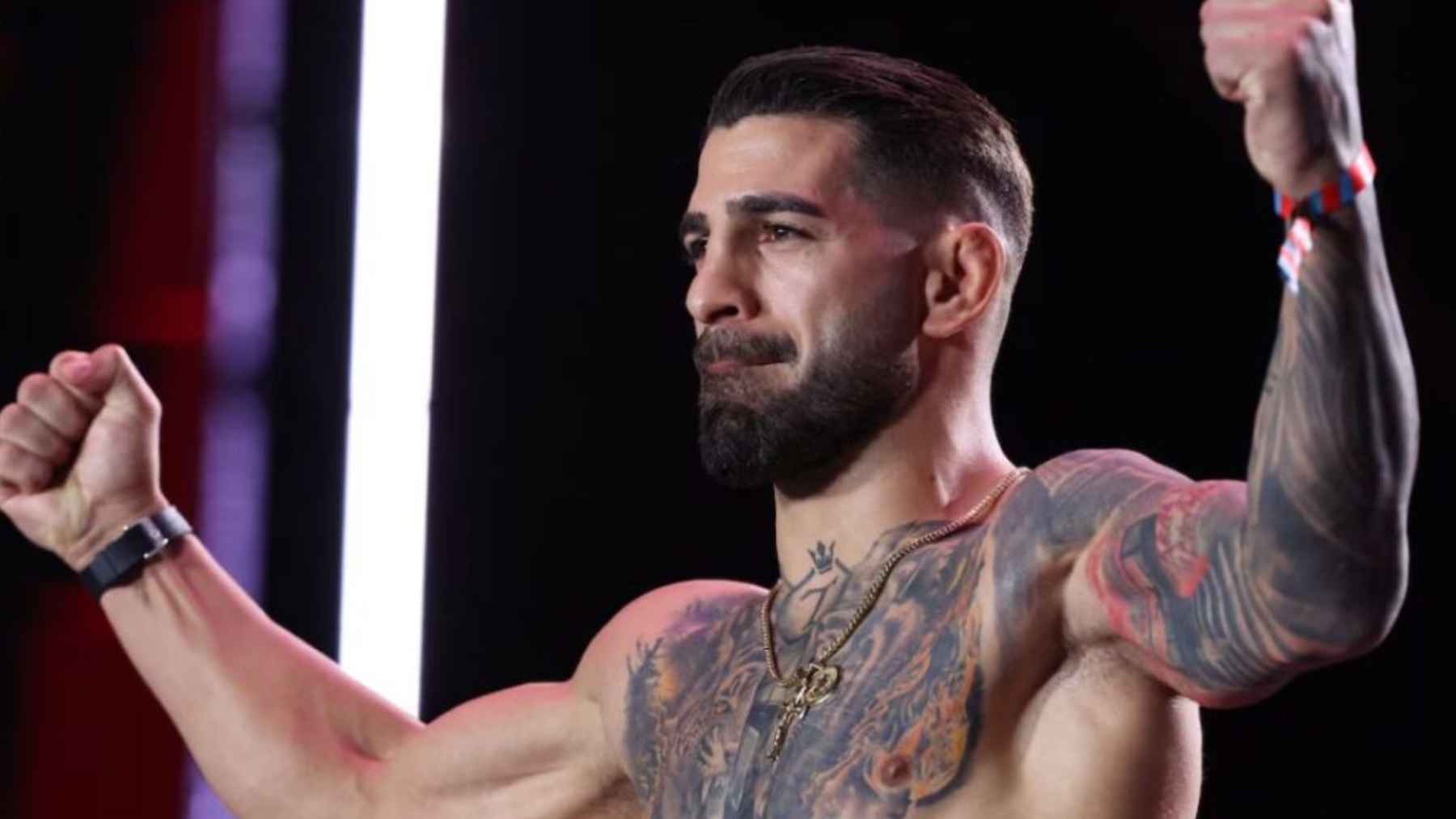
Ilia Topuria’s first professional defeat did not arrive quietly. At UFC Freedom 250, the official result listed Justin Gaethje beating Topuria by TKO after a corner stoppage at the end of the fourth round, a result that cost Topuria the lightweight title and shook one of the sport’s most confident careers.
The shock was not only that Topuria lost. It was how suddenly a fighter built around control, precision, and certainty was forced into a more human story–one shaped by recovery, family, and a sentence from his mother’s life that now feels almost made for this moment.
A rare kind of defeat
Before the White House event, Topuria had been presented as the unbeaten champion walking into another defining night. UFC described him as a 29-year-old standout preparing to defend his lightweight reign against Gaethje, who entered as interim champion.
That is why the stoppage landed so hard. Fans are used to seeing fighters lose, but they are not used to seeing Topuria lose, not after the aura he built against some of the most respected names in the sport.
A bad night in fighting can be brutally simple–one round shifts, one eye closes, one corner makes the call, and the whole picture changes.
The family lesson behind the fighter
The deeper angle sits far from the lights and cameras. “Rendirse no es una opción,” written by Giorgi Kekelidze, is presented by its publisher as the story of Inga Bendeliani, Ilia’s mother, and the force that shaped her family through war, migration, and identity.
The publisher says Inga was born near the Black Sea and fled after Georgia’s civil war began, later building a new life with Zaza Topuria and raising Aleksandre and Ilia before the family settled in Spain. That kind of history does not fit neatly into a pre-fight promo, but it helps explain the language around resilience.
Her lesson is simple and hard to fake: “A human being can endure hunger, thirst, and cold, but never lose oneself.”
What the injury reports say
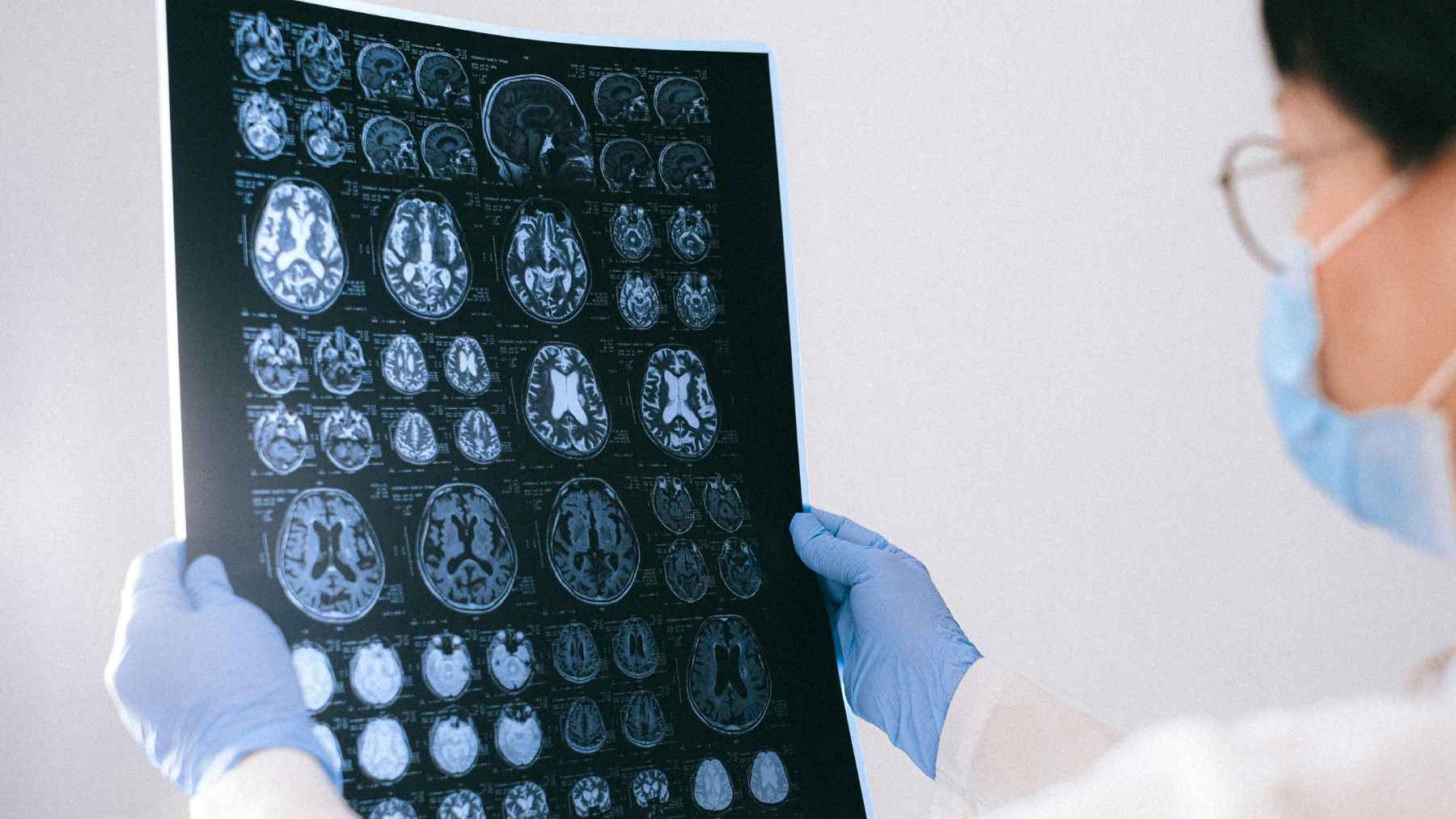
Combat sports are not inspirational posters. They are real, physical contests, and reports after the bout said Topuria suffered non-displaced fractures in both orbital bones, meaning the bones around the eyes were damaged but not badly shifted out of place.
Several reports also said surgery was not expected to be needed, which is good news because recovery is not just about courage. It is about swelling, vision, rest, medical checks, and time.
So, what happens next? The honest answer is that nobody should rush the answer, not the fighter, not the promotion, and not the fans refreshing their phones for the next announcement.
Why the comeback talk started
Topuria did not disappear after the loss. In his public response, he congratulated Gaethje, accepted the result, and said the story between them was not finished, using words that pointed directly toward a rematch.
Still, wanting a rematch and getting one are two different things. Gaethje has already pushed back on the idea of an immediate return fight, and recent reporting has pointed to other names in the division, including Paddy Pimblett and Arman Tsarukyan.
That is the messy part of a championship fall. The fighter may want one road back, but the business may draw a different map.
A business decision and a personal one
For the most part, Topuria’s future remains strong. He is still central to the 155-lb. conversation, even as the division starts moving around Gaethje’s new title reign.
The next choice cannot be only about ticket sales or online noise, however. If the eyes need time, they need time, even if the rivalry is hot and even if fans want the next chapter immediately.
Essentially, the comeback fight has to do two jobs. It must make sense for the rankings, and it must prove that Topuria is physically and mentally ready to be himself again.
The lesson now feels different
That is why Inga’s phrase matters so much after this defeat. Hunger, thirst, and cold belong to survival, but not losing yourself belongs to the days after the crisis, when the crowd is gone and the mirror is quieter.
Topuria has built his public image on certainty. Now he has to show something harder to sell on a poster: the ability to absorb a real setback without letting it rewrite who he is.
Maybe that is the real test. Not whether he can win again, but whether he can return without chasing revenge so hard that he loses the identity that made him dangerous in the first place.
The official result has been published by UFC, and “Rendirse no es una opción” has been published by Espasa.