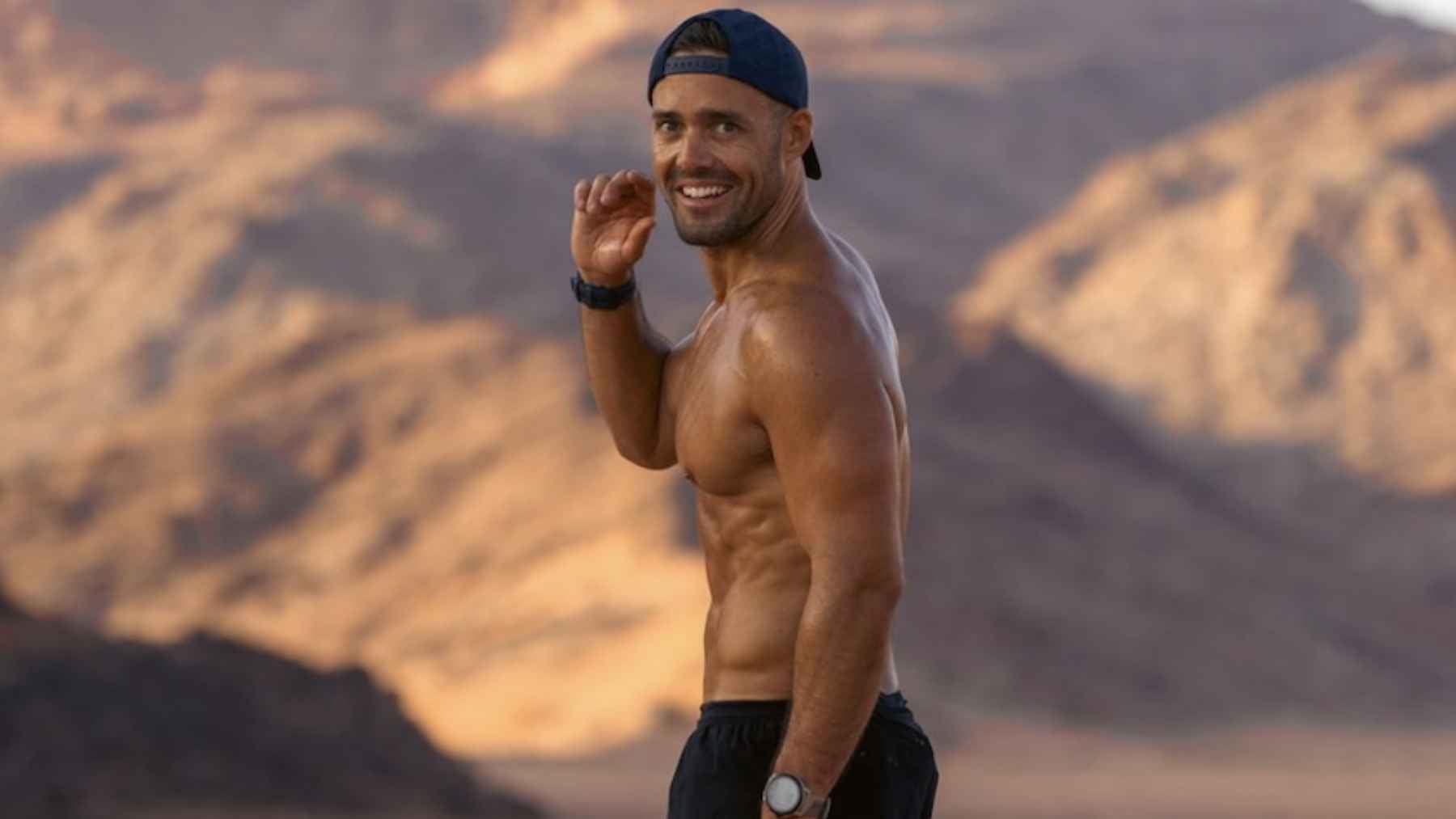
Spencer Matthews is trying to do something many gym regulars know is difficult. He wants to run faster, stay muscular, and keep a busy public life moving at the same time.
His next target is the Valencia Marathon on December 6, 2026, where he is aiming for 2 hours and 45 minutes, a 12-minute drop from his best.
In a new Men’s Health profile by Daniel Davies, the 37-year-old former “Made in Chelsea” star pushes back on the idea that he trains like a pro, calling himself “an enthusiastic amateur.”
A different kind of fitness target
Matthews’ story sits in the middle of a modern fitness shift. More people are chasing the hybrid athlete idea, meaning they want a body that can lift heavy, run far, and still handle normal life.
That may sound simple, but anyone who has tried to train before work, squeeze in family time, and still sleep enough knows the math gets tight fast.
Untapped, the podcast he hosts, leans into that same theme by bringing in athletes, coaches, and experts to talk about running, performance, and training habits. The show lists Stephen Scullion, Mo Farah, and Alistair Brownlee among its guests.
The Valencia test
The Valencia Marathon is not a casual fun run. The official regulations describe the 2026 race as a 26.2-mile urban road marathon, organized by S.D. Correcaminos with support from Valencia City Council, and carrying a World Athletics Platinum Label.
To reach 2 hours and 45 minutes, Matthews would need to average about 6 minutes and 18 seconds per mile. That is fast enough to make traffic noise, crowds, and even a tiny pacing mistake feel bigger than they look on paper.
His new running coach, former Olympic marathoner Stephen Scullion, is a serious guide for that kind of target. Team Ireland says he competed in the marathon at the Tokyo 2020 Olympic Games and ran a personal best of 2 hours, 9 minutes, and 49 seconds at the 2020 London Marathon.
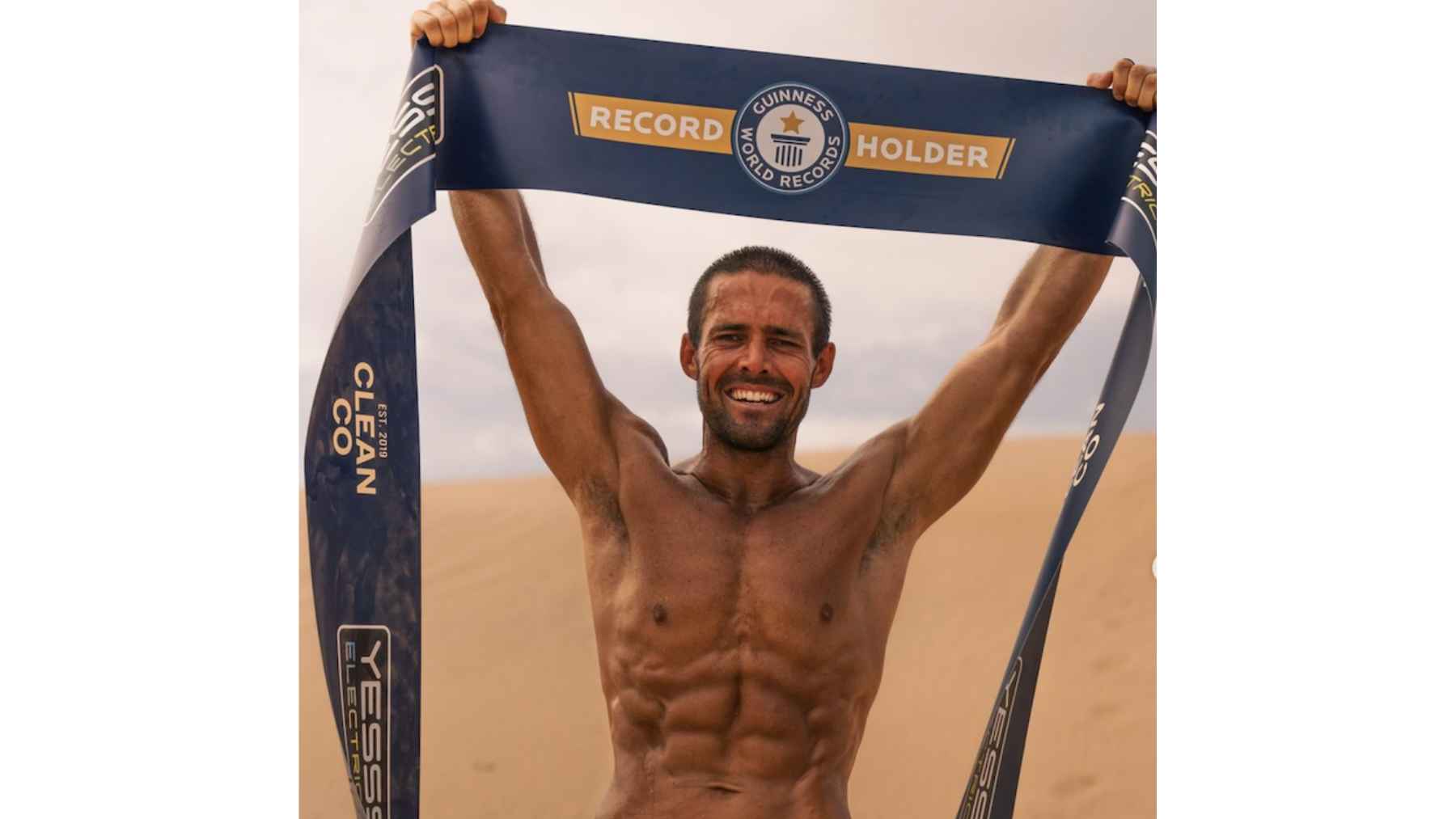
Spencer Matthews holds his Guinness World Records banner after completing 30 marathon distances on sand, a challenge that reshaped his purpose for training.
Why the blood test matters
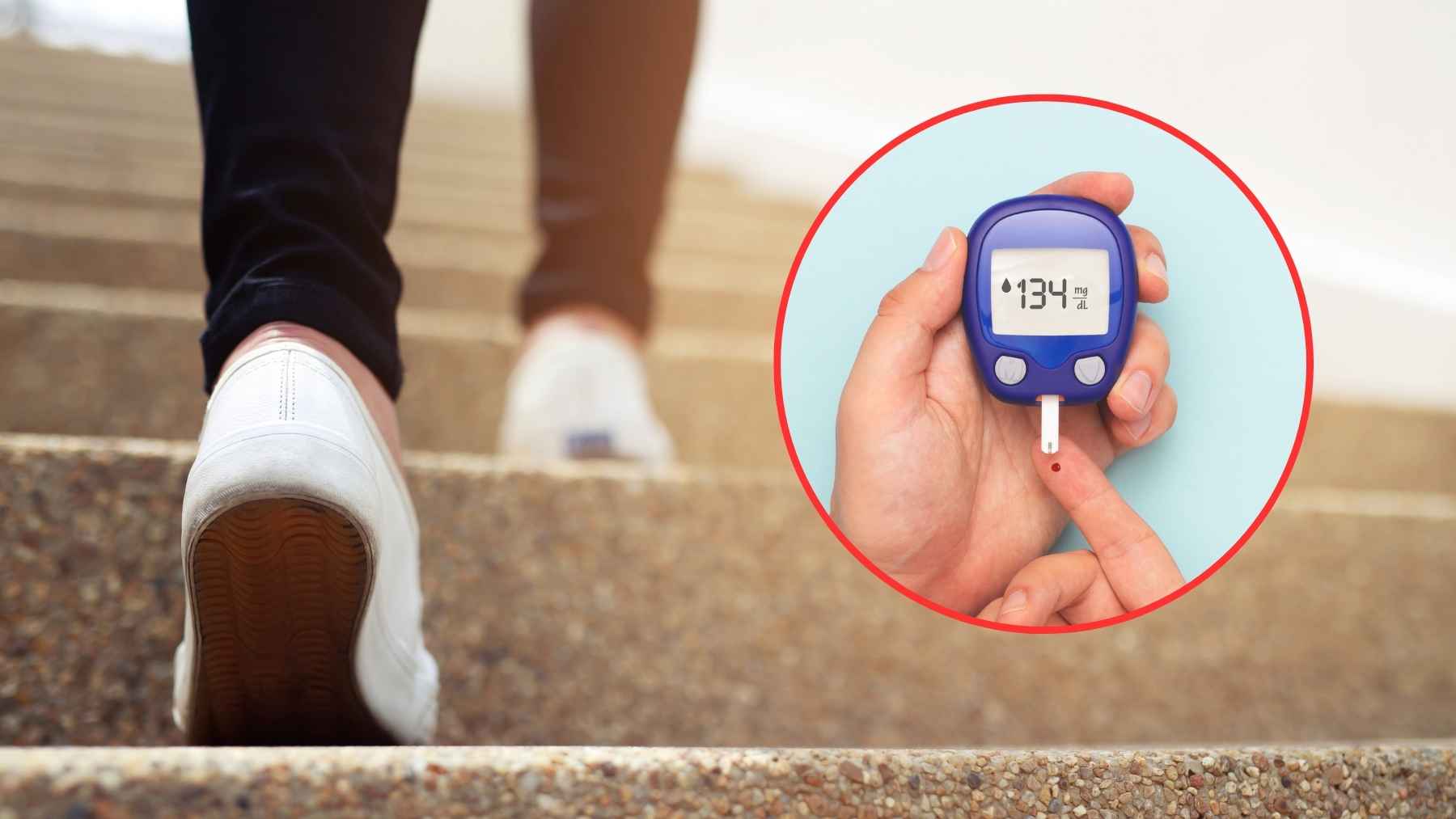
One of Matthews’ first sessions with Scullion was a lactate threshold test. In simple terms, this checks the speed where the body starts building up fatigue faster than it can clear it away.
The test used repeated half-mile runs at changing speeds, with a small finger prick after each one. Colorado State University’s Human Performance Clinical Research Laboratory describes this type of testing as a way to find the point where lactate, a byproduct of energy production, rises quickly in the blood.
Why does that matter? It helps a coach set training zones, so a runner is not guessing every hard run by feel alone.
Strength has not left the plan
At the same time, Matthews has not abandoned the weight room. He trains three times a week with Shaun Stafford, the founder of City Athletic in London, where the gym describes its mission as “Performance for All.”
Stafford is not just a casual training partner in this story. Matthews has worked with him for 12 years, and the relationship now sits somewhere between coach, friend, and weekly anchor.
That strength base shows up in the numbers. Matthews puts his bench press max around 309 lbs., maybe 331 lbs. when everything clicks, while the upper-body session described in the profile used a drop set from about 243 lbs. to 198 lbs.
The hard part is the pileup
On the day described, squats were pulled from the gym plan because a track session was coming later. That is the less flashy side of hybrid training: knowing when not to add more.
The running workout was no jog around the block. It called for six, 1-km. repeats with just 60 seconds of rest, starting near 6 minutes and 35 seconds per mile and moving toward about 6 minutes and 18 seconds per mile.
Then came eight, 300-meter efforts at roughly 6 minutes and 2 seconds per mile pace. No mystery there–the legs were supposed to feel it.
Food, recovery, and ordinary choices
Before the upper-body session, Matthews ate four poached eggs on sourdough toast with yogurt and mixed seeds. It is not a magic breakfast, but it shows the basic point: hard training needs fuel.
The bigger issue is recovery. For the most part, getting stronger and faster at once means balancing stress, not collecting punishing workouts like trophies.
That is where plans can fall apart for regular people, too. The schedule is often harder than the exercise, especially when work, kids, travel, and a phone full of messages keep tugging at the day.
A record changed the story
Matthews’ public fitness turn did not start with Valencia. Guinness World Records says he completed 30 marathon distances on sand in Jordan from July 29 to August 27, 2024, with each run required to finish in under six hours.
The challenge also raised money for Global’s Make Some Noise, a charity that supports smaller organizations working on issues such as food banks, mental health support, and domestic violence helplines.
That matters because it reframes the transformation. This is not just about abs for a photo shoot. It is also about finding a harder, more useful reason to train.
What comes next
The Valencia goal is ambitious, especially for someone who still calls himself an amateur. That tension is exactly what makes the story interesting.
Matthews is not presenting a shortcut. In practical terms, his plan is built on coaching, testing, lifting, running, eating, and repeating the boring parts often enough that they start to work.
At the end of the day, that may be the most useful part for everyone else. Potential is not a slogan here, it is a calendar, a pair of running shoes, and the decision to show up again.
The main profile has been published in the July and August 2026 issue of Men’s Health UK.