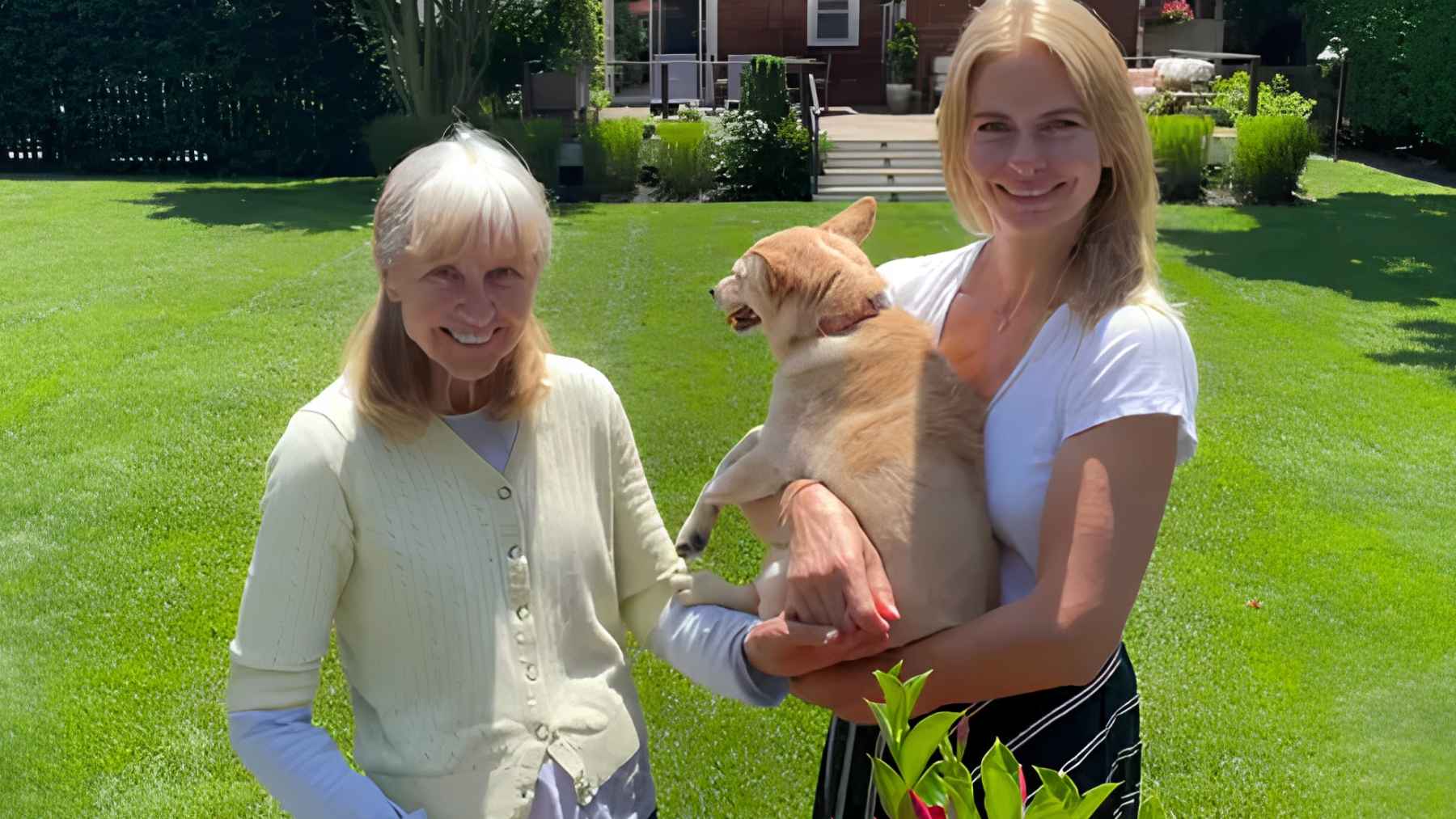
A woman in her 80s with advanced Alzheimer’s disease unexpectedly began holding long conversations after receiving a high dose of psilocybin-containing mushrooms, according to a newly published case report.
The change was striking because she had spent years speaking mostly in single words and relying heavily on caregivers for basic daily activities.
Still, this is one patient, not proof of a treatment. The researchers say the disease was not reversed, but the case raises a careful question: what if some abilities lost in advanced dementia are not always gone, but sometimes locked away?
A sudden change after years of decline
The patient had lived with progressive Alzheimer’s disease for about 10 years. For the previous five years, she had shown severe functional decline, including limited speech, urinary incontinence, trouble swallowing, reduced facial expression, and dependence on help to move around.
Marcos Lago, Mariana Cerveira, and Joe Xavier Simonet, from Associação Cruz de Ankh in São Paulo, described the case as exploratory and observational.
With consent from the patient’s legal guardian, she received 5 grams of psilocybin-containing mushrooms, equal to about 0.18 ounces, from the Enigma strain.
After the dose, she sweated heavily and entered a long sleep-like state. About 19 hours later, she began speaking about her life in a spontaneous conversation that lasted several hours. For a family used to short replies, that must have felt like hearing a door open.
What improved after the dose
The changes did not end with one conversation. Over the following days and weeks, the woman reportedly became more socially engaged, made more eye contact, smiled back at others, dressed herself at times, walked more independently, and showed better bladder control.
At one later visit, she spontaneously said, “It is pleasant to come here.” That simple sentence mattered because spontaneous speech had been so limited before the intervention. Small words can carry a lot of weight in advanced dementia.
About one month later, she received a second supervised dose of 3 g (0.11 oz). During that session, the report says she was more verbally expressive and described positive imagery involving surfing with her son on a peaceful island.

Why scientists are cautious
This case is unusual, but it comes with big limits. There was no control group, no long-term follow-up proving how long the improvements lasted, and no advanced brain scans or biomarker tests confirming the exact disease process.
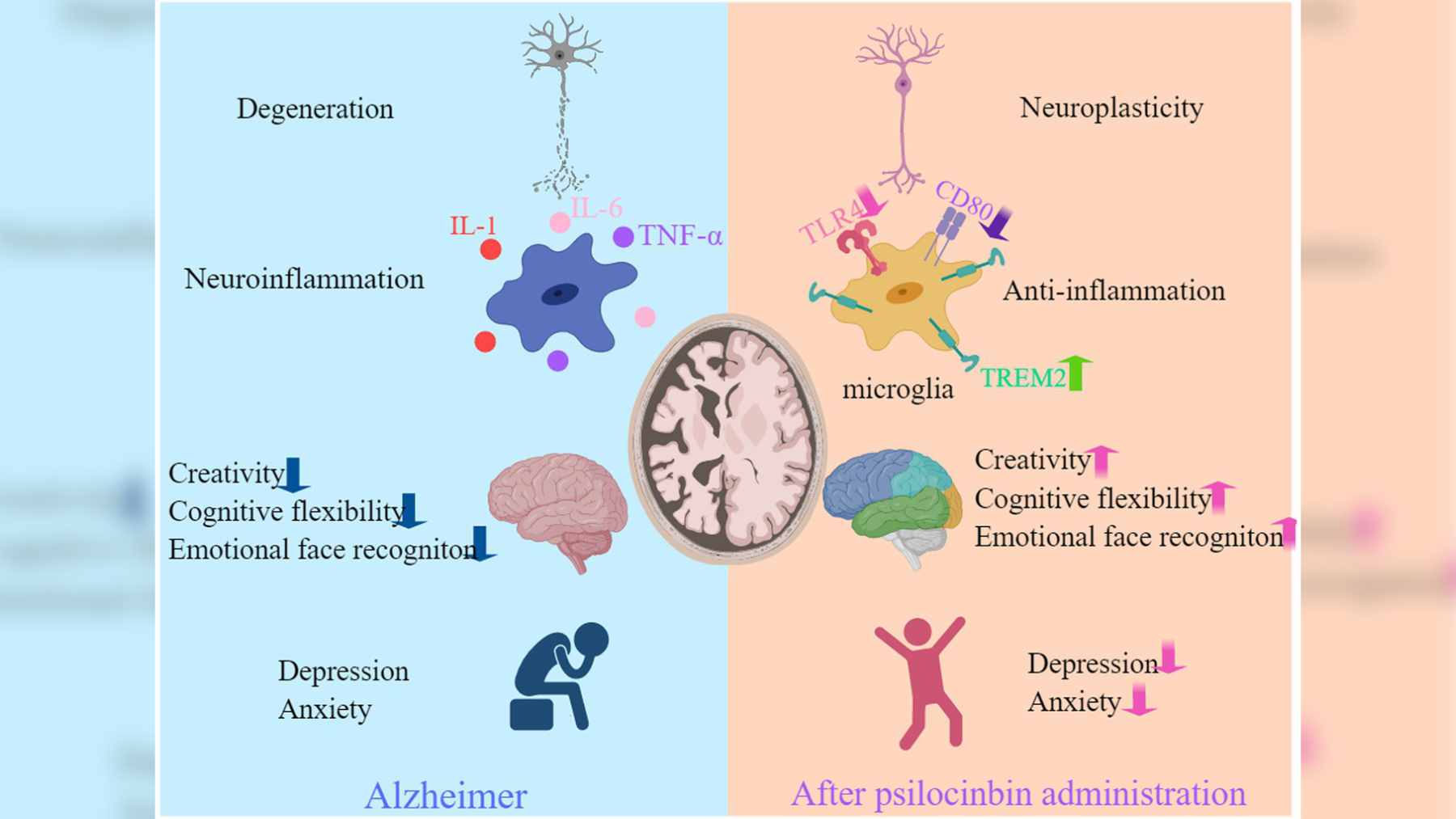
The authors also make clear that psilocybin did not cure Alzheimer’s or repair the underlying brain damage. Their idea is more modest. The mushroom compound may have temporarily changed brain network activity enough to make remaining abilities easier to access.
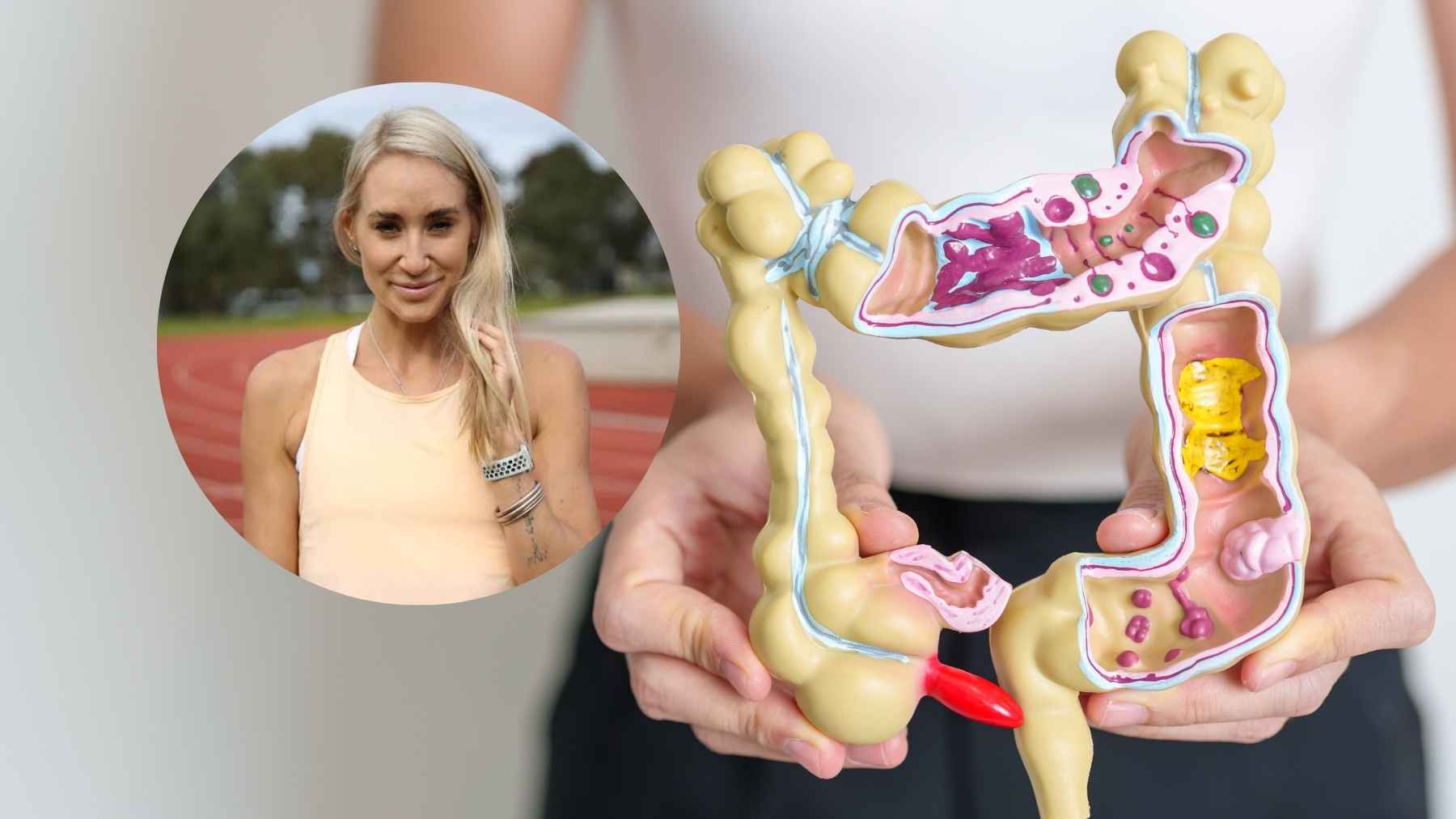
That distinction matters. Alzheimer’s disease slowly destroys memory, thinking skills, and eventually the ability to carry out basic tasks, while brain changes linked to beta-amyloid, tau, inflammation, and nerve cell loss can begin long before symptoms become obvious.
How psilocybin may affect the brain
Psilocybin is the psychedelic compound found in some mushrooms. Once inside the body, it acts on serotonin signaling, a brain system involved in mood, perception, and communication between nerve cells.
A separate 2026 Nature Communications study in 28 healthy volunteers found that a single 25-mg dose changed brain activity within hours and was linked to increases in cognitive flexibility, psychological insight, and well-being one month later.
The same study also found changes in brain pathways on specialized imaging, although the authors treated the work as exploratory.
Another large Nature Medicine analysis of more than 500 brain scans found that psychedelics tended to increase communication between brain networks involved in high-level thinking and those tied to vision, touch, and movement. In practical terms, the drugs may temporarily loosen the brain’s usual traffic rules.
Not a home experiment
Outside experts have urged restraint because older adults with dementia can be medically fragile. A high psychedelic dose may bring confusion, panic, overheating, falls, heart stress, medication interactions, or problems with consent.
That’s why the case should not be read as a reason to give magic mushrooms to a loved one with dementia. At the end of the day, what it offers is a research clue, not a ready-made therapy.
Could this lead to safer treatments someday? Maybe, but only controlled trials can answer that. Researchers are also studying psilocybin-like compounds that may target similar brain pathways with fewer intense psychedelic effects, but that work is still early.
What this case really tells us
The most interesting part of the report is not the idea that mushrooms “fixed” Alzheimer’s. They did not. The real story is that advanced dementia may sometimes leave behind more hidden function than doctors can easily see.
For families, that idea is both hopeful and sobering. Hopeful because it suggests the brain may hold pockets of ability even late in disease. Sobering because one extraordinary case does not become medical advice.
The main study has been published in Frontiers in Neuroscience.