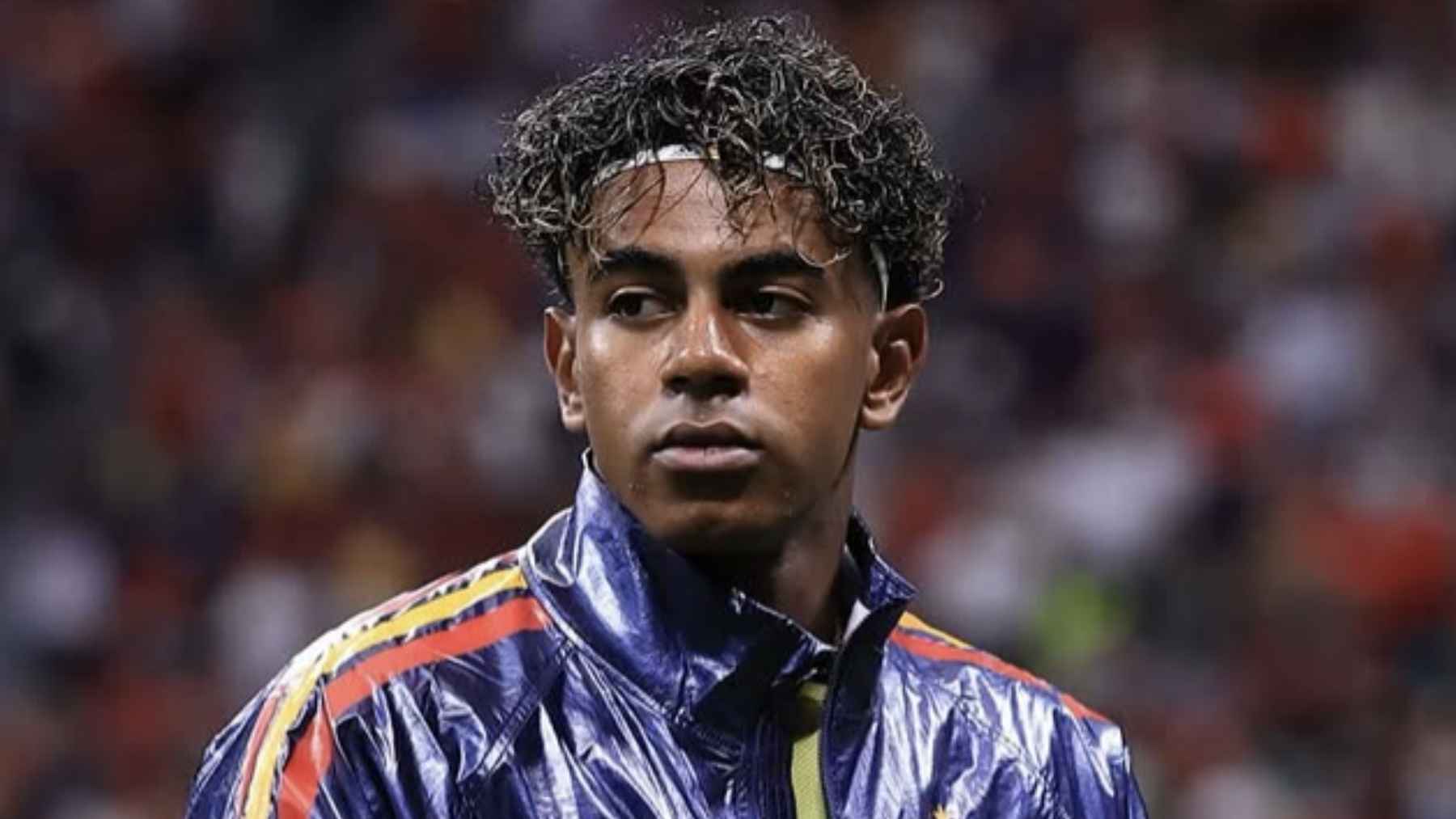
Lamine Yamal helped power Spain to 2026 World Cup glory, but according to former teammate Robert Lewandowski, fans never saw the 19-year-old at peak physical velocity. Returning directly from an eight-week hamstring injury into soccer’s most demanding tournament created a subtle performance bottleneck.
That may sound harsh until the context is clear. Yamal entered the tournament after a long injury layoff, and Spain ultimately beat Argentina 1-0 after extra time on July 19. His World Cup became less a one-man show and more a lesson in how a strong team can protect a gifted player.
Lewandowski’s verdict
Asked whether Yamal had shown his best form, Lewandowski replied, “Honestly, no, we didn’t see his best this tournament.” He added that the finest version he had watched came two seasons earlier, when they were teammates in Barcelona.
Read in full, the comment lands more as context than criticism. Lewandowski’s argument is that availability and peak form are not the same thing. A player can be cleared to compete without being fully ready to play his most explosive soccer.
Injury changed the picture
FC Barcelona confirmed on April 23 that Yamal had injured the hamstring in his left leg, the group of muscles at the back of the thigh. The problem ended his league season, although medical staff expected him to recover in time for the World Cup.
Lewandowski said Yamal had gone roughly eight weeks without playing. That matters because match fitness is not built only in the gym or during light training.
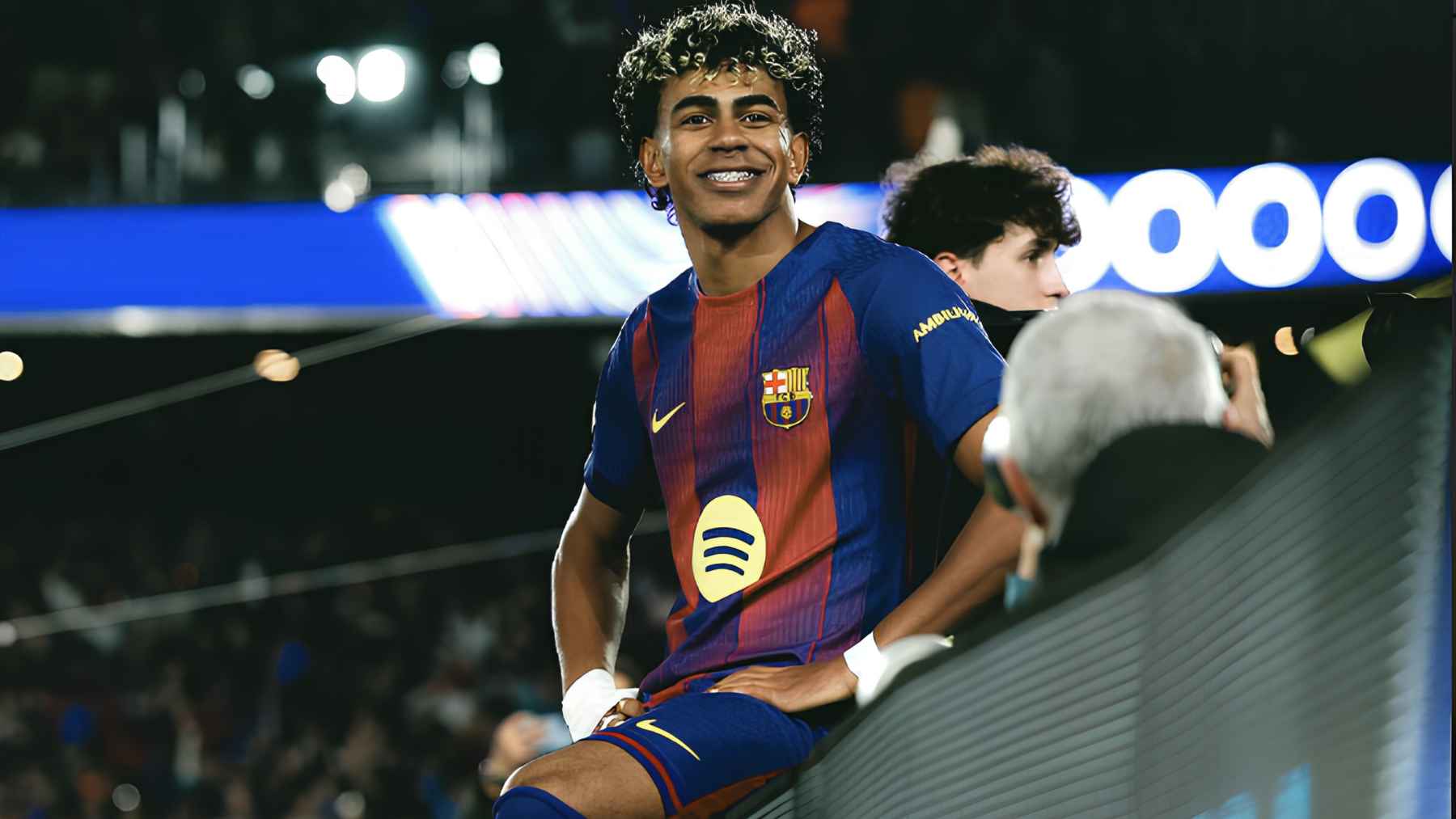
Timing, acceleration, confidence in a sprint, and the feel for beating a defender usually return through repeated games, and the World Cup offers little breathing room.
What Yamal still delivered
So, was Yamal ineffective? Not at all. Official FIFA figures show that he appeared in all eight of Spain’s matches, scored once, and completed a tournament-high 35 dribbles.
In match analytics, a completed dribble measures a player’s ability to maintain kinetic control of the ball while bypassing a defender at speed—the ultimate metric for high-speed spatial confidence.
Those numbers do not describe a passenger. They describe a player who remained dangerous even while searching for his normal rhythm.
Spain’s real advantage
Lewandowski’s larger point was about the collective. “The Spain players and the team helped Lamine, and Lamine also helped the whole team,” he said. That two-way support became one of the defining features of Spain’s run.
The champions conceded only one goal in eight matches and recorded seven shutouts—the fewest goals ever allowed by a World Cup-winning team. Consequently, Spain’s historic defensive structure meant Yamal was never forced to carry the offensive load alone.
A very high benchmark
Yamal’s earlier output had established an exceptionally high baseline. During the 2024-25 club season, he played 55 games, scored 18 goals, supplied 21 assists, and helped his team win a domestic treble.
That means three major Spanish trophies in one season, a remarkable haul for any player, let alone a teenager.
His international breakthrough raised the bar even higher. At Euro 2024, he finished with one goal, four assists, and 32 dribbles while being named the tournament’s best young player.
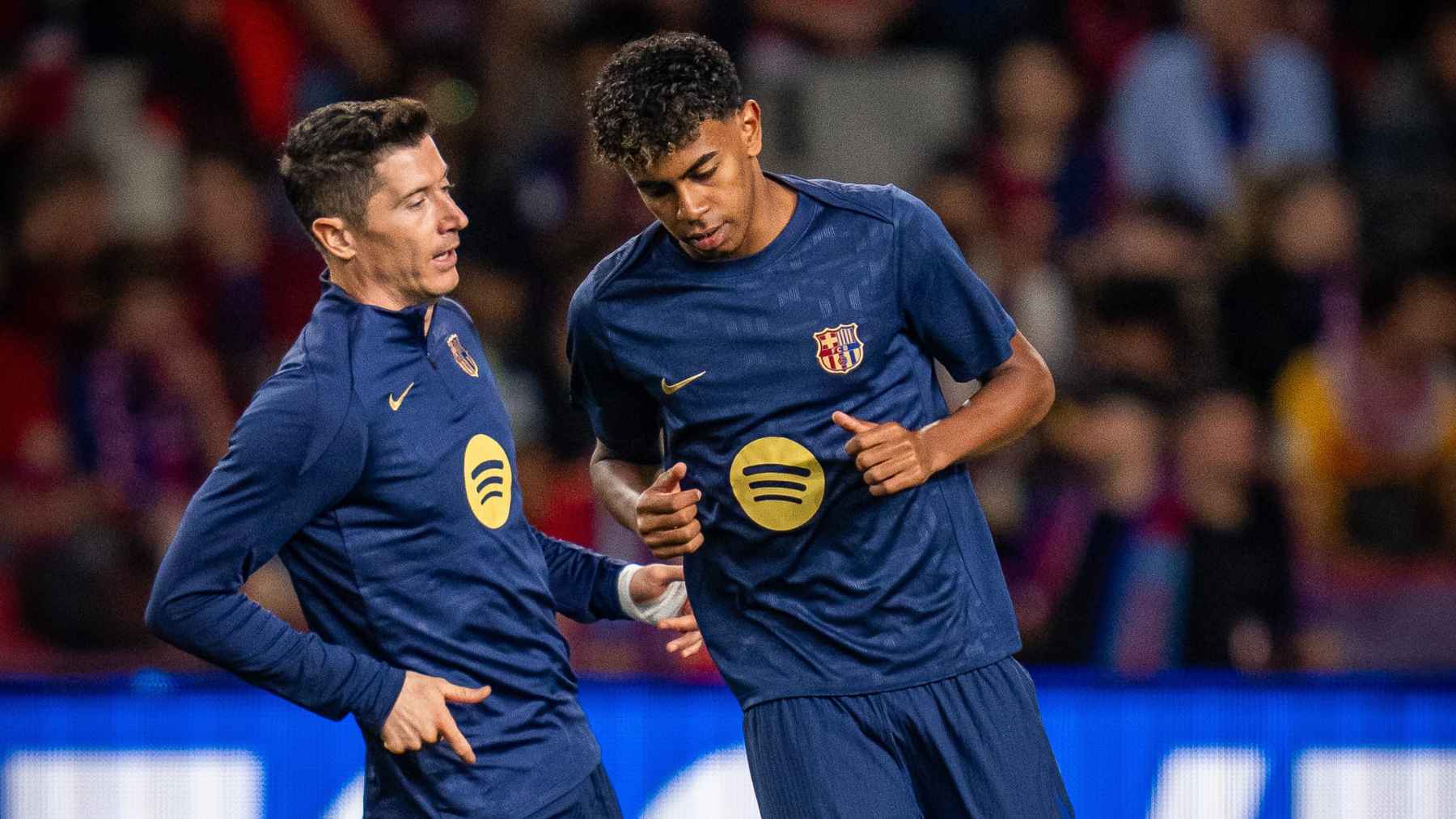
Once a player produces moments like that before turning 18, an excellent performance can suddenly look ordinary.
The final told the story
Spain’s victory over Argentina captured Lewandowski’s argument better than any statistic. The final stayed scoreless through 90 minutes before substitute Ferran Torres struck in the 106th minute, giving Spain its second men’s World Cup title.
Yamal did not need to score the winning goal or dominate every possession. Others stepped forward, just as he had done in earlier rounds. That is what balanced championship teams do, spreading the pressure rather than asking one teenager to carry it.
What comes next
Lewandowski’s comments should not be read as a warning that Yamal has gone backward. They are a reminder that returning from a hamstring injury directly into soccer’s biggest tournament is a difficult assignment, even for an extraordinary young player.
The bigger takeaway is encouraging. Spain became champion without needing what Lewandowski considers peak Yamal, while the winger still led the tournament in completed dribbles.
Once he regains full match rhythm, the version of Lewandowski he remembers may not be the ceiling after all.
The original interview was published by ESPN.