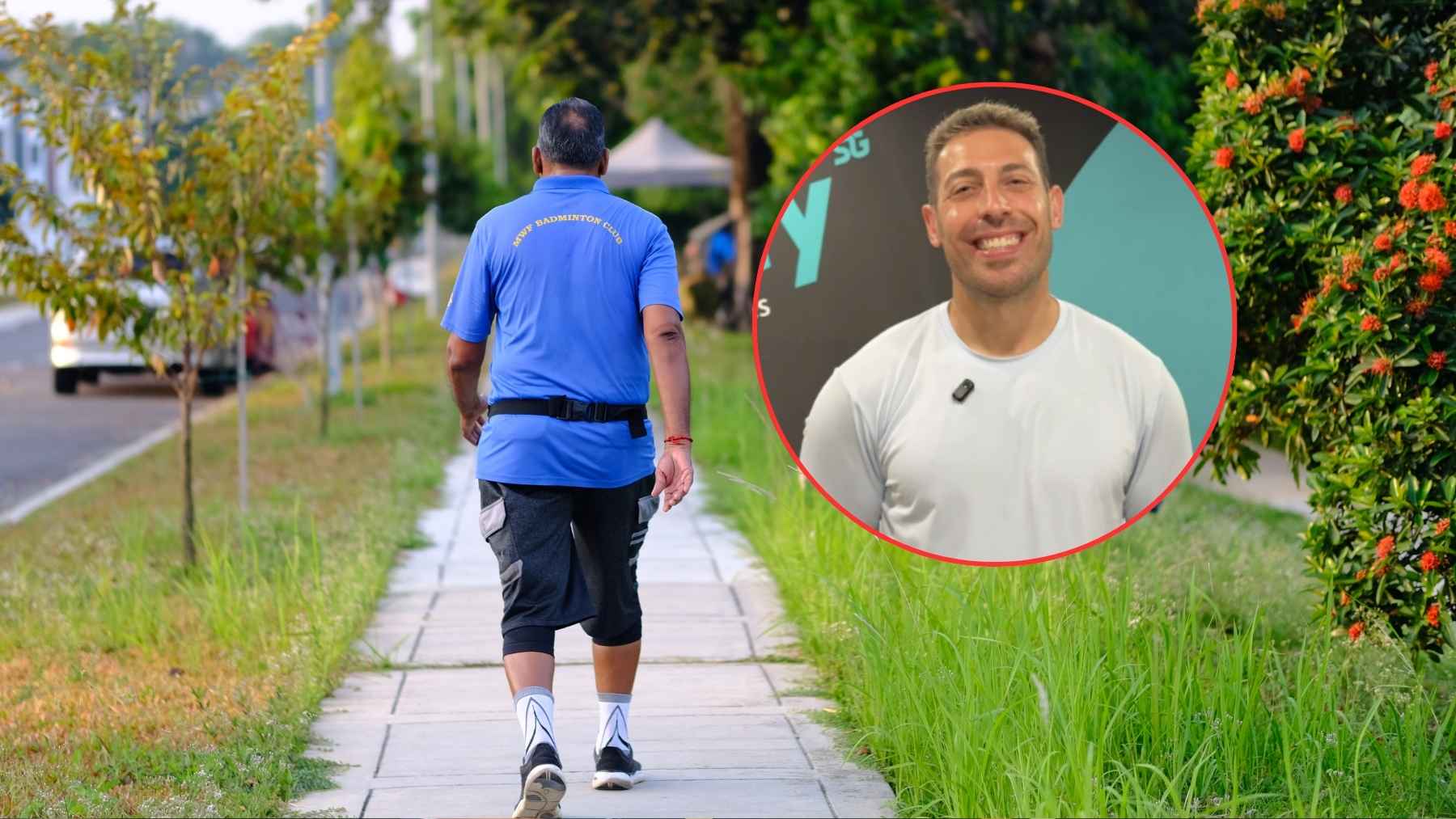
A pretty bold fitness claim has been making the rounds lately. Álvaro Puche, a Spanish personal trainer and author who specializes in strength training for older adults, told the magazine Telva that walking “does absolutely nothing” for your physical condition or how long you will live healthy, and called it “a leisurely form of movement.” The interview came out on July 31, 2026.
It is a catchy line, but it is too broad. Walking genuinely can improve your health, and there is a lot of information and research that links higher step counts with lower risks of early death and cardiovascular disease.
That said, there is actually a fair point buried in what he is saying. A casual walk on its own is not a complete plan for keeping your muscles, strength, and balance intact as you get older.
What the trainer actually argued
The criticism was aimed mainly at the idea that older people can protect their future simply by taking a daily stroll. He said walking does not give enough stimulus to muscle, strength, power, bone, or the nervous system, and argued that age-related decline begins well before retirement.
Basically, his point is that walking should be treated as a nice bonus, and not as a substitute for actual strength training.
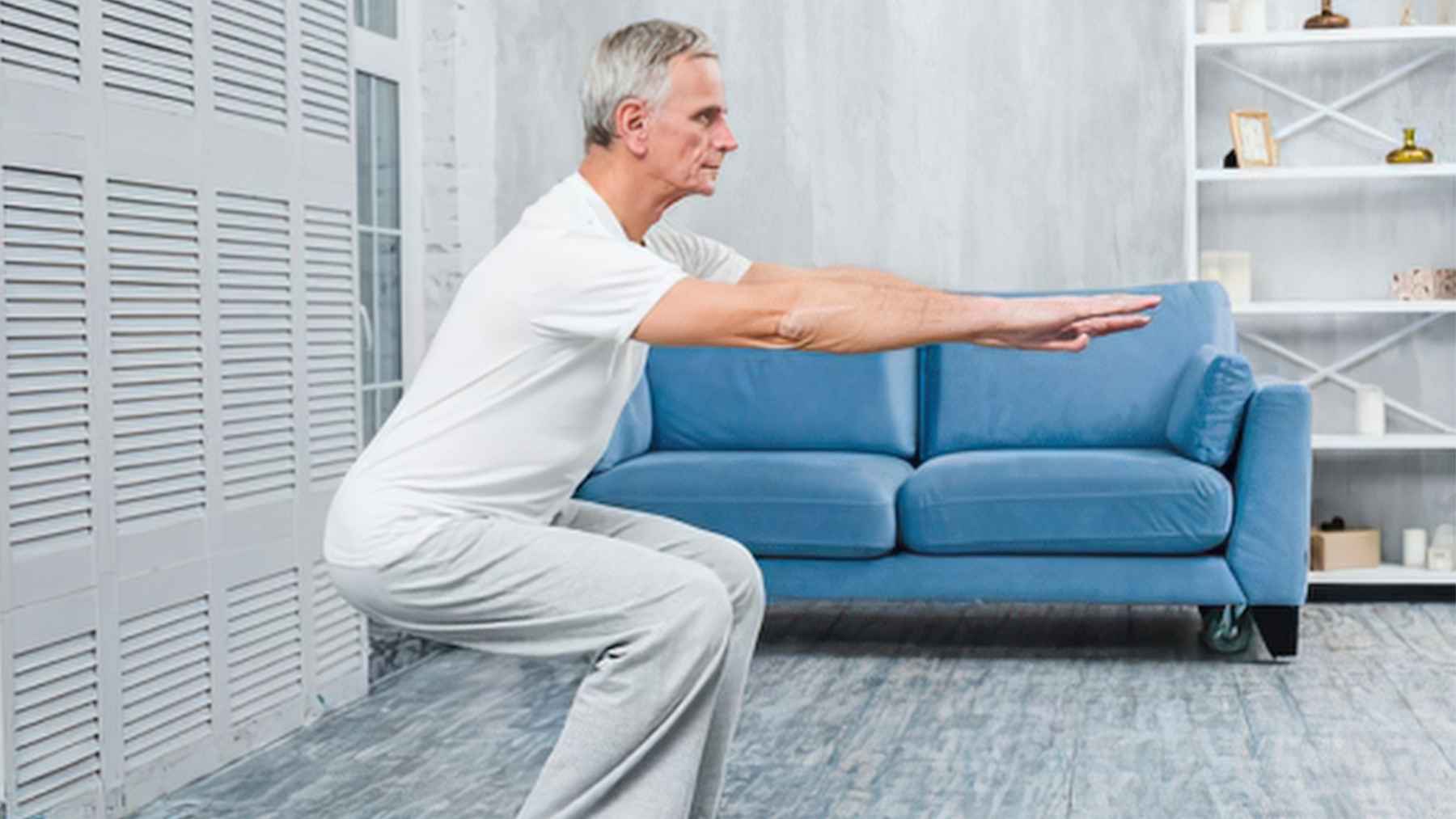
His solution? Four simple movements that can be completed in about three to four minutes. They are fast chair squats, heel raises, a one-arm row using a resistance band, and push-ups against a kitchen counter.

These all work by making your muscles work against resistance, which is the basic idea behind strength training.
Walking is not doing nothing
Here is the thing: the strongest evidence does not support calling walking useless. A 2025 review led by Ding Ding at the University of Sydney that examined 57 studies from 35 groups of adults.
Compared with 2,000 steps a day, 7,000 steps were associated with a 47 percent lower risk of death from any cause and a 25 percent lower risk of developing cardiovascular disease.
Lower risks also showed up for dementia, falls, type 2 diabetes, death from cancer, and depressive symptoms, although the strength of the evidence varied by outcome.
Another study led by Kosuke Inoue of Kyoto University tracked 3,101 U.S. adults over about ten years. People who hit at least 8,000 steps on only one or two days a week were associated with an adjusted 10-year risk of death that was about 15 percentage points lower than among people who never reached that mark.
The research was observational, so it cannot prove that walking alone caused the difference.
Where the criticism has merit
Not every walk puts the same demand on your body. A brisk walk that gets your breathing and heart rate up can count as moderate aerobic exercise, while a slow stroll may be light activity for a fitter person.
Walking mainly trains endurance and generally does not provide the progressive resistance needed to strengthen every major muscle group.
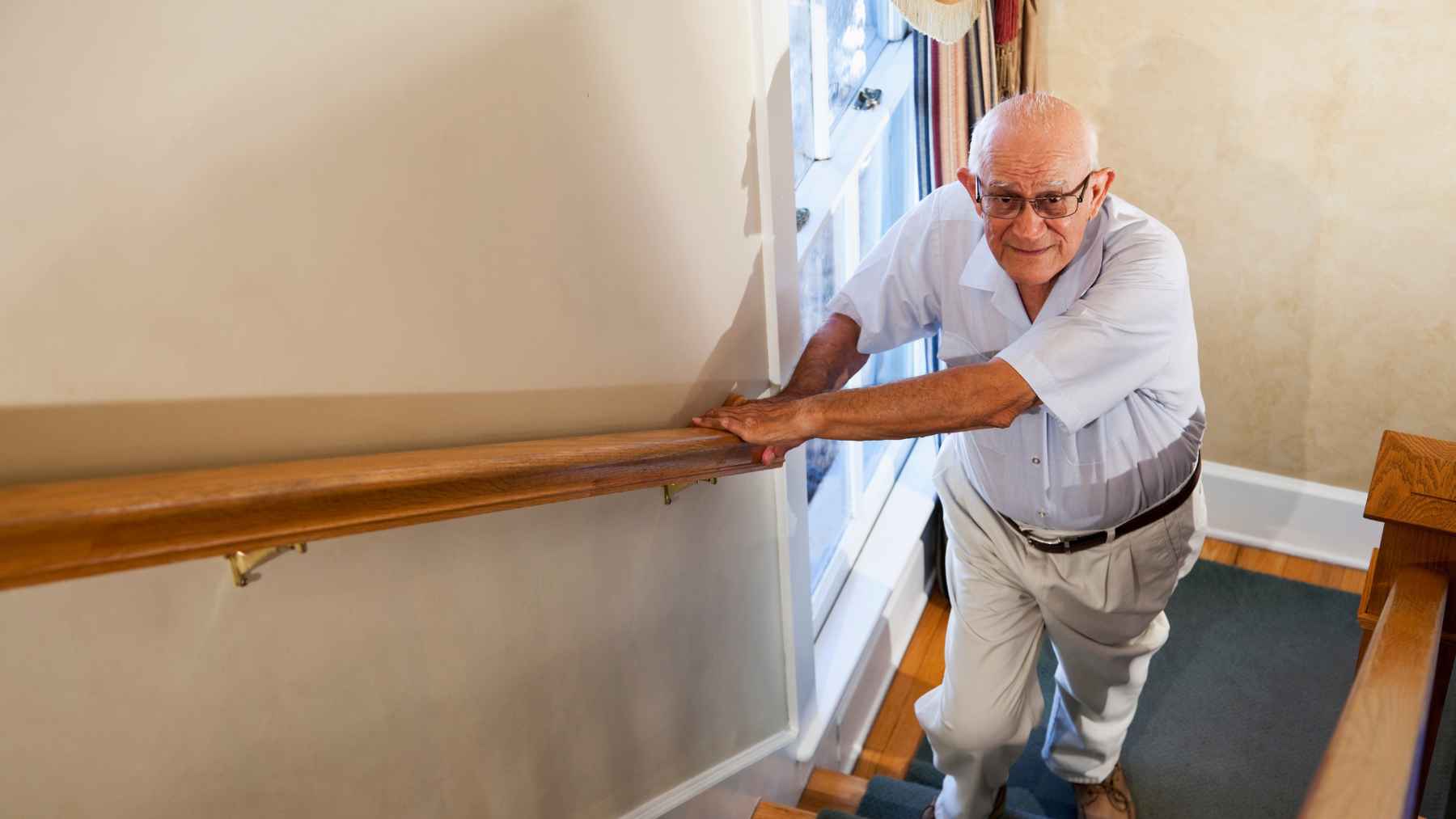
And that distinction really matters, because strength is what keeps you independent day to day. It is what helps you standing up from a chair, climb stairs, carry groceries, and catch yourself when you lose balance.
The National Institute on Aging says older adults need aerobic, muscle-strengthening, and balance work because no single type of exercise covers every job.
A useful circuit with limits
The circuit Puche is suggesting is simple and not expensive at all. Chair squats work your hips and thighs, heel raises target the lower legs, rows work the back and arms, and counter push-ups challenge the chest, shoulders, and arms.
If someone has been fairly inactive, this can be a practical doorway into strength work rather than another complicated routine that gets abandoned after a week.
But let’s be honest, three or four minutes is not automatically a complete exercise program. The movements need to be challenging enough to actually build strength, and they need to get progressively harder as your body adapts over time.
If you feel unsteady on your feet, have pain, or live with a chronic condition, you should start slowly and seek guidance from a doctor or physical therapist before attempting fast repetitions.
The better formula for healthy aging
Current U.S. guidance gives a more balanced answer. Adults age 65 and older should aim for at least 150 minutes of moderate aerobic activity each week, including brisk walking, plus muscle-strengthening work on at least two days and regular balance activities.
Doing something is still better than doing nothing, and you can always break that weekly total up into shorter sessions.
So, should people stop walking and spend four minutes doing squats instead? Based on evidence, not really.
A walk can support the heart, add steps, and clear the head after a long day at a desk, while strength work helps preserve the muscles needed to get off the couch or carry shopping bags, so the smarter plan is to combine both and build up at a safe pace.
And that is really the takeaway here. Walking is genuinely valuable. It just should not be expected to carry the entire weight of healthy aging all on its own.
The original interview was published by Telva on July 31, 2026.