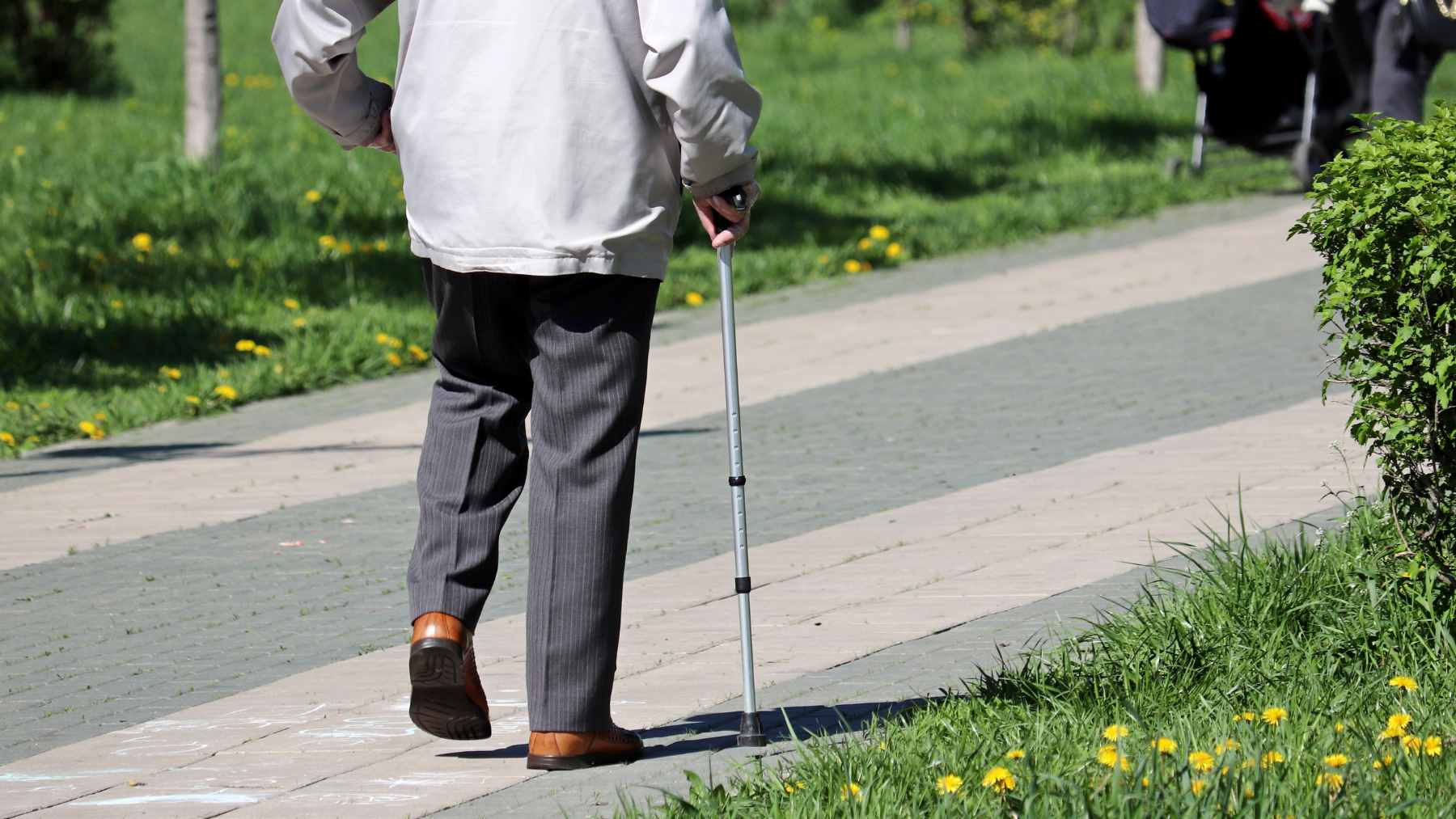
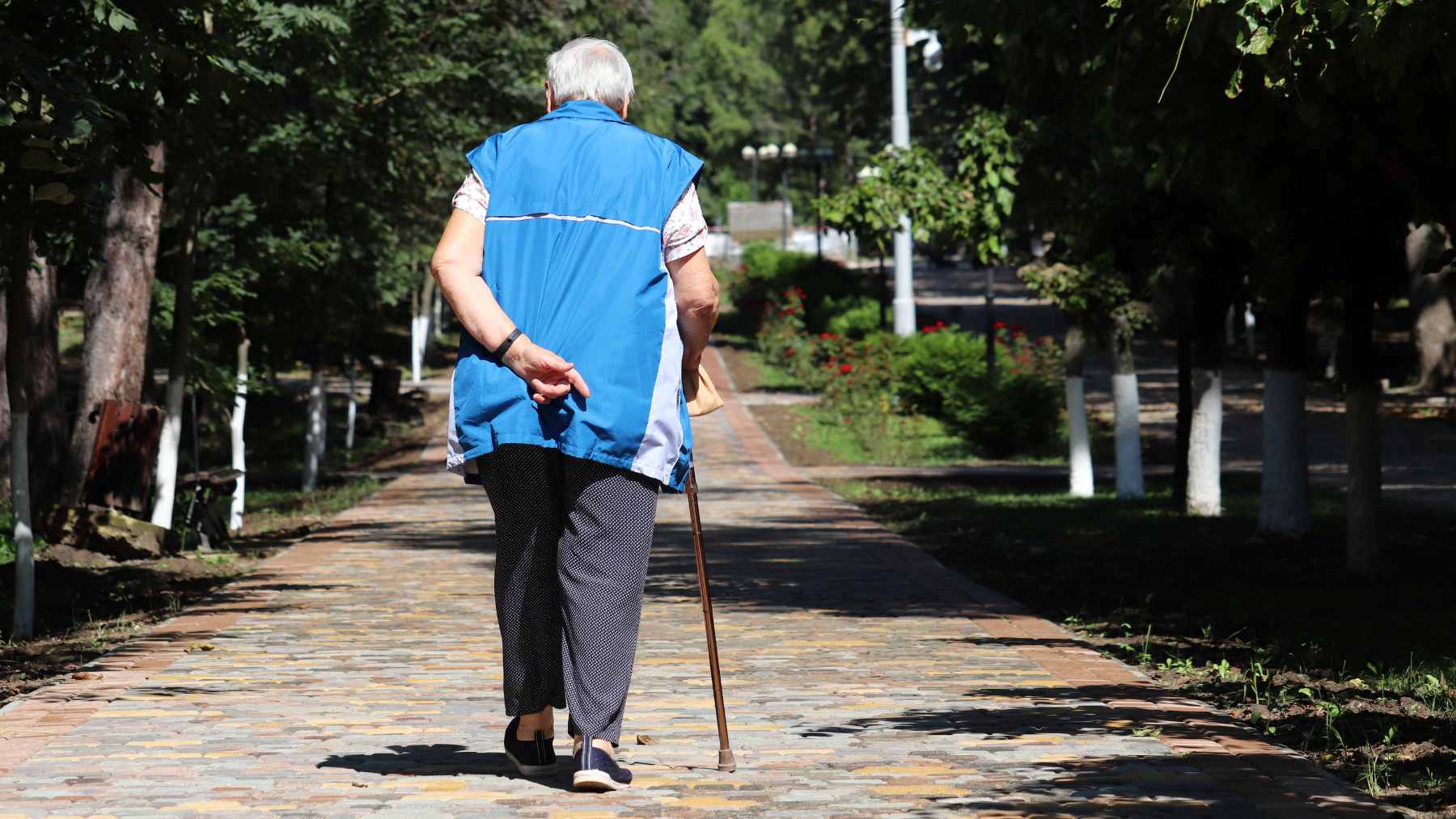
At 102, Dina usually drives to a nearby park for a one-mile walk. In early July 2026, several days above 90°F kept her home, cutting off exercise and the familiar conversations that shape her mornings. After a few days, she felt sluggish and alone.
Her experience points to a growing climate and public health problem. What should replace a walk when outside becomes unsafe? A useful backup plan must preserve movement, social contact, and the sense of control that comes from choosing when and where to go.
Move the walk indoors
On very hot or humid days, the safest answer is often to move the walk indoors rather than cancel it. CDC guidance says older adults are more prone to heat-related illness and recommends air-conditioned spaces. Its activity advice suggests mall walking or an online home program when weather is unsafe.
A hallway, community center, grocery store, indoor track, or climate-controlled mall can become a temporary route. Five or ten minutes at a time still counts, and chair exercises, gentle strength work, or balance practice can fill the gap.
Federal guidelines say adults should work toward at least 150 minutes of moderate activity each week, but some activity is better than none.
The social part needs a replacement, too. Pair an indoor walk with a neighbor, call a friend afterward, or schedule a video chat when the park walk normally happens. The National Institute on Aging recommends regular contact and meaningful activities as practical ways to reduce isolation.
A one-mile lifeline
Jasmin Tahmaseb-McConatha, a professor at West Chester University, described Dina’s routine in a July 3, 2026, commentary. The park is not simply a workout space, it is where Dina sees familiar faces, keeps up with her community, and makes decisions on her own schedule.
That pattern is common. AARP research found that 87% of Americans age 50 and older take part in at least one kind of walking activity each day, while 86% walk for at least 10 minutes and 47% walk for 30 minutes or more. Weather was already a barrier for 37% of respondents.
Walking does double duty
Walking supports heart health, strength, mobility, balance, and independence. But a walk around the block also creates small social moments, a wave to a neighbor, a chat near a bench, or the feeling of being among other people.
Those ordinary contacts can matter when retirement, bereavement, illness, or limited mobility shrinks a person’s social circle.
Psychologist Barbara Fredrickson’s “broaden-and-build” theory offers one explanation for the wider effect. Positive emotions from meaningful activity may widen attention and help people build coping skills and relationships over time. A pleasant walk can strengthen resilience as well as muscles.
Heat changes the calculation
A thermometer reading alone does not settle whether a walk is safe because humidity, direct sun, air quality, medicines, and health conditions all change the risk.
Repeated days around or above 90°F deserve caution, especially for adults 65 and older, who may adjust to heat less efficiently or take medicines that affect sweating and temperature control. The heat index and local air quality give a better picture.
Heat exhaustion, dehydration, and heat stroke can develop quickly, while polluted air adds strain for people with heart or lung disease.
The Environmental Protection Agency reports that extreme heat is becoming more frequent and intense as the climate warms. What once interrupted a few afternoons can now block healthy routines for days.
A fan is not always enough. Current safety advice warns that a fan can raise body temperature when the indoor temperature is above 90°F, so air conditioning or a public cooling center may be necessary. A check-in from a relative, friend, or neighbor adds another layer of protection.
Loneliness is a health issue
The World Health Organization report released in 2025 found that about one person in six worldwide experiences loneliness and associated it with more than 871,000 deaths each year.
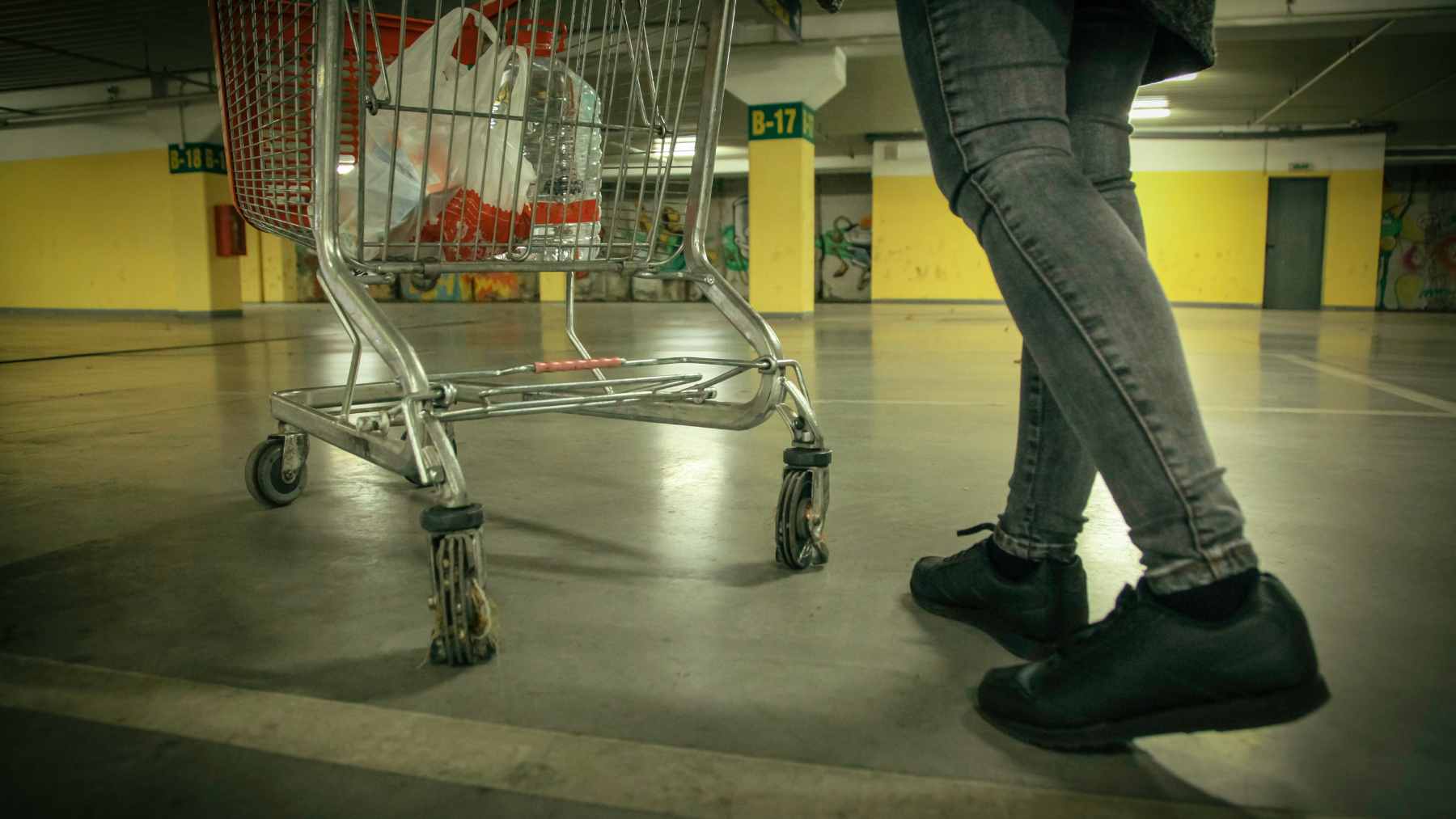
Loneliness means feeling a painful gap between the connections a person wants and the ones they have. Social isolation is different because it describes an actual shortage of social contact.
Young people report the highest loneliness rates in many surveys, but older adults face their own risks. The loss of friends, family roles, mobility, health, or transportation can make a daily walk one of the last dependable links to community life. Take that away repeatedly, and the quiet days can pile up.
Cooler communities are part of the answer
Indoor alternatives help, but they cannot carry the whole burden. Shaded sidewalks, benches, drinking water, trees, cooling centers, and climate-controlled walking programs give older adults safer choices and preserve independence.
Green infrastructure guidance shows that vegetation and other cooling features can reduce the heat stored by streets and buildings.
Green space can support well-being by offering a calm setting and an easy place for casual contact, but only when people can reach it safely.
At the end of the day, the useful question is not simply whether an older adult walked. It is whether the community gave that person a safe way to move, connect, and remain in charge of daily life.
The original commentary was published in Psychology Today.