Sleeping less than seven hours a night is often treated like a badge of honor. A late shift, one more episode, another hour on the phone, and suddenly the alarm clock feels like an enemy.
A new nationwide analysis suggests that habit may carry a bigger long-term cost than many people realize.
Researchers found that regular insufficient sleep was more strongly tied to shorter life expectancy than diet, physical activity, or loneliness, with smoking standing out as the only stronger behavioral factor in the model.
Sleep stood out
The work was led by Kathryn E. McAuliffe and colleagues at Oregon Health & Science University, including senior author Andrew McHill. The team analyzed county-level life expectancy and health behavior data across the United States from 2019 to 2025.
What surprised the researchers was not that sleep mattered. It was how much it mattered. “People really should strive to get seven to nine hours of sleep if at all possible,” McHill said.
What the study measured
The key idea here is “life expectancy,” which means the average number of years people in a population are expected to live. It is not a prediction for one person, but it can show patterns across communities.
The researchers used data from the Centers for Disease Control and Prevention’s Behavioral Risk Factor Surveillance System, a large survey that asks adults about health habits, including how many hours they sleep in a normal day.
They compared those sleep patterns with county-level life expectancy while also accounting for factors such as smoking, food insecurity, physical inactivity, insurance, unemployment, education, and social connection.
Less than seven hours
In practical terms, insufficient sleep means regularly getting less than seven hours in a 24-hour period. That is the cutoff used by the CDC for adults reporting short sleep duration.
The CDC says adults ages 18 to 60 should get seven or more hours of sleep each day. Older adults generally fall in a similar range, though recommended sleep changes slightly with age.
Why sleep is not a luxury
Why would sleep be so closely tied to long life? The study did not test the exact biological pathways, so this is where caution matters.
Still, sleep is not dead time. During sleep, the body repairs tissues, regulates hormones, supports the immune system, and helps the brain organize information. Miss enough of it, night after night, and the body may start running like a phone that never gets fully charged.
Heart and brain health
The CDC has linked short sleep with a higher likelihood of reported health problems such as heart attack, asthma, and depression. Poor sleep can also make blood pressure stay higher for longer, which adds strain to the cardiovascular system.
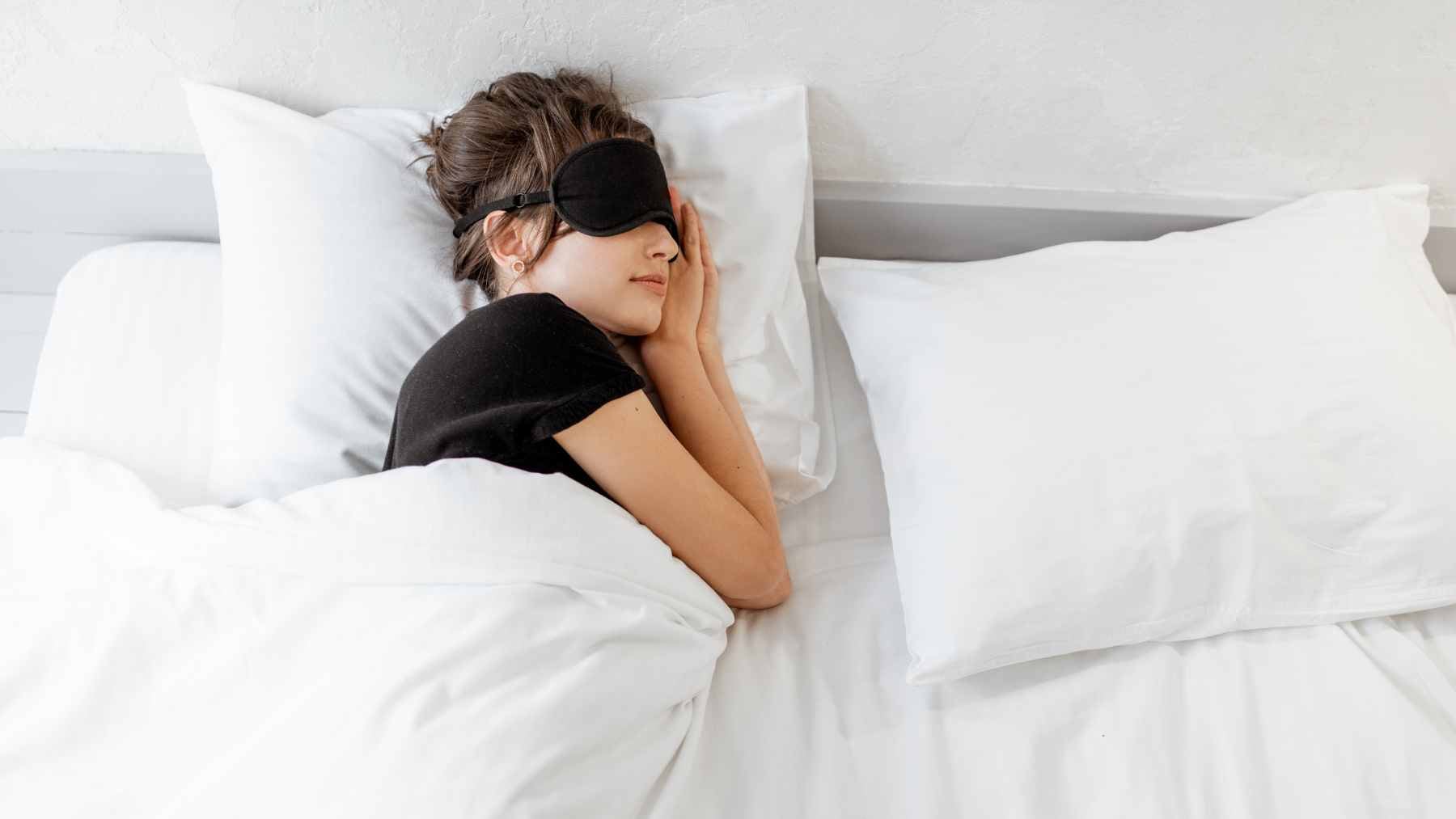
That does not mean one bad night is a crisis. We all have them. The concern is the regular pattern, the five or six hours that becomes normal because work, stress, commuting, or family demands keep pushing bedtime later.
Correlation, not proof
There is an important limit to the findings. This study found a strong association, not proof that sleeping less directly causes a shorter life in every case.
Other factors may be tangled into the sleep story. Shift work, sleep apnea, chronic stress, mental health conditions, neighborhood noise, and long commutes can all shape how much rest people get.
That is why the result is best read as a serious public health signal, not a simple blame-the-sleeper message.
Smoking still ranked higher
Smoking remained the strongest behavioral predictor of lower life expectancy in the main model. That part is not surprising, given decades of evidence linking tobacco to cancer, heart disease, stroke, and lung disease.
But sleep coming next is the newsy part. For years, public health messages have told people to eat better, move more, and quit smoking. This research suggests sleep deserves a place much closer to the front of that conversation.
What people can do
For the most part, better sleep does not require a complicated plan. A regular bedtime, a cool and dark room, less screen light before bed, and cutting back on late caffeine can help many people.
But there is a human side here, too. Telling someone to sleep more is easy. Making it possible can be harder when rent, work schedules, caregiving, traffic noise, or anxiety are part of the night.
A public health issue
That is why the county-level approach matters. The findings point to sleep as something communities can address, not just something individuals should fix alone.
Local leaders could look at work schedules, school start times, neighborhood noise, access to medical care, and screening for sleep disorders. At the end of the day, sleep may be personal, but the conditions that protect it are often shared.
The main study has been published in SLEEP Advances.