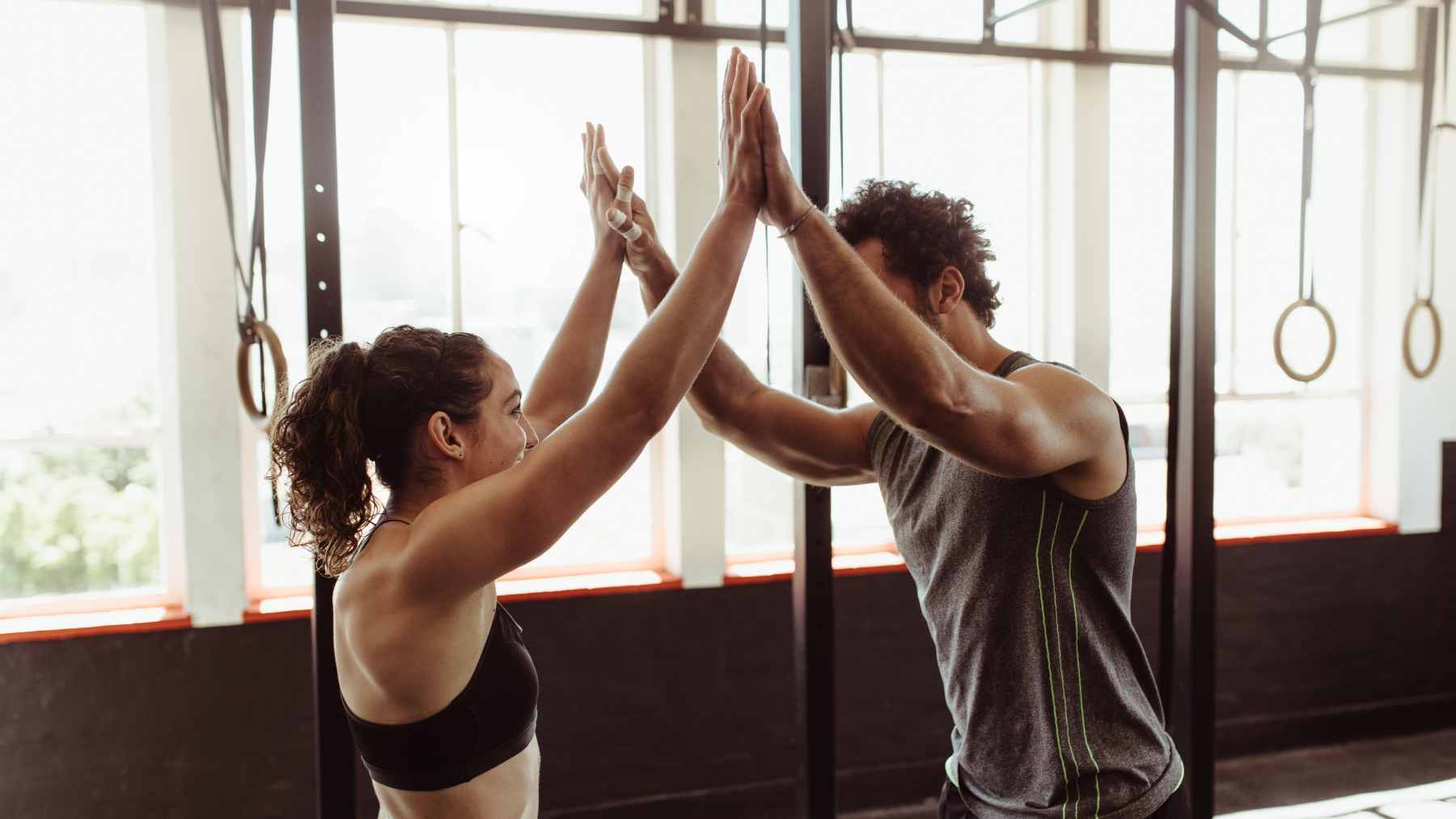
For years, Alexandra Frost lived in what many couples may quietly recognize as a “fitness gap” relationship. Her husband lifted weights and ran about five days a week, while she preferred walks, gentle workout classes, and whatever movement could fit around parenting.
The main takeaway is not that couples need matching routines–it is almost the opposite. After years of trying to keep up with a former Division 1 college football player, Frost says accepting their differences helped both of them protect the kind of exercise that actually worked in daily life.
A fitness gap at home
A fitness gap is the difference between two partners’ exercise habits, energy, or commitment to training. It can be as visible as one person heading to a home gym while the other chooses a stroller walk, a quiet class, or nothing at all after a sleepless night.
At first, Frost did not see the split as a problem. She saw her husband as an athlete and herself as a regular person who moved when she could. That seemed normal when they were young, busy, and living very different college lives.
The story lands because the gap is not automatically unhealthy. The Centers for Disease Control and Prevention says adults should aim for 150 minutes of moderate activity each week, or 75 minutes of vigorous activity, plus two days of muscle strengthening.
That leaves plenty of room for different schedules under the same roof.
Kids made the gap clearer
The difference became harder to ignore after the couple had their first child. Frost enjoyed strength and cardio classes for new moms and long stroller walks, but sleep often won the argument. Anyone who has lived through postpartum nights knows that sometimes the most heroic choice is rest.
Her husband’s routine, by contrast, stayed steady. As the couple eventually became parents of five, she felt anger, jealousy, and stress when his workouts seemed protected and hers felt easy to lose. He could chase the children longer, carry them on his shoulders, and race them up a hill.
Copying him did not work
For a while, Frost tried to close the gap by mirroring him. In her 20s, she began running with him and hoped they could finish a half marathon together. After only a few runs, plantar fasciitis, a painful foot condition, sent her into a boot and physical therapy.
Weightlifting together did not solve the problem, either. Even though he welcomed her into his home gym, the sessions led to bickering about routines, form, and small details. What was supposed to bring them closer created friction instead.
That was the turning point. Frost realized the gym was not just a workout space for him, it was rare alone time, stress relief, and a mental reset during the crowded demands of work and raising five children.
Exercise is personal
This is where the story moves beyond one marriage. The CDC says physical activity can reduce short-term anxiety in adults, lower the risk of depression and anxiety over time, and improve sleep. For many people, that makes exercise feel less like a hobby and more like personal medicine.
There is no single version of being active, though. Walking, cycling, sports, active recreation, and movement at work or home all count as physical activity, according to the World Health Organization.
It also reports that 31% of adults worldwide do not meet recommended activity levels, a reminder that consistency is hard for a lot of people.
In practical terms, one partner’s five-day lifting and running routine may be deeply healthy for them, while another partner’s lower-impact routine may be the better fit. The trouble starts when one person’s plan becomes the measuring stick for the other.
Respect replaced resentment
Frost’s answer was not to give up on fitness, it was to stop treating her husband’s routine as the model she had to copy. Once she left his gym and returned to her own routines outside the house, the fitness gap became less charged.
Communication helped. Frost says acknowledging the difference and talking about how it affected her kept it from becoming a lasting source of conflict. Her husband listened, encouraged her to build her own habits, and did not force his training style onto her.
That changed the emotional tone. Resentment faded into admiration. At the end of the day, she could respect his dedication without needing to become the same kind of fitness buff.
The lesson for couples
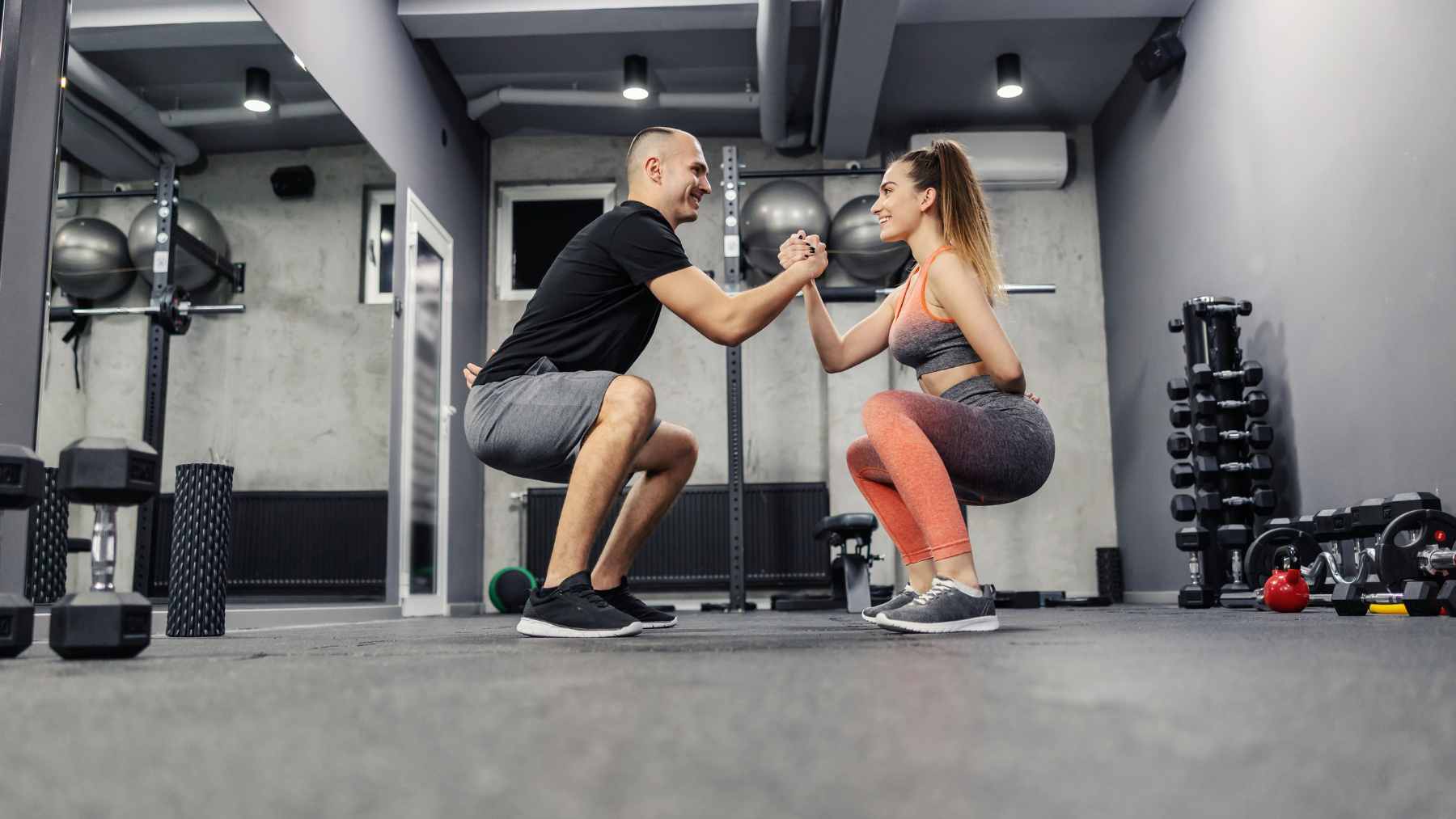
The bigger takeaway is simple: a shared value does not always require a shared routine. Two partners can care about health, nutrition, movement, and their children’s habits while still caring for their bodies in different ways.
For couples, the question may be less “Why don’t you work out like me?” and more “What kind of movement actually fits your life?” That small shift can protect both people from comparison, guilt, and the low-level tension that builds when one partner feels left behind.
Sometimes support means joining in. Other times, it means stepping back, giving the other person space, and choosing your own pace.