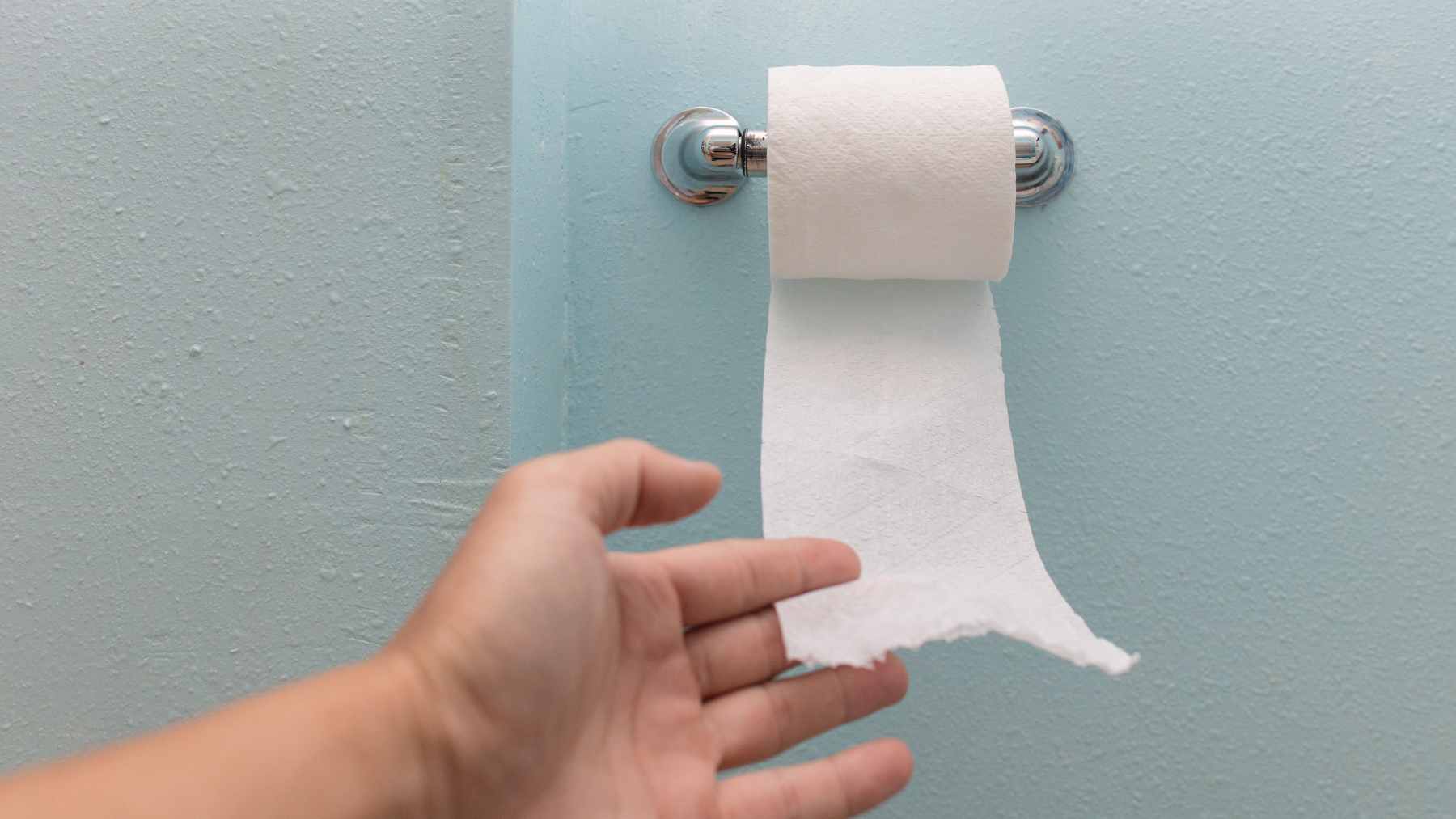
Everyone poops, but most people still treat it like a subject to avoid. That is a mistake, because bowel movements can reveal a lot about hydration, fiber intake, digestion, and possible illness.
So is there a best time of day to go? Gastroenterologists say the morning is often the easiest window for many people, especially after waking up, drinking water, and eating breakfast. Still, the real goal is not hitting a perfect hour on the clock, but going regularly, comfortably, and completely.
Morning has an advantage
There is no single ideal bathroom time for everyone. Clinical guidance puts a typical healthy range anywhere from three bowel movements a day to three a week, but your own steady pattern matters most.
Dr. Will Bulsiewicz, a gastroenterologist in Charleston, South Carolina, says rhythm matters more than the exact hour. “When our gut is in rhythm,” he says, bowel movements tend to feel more complete and satisfying.
That rhythm helps explain why mornings often win. During sleep, digestion slows, the colon stores waste, and then the system starts moving again after you wake up.
Your body clock is involved
The body runs on circadian rhythms, the internal clock that helps coordinate sleep, hormones, metabolism, and digestion.
A review led by Timothy J. Hibberd and Stewart Ramsay at Flinders University found that colon function follows daily patterns, including changes in movement, absorption, hormone release, gut barrier function, and pain signaling.
Motility simply means movement. In the gut, it is the squeezing and pushing that moves food and waste along, a bit like a slow conveyor belt inside the body.
Dr. Kenneth Brown, a gastroenterologist in Plano, Texas, says that “in the morning, shortly after waking up” is usually the best time for most people. It is not magic, it is biology meeting habit.
Breakfast sends the signal
Then comes breakfast, or even that first cup of coffee. When food or drink stretches the stomach, it can set off the gastrocolic reflex, an automatic message from the stomach to the colon that tells older waste to move along.
That does not mean breakfast races through your body. For the most part, your colon is moving out stool that was already waiting, which is why the urge can come soon after a meal.
In practical terms, a simple morning routine can help. Wake up around the same time, get some light, drink water, eat a fiber-rich breakfast, and give yourself a few quiet minutes in the bathroom.
You can train the routine
Bowel training is a real strategy, not just wishful thinking. Federal digestive health guidance says trying to go at the same time each day can help, and that 15 to 45 minutes after breakfast may be useful because eating helps the colon move stool.
MedlinePlus also describes bowel retraining as a program that can improve bowel movements, especially in cases of severe constipation or loss of bowel control. Simply put, it means giving your body a repeated signal until the pattern becomes easier.
The trick is not to force it. Sit for a few minutes, relax, breathe, and leave if nothing happens. Straining can backfire, and nobody wants to start the day stuck on the toilet like it is another meeting on the calendar.
Habits that change timing
Food and water are big players. Adults should get about 0.8 to 1.2 ounces of dietary fiber each day, depending on age and sex, and water helps fiber work better so stool stays softer and easier to pass.
Movement matters, too. Regular physical activity supports bowel regularity, while too much sitting can slow things down, especially if the bathroom urge keeps getting ignored.
Stress can change the schedule in either direction. The gut and brain are in constant conversation, and that connection is linked to irritable bowel syndrome, functional constipation, diarrhea, anxiety, depression, and chronic stress.
When to call a doctor
A missed day is not automatically a crisis. But you should pay attention if your usual pattern suddenly changes, bowel movements become painful, stool looks very different, or you feel like you are not emptying fully.
Constipation symptoms can include fewer than three bowel movements a week, hard or dry stool, painful passage, and the feeling that not all stool has passed. Low fluids, low fiber, lack of exercise, ignoring the urge, and some medications can also contribute.
At the end of the day, morning may be the sweet spot, but regular and complete is the real win.
The main scientific review on circadian rhythms in colon function has been published in Frontiers in Physiology.