One tick bite can turn a familiar dinner into a health puzzle. Starting November 1, 2026, a new reporting law will require suspected cases of alpha-gal syndrome to be reported statewide, giving Oklahoma a formal count of the tick-triggered allergy.
The change matters because reactions often begin hours after someone eats beef, pork, dairy, gelatin, or another product made from mammals. A person may blame food poisoning, go to bed feeling fine, then wake with severe stomach pain, hives, breathing trouble, or faintness.
What the new law changes
Senate Bill 1644 was authored by state Sen. Brenda Stanley and state Rep. Cynthia Roe, then approved by Gov. Kevin Stitt on May 6, 2026. The law directs the state health commissioner to add alpha-gal disease to Oklahoma’s list of reportable conditions, requiring health care providers and laboratories to send suspected cases to the Oklahoma State Department of Health.
Before the law, alpha-gal was not on the state’s reportable conditions list. Dr. George Monks, a past president of the Oklahoma State Medical Association, said, “In my 23 years of practice, this is something I’m seeing more and more.” He added that he is diagnosing more patients with the condition.
Why alpha-gal is easy to miss
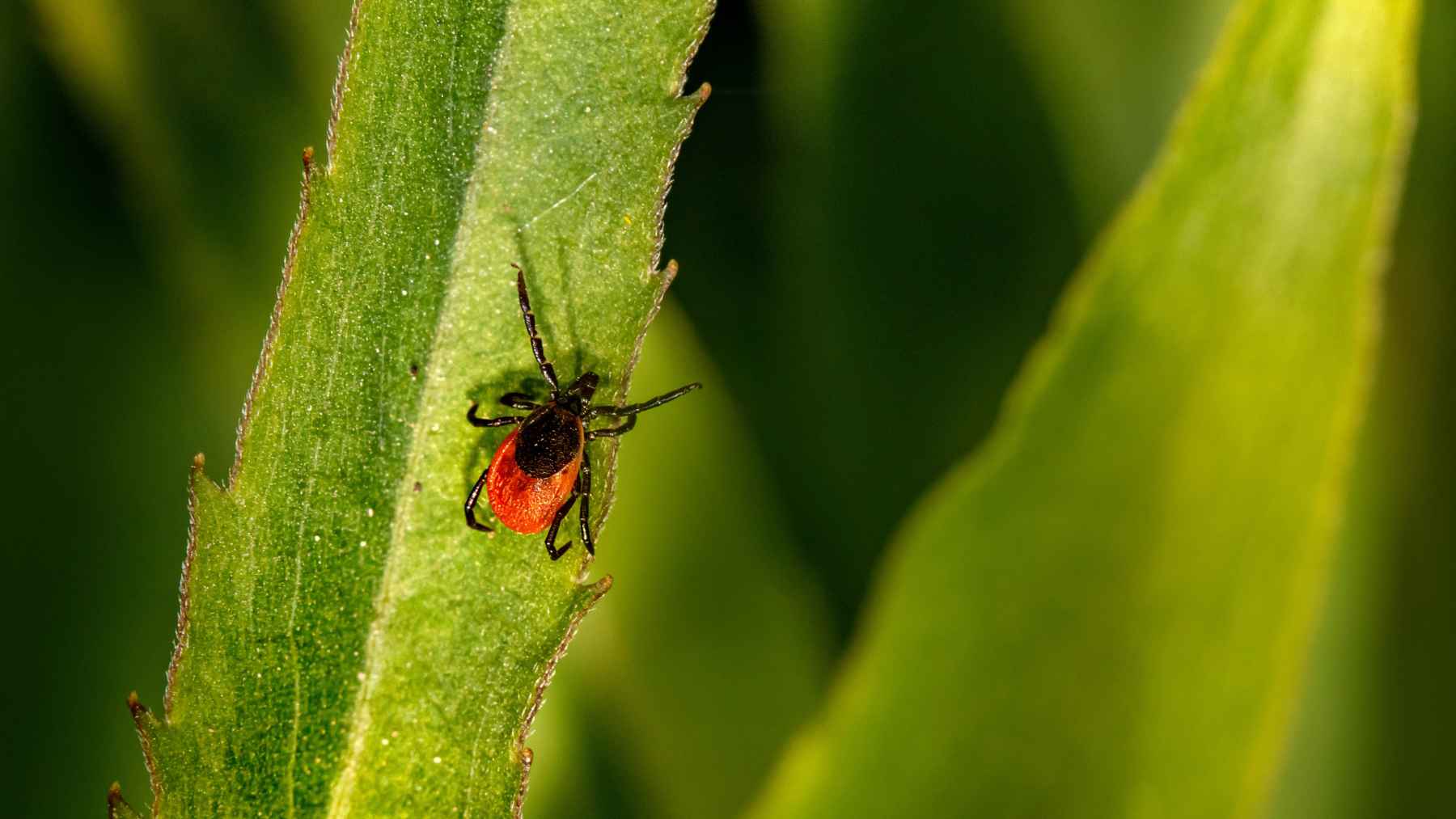
Alpha-gal is a sugar molecule found in most mammals, including cows, pigs, and deer, but not in people. In the United States, a bite from the lone star tick is most often linked to the condition because tick saliva can push the immune system to treat alpha-gal as a threat.
What makes this allergy so unusual? Unlike many food reactions that appear within minutes, alpha-gal symptoms commonly arrive two to six hours after exposure, and sometimes later.
“Two, four, maybe six or eight hours later, digestive problems appear, and many people will probably think they have food poisoning,” said Jonathan Cammack, an assistant professor and state extension specialist in livestock entomology and parasitology at Oklahoma State University.
By then, the burger or barbecue that caused the problem may feel like a distant memory.
Symptoms do not always look familiar
Reactions can include nausea, vomiting, diarrhea, severe stomach pain, hives, swelling, breathing problems, dizziness, and a dangerous drop in blood pressure. Some people experience anaphylaxis, a severe allergic reaction that can become life-threatening.
A rash is not guaranteed, however. Sharon Forsyth, executive director of Alpha-gal Alliance and Alpha-gal Alliance Action Fund, said some patients “only had severe stomach and intestinal problems, lost consciousness, and never had hives.”
She has alpha-gal syndrome and helped advocate for the Oklahoma measure. She is also pushing for federal funding to train health professionals, and better reporting could strengthen that effort by showing the size and location of the problem more clearly.
Oklahoma needs a clearer count
A Centers for Disease Control and Prevention analysis identified more than 110,000 suspected U.S. cases from 2010 through 2022, while researchers estimated that as many as 450,000 people may have been affected.
Oklahoma was also among the states with the highest numbers of people testing positive for alpha-gal antibodies per 100,000 residents.
The knowledge gap reaches medical offices, too. In a national survey of 1,500 health care providers, 425 had not heard of alpha-gal syndrome and another 35% were not confident in their ability to diagnose or manage it.
A newer study based on blood donor samples estimated that nearly one-third of people age 16 and older in Arkansas and more than one-quarter in Missouri carried alpha-gal antibodies. Both states border Oklahoma, and researchers stressed that antibodies alone do not mean a person has the syndrome.

Red meat can trigger delayed allergic reactions in people with alpha-gal syndrome, a condition linked to bites from lone star ticks.
A blood test is only part of the answer
Alpha-gal syndrome can be evaluated with a blood test that looks for IgE antibodies, which are immune proteins linked to allergic reactions. Clinicians also consider the patient’s symptoms, the delay after eating, and any history of tick bites or outdoor exposure.
A positive blood result by itself does not prove someone has the syndrome. People can carry alpha-gal antibodies without symptoms that fit the diagnosis, especially in places where lone star ticks are common.
Anyone who suspects alpha-gal syndrome should speak with a qualified health care provider. Trouble breathing, throat swelling, fainting, or another severe allergic reaction requires immediate emergency care.
What reporting could change
In practical terms, the new reports could help public health teams identify hot spots and see whether the condition is spreading. Lawmakers also say a documented state case load could improve Oklahoma’s chances of securing federal resources for research and professional education.
The law will not cure the allergy or prevent the next tick bite, yet could shorten the road from a confusing late-night reaction to the right diagnosis, and that is no small thing for someone suddenly rethinking the grocery list.
The official measure has been published by the Oklahoma Legislature.