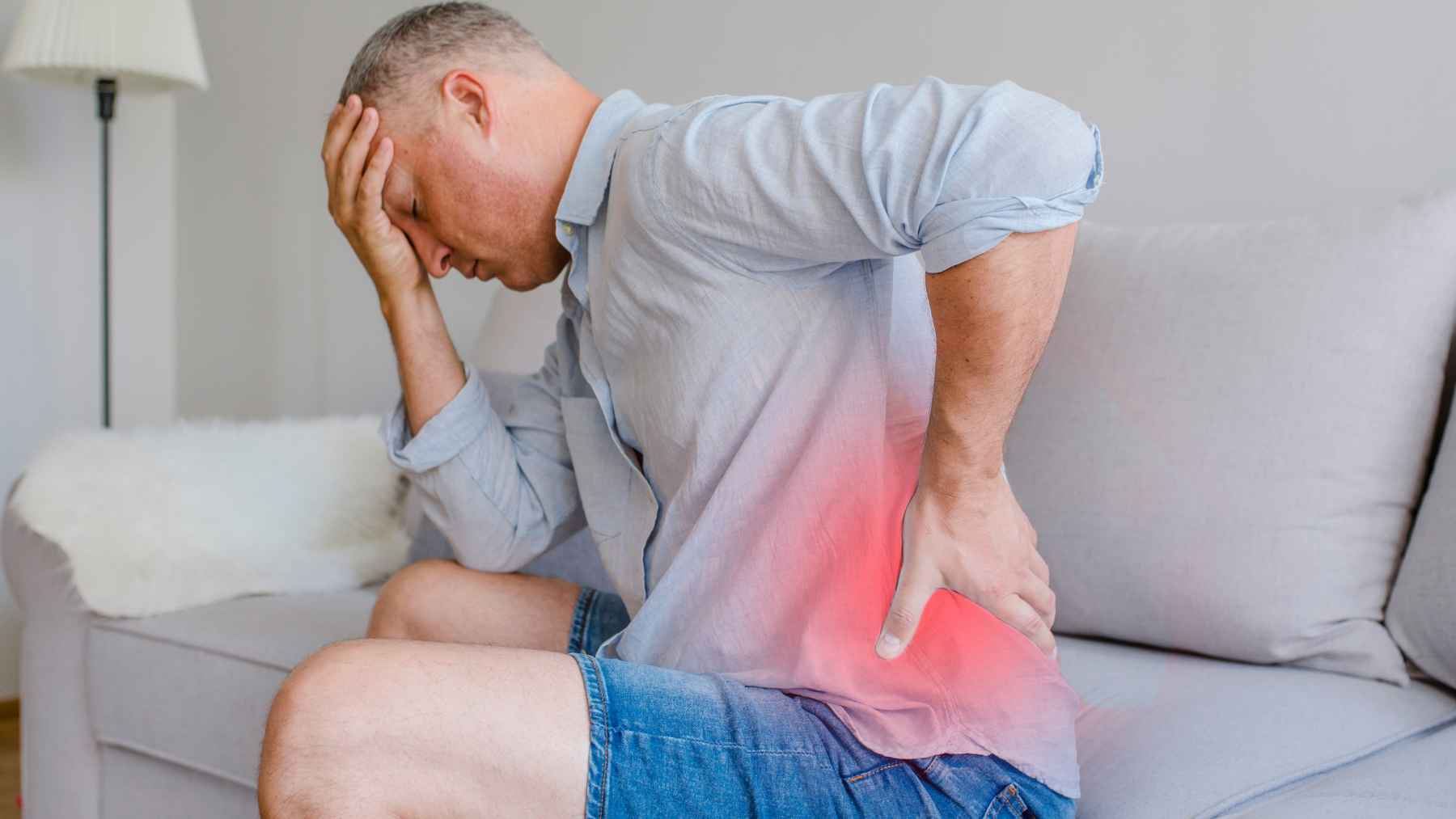
Weak bones and aching joints are easy to blame on age. but a nutrient shortage may be part of the picture, especially when vitamin D is low and the body cannot absorb calcium efficiently.
There is an important catch. Joint pain has many possible causes, and a supplement bottle cannot tell whether the ache comes from a joint, a muscle, or the bone itself.
Vitamin D stands out
Among the common nutrient shortages linked to fragile bones, vitamin D stands out. It helps the intestine absorb calcium, a main building block used as bone tissue is broken down and rebuilt.
When vitamin D remains very low, adults can develop osteomalacia, which means bone does not harden properly. That may cause deep bone pain and muscle weakness, while long-term shortages of vitamin D and calcium can raise osteoporosis risk.
Calcium is the essential partner
Calcium gives bones much of their strength, but the body needs enough vitamin D to use it well. After about age 30, bone mass can slowly decline, with faster losses often seen in middle age and after menopause.
Osteoporosis is often called a “silent disease” because it may not hurt at first. A fracture after a minor fall, loss of height, or bone density test may reveal the problem before everyday symptoms do.
Joint pain is not a diagnosis
So, does an aching knee automatically mean a vitamin deficiency? No. Osteoarthritis, inflammatory arthritis, injury, repeated strain, bursitis, muscle pain, and infection can all cause pain around a joint.
The pattern matters. Swelling, warmth, prolonged morning stiffness, recurring pain, or trouble putting weight on a joint deserve medical attention rather than a guess in the supplement aisle.

Four nutrients have different evidence
A 2020 narrative review by Anna Capozzi, Giovanni Scambia, and Stefano Lello of Fondazione Policlinico Universitario A. Gemelli IRCCS examined calcium, vitamin D, vitamin K2, and magnesium.
It found that calcium and vitamin D remain central to skeletal care, especially for people with low intake, poor absorption, deficiency, or higher fracture risk.
The review did not support calcium pills as a stand-alone way to prevent fractures in the general postmenopausal population. More is not automatically better, and treatment should fit a person’s diet, test results, health history, and risk.
Magnesium helps with bone formation, muscle function, and vitamin D metabolism. Vitamin K activates proteins involved in bone mineralization, but evidence that routine magnesium or vitamin K2 supplements prevent osteoporosis remains less certain.
Food is the starting point
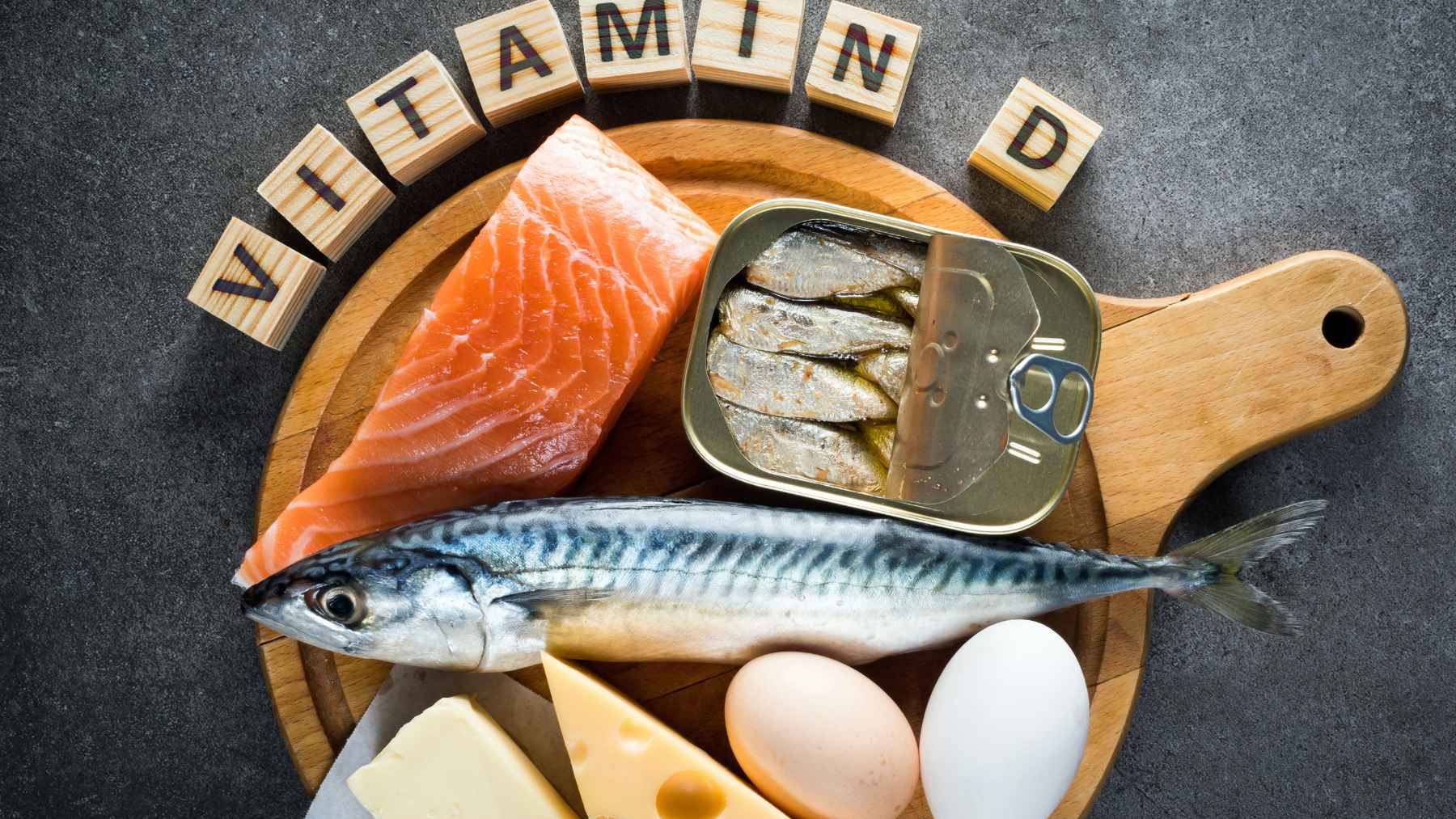
Calcium-rich choices include milk, yogurt, cheese, calcium-set tofu, canned sardines or salmon with edible bones, and some leafy greens. Fatty fish, egg yolks, fortified milk, and fortified cereals can provide vitamin D, while beans, nuts, seeds, whole grains, and greens supply magnesium.
Protein matters because strong muscles support balance and protect joints during everyday movement. Think about stepping off a curb or carrying groceries. Better strength can help turn a stumble into a quick recovery instead of a hard fall.
Sunlight helps the skin make vitamin D, but there is no universal safe exposure time. Skin tone, season, location, clothing, medications, and skin cancer risk all change the calculation.
Supplements need a reason
Healthy adults younger than 75 generally do not need vitamin D above standard dietary recommendations just to prevent disease, according to a 2024 Endocrine Society guideline.
Routine testing is also not advised for every healthy person, though it can be appropriate when symptoms, medical conditions, medications, or other risks raise suspicion.
High doses are not harmless. Too much vitamin D can raise blood calcium and damage the kidneys, while calcium supplements may contribute to kidney stones in some people.
Tests can reveal the problem
When deficiency is suspected, a clinician may order the blood test known as 25-hydroxyvitamin D, the main marker of vitamin D status. Other tests may check calcium, kidney function, parathyroid hormone, which helps regulate calcium, or inflammation, depending on the symptoms.
A bone density scan measures how much mineral is packed into the bones. The 2025 U.S. Preventive Services Task Force recommendation supports screening women age 65 and older, plus younger postmenopausal women at increased risk. Evidence remains insufficient for universal screening in men.
Movement helps hold the system together
Weight-bearing activity makes bones work against gravity. Brisk walking, stair climbing, dancing, and carefully planned resistance training can support bone and muscle health, while balance work may lower fall risk.
Still, exercise should match the person. Anyone with a recent fracture, severe pain, poor balance, or known osteoporosis may need a clinician or physical therapist to adjust impact and technique.
Know when to seek help
Persistent bone pain, unexplained weakness, fractures after minor falls, loss of height, early menopause, long-term steroid use, digestive disease, or a strong family history should prompt a closer look. Joint swelling, warmth, long morning stiffness, or fever also calls for assessment.
At the end of the day, vitamin D is the nutrient deficiency most clearly tied to weak bones, but it is only one piece of the puzzle. Start with the cause, not the capsule.
This article is informational and does not replace medical care.
The full review was published in Maturitas.