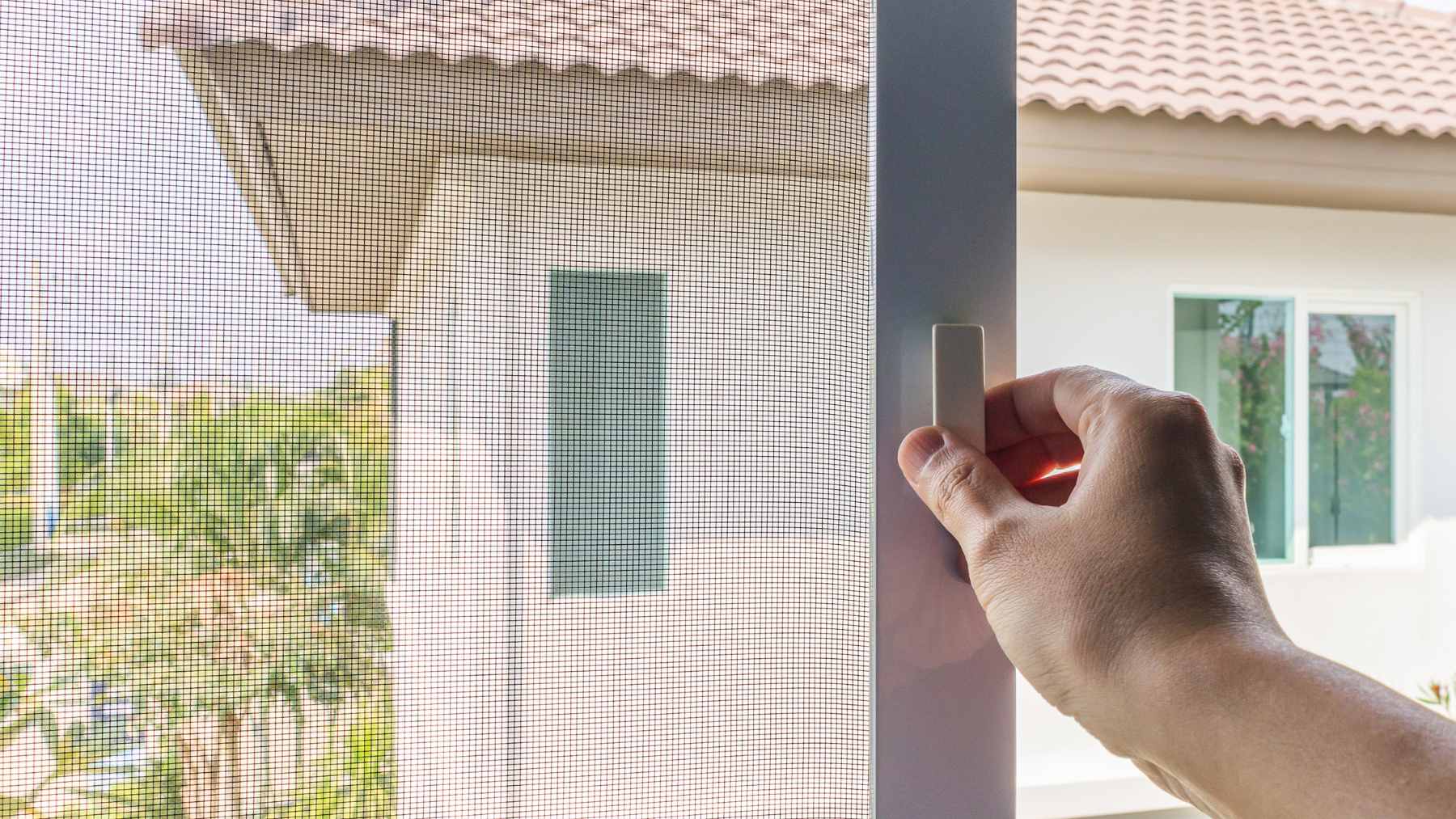
A dirty window screen rarely feels urgent until you see the gray-black film spread across the mesh. It blocks the view, makes the window look older than it is, and can turn a quick breath of fresh air into a dusty little annoyance.
The good news is simple. For everyday dust, you do not have to remove the screen, soak it outside, or turn the job into a weekend chore. A towel, a vacuum, warm soapy water, and a soft cloth can make the mesh look cleaner in about 5 minutes.
Why the mesh gets so grimy
Window screens do a quiet job all day. They let air move through the room while helping keep insects, larger dust particles, and outdoor debris from drifting inside. Over time, that same protective mesh becomes a landing pad for pollen, road dust, lint, and the fine grime kicked up by wind and traffic.
That buildup is not just cosmetic. The U.S. Environmental Protection Agency says ventilation can help remove or dilute indoor airborne pollutants when outdoor air is suitable, and open windows are one simple way fresh air enters many homes. When the screen is clogged, that fresh-air path can feel weaker.
A small job with a real payoff
Good airflow matters most on days when the house feels stale or when you want a break from air conditioning.
The U.S. Department of Energy notes that opening windows at lower and upper levels can help air move through a home using natural air movement. But that only works well when the window and screen are not packed with dust.
In practical terms, cleaning the mesh can make a room feel fresher without buying anything new. It may also help the window look brighter from inside the home. Not a dramatic remodel. Just one small fix you can see right away.
What you need
The best part is that the method uses basic household items. Grab a vacuum with a brush attachment, a soft brush, a microfiber cloth, mild liquid dish soap, warm water, a spray bottle if you have one, and a dry towel. A lint roller can also help if pet hair or fluffy dust is stuck to the mesh.
Skip harsh cleaners. A little dish soap is enough for most dusty screens, especially if you clean the dry debris first. Think of it like washing a delicate shirt rather than scrubbing a sidewalk.
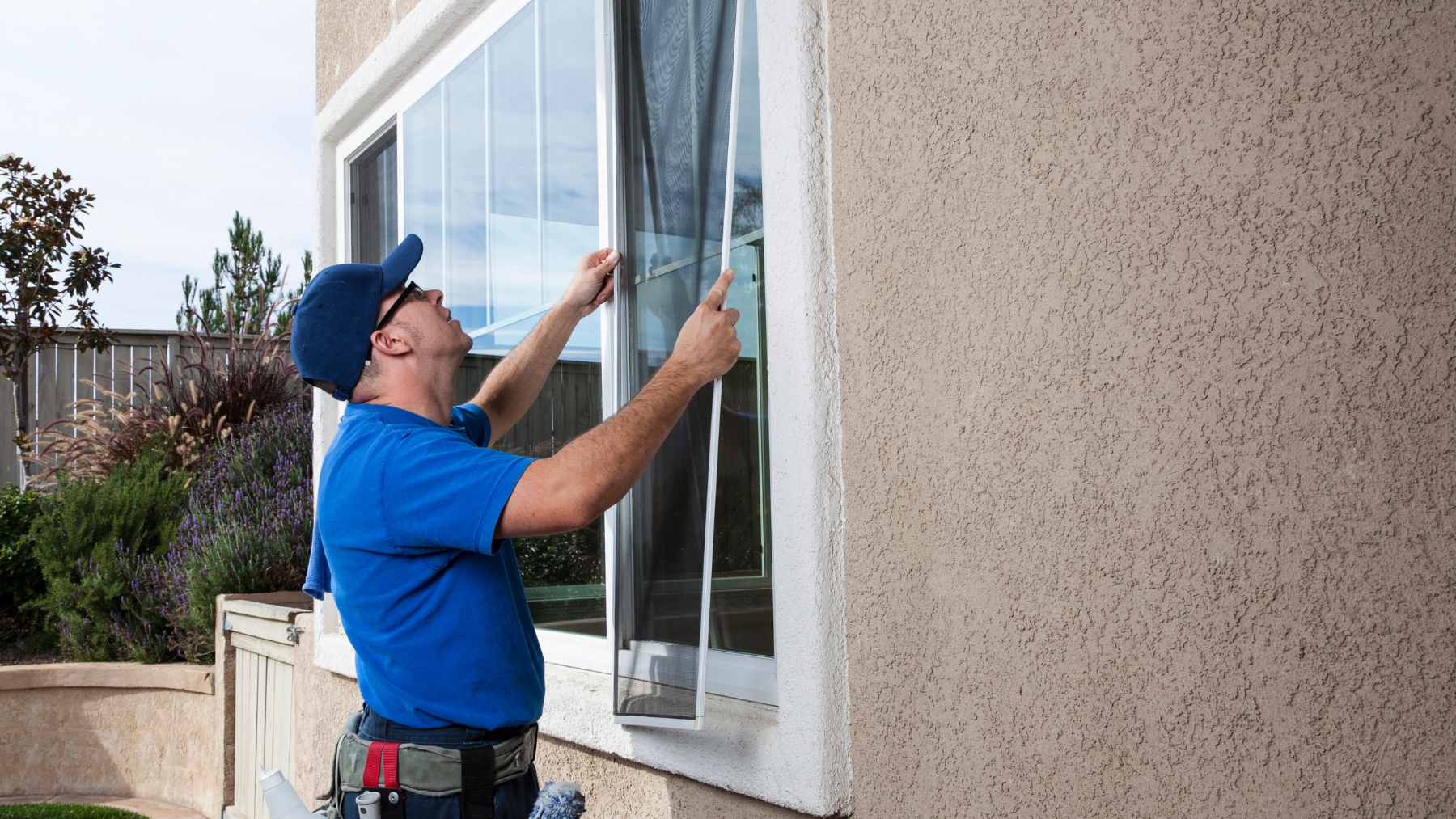
Clean it from inside
First, place a dry towel below the window. This catches drips and keeps dirty water from spreading across the sill, floor, or wall. It is a small step, but it saves you from cleaning the cleanup.
Next, remove the loose dust before adding any moisture. Use the vacuum brush attachment or a soft brush, working from top to bottom. Why top to bottom? Because falling dust should land on areas you have not cleaned yet, not on the part you just finished.
Now mix warm water with a small amount of mild dish soap. Dip a microfiber cloth into the solution, wring it well, and wipe the mesh gently. Do not press hard, because too much force can stretch the screen or loosen it from the frame.
Mistakes that can ruin the screen
High-pressure water may seem like a shortcut, but it can push the mesh out of shape or loosen the edges. Bleach is another bad idea for routine screen cleaning. It can be too aggressive for frames, especially aluminum ones, and it is not needed for ordinary dust.
Also, do not skip the dry dusting step. Wet dust can smear into dark streaks and become harder to remove. On an older screen, be extra gentle. A fragile mesh can tear from pressure that would not bother a newer one.
How often to clean
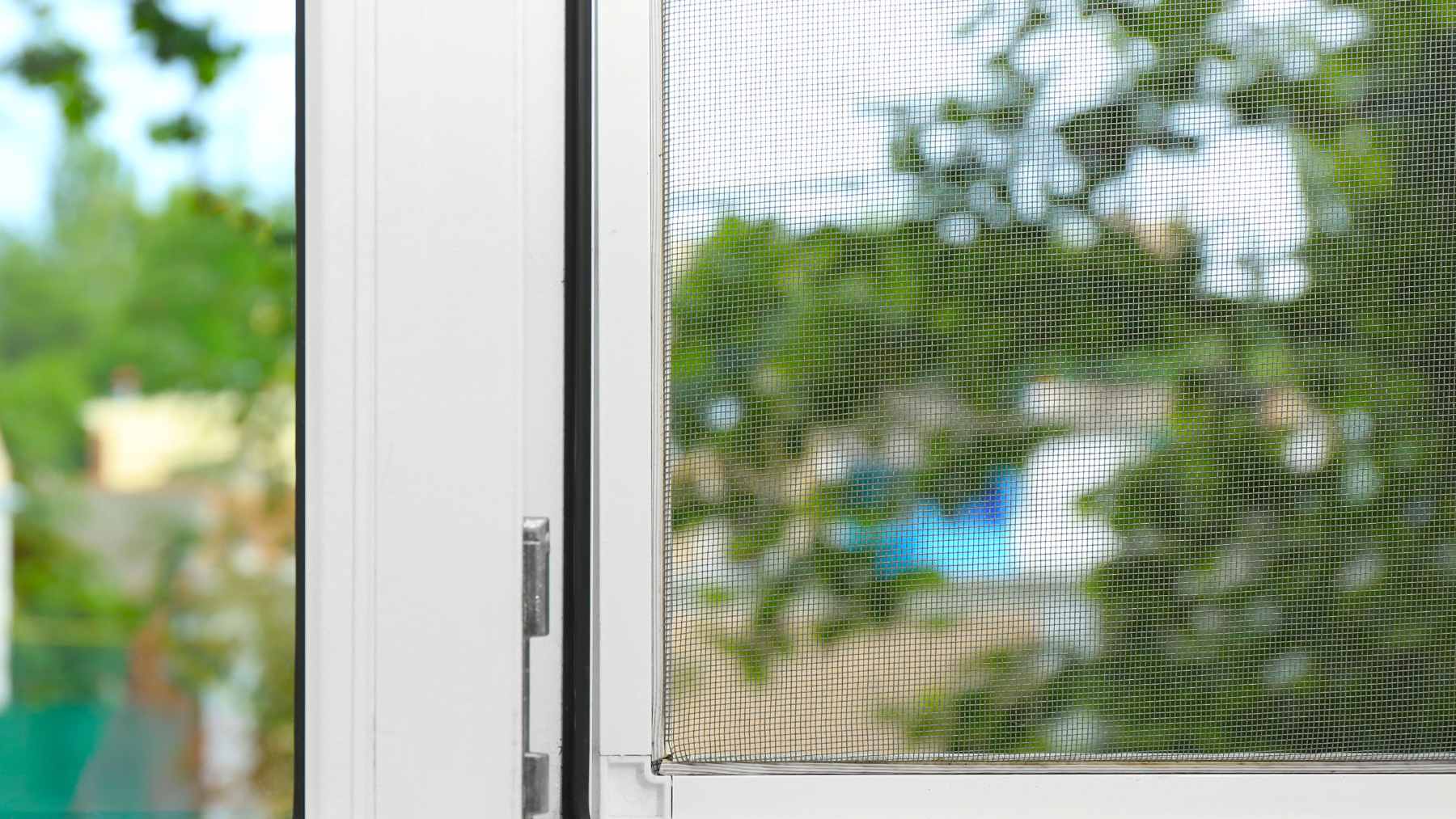
For most homes, a deeper cleaning twice a year is a practical rhythm. In dusty seasons, or if you live near traffic, construction, dry soil, or heavy pollen, a light cleaning every few weeks can keep the screen from turning black again.
There is no need to overcomplicate it. Once the mesh is clear, air can pass through more easily, and the window looks less neglected. That is the kind of chore that feels bigger before you start than after you finish.
When to remove the screen
Not every screen can be rescued in place. If the mesh is coated with grease, mud, sticky stains, or stubborn grime, wiping from the inside may not be enough. A screen that still blocks airflow after cleaning probably needs to be removed and washed more thoroughly.
Still, for everyday dust, the no-removal method is the smarter first move. It is quick, cheap, and gentle enough for regular upkeep. The main household cleaning guidance used for this article comes from the source material provided for this assignment.
The official indoor air quality guidance was published by the U.S. Environmental Protection Agency.