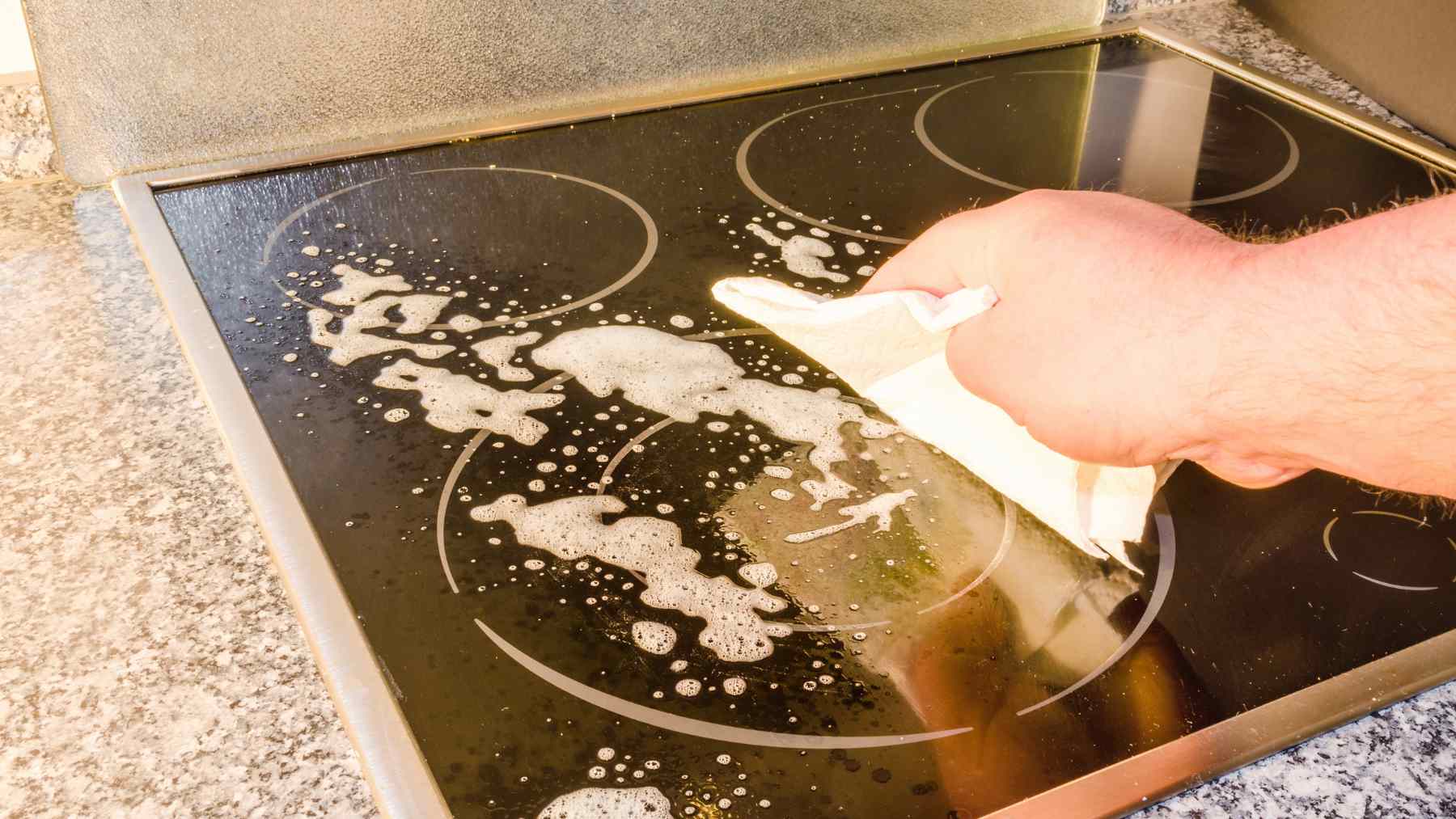
A glass-ceramic cooktop can make a kitchen look clean, modern, and almost untouched. Then dinner happens. One splash of oil, one damp cloth, and suddenly the surface that looked polished a few minutes ago is covered in cloudy streaks.
That is why a very simple cleaning habit is getting attention. According to cleaning professionals cited in the source material, the final pass with a dry paper towel can help remove the marks left by a cloth and bring back that smooth shine many people expect from a freshly cleaned stovetop.
The streak problem
The issue is not always dirt. Many times, the cooktop has already been cleaned, but the surface still looks dull because moisture, grease, or leftover cleaner has been dragged across the glass.
Anyone who has wiped a stovetop right before guests arrive knows the feeling. You step back, the kitchen light hits the surface, and there they are again. Streaks.
Cleaning experts say one common mistake is using a cloth that is too wet. Another is failing to dry the surface properly after removing the grime, especially on glossy glass-ceramic cooktops where every mark is easy to see.
Why paper towels help
The trick is not complicated. After cleaning the cooktop with a suitable product or a mild mixture such as water and vinegar, the final step is to use a dry paper towel with gentle movements.
That last pass absorbs leftover moisture and helps lift the faint film that often remains after wiping. Whirlpool’s official ceramic glass cooktop guidance also recommends polishing with a clean, dry cloth or a clean, dry paper towel as the final step.
KitchenAid gives similar advice for glass stovetops, recommending a clean, dry cloth or paper towel to gently polish the entire cooktop surface. In practical terms, that means the shine often comes from the drying stage, not from adding more cleaner.
A cleaner finish
There is another reason this small step matters. Reusable cloths can hold onto grease, detergent, and tiny fibers, even after washing.
That does not mean cloths are bad. They are useful for lifting spills and loosening grime. But for the final polish, a fresh sheet of paper towel may leave fewer traces behind, especially if the cloth you used earlier is still damp.
GE Appliances also says a dry cloth or paper towel can be used to remove all cleaning residue from a glass cooktop. The company warns that the cooktop should not be heated until the cleaner has been removed, which is a detail many rushed home cooks overlook.
Use less harsh cleaner
One of the best parts of this method is that it does not require a cabinet full of strong chemicals. For daily maintenance, many surfaces only need a gentle cleaning routine, especially when spills are handled before they harden.
Maytag’s guidance says the cooktop should be turned off first and allowed to cool until it is warm but not hot to the touch. It also notes that vinegar can be used if desired to help soak food residue before cleaning.
That matters because heavy scrubbing and abrasive products can wear down the look of a glass surface over time. EuroKera, a glass-ceramic cooktop maker, recommends drying thoroughly after wiping and using products made for glass-ceramic surfaces for stubborn stains.
The safest way
Before starting, make sure the cooktop is off and cool enough to touch safely. A warm surface can make residue easier to loosen, but a hot surface is not the place for random sprays, paper towels, or rushed cleaning.
For a simple everyday routine, remove loose crumbs first. Then wipe the surface with a damp soft cloth and a mild solution, such as warm water with a little dish soap or diluted white vinegar.
Once the grime is gone, take a clean, dry paper towel and polish the surface in smooth movements. No pressure battle needed. The idea is to dry and buff, not to scrape.
What to avoid
The big warning is abrasiveness. Steel wool, rough pads, and gritty cleaners can scratch glass-ceramic surfaces, even if the damage does not show immediately.
Heavy cookware also deserves care. Sliding a pan across the cooktop can leave marks or scratches, so lifting it is usually safer than dragging it from burner to burner.
Also, do not assume more product means a better result. Too much cleaner can leave a hazy film that attracts fingerprints and dust, turning a quick chore into another round of wiping.
A small kitchen habit
This paper towel trick may sound almost too simple, but that is exactly why it works for many households. It adds one final step to something people already do.
There is also a wellness angle here. A clean kitchen does not have to be spotless in a magazine-cover way, but small habits can make daily cooking feel calmer, safer, and less frustrating.
So the next time the stovetop looks cloudy after cleaning, do not reach for a stronger product right away. Try drying it properly first. Sometimes, the shine is hiding under the last bit of moisture.
The official cleaning guidance used to support this story was published on Whirlpool Product Help.