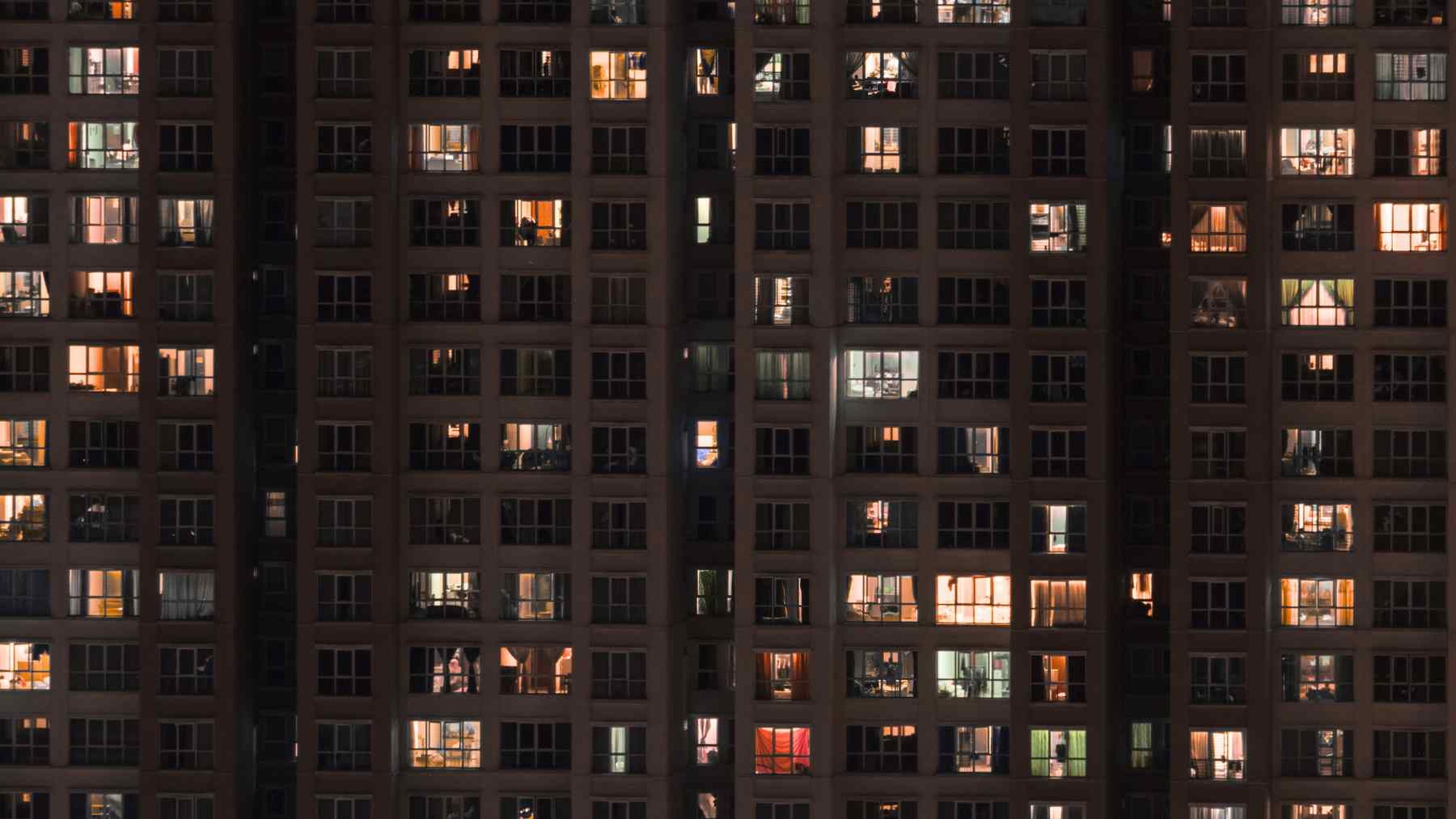
Most people close the bedroom blinds all the way at night without giving it much thought. It feels practical, especially if there is a streetlight outside, traffic noise near the window, or an early sunrise that cuts into precious sleep.
But there is a small catch. Total darkness may help some people fall asleep, yet it can also make the brain’s morning transition more confusing when the alarm rings and the room still looks like the middle of the night.
Why total darkness can backfire
The body does not wake up because of sound alone. Light is one of the main signals the brain uses to understand that morning has arrived, and the light and dark cycle helps keep the internal body clock aligned with the outside world, according to the CDC’s National Institute for Occupational Safety and Health.
So what happens when the alarm says “get up,” but the room says “keep sleeping”? For many people, that mismatch can make the first minutes of the day feel heavier than they need to be.
The brain needs a cue
Morning grogginess has a name. Researchers call it “sleep inertia,” the temporary state after waking that can include drowsiness, disorientation, and reduced performance. A 2024 study notes that sleep inertia can last from one minute to as long as three hours, depending on sleep stage, prior sleep loss, and circadian timing.
That does not mean everyone needs bright light blasting into the bedroom at sunrise. It does mean the brain often benefits from a gradual hint that the day is starting.
A small gap can help
That is where the simple blind trick comes in. Instead of closing blinds, shades, or shutters completely, leaving them open by about one or two inches can allow a small amount of natural light into the room.
In practical terms, it is a gentle cue. The room remains mostly dark, but when dawn arrives, the brain gets a little help shifting out of sleep instead of being jolted awake by sound alone.
When darkness still matters
Of course, not every bedroom is the same. If your window faces a busy road, a neighbor’s porch light, or that sticky summer heat we all know, full coverage may feel necessary.
Noise matters too. Closed shutters or heavy blinds can make a real difference for people who are sensitive to traffic, trash trucks, barking dogs, or early morning construction outside the window.
The sunrise alarm alternative
For people who want the darkness but still want a gentler wake-up, sunrise alarm clocks have become a popular middle ground. These devices gradually brighten before the alarm time, creating a light pattern meant to resemble dawn.
Some models begin about ten minutes before the alarm, while others allow longer settings. That control is the big advantage, because natural sunlight does not care whether your wake-up time is 6 a.m., 8 a.m., or after a late shift.
What the science says
The evidence is promising, but it deserves a little nuance. The National Sleep Foundation says bright, natural light helps people feel awake, while dim, dark environments help the body prepare for sleep. It also reported that only 51 percent of Americans said they were exposed to bright indoor light in the morning in its 2022 Sleep in America Poll.
Research on artificial dawn has also found benefits in some settings. One study found that artificial morning dawn simulation improved subjective well-being, mood, and cognitive performance under mild sleep restriction, compared with dim light and blue light conditions.
Not a magic fix
Still, a wake-up light is not a cure for chronic fatigue, insomnia, sleep apnea, or poor sleep habits. If someone sleeps too little, wakes often, or feels exhausted every morning, the issue may go beyond the blinds.
A 2024 study on a bedroom-based smart alarm found only a modest overall effect, but suggested that the length of the light exposure mattered, especially for people who tend to struggle more with morning grogginess. In other words, a longer and more gradual sunrise effect may work better than a very short burst of light.
How to try it safely
The easiest option is free. Leave the blinds open slightly for a few nights and see whether mornings feel smoother, especially on workdays when the alarm usually feels brutal.
If that lets in too much light, try a sunrise alarm with adjustable brightness and timing. Keep the light warm and gradual, and avoid turning the bedroom into a spotlight before you are ready to wake up.
Night light still counts
The other side of the equation is just as important. Bright light at night can push the body in the wrong direction, especially when it comes from phones, tablets, laptops, or overhead bulbs close to bedtime.
That’s why good sleep routines usually combine two ideas. Keep nights dark enough for rest, then give the brain a clear morning signal when it is time to start the day.
A small morning reset
At the end of the day, this is not really about blinds. It is about making the transition from sleep to wakefulness less harsh.
For some people, one or two inches of morning light may be enough. For others, a sunrise alarm may offer the same benefit without giving up privacy, quiet, or the cozy darkness that makes sleep easier in the first place.
The study was published on Clocks & Sleep through MDPI.