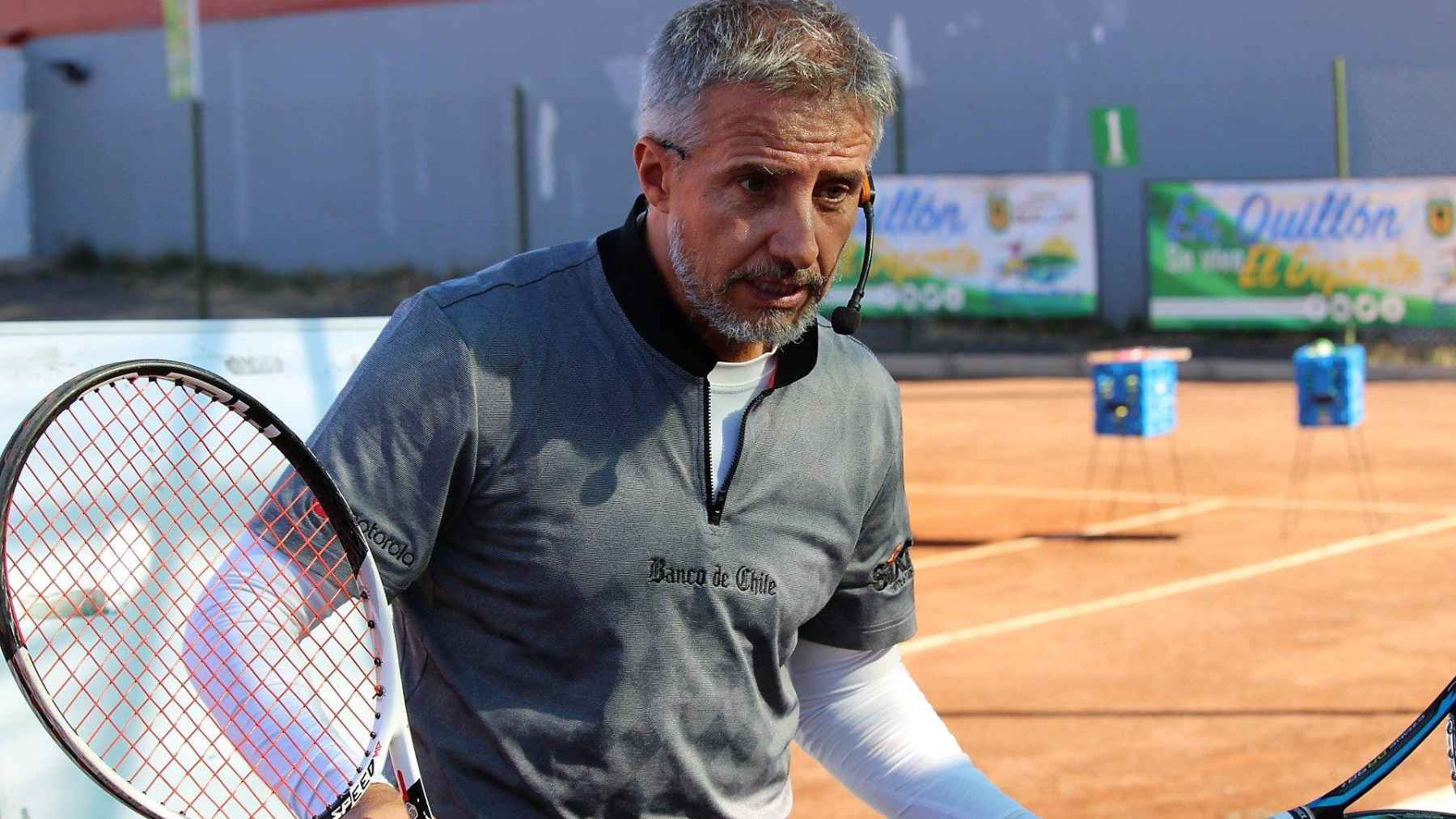
Horacio de la Peña has taken on a challenge that is both familiar and deeply personal. The former Argentine tennis player, who has lived in Chile for more than two decades, is now coaching Bautista de la Peña, his 17-year-old son, as he begins the rough climb into professional tennis.
Bautista earned his first ATP point in November 2025, a small but meaningful step into the rankings and into a world where early losses can pile up fast.
Tennis.com records him competing at the ATP Challenger in Temuco in late 2025, and the ATP Tour already lists him in its official player database, another sign that this is no longer just a family dream.
A father and coach
For Horacio, close to turning 60, the job is not only about forehands, fitness, and tournament schedules. His first priority, he says, is keeping the family together while Bautista learns how demanding the tour can be.
“The focus is to grind him until he has nothing left, but always giving him support,” Horacio said in the interview used for this article. That sentence sums up the plan: push hard, but do not leave the kid alone in the storm.
Why family matters
Horacio knows the lonely side of tennis because he lived it. At 17, he left home to live alone in the United States while trying to become a professional player, and that period also came as his father’s health was getting worse.
He later lost his father when he was 23, while traveling the world as a tennis pro. That memory still shapes how he coaches Bautista today, especially when the sport demands long trips, pressure, and adult decisions from teenagers.
“What young players suffer from most is bad family relationships, lack of family, lack of friends,” Horacio said. Bautista’s schedule includes training blocks, tournaments, and more importantly, time at home with his mother, siblings, and extended family.

Former Argentine tennis player Horacio de la Peña and his son Bautista share a moment off the court as they pursue the teenager’s journey into professional tennis together.
Bautista’s early climb
Bautista was born in Santiago on June 19, 2009, a date that carries extra meaning for his father because it fell on the original Father’s Day in Chile. He is the only one of Horacio’s five children who chose tennis as his path.
The sport is not giving him an easy welcome. Horacio said that when a player is 16 or 17 and facing professionals, “95% of the matches, on paper, you should lose.” That is a tough way to learn, but it is also the filter every young player has to pass through.
Bautista seems aware of the tradeoff. He said he was away from home for two months and eventually told his father he needed “a little bit of home, a little bit of family.” –a short sentence with big truth.
A hard lesson from the past
Bautista does not see his father’s toughness as random. He connects it to what Horacio had to face as a young player, when travel was more expensive, communication was harder, and being far from home really meant being far.
“I can’t imagine what it is like to live that at my age and have to provide for your whole family, because otherwise they don’t eat,” Bautista said. That reflection gives the father-son relationship a different weight.
He added that he understands why his father can be so demanding. In Bautista’s eyes, Horacio is trying to prepare him for a day when he may have to stand on his own, on court and in life.
The mother in the middle
There is another key figure in this story, and both father and son make sure to say it clearly. Lorena Chillura, Bautista’s mother and Horacio’s partner, helps separate the coach from the dad when the line gets too blurry.
Bautista called her the person who helps Horacio understand when to be a coach on court and when to be a father outside it. Horacio joked that she is “a mediator,” but the role sounds bigger than that.
Family life can be messy, especially when a tennis project takes over calendars, money, trips, and emotions. But in this case, the family seems to work like a net under the tightrope.
Pressure, the name, and the noise
The De la Peña name brings attention. Bautista says he tries not to see it as a burden, but as a privilege, because it comes with resources and opportunities that many players would like to have.
Still, attention brings another problem. Social media criticism, negative comments, and even threats have become part of the modern tennis grind, especially for young players who are just becoming visible.
Bautista says he tries to switch off the phone and not let it in. His mother helps there too, managing his Instagram and filtering the worst of it before it reaches him.
What comes next
For the most part, Horacio’s plan is simple to describe and hard to live. Bautista has to train often, compete often, lose enough to learn, and win enough to keep moving forward.
At the end of the day, what his father is trying to build is not just a tennis player. He is trying to build a teenager who can handle pressure without losing the place where he feels safe.
That may be the real story here–a coach can sharpen a player’s game, but a family can keep him standing when the scoreboard gets ugly.
The full interview used for this article was provided in the original source material.
The original interview was published in The Clinic.