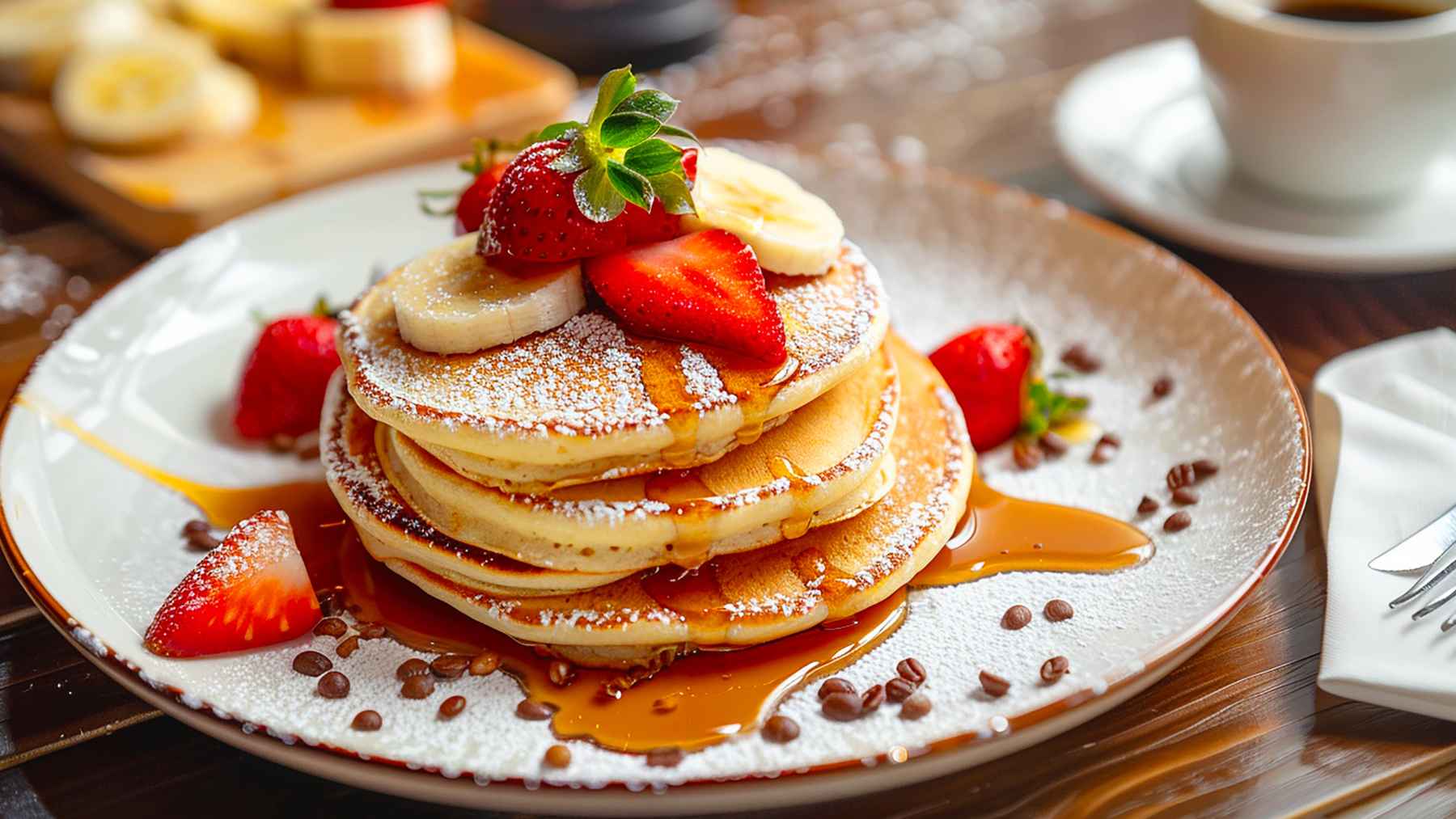
Can pancakes really fit into a weight-loss plan? A recipe published on July 20 takes the classic sweet breakfast and turns it into something more filling, using low-fat cottage cheese, eggs, vanilla protein powder, and oat flour.
It is meant for those mornings when cereal feels too light but a heavy breakfast feels like too much.
Each serving contains 318 calories and 24.5 grams of protein, plus berries, coconut, and a small drizzle of honey. The recipe makes four servings in about 30 minutes. It is not a shortcut to weight loss, but it might make eating on a calorie budget feel a little less like a chore.
Why protein helps
A calorie deficit simply means eating fewer calories than your body uses. The Centers for Disease Control and Prevention puts it plainly, “Using calories through physical activity, combined with reducing the calories you eat, creates a calorie deficit that results in weight loss.”
Protein can help manage hunger along the way, but at the end of the day, your overall diet is still what determines whether that deficit happens.
Protein provides amino acids, which the body uses to maintain and repair tissue and muscle. “Satiety” is just the technical word for that “okay, I have had enough” feeling, and for some people, higher-protein meals can make that feeling appear sooner and last longer.
That matters when lunch is still hours away, and the snack drawer at the office starts looking tempting.
What goes into the pancakes
For the batter, you will need 8.8 ounces of low-fat cottage cheese, two eggs, 2.1 ounces of vanilla protein powder, and 2.8 ounces of oat flour. Add salt to taste, and use just a light coating of canola oil for the skillet.
The topping combines 7.1 ounces of blueberries, 4.4 ounces of raspberries, two tablespoons of honey, two tablespoons of coconut flakes, and fresh mint. Split evenly across servings, that works out to about half a tablespoon of honey per plate. The berries add color, and the coconut gives it a little crunch.
How to make them
Mix the cottage cheese and eggs together in a bowl. Stir in the vanilla protein powder, oat flour, and salt until the batter is thick and even. There is no complicated technique that matters when the coffee is cooling and the clock is moving.
Warm a skillet and wipe it with canola oil, then spoon in small pancakes. Cook each side until golden and keep the finished pancakes warm while you use the remaining batter. Split them across four plates, add your toppings, and eat right away.
What one serving delivers
One portion provides 318 calories, 24.5 grams of protein, 29.7 grams of carbohydrates, and 9.8 grams of fat. That is a solid amount of protein for what is basically a sweet breakfast. The exact total can shift with the cottage cheese, protein powder, oil, and portion size used at home.
Oat flour takes the place of standard pancake flour, while fruit supplies sweetness and volume. Honey is still technically an added sugar, even in a small amount. You could cut back on it to lower the calories, but that would also throw off the nutrition numbers listed above.
What the research says
In a 2013 trial led by Heather Leidy at the University of Missouri, 20 overweight or obese young women ate a 350-calorie breakfast with either 13 or 35 grams of protein, or skipped breakfast.
The higher-protein breakfast group saw improvements in several appetite-related signals and snacked less in the evening compared to the groups that skipped breakfast completely. This recipe provides 24.5 grams, and the study involved a small, specific group, so the results are not a guarantee.
This means it is not a guarantee of the same results for everyone.
A separate study, this one led by Anna Ogilvie at Rutgers University, followed 207 adults during six months of calorie restriction.
Participants eating more protein lost about half as much lean body mass by percentage as the lower-protein group, although the researchers noted more research is still needed. Protein may help preserve muscle while losing weight, but exercise and the overall diet quality still play a big role.
Keep the health halo in check
Protein powder makes the recipe more convenient, but not all products are made equal. The Food and Drug Administration regulates powders sold as dietary supplements differently than regular food, and it is actually up to manufacturers to check their own product’s safety and labeling before it hits shelves.
So it is important to check the serving size and ingredient list yourself, since formulas and amounts really do vary from brand to brand.
The bigger point is simple. A high-protein breakfast may help when it replaces a less filling option, but adding it on top of an already adequate day of eating will not create weight loss.
This recipe works mainly because it combines a controlled portion, real protein, some fruit, and something that still feels like a treat instead of “diet food.”
A practical Monday reset
This breakfast lands in a useful middle ground. It still feels like pancakes, takes about half an hour, and is a lot more filling than a stack built from flour and syrup. That kind of thing can make a weekday routine easier to follow, which may be more useful than chasing a perfect menu.
At the end of the day, consistency matters more than one recipe. But when breakfast actually keeps you full and doesn’t feel complicated, the rest of the morning tends to fall into place a little easier.
The original recipe by Petra Burgrová was published by iDNES.cz.