A vitamin sold in many heart and bone supplements has produced a promising result in a randomized clinical trial. Over two years, vitamin K2 in the form known as MK-7 slowed the rise in calcium inside the coronary arteries of people who already had symptoms of heart disease.
There is an important limit, though. The supplement did not remove existing calcium, and the study did not show that it prevented heart attacks, strokes, or deaths. For anyone tempted by a bottle promising cleaner arteries, that distinction matters.
Why artery calcium matters
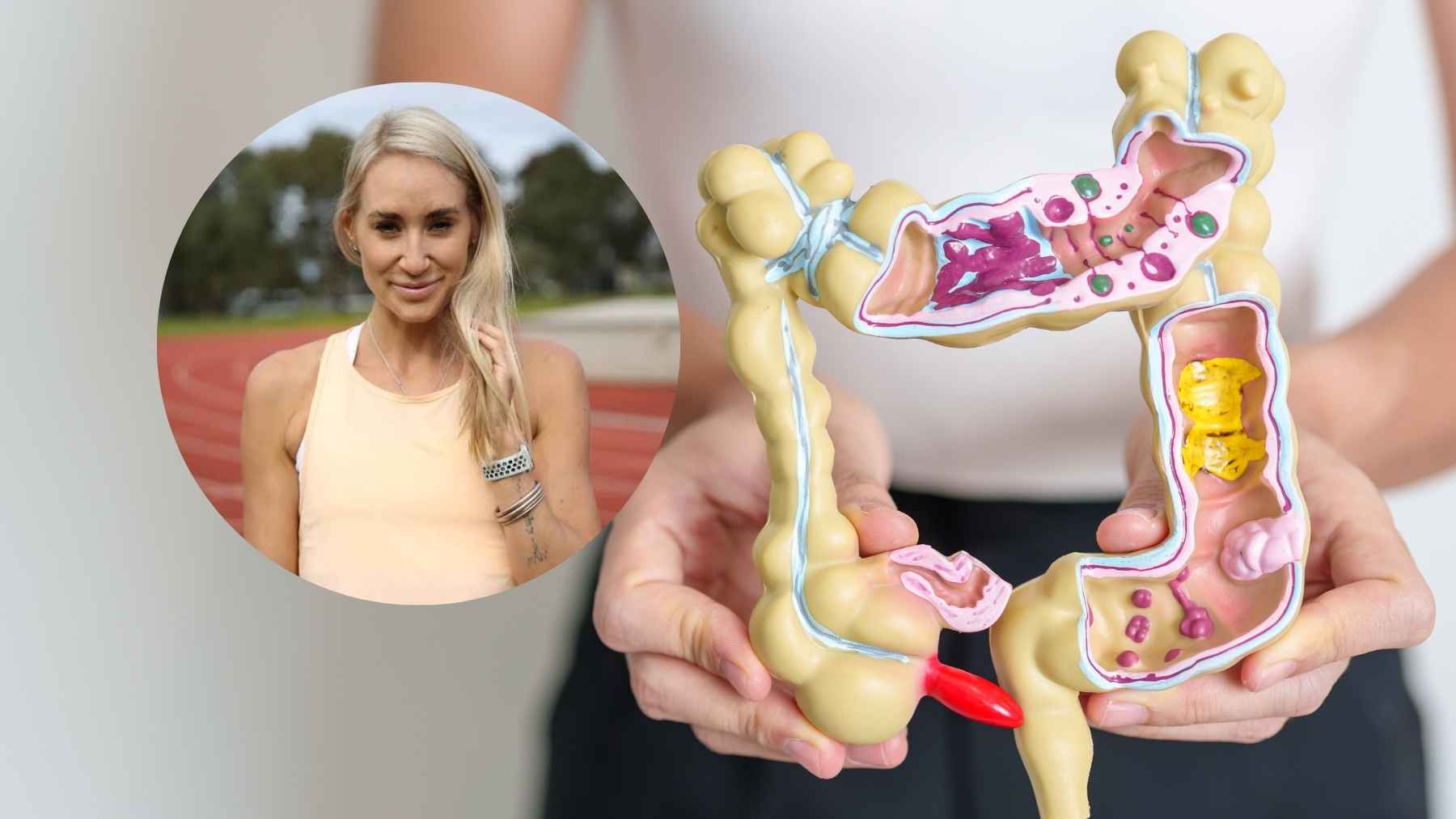
Atherosclerosis develops when cholesterol, fat, inflammatory material, and other substances build up in artery walls. As the disease advances, calcium can collect in those plaques, while the vessels may become narrower and less flexible.
Doctors can estimate this burden with a computed tomography scan that produces a coronary artery calcium score. A higher score generally signals more atherosclerotic plaque and a greater future risk of cardiovascular events, even when a person feels well.
But calcium is not a simple villain. Dense calcium may sometimes reflect a more stable plaque, while tiny deposits can appear during active disease. That is why a lower rise on a scan cannot automatically be translated into fewer medical emergencies, a concern also raised in an accompanying editorial.
What the two-year trial found
Liv Vossen, Peter de Leeuw, and Leon Schurgers of Maastricht University Medical Center and the Cardiovascular Research Institute Maastricht led the VitaK-CAC trial.
The researchers enrolled 180 adults with symptoms of coronary artery disease and mild to moderate calcium already visible in their heart arteries. The Dutch Heart Foundation supported the work, while the supplement manufacturer supplied the tablets.
Participants received either 360 micrograms of MK-7 each day or an identical placebo for two years. Their median age was around 60, about 42 percent were women, and most were already taking statins, drugs used to lower cholesterol and cardiovascular risk.
Seventy-five people in each group completed the full follow-up, and adherence was about 80 percent.
Calcium scores rose in both groups, but the placebo median climbed from 145 to 214 while the MK-7 score went from 135 to 184, a statistically significant adjusted difference.

There was no regression, and the authors said the clinical meaning for plaque stability “remains to be determined.” No significant adverse effects were detected, although a trial this size cannot rule out uncommon or long-term harms.
How vitamin K2 may work
Vitamin K helps activate matrix Gla protein, often shortened to MGP. Think of this protein as one of the body’s traffic controllers for calcium, helping prevent the mineral from settling where it does not belong, including blood vessel walls.
The National Institutes of Health describes MGP as a major focus of research into abnormal calcification.
MK-7 is a longer-lasting form of vitamin K2 found in certain fermented foods and supplements. Vitamin D plays a different role by helping the intestine absorb calcium and supporting normal bone mineralization, but it was not part of this trial.
Popular K2 and D3 combination pills may sound like a matched set, yet the researchers tested MK-7 alone.
Also, K2 addresses only one part of atherosclerosis. It does not directly remove LDL cholesterol, stop smoking damage, control high blood pressure, or erase the inflammation that helps plaque grow. One pathway is not the whole road.
Food does not equal a prescription
Vitamin K1 is abundant in leafy vegetables such as spinach and in foods including broccoli. Vitamin K2 is found in smaller amounts in animal products and fermented foods, with natto, a traditional Japanese soybean dish, providing especially high levels of MK-7.
For most healthy adults eating a varied diet, clinically important vitamin K deficiency is rare. The trial also studied a specific group with symptomatic coronary disease, so its findings cannot be applied automatically to healthy people or used as a general supplement recommendation.
There is another warning that should not be tucked into the fine print. Vitamin K can interfere with warfarin, sold as Coumadin, and similar anticoagulants.
Anyone taking these drugs should not begin K2 or sharply change vitamin K intake without medical guidance, because the change can alter the medicine’s blood-thinning effect.
The proven basics still matter
What protects arteries right now? For the most part, it is the familiar work that rarely fits into a shiny supplement bottle. That includes not smoking, controlling cholesterol, blood pressure, and blood sugar, eating a heart-healthy diet, and staying physically active.
The American Heart Association recommends at least 150 minutes of moderate aerobic activity each week, or 75 minutes of vigorous activity. A brisk walk may feel ordinary, but repeated week after week, it reaches several risk factors at once.
The MK-7 result opens a door. It does not settle what happens on the other side. Larger and longer trials must now test whether slower calcification actually leads to fewer heart attacks, strokes, hospital stays, or deaths.
The main study was published in JAMA Cardiology.