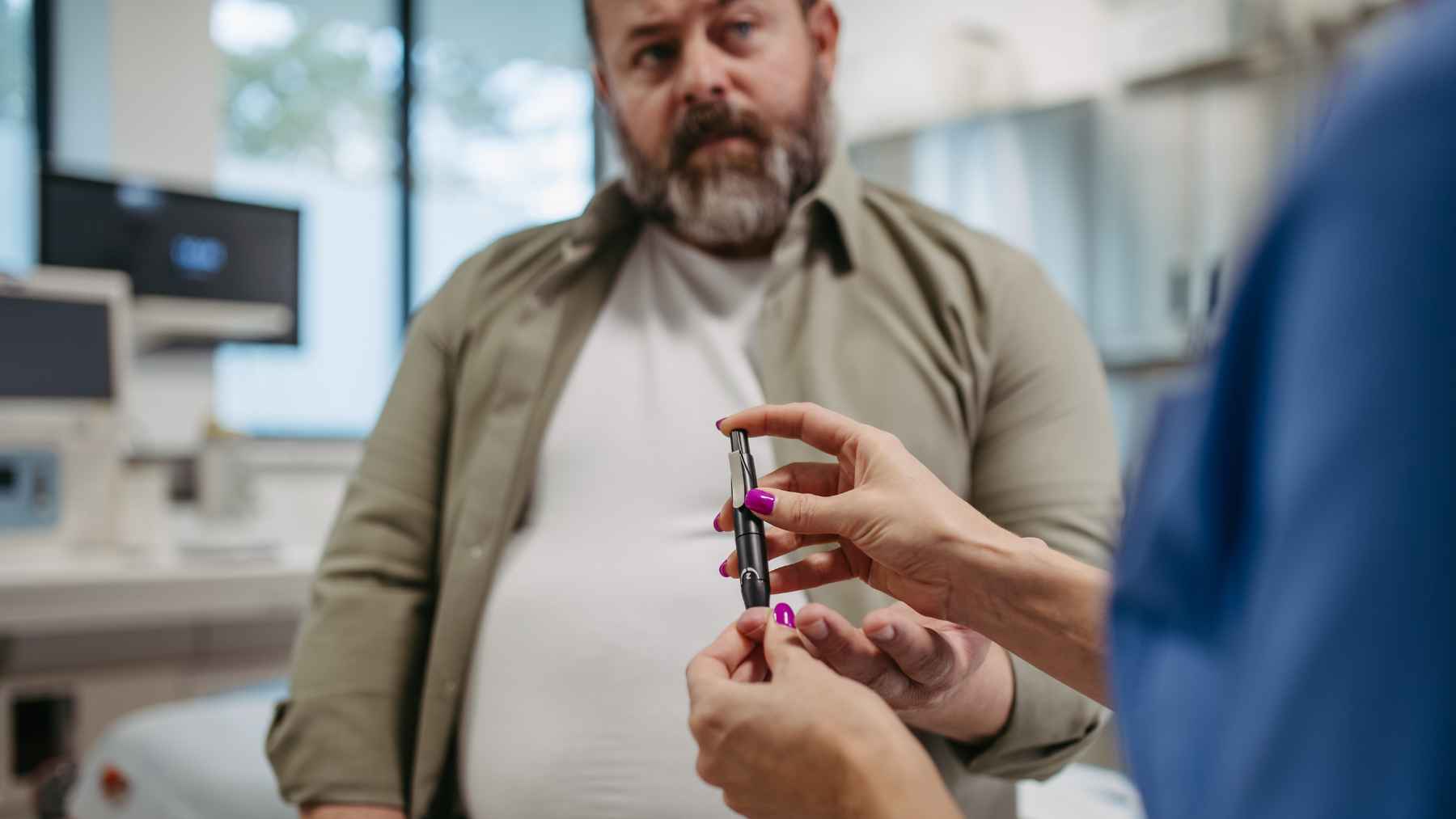
Snacking with diabetes can feel like walking through a grocery aisle full of traps. Yet the problem is usually not the snack itself. What matters most is the amount of carbohydrate, the portion, and what else is eaten with it.
A June 29, 2026, report by health journalist Thiên Châu highlighted four simple combinations built around protein, fiber, and healthy fats. The evidence supports a careful conclusion.
These foods may help curb hunger and soften sharp blood sugar rises, but they do not replace medication or a personal eating plan.
Why the snack mix matters
So, what makes these combinations different from cookies or chips? Carbohydrates have the biggest immediate effect on blood glucose, while protein, fat, and fiber can slow digestion and make the rise more gradual.
At snack time, a bowl of sweetened yogurt is not the same as plain yogurt topped with a small serving of whole berries.
The American Diabetes Association says healthy snacks can fit into a diabetes meal plan, especially when they combine protein, healthy fats, and fiber. Still, not everyone needs a snack between meals. Sometimes that afternoon urge is thirst, boredom, or habit rather than true hunger.
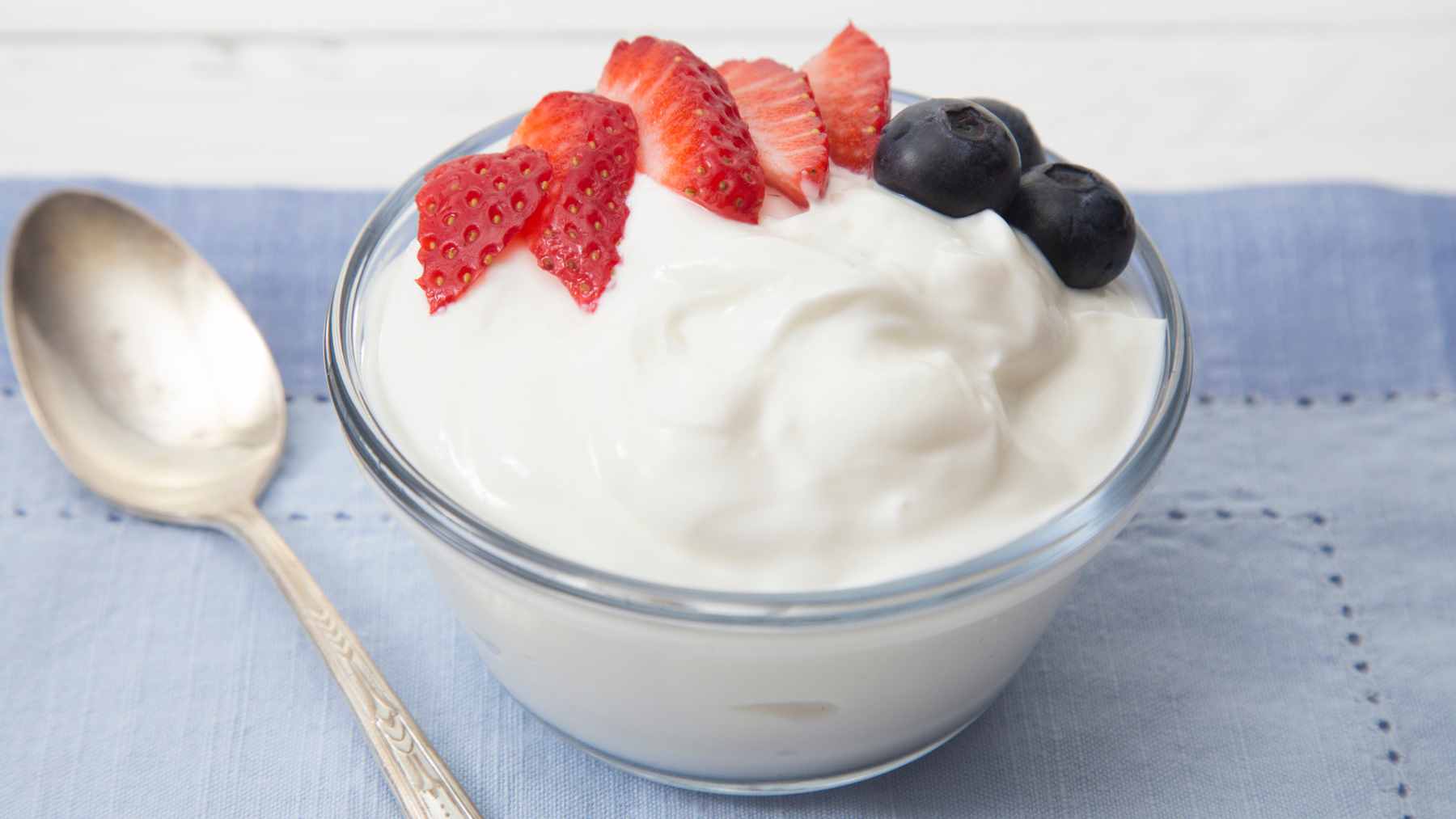
Plain Greek yogurt with berries
Plain, unsweetened Greek yogurt offers protein without the added sugar found in many flavored cups. Berries add carbohydrates, but they also bring fiber and plant compounds. A modest serving can feel more like a real snack than a few bites of something sugary that leaves hunger knocking again.
Research on berries is promising but not magical. A 2019 randomized trial in adults with type-2 diabetes found that red raspberries improved the postmeal glucose response, while broader reviews say results vary by berry, serving, and study design.
The useful takeaway is simple: choose whole berries and check the yogurt label for added sugar.
A hard-boiled egg with cucumber
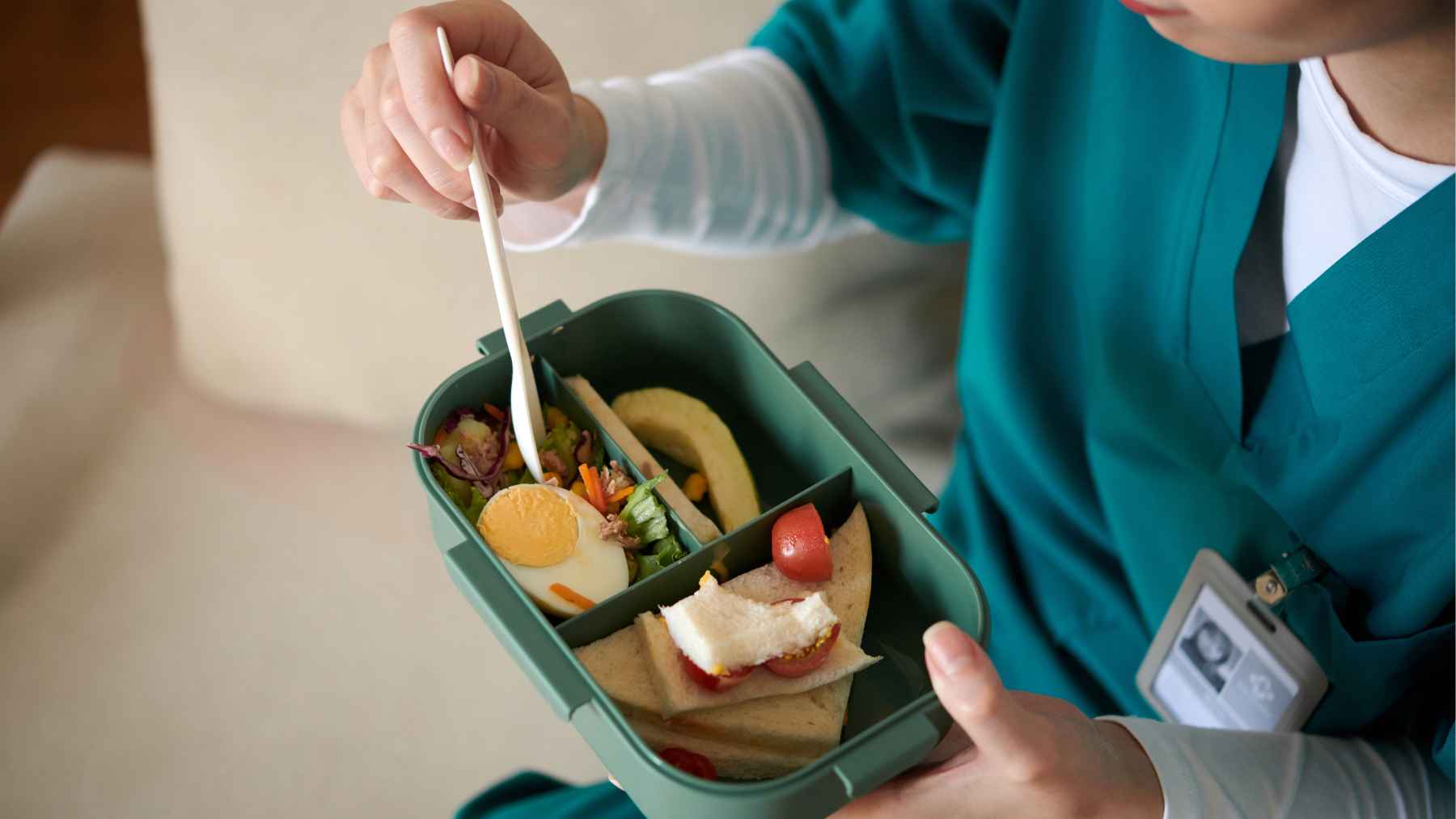
A hard-boiled egg supplies protein and contains very little carbohydrate. Cucumber adds crunch, water, and a small amount of fiber without turning the snack into a large glucose load. It is also easy to pack for work or school, with none of the sticky wrappers or vending-machine guesswork.
There is an important limit, though. Eggs and cucumber may be a low-carbohydrate snack, but they are not a treatment for hypoglycemia, the medical term for low blood sugar. A reading below 70 mg/dL usually calls for fast-acting carbohydrate and guidance from the person’s diabetes care plan.
A small handful of almonds or walnuts
Unsalted almonds and walnuts combine fat, protein, and fiber, so they digest more slowly than crackers or candy. The original report suggests about 15 to 20 almonds, which is a sensible reminder to portion them instead of eating straight from the bag. Nuts are nutritious, but the calories add up quietly.
A 2014 review led by Effie Viguiliouk at the University of Toronto pooled 12 trials involving 450 people with diabetes.
Diets emphasizing tree nuts produced modest improvements in long-term glucose control and fasting glucose, although most trials were short and many were rated low quality. Nuts can help, but they are part of the meal pattern, not a natural glucose-lowering drug.
Soft tofu with seaweed
Soft tofu is a plant protein made from soybeans and contains relatively little carbohydrate. Served chilled or gently warmed, it can be topped with sliced seaweed and a few drops of sesame oil. The result is light, savory, and very different from the usual sweet snack.
The science around soy and blood sugar is mixed, though. A 2022 meta-analysis of 22 trials and 867 people with type-2 diabetes found no overall improvement in fasting glucose, insulin, or the long-term blood sugar marker known as A1C, although some higher-risk groups appeared to benefit.
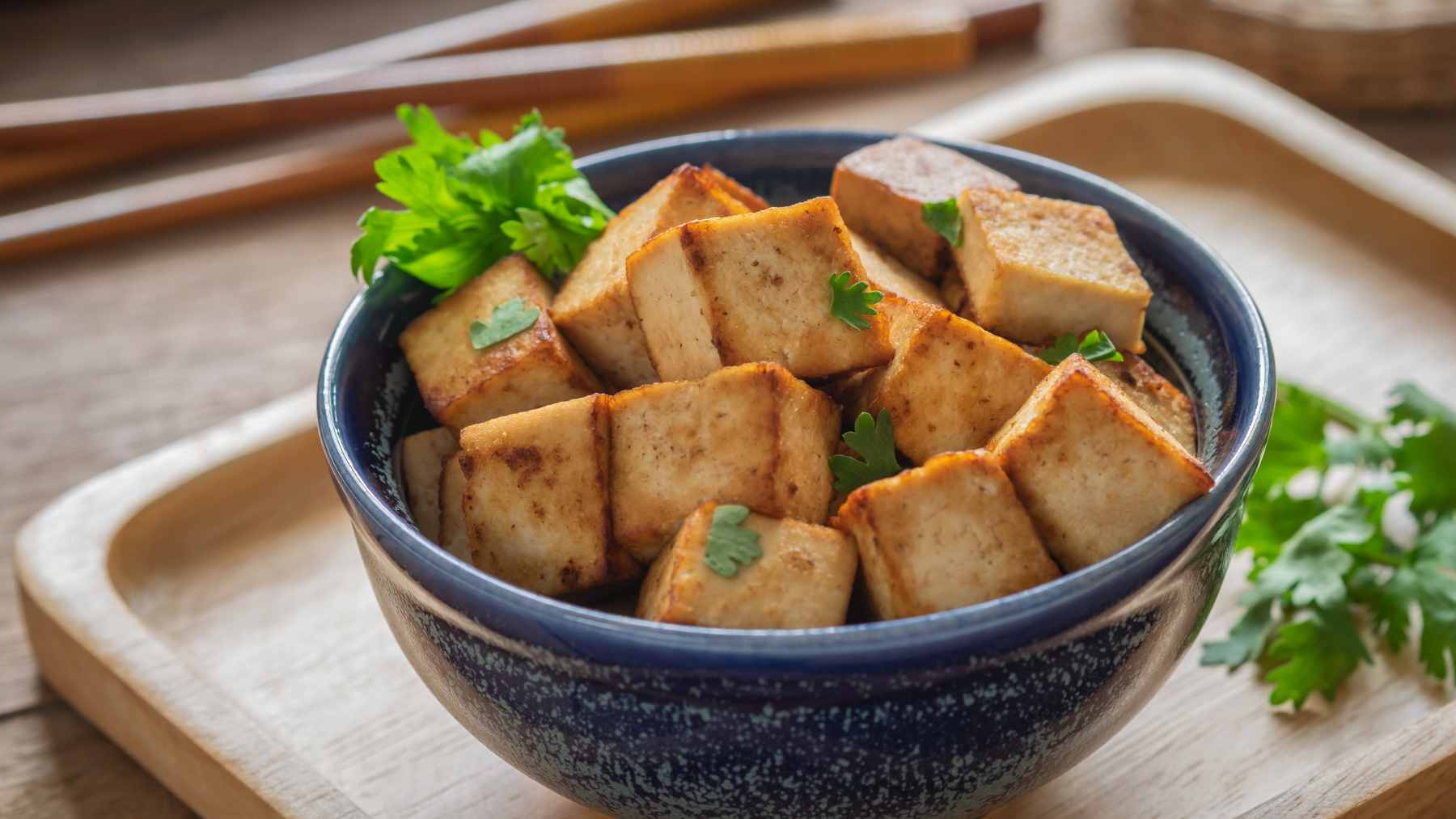
Tofu still makes sense as a low-carbohydrate protein choice, just not as a guaranteed way to lower glucose.
Portions timing and labels
Portion size can turn a helpful snack into an extra meal. Waiting roughly two or three hours after a meal is one common approach, but timing should fit a person’s glucose pattern and treatment plan.
A small yogurt, one egg with cucumber, a measured handful of nuts, or a modest piece of tofu keeps the serving clearly in snack territory.
Exercise needs extra care. Some people may need carbohydrates before or after activity to prevent a low, but that decision should be based on glucose readings, medication, and the planned workout.
Carrying fast-acting carbohydrates is more useful in an emergency than relying on nuts, eggs, or tofu.
Finally, read the nutrition facts label on yogurt, roasted nuts, sauces, and packaged seaweed. The U.S. Food and Drug Administration requires added sugars to be listed separately, making it easier to compare products. Look at serving size too, because the numbers on the label apply only to that amount.
The original report was published by Sức khỏe & Đời sống.