When your brain feels foggy after a bad night, two bottles often enter the conversation. Magnesium and melatonin are both marketed as sleep helpers that may sharpen next-day thinking, which is why people often compare them.
They are not interchangeable, though, and the evidence is less tidy than many supplement labels suggest.
The clearest answer is that neither supplement is a proven shortcut to better concentration in a healthy, well-rested person. The available research mostly studies different problems and populations, not a simple winner-take-all contest. Melatonin is more targeted when poor focus follows a disrupted sleep schedule, while magnesium matters most when intake is low.
Why sleep comes first
Sleep loss can weaken attention, working memory, and decision-making. Working memory is the brain’s temporary “scratchpad,” the system you use to hold a phone number, follow instructions, or keep track of several steps in a task.
Even several nights of mildly shortened sleep can make that scratchpad less reliable.
That helps explain why a sleep aid may appear to improve mental performance the next day. The benefit may come from fixing the sleep problem, not from directly making the brain faster. A capsule cannot fully cancel out chronic insomnia, sleep apnea, late-night caffeine, or a schedule that leaves too little time in bed.
What melatonin really does
Melatonin is a hormone the brain releases in response to darkness. It helps set the body’s internal clock, while most melatonin supplements sold in the United States are made in a laboratory. In practical terms, melatonin is more like a timing signal than a traditional knockout sleeping pill.
Research is strongest for problems involving body-clock timing, including jet lag and delayed sleep-wake phase disorder.
Reviews also suggest it can modestly shorten the time it takes some people with insomnia to fall asleep, but major guidelines have not recommended it as a routine treatment for chronic insomnia. It is not established as a direct concentration enhancer.
Because melatonin can cause sleepiness, taking it at the wrong time may spill into the next morning. The right timing depends on the sleep problem and the product, and quality can vary more than shoppers realize.
In one U.S. analysis, 22 of 25 melatonin gummies contained a different amount than the label claimed.
What magnesium may offer
Magnesium is an essential mineral involved in nerve signaling, muscle function, and energy production. A true deficiency can cause fatigue and weakness, although symptomatic deficiency is uncommon in otherwise healthy people. Correcting a shortfall is different from giving extra magnesium to someone who already gets enough.
A 2026 randomized trial led by Adrian Lopresti and Stephen Smith of Clinical Research Australia, with Lopresti also affiliated with Murdoch University, tested magnesium L-threonate in 100 adults ages 18 to 45 who were dissatisfied with their sleep.
After six weeks, the supplement group improved on an overall cognition score, working memory, episodic memory, and reaction time. However, another reasoning test and objective sleep measurements did not show a clear advantage, and Threotech funded the study, supplied the branded ingredient, and helped shape the design.
The wider evidence is still mixed. Reviews have found inconsistent results for magnesium and sleep, while human research on cognition remains limited. Results for magnesium L-threonate should not automatically be applied to magnesium oxide, citrate, glycinate, or every other form on the shelf.
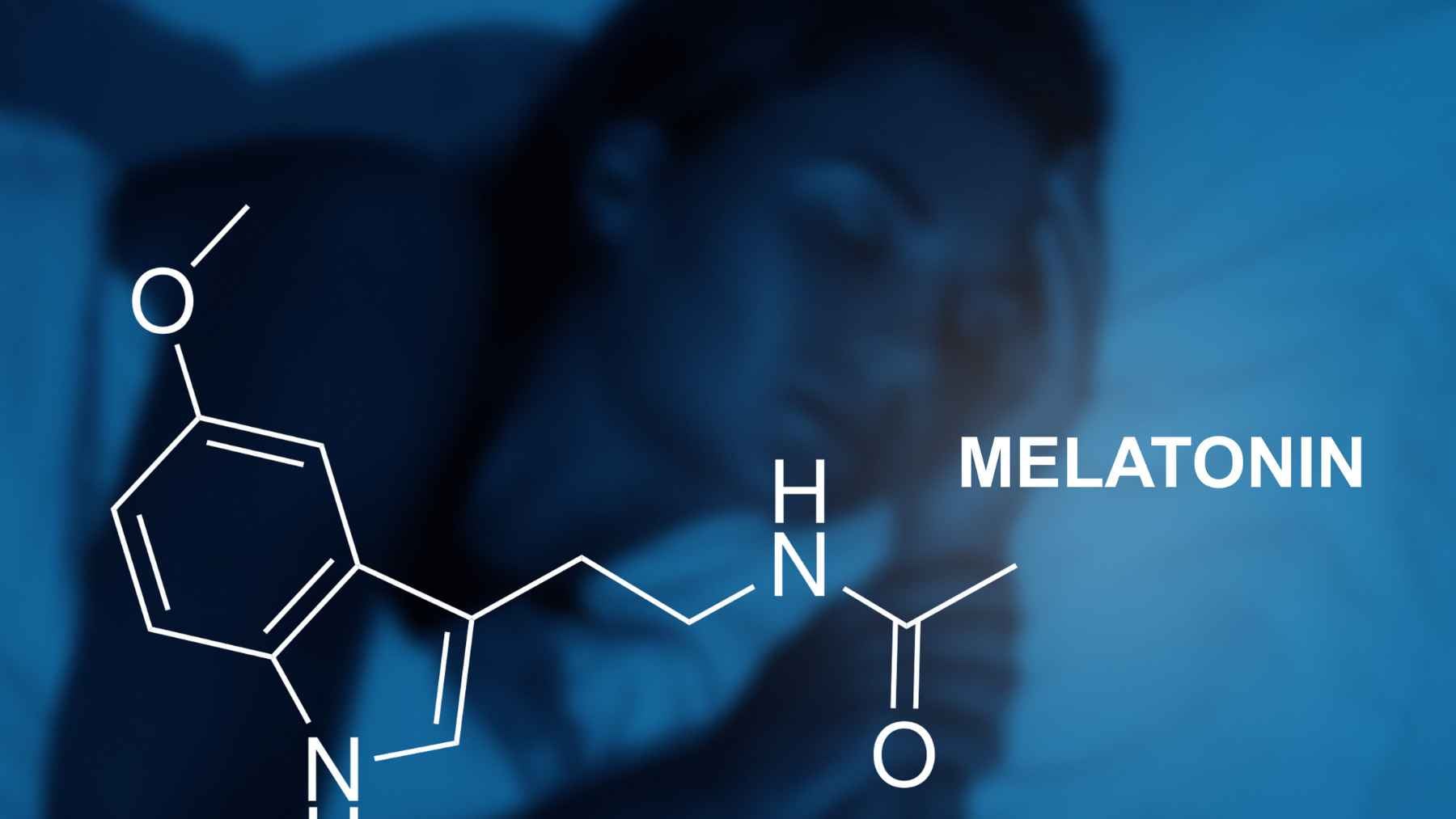
Melatonin helps regulate the body’s sleep-wake cycle and may improve next-day focus when poor concentration is caused by disrupted sleep timing rather than a lack of the supplement itself.
Which one is better for focus
So, which bottle makes more sense? When poor concentration begins with jet lag, shift work, or a consistently delayed sleep schedule, melatonin may be the more targeted option because it acts on sleep timing. When a person has low magnesium intake or a confirmed deficiency, magnesium addresses the more relevant problem.
For a direct boost in memory or mental speed, neither choice has decisive evidence. Magnesium L-threonate currently has the more interesting early cognitive signal, but that is not the same as proof that it works for everyone.
At the end of the day, better sleep is the engine, and supplements are only possible tools around the edges.
Dose and safety matter
The federal upper limit for magnesium from supplements and medications is 350 mg. a day for adults unless a health professional recommends more. That limit does not include magnesium naturally present in food.
Too much supplemental magnesium can cause diarrhea, nausea, and stomach cramps, while people with impaired kidney function face a higher risk of dangerous buildup.
Both supplements deserve a medication check before they become part of a nightly routine. Melatonin can cause next-day sleepiness, headache, dizziness, or nausea, while magnesium can interfere with the absorption of some medicines. People who are pregnant, have chronic health problems, or take regular medication should speak with a clinician or pharmacist first.
Before buying either supplement, start with the basics that most directly support concentration.
Keep a regular sleep schedule, get morning light, limit late caffeine, and seek medical advice for loud snoring, gasping, or insomnia that keeps returning. For long-term insomnia, cognitive behavioral therapy is generally recommended before relying on a nightly supplement.
The latest magnesium L-threonate clinical trial discussed here was published in Frontiers in Nutrition.