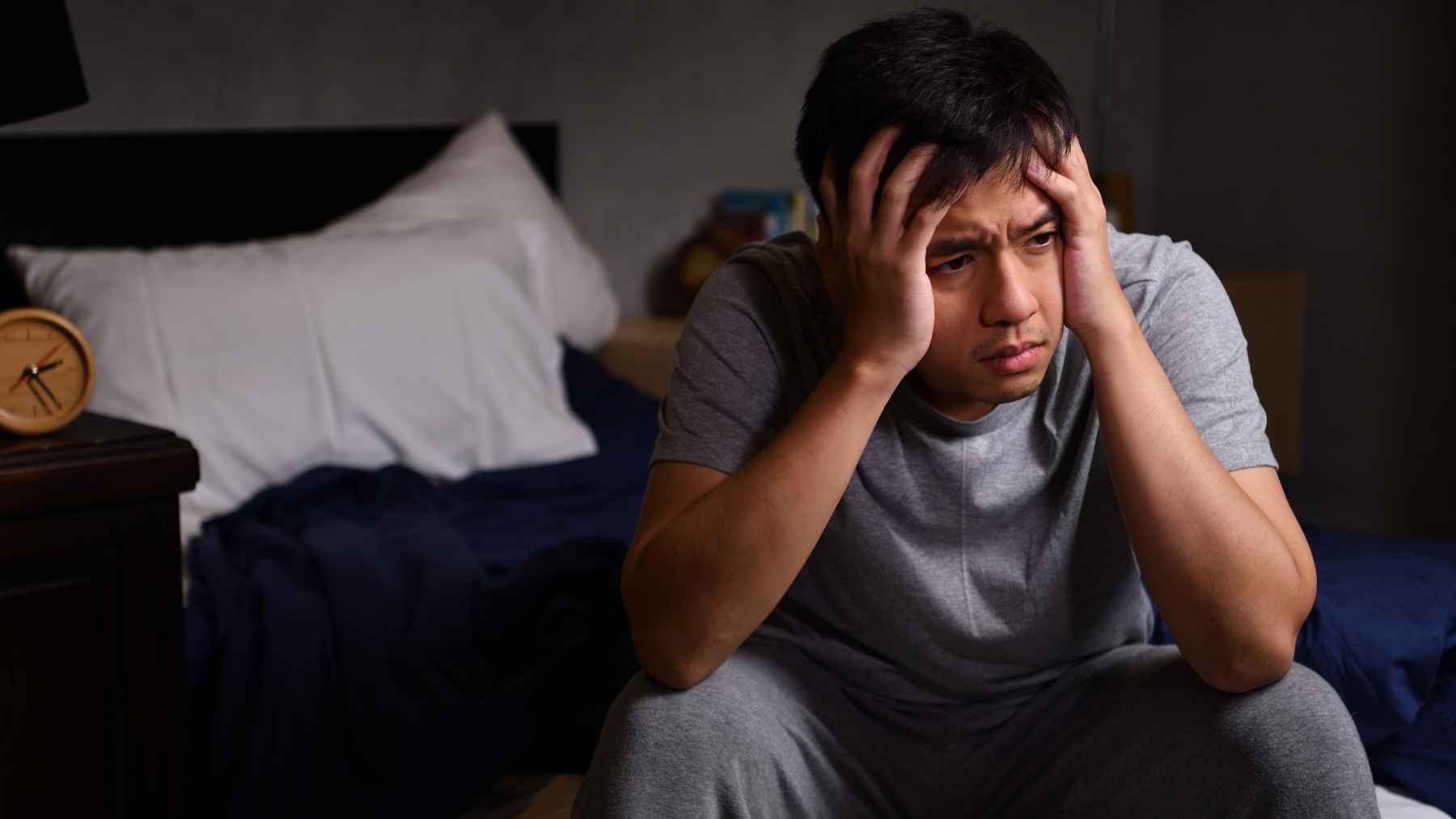
Anyone who has stared at the ceiling at 3 a.m. knows the trap. You count the hours left, worry about tomorrow, and somehow become more awake with every attempt to force sleep.
The Spanish psychologist says that, for some people, the main problem is not simply being awake, it is the fear of being awake. Speaking in a COPE interview, he said, “For people who have insomnia because they are afraid of sleeping, the treatment we give them is voluntary exposure to not sleeping.”
Why trying harder can backfire
His advice sounds strange at first. For certain patients, he recommends choosing one night, getting into bed with books, magazines, or movies, and deliberately not trying to sleep.
The point is not to celebrate sleeplessness or turn the bedroom into a second living room. The goal is to teach the brain that one bad night is uncomfortable, not a disaster.
That matters because sleep can become a performance test. The bed feels like an exam room, the clock becomes the judge, and every minute awake adds pressure.
A common problem
This is not a tiny issue hiding at the edges of medicine. In 2024, 15.4% of U.S. adults reported trouble falling asleep most days or every day, while 18.1% had trouble staying asleep that often, according to the National Center for Health Statistics.
What happens next is familiar. You check the time, calculate tomorrow’s tiredness, and start bargaining with your own body.
That mental fight can push the nervous system into alert mode. In plain language, the body gets ready for action at the exact moment it needs to power down.
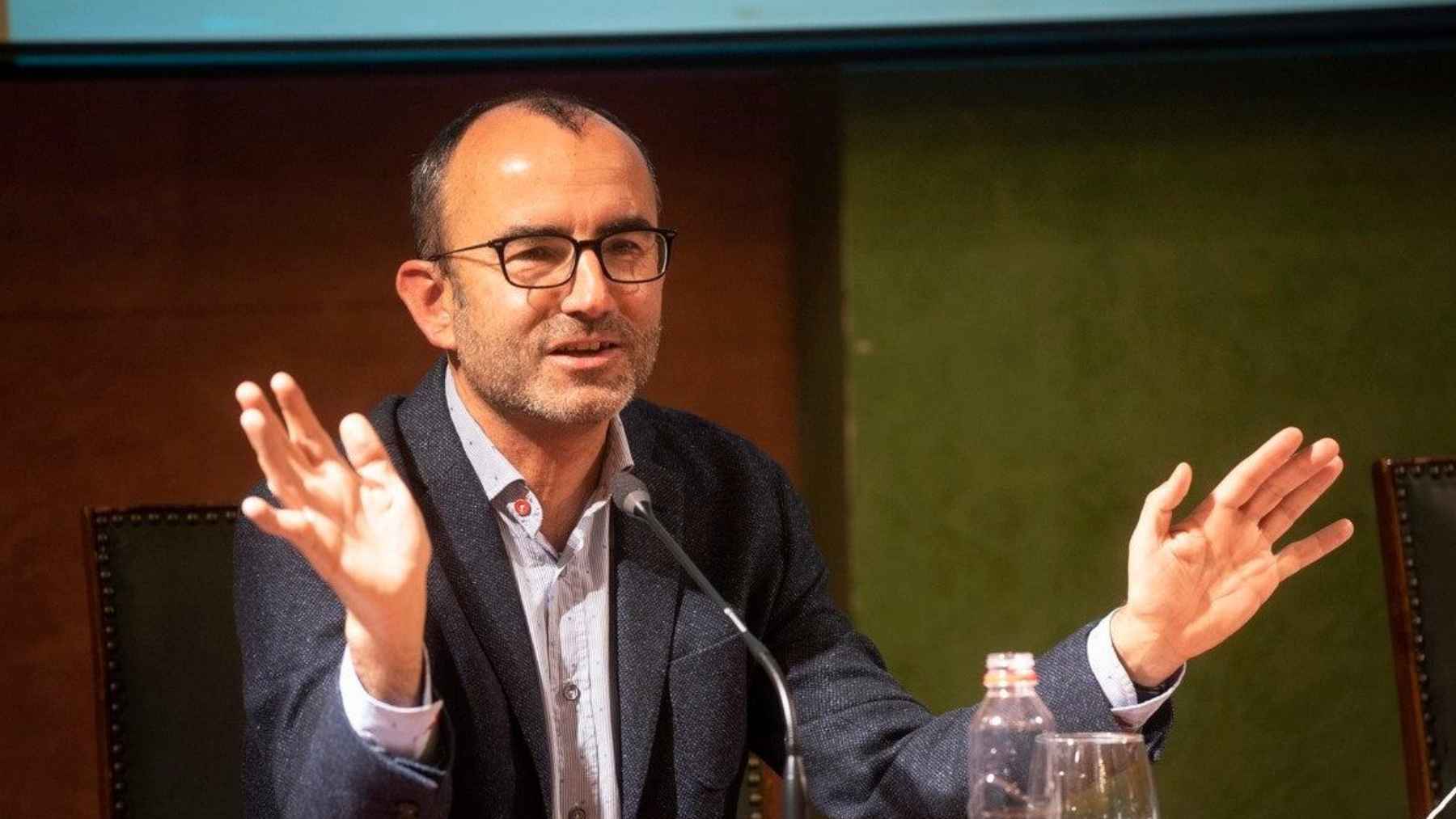
Psychologist Rafael Santandreu explains why intentionally staying awake for one night may help break the cycle of anxiety-driven insomnia.
The method has a name
The approach resembles a known sleep-therapy idea called “paradoxical intention.” It means doing the opposite of the obvious goal, gently trying to stay awake instead of trying harder to fall asleep.
A 2024 study protocol led by Osame Salim described paradoxical intention as a treatment developed in the 1970s that asks patients to remain awake while in bed at night with the lights off. That turns the fear into something the person can face, rather than something to run from.
Why would that help? Because it removes the pressure to perform sleep, which is one of the things that can keep insomnia alive in the first place.
What studies suggest
A review led by Mikael Jansson-Fröjmark found that paradoxical intention produced clear clinical improvements compared with passive comparison groups, and more moderate improvements compared with active treatments. That is promising, but it is still not a magic switch.
Sleep is affected by stress, pain, schedules, screens, medication, and health conditions, so one technique will not fit everyone. That is where careful assessment matters.
Still, the idea is useful because it reframes the night. Instead of treating wakefulness like an emergency, the person learns to meet it with less panic.
Where CBT-I fits
The broader medical framework is cognitive behavioral therapy for insomnia, often called CBT-I. This is a structured treatment that targets the thoughts and habits that keep sleep problems going.
The American College of Physicians recommends CBT-I as the first-line treatment for adults with chronic insomnia. The organization says it may include sleep restriction, stimulus control, and sleep education.
In practical terms, therapy may adjust when someone goes to bed, what they do when they cannot sleep, and how they interpret a rough night. Less drama can be part of the medicine.
Reprogramming deep sleep
The same approach also separates another type of insomnia, in which the brain seems to get used to shallow, broken sleep. In those cases, the proposal is to temporarily go to bed later so sleep is squeezed into fewer hours and becomes deeper.
That idea is close to sleep restriction therapy, a CBT-I tool that limits time in bed to build sleep pressure. A guideline summary based on the American Academy of Sleep Medicine notes that sleep restriction can improve chronic insomnia, but may also cause temporary fatigue and poor concentration.
So, this is not a casual dare from a social media post. For people who drive long distances, operate machinery, have bipolar disorder, or face seizure risk, professional guidance matters.
What readers should take away
At the end of the day, the message is less about staying awake and more about losing fear. The enemy, in many cases, is the spiral that starts when a person believes tomorrow is ruined before the night is over.
That does not mean every case of insomnia is psychological. Mayo Clinic notes that insomnia can affect mood, health, work performance, and quality of life, and that most adults need about seven to nine hours of sleep a night.
If poor sleep keeps happening, the smart move is not to white-knuckle it alone. A clinician can check for anxiety, depression, pain, sleep apnea, medication effects, shift work problems, and other causes.
The main work has been published by Grijalbo under the title Dormir cuando no puedes dormir.