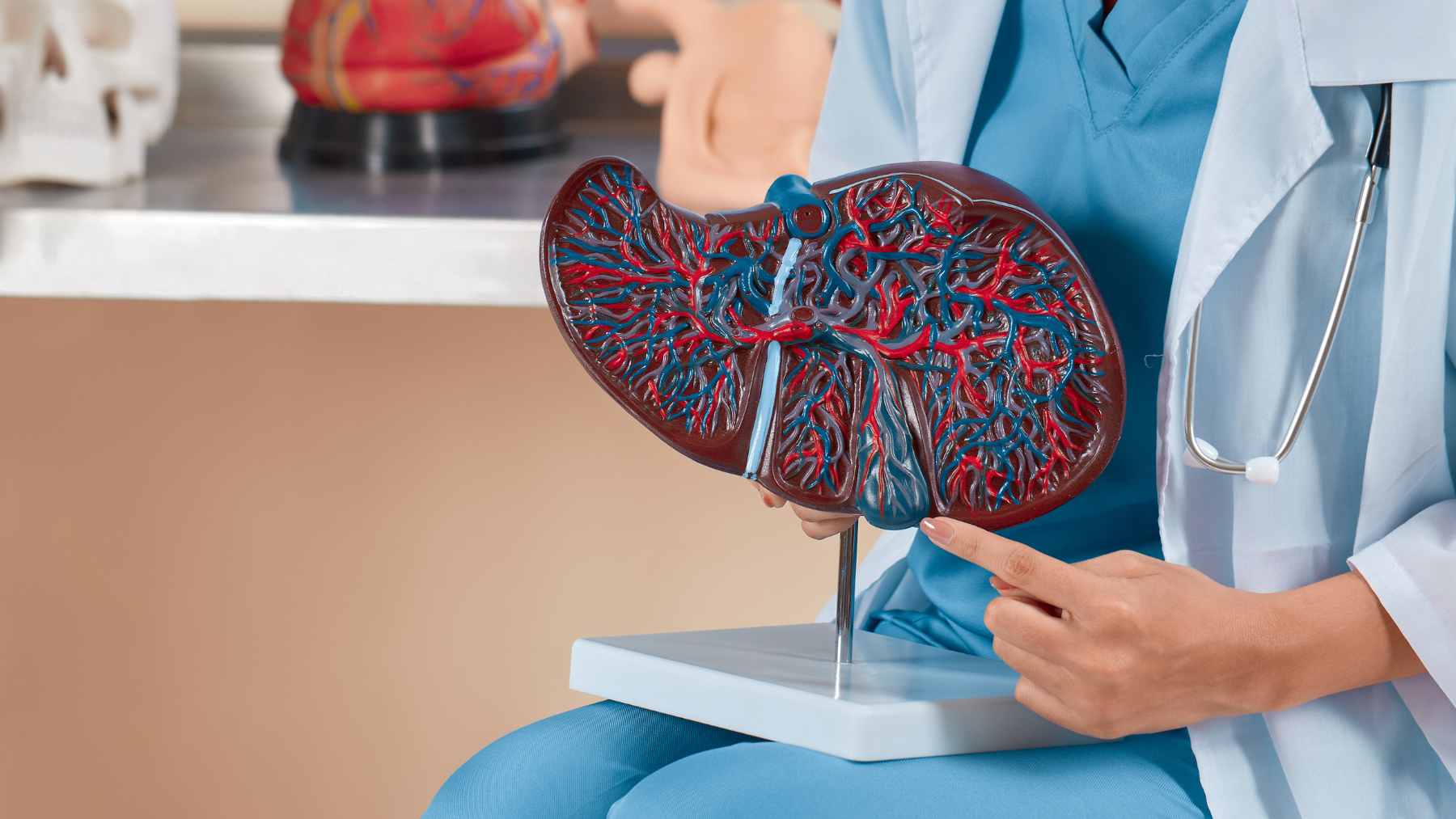
What if your liver is storing extra fat without sending a clear warning? Fatty liver disease often causes few or no symptoms, but its more serious inflammatory form can lead to scarring, cirrhosis, and liver cancer.
The practical measures are less dramatic than any online “detox.” No berry, tea, or vegetable has been shown to regenerate a fatty liver by itself, but an overall healthy eating pattern, gradual weight loss when needed, and regular movement can help reduce liver fat and inflammation.
What fatty liver means
Fatty liver simply means that excess fat has built up inside liver cells. The metabolic form is now called metabolic dysfunction-associated steatotic liver disease, or MASLD, and is strongly linked with excess weight, insulin resistance, type-2 diabetes, and abnormal levels of fat in the blood.
Heavy alcohol use can also cause fat to collect in the liver, but doctors classify that as alcohol-associated liver disease. Some people may have both metabolic risks and harmful alcohol exposure, which is one reason a proper diagnosis matters.
Foods that make the cut
A 2024 clinical guideline led by hepatologist Frank Tacke recommends improving the whole diet rather than chasing one “superfood.”
Issued jointly by the European Association for the Study of the Liver, the European Association for the Study of Diabetes, and the European Association for the Study of Obesity, it favors a Mediterranean-style eating pattern.
In your day to day, fill more of the plate with vegetables, whole fruit, beans, lentils, and whole grains. Add protein from fish, tofu, eggs, or poultry, along with modest portions of nuts, seeds, unsweetened yogurt, and olive oil.
Fatty fish such as salmon, sardines, and trout provide omega-3 fats, while beans and whole grains bring fiber that can make meals more filling. Broccoli, cabbage, berries, and leafy greens are useful foods, but they are not special cleaning agents. Your liver does not need a juice cleanse.
Foods to cut back
The biggest targets are sugar-sweetened drinks, sweets, and heavily processed foods that combine refined starch, added sugar, saturated fat, and abundance of calories. A soda or sweetened coffee can go down quickly without making you feel full, yet it may deliver a large amount of sugar.
White bread, white rice, pastries, chips, processed meats, and frequent fast-food meals do not have to disappear overnight. But replacing some of them with oats, brown rice, whole-grain bread, fruit, vegetables, beans, and less-processed proteins can shift the daily pattern in a healthier direction.
Alcohol deserves special attention because it can directly injure liver cells and add to existing damage.
The National Institute of Diabetes and Digestive and Kidney Diseases advises people with fatty liver to minimize alcohol, while anyone with advanced liver disease should ask a clinician whether complete avoidance is necessary.
Weight loss can change the liver
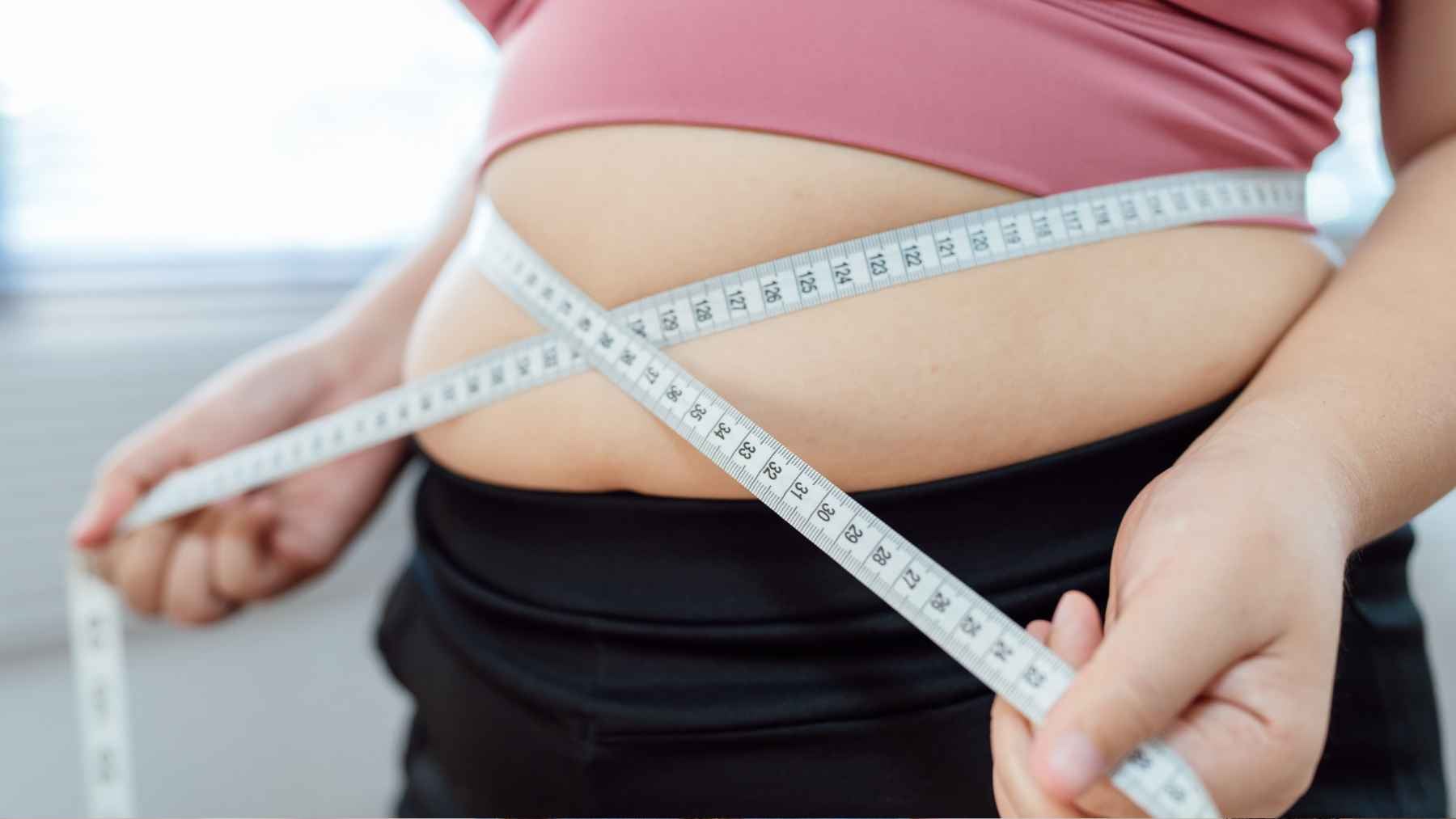
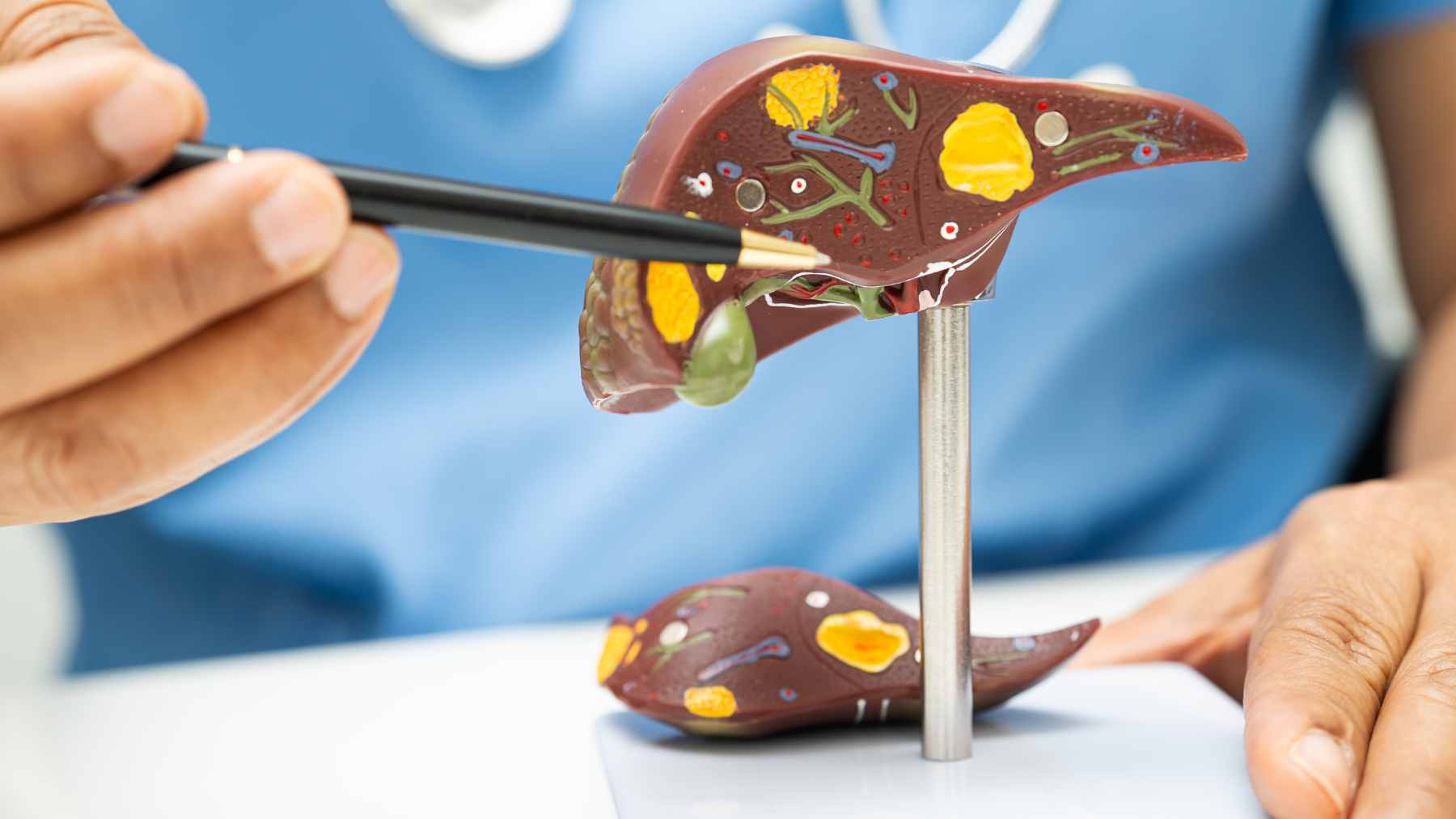
For overweight or obese people, the strongest evidence is not tied to one ingredient. Losing about 3% to 5% of body weight can reduce liver fat, while losing roughly 7% to 10% may also improve inflammation and scarring.
That does not mean crash dieting. Rapid weight loss and poor nutrition can make liver disease worse, so the safer route is gradual change that can survive busy workdays, family dinners, and the occasional restaurant meal.
Exercise helps, too, even if the scale barely moves. Current recommendations commonly point to at least 150 minutes of moderate exercise each week, with activities such as brisk walking, cycling, or swimming.
Small changes that stick
Where should someone begin? Swap one sugary drink for water, add beans or vegetables to a familiar meal, choose whole-grain bread more often, and schedule a walk after dinner. Small steps sound ordinary, but ordinary is easier to repeat.
Portion size still matters because even nutritious foods can provide more energy than the body needs. The aim is not a punishing “liver diet.” For the most part, it is a steady way of eating that also supports blood sugar, cholesterol, heart health, and weight control.
When food is not enough
Fatty liver cannot be confirmed by looking in the mirror or judging symptoms. Doctors may use medical history, blood tests, imaging, and sometimes other procedures to check for fat, inflammation, and scarring, especially in people with type-2 diabetes, obesity, or abnormal liver results.
Anyone already diagnosed should discuss major changes with a health professional, particularly before using herbal remedies or supplements. Some products marketed as “liver cleanses” have been associated with liver injury, and advanced disease may require specialist care alongside diet and exercise.
The official clinical guidance has been published in the Journal of Hepatology.