A common vitamin is drawing new attention in fatty liver research, not because it is a quick cure, but because it may point scientists toward a hidden control switch inside liver cells.
Metabolic dysfunction-associated steatotic liver disease, or MASLD, affects more than 30 percent of the global population and is closely tied to obesity, type 2 diabetes, and other metabolic problems.
The new work focuses on microRNA-93, a tiny RNA molecule that appears to push the liver toward storing fat instead of burning it. When researchers lowered that signal in animal experiments, vitamin B3, also known as niacin, helped restore a healthier fat-processing pattern.
A hidden liver switch
MASLD happens when too much fat builds up in the liver along with signs of metabolic stress. Many people have no clear symptoms at first, so the problem can sit quietly in the background until a routine checkup or blood test raises concern.
What makes this study interesting? It moves the story away from fat alone and toward the genetic instructions that help decide what the liver does with that fat. In practical terms, that means researchers may have found a lever that can be pulled, at least in mice.
What the team found
The work was led by Jang Hyun Choi and included co-first authors Yo Han Lee, Jinyoung Lee, Joonho Jeong, and Kieun Park, with collaborating groups at UNIST, Pusan National University, and Ulsan University Hospital.
The researchers found unusually high levels of microRNA-93 in liver samples from people with MASLD and in mice fed a high-fat, high-fructose diet, a lab model meant to echo some modern eating patterns.
MicroRNAs are short pieces of RNA that help control how active genes become. In this case, microRNA-93 blocked SIRT1, a gene that helps regulate energy use and fat metabolism in liver cells.
Fat storage instead of fat burning
When SIRT1 was suppressed, the liver shifted toward storing more fat. The study also found weaker activity in a cell energy pathway known as LKB1 AMPK, which normally helps cells respond when energy is low and keeps metabolism from drifting too far off balance.
That may sound technical, but the basic idea is simple. A liver cell needs to decide whether to burn fat, store it, or build other compounds from it, and microRNA-93 appears to direct that decision towards an unhealthy direction.
Vitamin B3 stood out
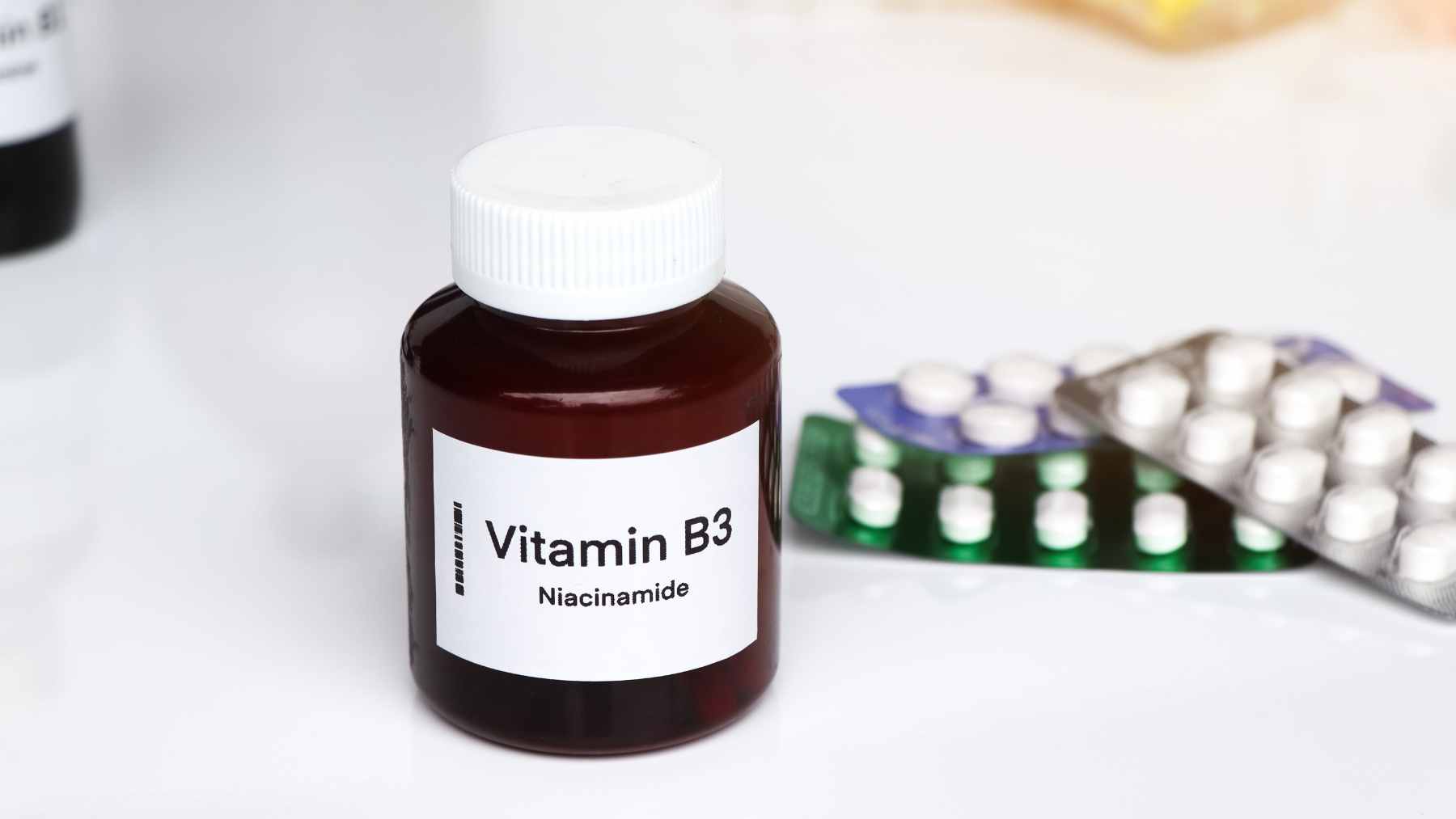
The researchers then screened 150 FDA-approved drugs to see which ones could reduce microRNA-93. Niacin stood out as the strongest candidate, and treated mice showed lower microRNA-93 levels, restored SIRT1 activity, less liver fat buildup, and better overall metabolic function.
That finding matters because niacin is not an unknown experimental chemical. It is a familiar vitamin compound that has long been used in medicine for lipid disorders, although the study does not mean people with fatty liver disease should start taking high-dose supplements on their own.
Why caution matters
Niacin can affect cholesterol and triglycerides, but medical doses are not the same as the small amounts found in ordinary food or multivitamins. High doses of nicotinic acid taken over time can be toxic to the liver and may cause problems such as elevated liver enzymes, hepatitis, or acute liver failure.
That is the uncomfortable twist. A compound being studied for fatty liver disease can also strain the liver when used incorrectly, which is why any future treatment would need careful dosing, monitoring, and clinical evidence.
The next test in people
A related clinical trial listed under ClinicalTrials.gov ID NCT06843148 is testing niacin in people with MASLD. The study record describes a mechanistic trial sponsored by the Université de Sherbrooke that will look at metabolic responses after niacin treatment.
This is where the research becomes especially important for patients. Mouse results can guide scientists, but human trials decide whether a strategy is useful, safe, and measurable in real bodies, with real diets, medications, and health histories.
What this means now
For now, the message is cautious but hopeful. The study suggests that microRNA-93 could be a meaningful target in MASLD, and that niacin may offer a way to influence that target under controlled conditions.
At the end of the day, the biggest value may be the wider picture, not the vitamin bottle.
The official study has been published in Metabolism.